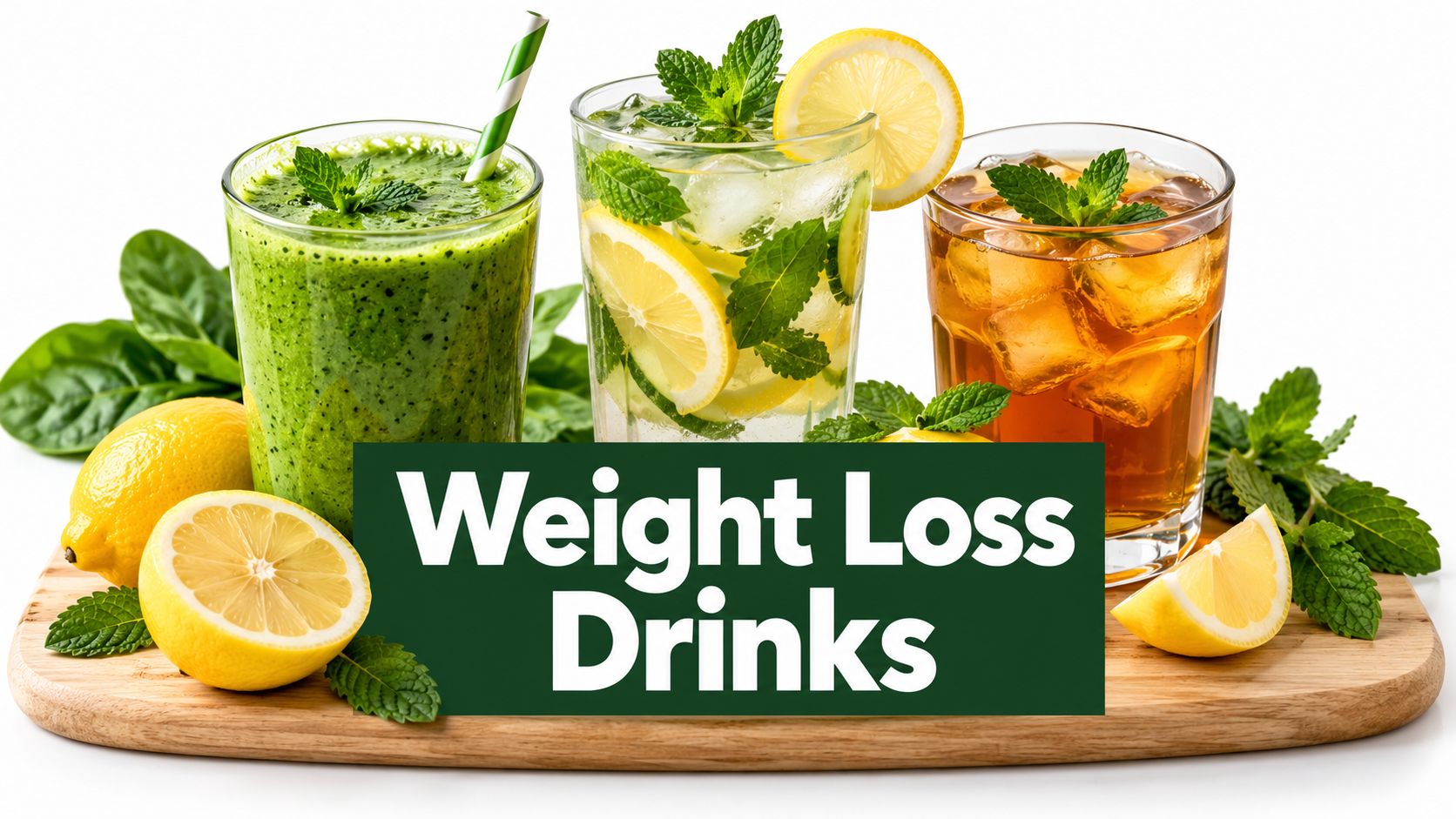
No drink causes substantial weight loss by itself. The strongest choices are unsweetened zero-calorie drinks that replace sugary beverages, protein-based options that support satiety and muscle preservation, and measured meal replacements when controlled calories and convenience matter.
The popular advice is often backwards. Lemon, cayenne, vinegar, and “detox” language can make an ordinary drink sound like a fat-burning treatment, while a plain glass of water may do more for weight management if it replaces a high-calorie soda. The useful question isn't whether a beverage has a fashionable ingredient. It's what the drink replaces, how many calories it contributes, whether it helps you eat enough protein, and whether you can use it consistently.
Clinical evidence supports that substitution-based view. A 2024 network meta-analysis found low- or no-calorie sweetened beverages were associated with lower body weight than several comparison beverages, including sugar-sweetened beverages, but the differences were modest, ranging from about 0.79 kg to 1.19 kg depending on the comparison (Nature Medicine and Science of Food network meta-analysis). Other trial evidence has produced mixed results, so a diet drink isn't a metabolic shortcut.
The comparison below looks at 10 weight loss drinks by their actual role: calorie replacement, hydration, appetite support, protein intake, convenience, or flavor substitution. It also considers sugar, caffeine, preparation effort, evidence strength, and safety. If you want to coordinate beverages with meals, macros, allergies, and grocery needs, AI Meal Planner's onboarding can help turn those choices into a weekly eating plan. For broader guidance, see this resource on natural weight loss solutions.
1. Can green tea with lemon and ginger support weight management?
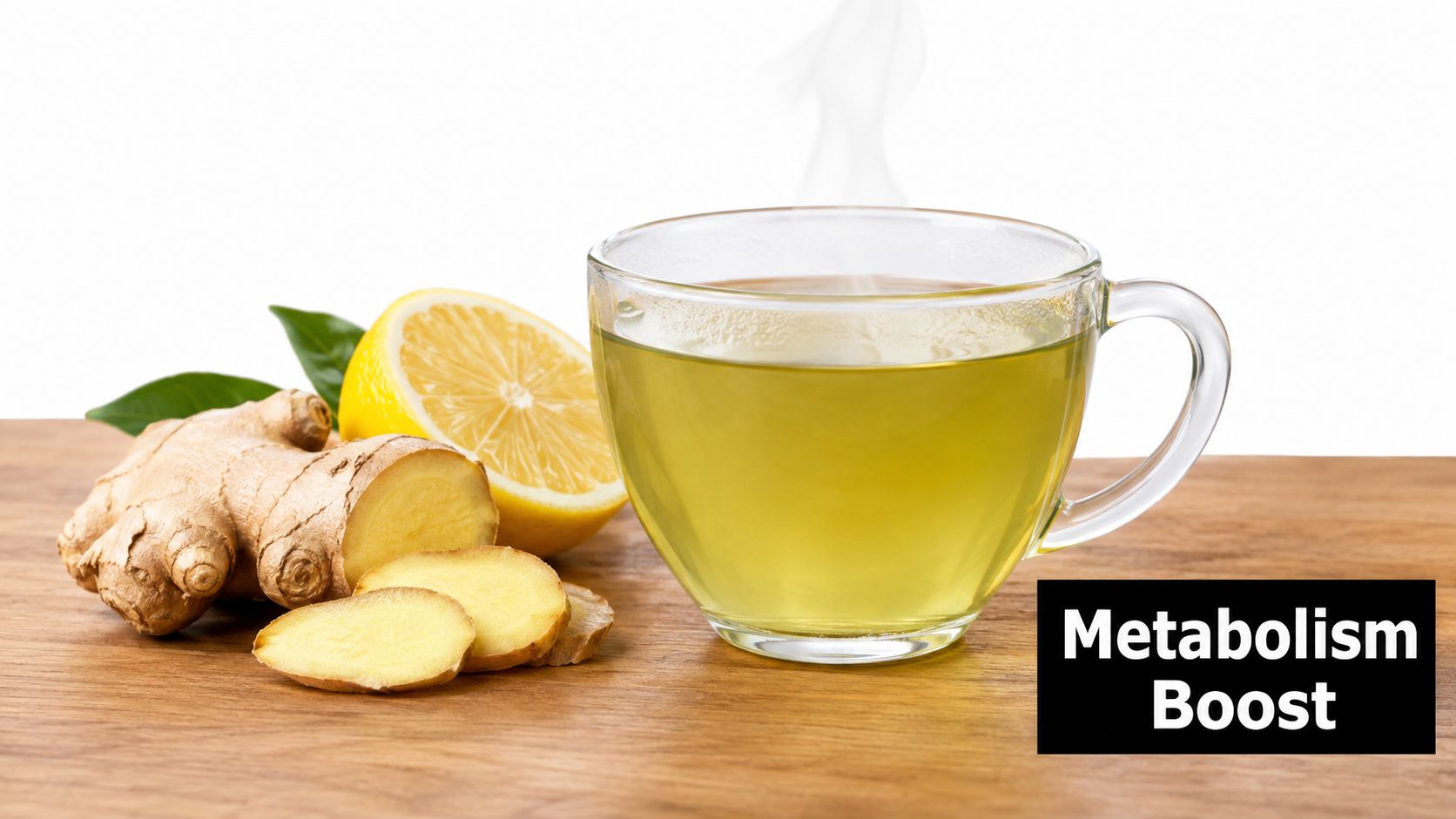
Unsweetened green tea with lemon and ginger is best understood as a low-calorie replacement and caffeinated ritual, not a fat-burning treatment. Green tea contains catechins, including EGCG, and caffeine, but the measured effect in trials is small. A systematic review and network meta-analysis found green tea reduced body weight by about 1.23 kg versus placebo and 1.61 kg versus water, with low to very low certainty evidence (Harvard Health review).
Lemon adds acidity and flavor, which can make unsweetened tea easier to drink. Ginger may make the beverage more appealing after meals, but the supplied evidence doesn't establish that lemon or ginger produces meaningful independent weight loss. Claims about precise fat-oxidation increases, special brewing windows, or lower obesity rates in tea-drinking populations go beyond the verified evidence here.
Use it as a replacement, not a ritual
A busy professional who normally buys a sweetened latte might use green tea in the afternoon and remove a recurring source of liquid calories. Someone who already drinks plain water won't necessarily create a new deficit by adding tea. The result depends on the substitution.
Practical rule: Keep the tea unsweetened, and judge it by the drink it replaces.
Brew it to taste, add lemon after steeping, and use ginger if you enjoy the flavor. Caffeine can affect sleep or worsen jitteriness in sensitive people, so drinking it earlier may be more useful than forcing a late-day serving. A lemon-ginger green tea product such as Yogi Tea Green Tea Ginger Lemon can simplify preparation, but check the label for added sweeteners.
2. Is an apple cider vinegar detox drink worth using?
Apple cider vinegar is one of the clearest examples of a drink whose marketing is stronger than its evidence. A commonly cited 12-week study reported that people consuming one to two ounces daily lost about 2 to 4 pounds, but it included only 39 participants and combined vinegar with a reduced-calorie diet, so the effect can't be separated cleanly from calorie restriction (Cleveland Clinic's review of apple cider vinegar and weight loss).
That doesn't make diluted vinegar useless. It can add sharp flavor to water or a meal, and some people may find an acidic drink satisfying before eating. But major medical guidance says apple cider vinegar isn't likely to cause meaningful or long-term weight loss, while a 2022 meta-analysis found mixed evidence for appetite suppression and no evidence of a lasting appetite effect (Mayo Clinic's evidence review).
Protect your teeth and digestion
Never drink vinegar straight. Dilute it well, consider using a straw, and stop if it causes reflux, nausea, or throat irritation. Honey changes the calorie profile, so adding it casually can undermine the very substitution you're trying to make.
Someone who enjoys the taste can use a small diluted serving alongside a balanced meal, not as a meal replacement. Someone expecting a “detox” effect should skip the ritual and focus on a beverage that solves a clearer problem. A structured clean-eating meal plan is more useful for organizing total intake than relying on vinegar.
3. Does a Greek yogurt and berry protein smoothie help with satiety?
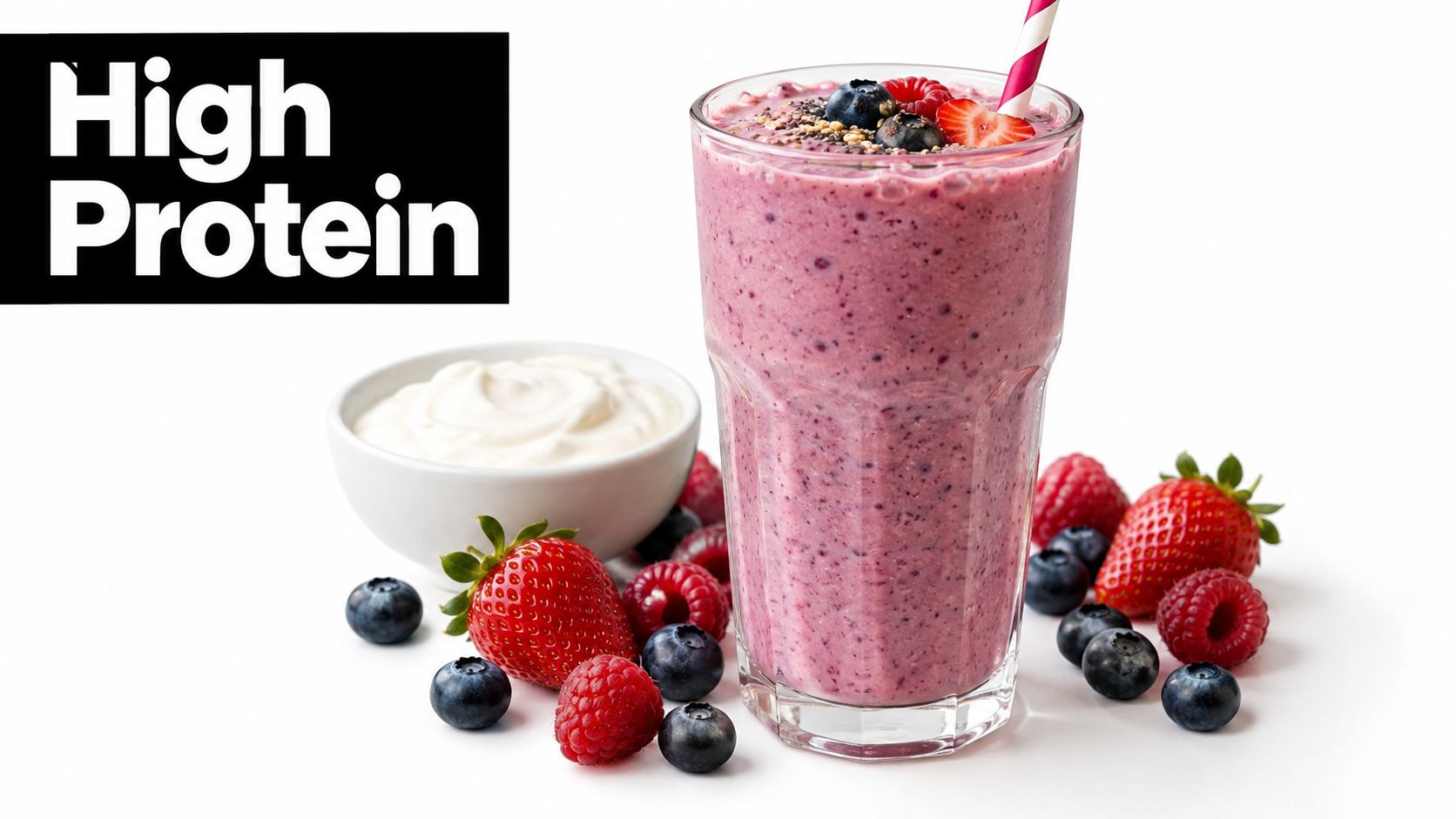
A Greek yogurt and berry smoothie has a different job from tea or infused water. It can contribute protein, food volume, and a planned eating occasion, which makes it a practical choice when breakfast is rushed or a post-workout meal needs structure. The advantage isn't that blending creates a special weight-loss effect. The advantage is that the drink can replace an unplanned pastry or a low-protein snack.
Use plain Greek yogurt, unsweetened milk, and berries, then check the total serving rather than pouring ingredients by habit. Nut butter, oats, sweetened yogurt, and generous portions can turn a sensible smoothie into a calorie-dense meal. Berries add flavor and texture, but they don't cancel out added sugar.
Build it around the meal it replaces
A smoothie works best when you decide whether it's a snack, breakfast, or recovery meal. If it replaces breakfast, include enough protein and pair it with a plan for later meals. If it follows a full breakfast, it may just add calories.
- Start with plain yogurt: Avoid turning a protein base into a dessert through sweetened flavored yogurt.
- Measure calorie-dense additions: Almond butter and seeds can be nutritious, but portions still count.
- Plan the next meal: Satiety is more reliable when the smoothie fits a wider eating schedule.
For a more deliberate recipe, use this high-protein recipe collection. People with kidney disease or other medical conditions should ask a clinician or registered dietitian about appropriate protein intake before adding frequent supplements or large protein servings.
4. Is a matcha green tea latte better than ordinary tea?
Matcha can be a flavorful alternative to coffee or sweetened café drinks, but it isn't automatically a better weight-loss drink. Because matcha uses powdered leaf rather than infused tea water, it can deliver catechins and caffeine in a concentrated serving. The verified evidence still points to small effects, not a dramatic metabolic change, and it doesn't establish that matcha lattes produce greater weight loss than ordinary unsweetened green tea.
The milk and sweetener determine much of the practical outcome. A homemade matcha whisked with water and a modest amount of unsweetened milk may replace a sugar-heavy café beverage. A large commercial latte with syrup can become a dessert in liquid form. Oat milk is not a problem by itself, but flavored versions and added syrups deserve attention.
Match the drink to your caffeine tolerance
Matcha contains caffeine, and some people find its taste or stimulation easier to manage than coffee. Others may notice anxiety, palpitations, or sleep disruption. Drink it earlier if afternoon caffeine affects your sleep, because poor sleep can make appetite management harder even if the drink itself is low in calories.
Buy matcha for taste rather than promises of superior fat burning. Whisk a small amount with hot, not boiling, water, then add unsweetened milk. The best version is the one you can use instead of a higher-calorie beverage without adding sweet toppings or syrup.
5. Can cucumber and mint infused water help you drink less sugar?
Cucumber and mint water has no special detox pathway. Its value is simpler and more dependable: it can make plain water more appealing, helping someone replace soda, sweet tea, juice, or a flavored coffee. In a U.S. National Health and Nutrition Examination Survey analysis, 91.7% of participants regularly consumed bottle or tap water, while only 10% regularly consumed sugar-sweetened beverages (the beverage consumption analysis in PMC). That pattern supports water as the foundation, not an afterthought.
The cucumber and mint contribute flavor more than meaningful calories or protein. A pitcher prepared at home can sit in a refrigerator for a workday, giving someone an alternative to vending-machine drinks. Lemon can make the flavor brighter, though acidity may matter for people with reflux or sensitive teeth.
Make the replacement obvious
A professional who reaches for a sweetened drink at a desk can keep infused water beside the keyboard. A family can prepare it before shopping or exercise. The useful behavior is visibility and access, not the cucumber's supposed ability to dissolve fat.
Prepare a fresh batch regularly and keep the flavor mild enough to drink consistently. Don't force a rigid water target, especially if a clinician has given you fluid restrictions. Infused water earns its place because it is easy, low-calorie, and compatible with almost any meal plan.
6. Does kombucha support weight loss or gut health?
Kombucha is fermented tea, not a guaranteed weight-loss beverage. Its live cultures and flavor may appeal to people who want something more interesting than water, but the bottle can also contain added sugar. The practical question is whether it replaces a sugary soft drink or becomes an extra beverage alongside meals.
The evidence supplied here doesn't establish that kombucha directly causes fat loss, improves insulin sensitivity, or reliably suppresses cravings. Those claims should be treated cautiously. A consumer who feels better drinking a small serving may value it for taste or digestive routine, but personal tolerance isn't proof of a weight-loss mechanism.
Read the label before buying
Choose a product with a short ingredient list and compare sugar across brands. “Fermented” doesn't mean calorie-free, and “probiotic” doesn't guarantee a measurable weight outcome. Start with a small serving if fermented drinks cause bloating or digestive discomfort.
A kombucha habit can fit a weight-loss plan when it replaces a higher-sugar drink and the calories are recorded. It fits less well when it becomes a daily health ritual that sits on top of an unchanged diet. For people focusing on digestion, use it alongside a broader gut-health meal plan, not as the entire strategy. Additional context is available from Pause Medical's gut-health guidance.
7. Does cayenne and lemon water burn enough calories to matter?
Cayenne and lemon water is a low-calorie flavored drink that may feel stimulating, but “detox” is the wrong framework. Capsaicin can create heat and discomfort, yet the verified evidence here doesn't support the frequently repeated claim that a cayenne drink produces a 5% to 10% metabolic increase. Nor does it support anecdotal monthly weight-loss promises.
That distinction matters because a sensation isn't the same as a meaningful energy deficit. A spicy drink may help someone pause before eating or replace a sweet beverage. It won't compensate for frequent high-calorie meals, and it shouldn't be presented as a pre-workout fat-loss formula.
Use caution with the spice
Start with a small amount of cayenne, dilute it thoroughly, and stop if it worsens reflux, stomach pain, or bowel symptoms. Lemon and honey change the taste, while honey also adds calories. People taking medication or managing gastrointestinal conditions should ask a clinician whether concentrated acidic or spicy drinks are appropriate.
Someone who enjoys cayenne can use it as a flavor substitution. Someone who dislikes it gains nothing by forcing it. The best drink is the one that supports a repeatable eating pattern without creating a new health problem.
8. Can protein-infused coffee replace breakfast?
Protein coffee can work when it solves two problems at once: a person wants coffee, and that person needs a more substantial morning option than black coffee. Adding whey or another protein source can make the drink more filling than coffee alone. It still counts as food, so the calories and protein should be included in the day's plan.
Collagen and whey aren't interchangeable for every goal, and a collagen product shouldn't automatically be treated as a complete protein source. Choose a product that fits your dietary needs and check for added sugar, creamers, and oversized servings. A scoop blended into a large sweetened coffee can quickly become a high-calorie drink.
Keep the morning decision simple
A commuter might prepare coffee and protein before leaving home, then eat a balanced lunch rather than grazing through the morning. Another person may prefer a yogurt smoothie or solid breakfast. Protein coffee is useful only if it improves consistency without causing hunger later.
Caffeine can suppress appetite temporarily for some people, but that isn't a reason to use it to ignore hunger or delay needed nutrition. Avoid late caffeine if it disrupts sleep. Anyone with kidney disease, pregnancy-related nutrition needs, or a medical condition should discuss supplement choices with a qualified professional.
9. Are commercial meal replacement shakes useful for weight loss?
Commercial meal replacement shakes such as Huel, Soylent, and SlimFast occupy a different category from infused water. They are designed to provide a controlled eating occasion, which can help busy people avoid impulsive meals and make calorie tracking easier. Their usefulness comes from structure and convenience, not from a special fat-burning ingredient.
A measured shake can replace a takeaway lunch when someone has limited time, but it shouldn't automatically replace every meal. Whole-food meals provide texture, variety, and an opportunity to practice normal portions. A shake also needs to be evaluated by its nutrition label, protein content, fiber, added sugar, and whether it keeps the user satisfied.
Use one controlled substitution first
Start by replacing the meal that causes the most disruption, such as an unpredictable weekday lunch. Then build the rest of the day around vegetables, whole foods, and a planned protein source. Drinking a shake in addition to a normal meal defeats its calorie-control role.
Commercial products also carry practical cautions. Some people dislike the taste or develop constipation when their overall diet lacks fiber and fluids. People with diabetes, kidney disease, allergies, or medication-related dietary needs should review ingredients with a clinician. A shake is a tool for a specific scheduling problem, not a substitute for learning how to assemble meals.
10. Can bone broth with turmeric and black pepper support a diet?
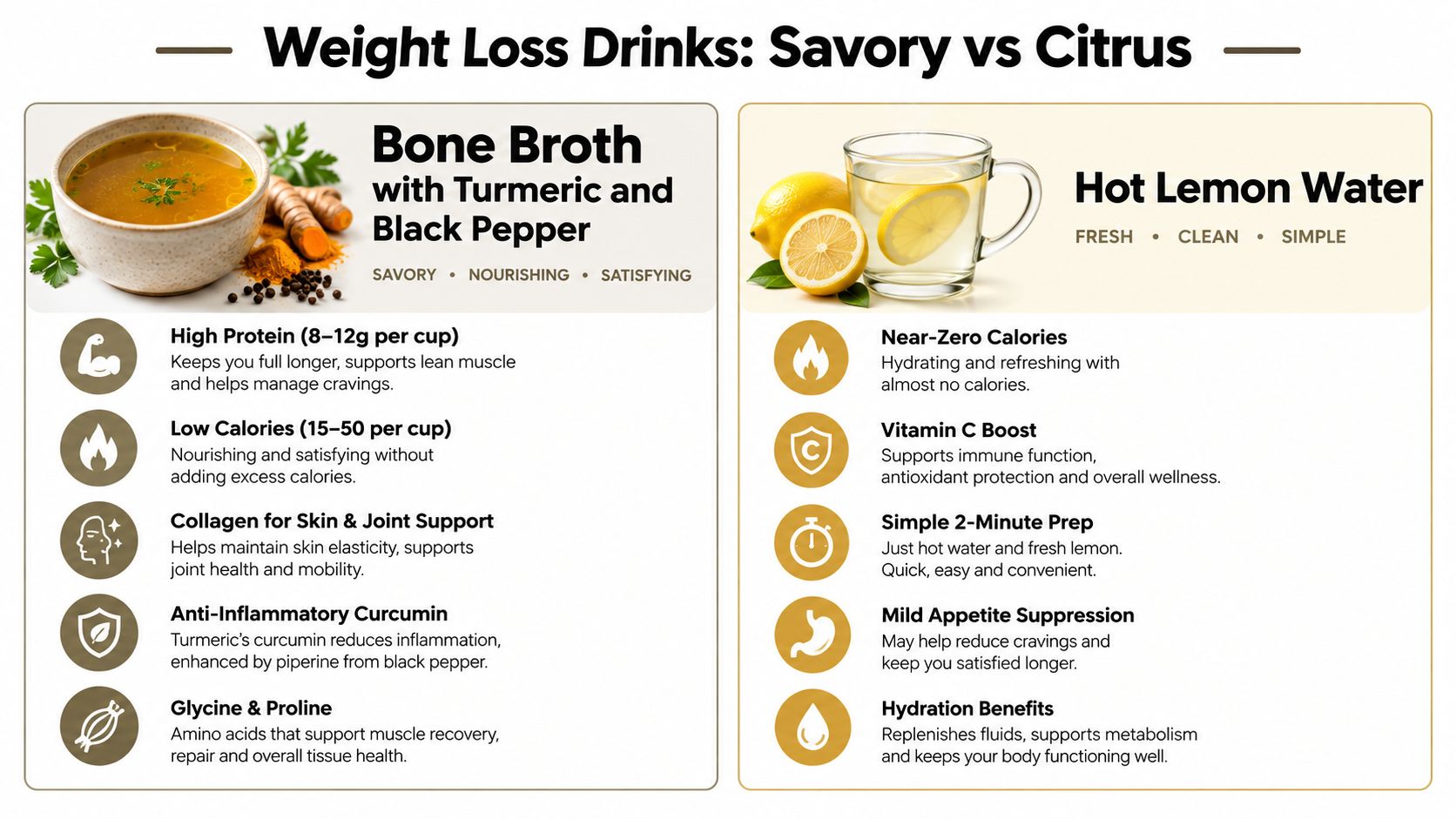
Bone broth is a savory drink that may help someone who wants warmth, saltiness, or a small protein-containing option between meals. Its weight-loss role is limited by its nutrition label. Homemade and commercial broths vary widely in protein, sodium, and calories, so the assumption that every cup is high-protein or low-calorie isn't reliable without checking the package or recipe.
Turmeric and black pepper add flavor, but the verified data here doesn't establish that this combination causes meaningful weight loss. The same applies to broad claims about joint recovery, gut repair, or inflammation reduction. A person may enjoy bone broth as part of a balanced diet, but enjoyment and routine are different from clinical proof.
Treat sodium as part of the decision
Someone replacing chips or a creamy snack with a measured cup of broth may find it satisfying. Someone drinking several cups on top of meals may add substantial sodium without noticing. Choose a lower-sodium option when appropriate and avoid treating broth as a complete meal unless it contains enough nutrition to meet that role.
Bone broth can suit a savory preference better than sweet smoothies. It doesn't suit people who follow vegan diets or who need to limit certain ingredients. If inflammation is a broader concern, coordinate meals rather than relying on a single drink through an anti-inflammatory meal plan.
Top 10 Weight-Loss Drinks Comparison
| Beverage | 🔄 Implementation complexity | ⚡ Resource & time requirements | 📊 Expected outcomes (effectiveness) | 💡 Ideal use cases | ⭐ Key advantages |
|---|---|---|---|---|---|
| Green Tea with Lemon and Ginger | Low, simple steeping and fresh prep | Minimal cost; kettle, tea, lemon, ginger; brew 3–5 min | Modest ↑ metabolism & fat oxidation; appetite suppression; evidence-backed (⭐⭐⭐) | Pre-workout, pre-meal appetite control, daily low-calorie option | Natural, low-calorie, digestion & immunity support |
| Apple Cider Vinegar (ACV) Detox Drink | Low, mix and dilute before use | Very cheap; raw ACV, water, optional honey; no special equipment | Improves insulin sensitivity; slows gastric emptying; gradual weight effects (⭐⭐⭐) | Blood-sugar management, pre-meal appetite control, keto/low‑carb routines | Affordable, long shelf-life, probiotic benefits (raw ACV) |
| Protein Smoothie with Greek Yogurt and Berries | Medium, blending required | Blender, Greek yogurt, berries, milk; fresh/frozen ingredients | High satiety; preserves lean mass; higher calorie (150–300 kcal); effective when calorie-controlled (⭐⭐⭐⭐) | Meal replacement, post-workout recovery, busy mornings | High protein, customizable, quick to prepare |
| Matcha Green Tea Latte | Medium, whisking technique and higher-quality matcha | Matcha powder, whisk (chasen preferred), milk; higher ingredient cost | Concentrated EGCG + L‑theanine for sustained energy and antioxidant load (⭐⭐⭐⭐) | Cognitive focus, sustained-energy pre-workout, wellness routines | Superior antioxidant profile; smooth sustained energy |
| Cucumber and Mint Infused Water | Low, slice and steep 2–4 hours | Minimal cost; pitcher, cucumber, mint; batch prep | Zero-calorie hydration; increases water intake and mild satiety (⭐⭐) | Hydration-focused programs, replacing sugary drinks, all-day sipping | Encourages compliance with water intake; refreshing, zero calories |
| Kombucha Probiotic Tea | Medium–High, careful fermentation for homemade; easy if store-bought | SCOBY & sugar for brewing or purchase; refrigeration; moderate cost | Supports gut microbiome and digestion; may reduce cravings; sugar varies (⭐⭐⭐) | Gut-health focus, soda replacement, digestive comfort | Live probiotics, natural carbonation, digestive support |
| Cayenne Pepper and Lemon Detox Drink | Low, stir and serve warm | Minimal cost; cayenne, lemon, warm water; immediate prep | Short-term thermogenic boost (≈5–10%) and appetite suppression; effects transient (⭐⭐) | Pre-meal appetite suppression, short-term thermogenesis, DIY detox trends | Extremely inexpensive, rapid appetite reduction |
| Protein-Infused Coffee (Black or with Almond Milk) | Low, mix powder into coffee; blending improves texture | Coffee, collagen/whey powder, optional almond milk; frother/blender helpful | Combines caffeine boost + protein TEF; preserves muscle; calorie range variable (⭐⭐⭐) | Intermittent fasting, morning quick meal replacement, busy professionals | Easy routine integration; caffeine + protein synergy |
| Commercial Meal Replacement Shakes (Huel, Soylent, SlimFast) | Low, ready-to-drink or powder mixing | Purchased product (higher cost per serving); precise portions | Predictable calorie & nutrient control; can accelerate weight loss when used properly (⭐⭐⭐⭐) | Structured weight-loss plans, busy schedules, corporate wellness | Precise macros & micronutrients; convenient and consistent |
| Bone Broth with Turmeric and Black Pepper | High, long simmer (12–24 hrs) and batch prep | Bones, long cook time, stove/slow-cooker; moderate cost | Low-calorie protein (8–12g/cup); anti-inflammatory benefits; supports recovery (⭐⭐⭐) | Gut health, post-exercise recovery, low-calorie savory option | Collagen-rich, satiating protein, anti-inflammatory with turmeric+piperine |
Which weight loss drink fits your routine?
Choose the drink by the problem you're trying to solve. If the problem is sugary beverages, cucumber and mint water or unsweetened green tea usually makes more sense than a “detox” blend. If the problem is hunger or inadequate protein, a Greek yogurt smoothie or protein coffee has a clearer role. If the problem is an unpredictable lunch, a measured meal replacement can provide more control than a drink chosen for its marketing.
The strongest evidence across beverage research supports replacement and calorie control, not dramatic metabolism changes. In the PREMIER trial, reducing liquid calorie intake was associated with 0.25 kg of weight loss at 6 months and 0.24 kg at 18 months. Cutting one serving of sugar-sweetened beverages was associated with 0.5 kg at 6 months and 0.7 kg at 18 months (the PREMIER trial analysis). Those results are useful precisely because they're modest. They show why a drink can matter without becoming a miracle product.
A 2024 trial synthesis also found that low- or no-calorie sweetened beverages had modest weight differences compared with several alternatives, while a separate long-term trial found no significant difference between water and non-nutritive sweetened beverages. The practical conclusion is not that diet drinks are universally good or bad. It is that their value depends on whether they reduce total calorie intake and whether water would work better for you.
Use this decision guide
Frequently asked questions
Do drinks alone cause weight loss?
No. Drinks can support weight loss when they replace higher-calorie beverages, improve meal structure, or help you meet protein needs, but no beverage reliably creates substantial weight loss by itself.
Which options contain protein?
Greek yogurt smoothies, protein-infused coffee, commercial meal replacements, and some bone broths can contain protein. The amount depends on the recipe or label, so check the serving size rather than relying on the product name.
Do detox drinks remove fat or toxins?
There is no verified basis here for claiming that lemon, cayenne, vinegar, or infused water “detoxes” the body or removes body fat. Their practical value is usually flavor, hydration, or replacement of a higher-calorie drink.
How can you avoid hidden sugar?
Choose unsweetened tea and water, inspect kombucha and smoothie labels, and account for honey, syrups, sweetened milk, flavored yogurt, and commercial creamers. A drink marketed as natural can still contribute substantial sugar.
Does caffeine timing matter?
Yes. Green tea, matcha, and coffee can affect sleep or cause stimulation in sensitive people. Use them at a time that doesn't interfere with sleep, and don't rely on appetite suppression to replace adequate meals.
When is a meal replacement useful?
It's useful when a predictable, measured meal helps you avoid an unplanned high-calorie option, especially during a busy workday. It should fit a broader eating pattern rather than replace all whole-food meals by default.
How should drinks fit a GLP-1 eating pattern?
When appetite is low, the priority may shift toward hydration and adequate protein rather than fat-burning claims. People using appetite-suppressing medication should discuss protein, fluid, and supplement choices with their healthcare team.
Select one beverage replacement this week, record its calories and serving size, and observe whether it reduces a higher-calorie choice. Then use AI Meal Planner's onboarding to align drinks with weekly meals, macros, dietary preferences, allergies, and grocery planning.
AI Meal Planner creates personalized weekly meal plans and organized grocery lists around your goals, preferences, allergies, and macro needs. Use it to coordinate protein drinks, meal replacements, and low-calorie beverage swaps with practical recipes and a shopping plan by visiting AI Meal Planner.
AI-powered nutrition
Get Your Personalized Meal Plan
AI creates the perfect meals for your goals, lifestyle, and taste.
Start Your Journej