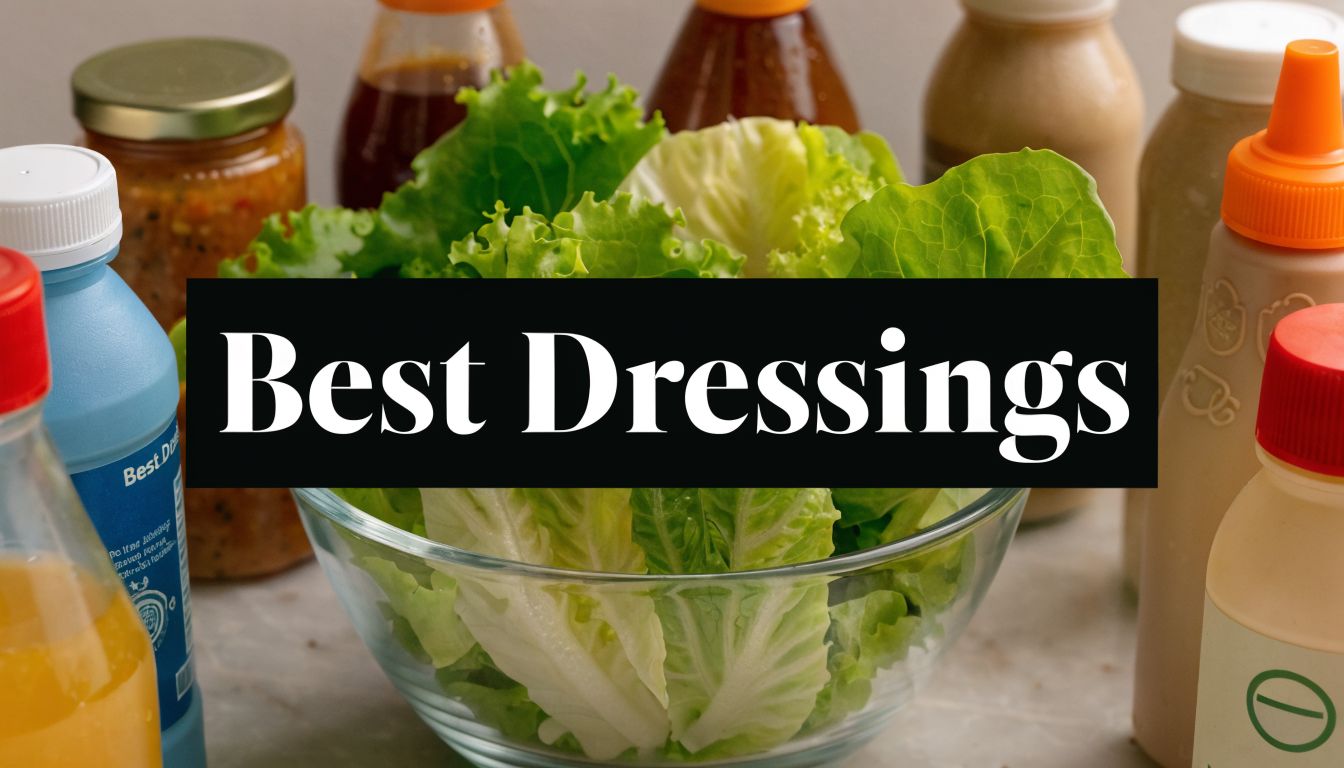
Choosing the best store bought salad dressing usually means choosing a vinaigrette with a short ingredient list, low added sugar, and moderate sodium instead of a creamy bottle loaded with extra calories. Strong picks for specific goals include Annie’s Organic Balsamic Vinaigrette for overall balance, Bragg Organic Oil-Free Vinaigrette for very low calories, Organicville No Added Salt Italian Vinaigrette for lower sodium, and Whole Foods Organic Herbs De Provence Vinaigrette for no added sugar.
You build a solid salad, add greens, vegetables, maybe some beans or grilled chicken, and then the bottle in your hand decides whether that meal still fits your goals. That’s the part many people miss.
Most “best store bought salad dressing” lists stop at taste. That’s not enough if you’re trying to lose weight, manage blood sugar, keep sodium in check, or stay consistent with a structured eating plan. The better question in the grocery aisle is simple: Which dressing gives you the most flavor for the least nutritional damage?
What is the best store bought salad dressing for a healthy diet?
If you want one practical answer, start with Annie’s Organic Balsamic Vinaigrette. It’s a smart default because it lands in the lighter vinaigrette category and is cited at around 80 calories per serving with minimal sugar in expert healthy-pick rankings. If your priority is a different nutrition target, other standouts include Bragg Organic Oil-Free Vinaigrette for very low calories, Organicville No Added Salt Italian Vinaigrette for lower sodium, and Bolthouse Farms Cilantro Avocado Yogurt Dressing if you want a creamy texture with a lighter profile.
Here’s the fast grocery-aisle version:
| Goal | Best pick | Why it stands out |
|---|---|---|
| Best overall healthy choice | Annie’s Organic Balsamic Vinaigrette | Balanced vinaigrette profile with lighter calories and minimal sugar |
| Best for low calories | Bragg Organic Oil-Free Vinaigrette | Very light option for salads where calories add up fast |
| Best for lower sodium | Organicville No Added Salt Italian Vinaigrette | Better fit when blood pressure or sodium control matters |
| Best creamy option with better nutrition | Bolthouse Farms Cilantro Avocado Yogurt Dressing | Creamy feel without the usual heavy profile |
| Best for no added sugar | Whole Foods Organic Herbs De Provence Vinaigrette | Useful when you want cleaner macro tracking |
A lot of shoppers end up comparing ranch against Caesar, when the smarter move is often comparing creamy versus vinaigrette first. That single choice usually matters more than the flavor label on the front.
If you also like using dressings beyond salad, this roundup of sugar free wing sauces and marinades is useful because the same label-reading habits apply to marinades and dipping sauces too.
For people who eat in a more structured pattern, a Mediterranean-style approach tends to make dressing decisions easier because vinaigrettes fit naturally with vegetables, legumes, fish, and grain bowls. That’s one reason many people do well with a Mediterranean meal plan built around simple dressings instead of creamy ones.
Practical rule: If you’re deciding between a creamy bottle and a vinaigrette, the vinaigrette is usually the safer everyday choice.
Why Your Salad Dressing Choice Matters More Than You Think
Many salads are healthy until the dressing goes on. That isn’t diet-culture exaggeration. It’s basic math.
A standard two-tablespoon serving of many creamy store-bought dressings can contain nearly 200 calories and up to two teaspoons of added sugar, while healthier vinaigrette options typically range from 50 to 100 calories with minimal to no added sugar, according to Eat This, Not That’s healthy salad dressing review.

That gap matters because dressing is concentrated. You’re not pouring it over a burger or pasta bake. You’re often putting it on greens, cucumbers, tomatoes, and other foods that are naturally light. The dressing can become the heaviest part of the plate in just a few seconds.
What usually goes wrong with creamy dressings
Creamy dressings such as ranch, Caesar, and blue cheese often bring several issues at once:
- Higher calorie density because they rely more heavily on fat-rich ingredients
- More added sugar than people expect from a savory product
- More sodium packed into a small serving
- Faster portion creep because creamy dressings cling well and taste rich, which makes overpouring easy
That’s why many dietitians steer clients toward vinaigrettes as an everyday default instead of an occasional swap.
Why vinaigrettes tend to work better
Vinaigrettes aren’t automatically healthy, but they’re easier to fit into a meal plan. They usually have a cleaner ingredient profile, a lighter calorie load, and a sharper flavor that helps a smaller portion feel satisfying.
A basic salad can stay a light meal when the dressing supports it instead of overpowering it. That matters whether your goal is weight loss, blood sugar stability, heart health, or avoiding the feeling that your “healthy lunch” somehow turned into a calorie bomb.
If you need more personalized guidance around how condiments fit your broader eating pattern, working through a structured tool like an AI nutritionist can help you spot the hidden extras that add up across the day.
A healthy salad isn’t defined by the greens alone. The bottle you choose determines whether the meal stays light, balanced, and useful for your goals.
How to Decode Any Salad Dressing Label in 30 Seconds
You don’t need to memorize every brand. You need a repeatable screen. When I review dressings with clients, I use a fast three-part check: nutrition panel, ingredient order, and flavor structure.
Start with the nutrition panel
Turn the bottle around first. Ignore the front label until you’ve checked serving size, calories, sodium, and added sugar.
A dressing can look “clean” on the front and still be a poor fit for your goals if the serving is small and the sodium or sugar is doing too much work. This matters most for people trying to control portions without tracking every bite.
Use this quick checklist:
Calories first
If the number is high for a small serving, ask whether that dressing is worth spending part of your meal budget on.Then sodium Many bottles disappoint on sodium, especially creamy classics and heavily seasoned options.
Then added sugar
Savory dressings often sneak in sweetness to smooth out acidity and preserve mass appeal.
Red flag: If a dressing seems like it should taste tangy or herb-forward but added sugar appears to be doing the heavy lifting, it usually won’t support a lower-sugar eating pattern very well.
Check the first few ingredients
The first ingredients tell you what the bottle is built on. For vinaigrettes, Consumer Reports noted that top-performing options often feature a classic oil-to-vinegar ratio of approximately 3:1 by volume and use higher-quality acids like balsamic, which correlates with better flavor scores and lower added sugar in their 2014 bottled dressing taste test.
That matters because a good dressing shouldn’t need a lot of sweetener or flavor masking.
Look for signs that the formula is straightforward:
- A recognizable acid source like balsamic
- An oil that fits your preferences such as avocado or olive oil
- Seasonings and herbs that sound like food, not just stabilizers
- A shorter ingredient list when possible
If you cook beyond Western-style salads, understanding vinegar styles helps here too. This culinary guide for Japanese product lovers is helpful for seeing how different acidic ingredients change sweetness and balance, which is useful when a bottle tastes oddly sugary.
Judge whether it fits your actual eating pattern
Some dressings are fine in isolation but awkward in a real weekly routine. A bottle might taste good once, then sit in the fridge because it only works on one kind of salad.
That’s why I tell people to ask three practical questions:
- Will you use it on more than one meal type?
- Does it match your dietary pattern, such as lower sodium or lower sugar?
- Can you measure it easily without guessing?
If sodium is one of your priorities, it helps to build your meals around a low-sodium meal plan so the dressing doesn’t become the saltiest thing you eat that day.
A good bottle earns its place when it works on salads, grain bowls, roasted vegetables, and simple proteins. Versatility is part of nutrition success because you’re more likely to use what you buy.
The Best Store Bought Dressings of 2026 Ranked
The best store bought salad dressing isn’t one universal bottle. It depends on what you need the dressing to do. Some people want the lightest option possible. Others need a creamy texture that won’t wreck their macro budget. Some want clean ingredients and no added sugar.
Here are the strongest picks based on overall nutritional efficiency, ingredient quality, and how usable they are in a normal meal routine.

Quick comparison table
| Rank category | Pick | Best for | What to know |
|---|---|---|---|
| Best overall | Annie’s Organic Balsamic Vinaigrette | Everyday healthy use | Strong default for people who want a lighter vinaigrette |
| Best low-calorie | Bragg Organic Oil-Free Vinaigrette | Weight management | Very light and easy to fit into a calorie-conscious plan |
| Best creamy healthy option | Bolthouse Farms Cilantro Avocado Yogurt Dressing | Creamy texture with a lighter feel | Better compromise than traditional ranch-style bottles |
| Best low-sodium | Organicville No Added Salt Italian Vinaigrette | Heart-conscious shoppers | Easier fit when sodium is a concern |
| Best low-sugar | Whole Foods Organic Herbs De Provence Vinaigrette | Lower-sugar eating patterns | Useful for cleaner tracking |
| Best clean-ingredient creamy pick | Primal Kitchen Green Goddess | Paleo-style or avocado oil preference | Recent blind taste tests favor it for ingredient quality |
| Best keto-friendly style pick | Tessemae’s Organic Italian | Lower-sugar, higher-fat approach | Often favored by shoppers who want simple macro alignment |
Best overall for most people
Annie’s Organic Balsamic Vinaigrette gets the nod because it solves the biggest problem in this category. It gives you a dressing that feels complete without forcing you into the usual creamy-dressing trade-off.
It’s the bottle I’d point most clients toward first if they wanted one broadly useful option for work lunches, side salads, and grain bowls.
Best if your main goal is calorie control
Bragg Organic Oil-Free Vinaigrette stands out because it keeps the calorie load very low while still giving enough flavor to make vegetables easier to eat consistently. For people trying to lose weight, that’s a real advantage. You don’t need a dressing that tastes “healthy.” You need one you’ll regularly use in measured portions.
Best creamy option that still makes nutritional sense
Bolthouse Farms Cilantro Avocado Yogurt Dressing is a better answer for shoppers who know they don’t enjoy thin vinaigrettes. Rigid advice fails when it ignores such preferences. If someone hates vinaigrette and goes back to heavy ranch every time, the “perfect” recommendation didn’t help.
A yogurt-based creamy dressing can be a practical compromise.
If you prefer creamy dressings, choose the lightest creamy option you genuinely like. Compliance beats perfection.
Best for low sugar and cleaner macro tracking
Whole Foods Organic Herbs De Provence Vinaigrette works well when you want the dressing to stay out of the way nutritionally. That makes it useful for people tracking carbs closely or trying to avoid hidden sweetness in savory foods.
Best for low sodium needs
Organicville No Added Salt Italian Vinaigrette is the bottle to look for when sodium is the issue that changes everything. If you’re already eating packaged foods elsewhere in the day, your dressing shouldn’t add another concentrated hit.
Best clean-ingredient names to watch
Recent blind taste tests highlighted Primal Kitchen and Tessemae’s as consistent standouts for clean ingredients and flavor, often with 0g sugar and avocado oil, while mass-market brands like Kraft and Hidden Valley ranked lower because of high-fructose corn syrup and higher sodium in Sporked’s best salad dressing rankings.
That doesn’t mean every bottle from those brands will fit every goal. It does mean they’re worth checking first if your priorities are ingredient quality and a lower-sugar profile.
Which picks usually underperform
The most common misses are still familiar names. Mass-market creamy bottles often rely on sweetness, salt, and a heavier mouthfeel rather than ingredient quality. They can taste comforting, but they’re harder to portion well and harder to use frequently if you care about calories, sugar, or sodium.
A Closer Look at Our Top All-Around Healthy Pick
Bragg Organic Oil-Free Vinaigrette is the kind of bottle I like because it solves a real-world problem. It gives you flavor without forcing you to “save room” for dressing the way you often have to with richer creamy options.

One reason it stands out is straightforward portion control. Top-ranked healthy options like Bragg Organic Oil-Free Vinaigrette contain fewer than 50 calories per serving and are often fortified with beneficial ingredients like probiotics, which makes them a practical option for weight management and gut-health-minded shoppers.
Why this bottle works in real kitchens
A lot of healthy dressings fail because they’re technically light but taste flat. Bragg’s profile tends to work better when you want acidity to brighten food rather than coat it heavily.
That makes it more versatile than many people expect. I’d use it in at least three ways:
- On a lunch salad with beans or chicken because the lighter texture doesn’t smother the rest of the ingredients
- As a quick marinade for simple proteins when you want acid and seasoning without extra heaviness
- Over roasted vegetables or grain salads when leftovers need a fast flavor reset
Where it fits and where it doesn’t
This isn’t the bottle for someone who wants a rich Caesar-style experience. It’s for someone who wants their dressing to support the meal, not dominate it.
That’s a big difference. If your priority is satiety through richness and creaminess, you’ll probably prefer a yogurt-based or avocado-oil-based option. If your priority is keeping meals lighter and easier to repeat across the week, this kind of vinaigrette is much more useful.
For a quick visual on how to use lighter dressings with more confidence, this short video is worth a look.
The best healthy dressing is often the one you can use four different ways before the bottle expires.
How to Integrate Dressings Into Your Weekly Meal Plan
A dressing can be nutritionally reasonable and still throw off your week if you don’t account for it. People then get frustrated. They log the chicken, greens, grains, and vegetables, then free-pour the dressing and wonder why the meal feels harder to manage.

A large salad of mixed greens, cucumber, and tomato is only about 20 to 50 calories, which means the dressing choice can account for 70 to 90 percent of the final calorie count, making it the most important part to manage for weight-loss-focused meals.
A simple weekly system that works
Use one dressing as your default and one as your “weekend” or variety bottle. That keeps your grocery list tight and makes meals easier to repeat.
Try this routine:
Pick your default bottle
Choose one vinaigrette you’ll use on salads, bowls, and vegetables most days.Measure the first few servings
Even if you don’t track forever, measuring for a week resets your eye.Assign dressings to meal types
For example, use balsamic-style vinaigrette for lunch salads and a creamier option for wraps or dinner bowls.Put it on the grocery list intentionally
Don’t let dressing become an impulse buy that sits in the fridge half-used.
What this looks like in practice
A clean meal plan works better when ingredients repeat across the week. A vinaigrette can cover a salad, a grain bowl, roasted vegetables, and a quick protein marinade. That saves time and reduces waste.
If you like meals built around whole ingredients and simple repeats, a clean eating meal plan is a good model because it naturally rewards versatile condiments rather than novelty purchases.
The main habit to build
Treat dressing like any other ingredient, not like a garnish that doesn’t count. Once you do that, choosing the best store bought salad dressing becomes less about marketing and more about whether the bottle earns its place in your week.
Frequently Asked Questions About Healthy Salad Dressings
Are light or fat-free dressings actually healthier?
Sometimes, but not automatically. They can lower calories, yet some make up for lost richness with more sugar, sodium, or a less satisfying texture that leads to overuse.
Is vinaigrette always better than ranch?
For everyday use, usually yes. Vinaigrettes are typically easier to fit into a healthy meal pattern, especially if you want lower calories and less added sugar.
What’s the best store bought salad dressing for weight loss?
A lighter vinaigrette is usually the strongest starting point. Bragg Organic Oil-Free Vinaigrette is a practical option if keeping calories low is your top priority.
What’s the best creamy dressing that still fits a healthy diet?
A yogurt-based option is often the best compromise. Bolthouse Farms Cilantro Avocado Yogurt Dressing is a good example for people who want creaminess without going back to a heavier classic ranch.
Can keto eaters use store-bought salad dressing?
Yes, but they need to read labels carefully. Lower-sugar options built around oils like avocado oil tend to fit better than sweetened mass-market dressings.
How long does an opened bottle of vinaigrette last?
Follow the label and storage directions on the bottle. In practice, the best approach is to buy a dressing you’ll use regularly enough that it doesn’t sit forgotten in the refrigerator.
Is it cheaper to make your own dressing?
Often it can be, especially if you already keep oil, vinegar, and seasonings at home. Store-bought wins when convenience, consistency, and fast weekday use matter more than saving a little money.
If you want your meals, macros, and grocery list organized without having to manually piece everything together, AI Meal Planner is a practical next step. It helps you build personalized weekly meal plans around your goals and food preferences, so choices like salad dressing align with the rest of your week instead of becoming an afterthought.
AI-powered nutrition
Get Your Personalized Meal Plan
AI creates the perfect meals for your goals, lifestyle, and taste.
Start Your Journej