Sunday night is usually where meal prep either gets easier for the week or falls apart by Tuesday. The difference is rarely motivation. It is meal structure.
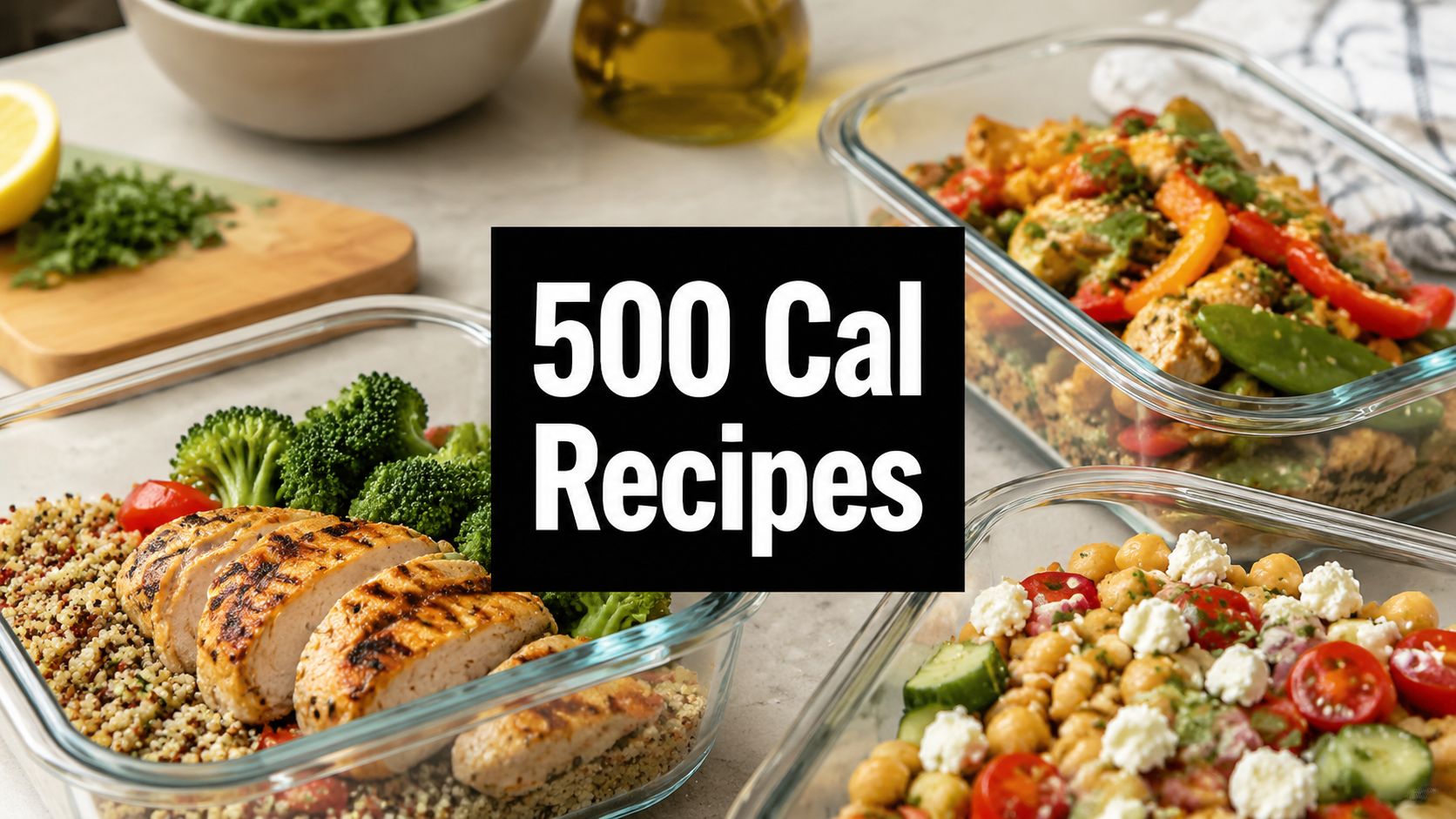
The best 500 calorie recipes give you enough protein to stay full, enough fiber and volume to keep portions satisfying, and enough flexibility to repeat the format without feeling stuck eating the same plate every day. Meals like chicken with quinoa and vegetables, salmon with sweet potato, turkey chili, and Greek yogurt parfaits work well because they hold up in the fridge, portion cleanly, and fit fat loss, maintenance, or training-focused macros with small adjustments.
A 500-calorie meal only helps if it works in real life. That means it needs to reheat well, survive batch cooking, and make sense inside your schedule. A bowl that looks good in a recipe photo but turns soggy by day three is not a useful meal prep option.
That distinction is important because the calorie target is only one part of the system. The better approach is to build a short rotation of meals you can batch cook, log once, and repeat with minor swaps. This is also where an AI workflow becomes practical. Tools that organize portions, ingredients, and repeat meals can cut decision fatigue and make shopping and tracking faster. If your goal is higher satiety and better macro control, a high-protein meal plan for structured weekly prep fits this style well.
If you are trying to lose fat, pair these meals with effective calorie deficit strategies so the recipes support a full nutrition plan instead of acting as isolated meal ideas.
1. Grilled Chicken Breast with Quinoa and Roasted Vegetables
This is the standard for a reason. It's simple, high in protein, easy to batch cook, and hard to mess up once you learn your portions.
A reliable version uses 150g grilled chicken breast, 1/2 cup cooked quinoa, and 2 cups roasted vegetables such as broccoli, zucchini, and bell peppers. That lands around 500 calories and gives you a meal that works for lunch, dinner, or post-workout recovery.
Why this one works so well
Chicken gives you the anchor. Quinoa adds enough carbohydrate to keep the meal from feeling flat, and the vegetables add volume so the plate looks substantial instead of restrictive.
The biggest mistake people make is underseasoning it, then blaming the meal. Plain chicken, dry quinoa, and bland vegetables won't hold up for four days in the fridge. Lemon juice, garlic, smoked paprika, black pepper, and herbs fix that fast without pushing calories up much.
Practical rule: Build 500 calorie recipes around protein first, then add carbs and fats intentionally. Don't reverse that order.
For macro-focused meal prep, this is one of the easiest templates to repeat with small changes. Swap quinoa for brown rice, sweet potato, or cauliflower rice depending on the day and your training load. If you want more ideas built around this same structure, the high-protein meal plan approach is a natural fit.
Best prep method for busy weeks
Cook the chicken in bulk and portion it immediately. Don't leave a large cooked batch in one container and guess later. Portioning while you pack saves time and keeps your calories more consistent.
A few practical upgrades make this meal much better:
- Marinate: Lemon, herbs, garlic, and a little salt give chicken more flavor without turning it into a sauce-heavy dish.
- Roast vegetables hard: Slight browning adds far more flavor than steaming.
- Pack lemon wedges separately: A squeeze right before eating freshens leftovers.
- Keep textures distinct: Store wet ingredients away from roasted vegetables when possible.
This is one of the best 500 calorie recipes if your main goal is consistency. It's not flashy. It just works.
2. Salmon with Sweet Potato and Asparagus

If chicken and quinoa is the default workhorse meal, salmon and sweet potato is the upgrade when you want more flavor and better meal satisfaction. A practical serving is 120g baked salmon, 150g roasted sweet potato, 150g asparagus, and 1 teaspoon olive oil.
This meal feels more substantial than the calorie count suggests because salmon carries more richness than very lean proteins. That makes it useful for people who struggle with “diet food fatigue.”
Where people get this wrong
They add too much oil or glaze. Salmon already brings flavor and natural fat, so it doesn't need butter, sugary sauces, or a heavy marinade.
Bake it skin-side down, season it with dill, lemon, black pepper, and garlic, and let the fish do the work. Roast the sweet potato separately so it gets caramelized instead of soggy. Steam or roast the asparagus until just tender. Overcooked asparagus can ruin the whole plate.
Salmon is one of the few 500 calorie recipes that feels restaurant-level with very little effort, if you keep the seasoning clean.
This is also an easy meal to rotate into a calorie deficit meal plan because it satisfies hunger well without relying on oversized portions.
How to batch this without drying out the fish
Fish meal prep can go wrong fast. The fix is to slightly undercook the salmon if you know you'll reheat it later. Reheating finishes the job.
Use these rules:
- Roast sweet potatoes ahead: They reheat well and save most of the active cooking time.
- Cook fish in smaller fillets: Smaller pieces reheat more evenly than one large slab.
- Store lemon separately: It brightens leftovers and cuts the “day-two fish” taste.
- Alternate with other fish: If you prep several seafood meals weekly, rotating types helps avoid flavor burnout.
For people who want 500 calorie recipes that don't feel repetitive, this is usually one of the first meals worth adding.
3. Turkey and Bean Chili with Vegetables
Some meals are built for convenience. Turkey chili is built for survival during a busy week.
A solid batch starts with lean ground turkey, black beans, tomatoes, peppers, onions, garlic, and chili spices. It's hearty, easy to portion, and one of the few 500 calorie recipes that often tastes better the next day.
Why chili is such a strong meal prep option
This meal works because it solves three problems at once. It gives you protein, fiber, and volume in a single container. That means less assembling, fewer side dishes, and fewer chances to overshoot your calorie target.
Beans do a lot of work here. They make the bowl more filling and stretch the meal without turning it into a low-protein soup. Turkey keeps it lighter than beef while still giving the chili enough body.
The trade-off to manage
Chili can drift above 500 calories fast if you free-pour oil, pile on cheese, or treat toppings as an afterthought. If you want the meal to stay in range, keep the base simple and choose toppings carefully.
Try these practical adjustments:
- Toast the spices first: A quick toast of cumin and chili powder deepens the flavor without extra calories.
- Use Greek yogurt instead of sour cream: You keep the creamy finish without a heavy add-on.
- Add lime and cilantro after cooking: That freshens a reheated bowl more than extra salt does.
- Portion while warm: Thick chili is easier to divide accurately before it fully cools.
This is one of the best 500 calorie recipes for people who don't want to cook every day. Make one pot, divide it, and your lunches are handled.
A good chili doesn't need much garnish. If the base tastes flat, fix the pot, not the topping.
It also works well in an AI meal planning workflow because ingredient swaps are straightforward. Ground chicken, different beans, extra peppers, or a plant-based mince can all fit the same structure with minimal planning friction.
4. Mediterranean Chickpea Salad with Feta and Olive Oil Dressing

A cold lunch needs enough structure to hold up for hours and enough substance to count as a real meal. This salad does both. Chickpeas bring fiber and staying power, feta gives you a strong flavor return for a small portion, and olive oil keeps the meal satisfying instead of dry.
A practical version uses cooked chickpeas, mixed greens, cucumber, tomato, red onion, feta, and a measured olive oil dressing. Keep the oil and cheese under control and the salad stays close to the 500-calorie mark without feeling stripped down.
Why this works for meal prep
This recipe solves a common meal prep problem. Some grab-and-go salads look healthy but leave people hungry an hour later. Here, the calorie budget is doing real work because it is spread across fiber, fat, water-rich vegetables, and enough salt and acid to keep the meal interesting after day two.
It also fits well into a repeatable planning system. If you use a Mediterranean meal plan, this is the kind of lunch you can batch once, log once, and rotate with small ingredient swaps like white beans, olives, herbs, or chopped peppers.
How to prep it without ruining the texture
The main trade-off is freshness versus convenience. If you toss everything together on Sunday, the vegetables soften, the greens wilt, and the dressing pools at the bottom.
Use this setup instead:
- Portion chickpeas first: They form the base and make calorie tracking easier across containers.
- Keep wet ingredients in the middle: Cucumber and tomato stay better when they are not pressed directly against delicate greens.
- Pack feta separately or add it the night before: That keeps its texture firmer and helps you control the portion.
- Dress right before eating: One tablespoon of olive oil plus acid from lemon or vinegar usually gives enough flavor without overshooting calories.
- Add a protein hook if needed: For a higher-protein day, this salad pairs well with grilled chicken or a side of Greek yogurt without changing the overall prep method.
This is one of the more useful 500 calorie recipes for office lunches, warmer weather, and meatless meal prep weeks because it asks for very little reheating or last-minute assembly.
5. Egg White Omelet with Spinach, Mushrooms and Whole Grain Toast
This meal is best when you need speed. Eggs cook quickly, vegetables add volume, and toast gives the meal enough structure that it feels like breakfast instead of a snack.
A balanced version uses 4 egg whites, 1 whole egg, spinach, mushrooms, and a slice of whole grain toast with a small spread of almond butter. That combination keeps the meal light but still practical.
What this breakfast does well
It gives you a high-protein start without feeling greasy or heavy. The whole egg improves flavor and texture. The egg whites raise protein without pushing calories too high. Spinach and mushrooms make the plate larger, which matters when you're trying to stay satisfied.
The weak point is dryness. Overcooked eggs become rubbery, especially if you reheat them. Medium heat is the fix. Let the vegetables cook first, then add the eggs, and pull them as soon as they set.
Better ways to use it in a weekly system
This meal is flexible. You can keep it as breakfast, use it for a light lunch, or make it after training when you want something simple.
A few upgrades help:
- Prep vegetables the night before: Morning cooking gets much easier when the mushrooms are already sliced.
- Use fresh herbs: Chives, parsley, or dill add flavor without changing the calorie profile much.
- Keep the toast intentional: Whole grain bread and a measured spread work better than adding random sides later.
- Add fats carefully: Avocado can fit, but it should replace something else, not just pile on top.
Many “500 calorie recipes” for breakfast miss the satiety problem. This one avoids it because it combines protein, fiber, and a little fat instead of relying on fruit alone or a pastry-like “healthy breakfast” that leaves you hungry an hour later.
6. Lean Beef Stir-Fry with Brown Rice and Mixed Vegetables
This is the meal to use when you want something fast, savory, and dinner-like. Lean beef stir-fry feels substantial, but it can still stay around 500 calories if the rice, oil, and sauce are measured.
A practical version uses lean sirloin or tenderloin, 1/2 cup cooked brown rice, a large volume of mixed vegetables, and a measured amount of soy sauce with garlic and ginger.
Why stir-fry works for busy people
It cooks quickly once the prep is done. That last part matters. Stir-fry is easy only if everything is sliced and ready before the pan gets hot.
Beef gives the dish more chew and richness than chicken breast, which helps if your lower-calorie meals start to feel monotonous. Brown rice adds enough carbohydrate for energy, while the vegetables keep the portion generous.
Here's a useful cooking demo for technique and timing:
The details that matter most
This recipe rewards good prep more than almost any other on the list. Slice the beef thinly. Keep the pan hot. Don't crowd it.
- Freeze beef briefly before slicing: Firmer meat is easier to cut thin.
- Cook in stages: Beef first, vegetables second, combine at the end.
- Measure sauce: Soy sauce and oil can turn a lean meal into a heavier one fast.
- Batch-cook rice separately: Weeknight stir-fry should be assembly, not a one-hour project.
This meal is also a good example of why the best 500 calorie recipes aren't always the lowest in fat or carbs. They're the ones you'll keep making because they taste like normal food.
7. Baked Cod with Roasted Cauliflower Rice and Lemon Herb Seasoning
Cod is useful when you want a lighter dinner that still gives you a clear protein anchor. Pairing it with cauliflower rice and green vegetables makes this meal especially effective for lower-carb weeks.
A basic plate uses baked cod, roasted cauliflower rice, lemon, herbs, a measured amount of olive oil, and a side like green beans. It stays light but doesn't feel skimpy if you season it well.
When this recipe works best
Use this one when appetite is lower, when you want a cleaner-feeling dinner, or when you're trying to save more calories for earlier meals. It's also a smart option for people who want 500 calorie recipes that don't rely on grains at every lunch and dinner.
The risk is texture. Cod dries out easily, and cauliflower rice can taste watery if rushed. Pat the fish dry, roast instead of steam the cauliflower rice, and stop cooking the cod as soon as it flakes.
If white fish tastes boring, the problem usually isn't the fish. It's overcooking and weak seasoning.
This meal fits naturally into a low-carb meal plan because the structure is already built around lean protein and high-volume vegetables.
How to keep it satisfying
The answer isn't more sauce. It's better contrast.
Try this:
- Use fresh lemon after baking: It sharpens the whole plate.
- Choose assertive herbs: Dill, parsley, thyme, and black pepper all work well.
- Roast the green vegetables: Better texture means more satisfaction.
- Don't skip oil entirely: A measured amount helps the meal feel finished.
This is one of the best 500 calorie recipes for evenings when you want something lighter than salmon or beef but still structured enough to count as a real meal.
8. Greek Yogurt and Granola Parfait with Berries and Almonds

The morning goes sideways fast. You have five minutes, no pan on the stove, and still need a meal that holds you until lunch. This is one of the few 500 calorie recipes that can solve that without turning into a sugar-heavy snack.
A good parfait is built, not guessed. Use plain Greek yogurt as the protein base, add berries for volume and fiber, measure the granola instead of pouring freely, and finish with almonds for fat and crunch. A little honey can work, but only if the berries are tart and the rest of the meal is still in range.
Why this works in a meal prep system
This recipe earns its place because it is fast, portable, and easy to standardize across the week. You can portion three to four jars in advance, keep the granola separate, and assemble the final layer right before eating so texture stays crisp.
It also fits well into an AI meal planning workflow. Once you lock in your yogurt brand, granola portion, and toppings, AI Meal Planner can reuse that template, adjust calories up or down, and swap ingredients based on training days, hunger levels, or what is left in the fridge. That saves more time than picking a new breakfast every morning.
The trade-off to manage
Parfaits are simple, but they get calorie-dense quickly.
The usual problem is topping drift. A heavy hand with granola, almonds, nut butter, or honey can push this meal well past 500 calories without making it much more filling. In practice, the best version is usually the boring-sounding one. More yogurt, more berries, measured crunch.
Use these rules:
- Start with plain Greek yogurt: It gives you more protein and better control over sweetness.
- Measure granola once: After that, you will know what a real serving looks like.
- Keep almonds modest: They improve satiety, but the portion matters.
- Pack crunchy toppings separately: Better texture makes the meal feel fresher.
- Adjust by goal: Add a little more granola after training. Pull it back on lower-activity days.
For busy mornings, this is one of the highest-return recipes in the whole list. It takes almost no cooking skill, scales well for batch prep, and works best when you treat it like part of a repeatable system instead of a random breakfast bowl.
500-Calorie Meals: 8-Recipe Comparison
| Meal | 🔄 Implementation Complexity | ⚡ Resource Requirements | 📊 Expected Outcomes | ⭐ Key Advantages | 💡 Ideal Use Cases |
|---|---|---|---|---|---|
| Grilled Chicken Breast with Quinoa & Roasted Vegetables | Moderate, ~25 min, basic grill/oven skills | Moderate, common ingredients, quinoa, refrigeration | Balanced macros (~500 kcal; ~45g protein); sustained energy | High protein, satiating, meal‑prep friendly | Muscle gain, post‑workout, weekday meal prep |
| Salmon with Sweet Potato & Asparagus | Low‑Moderate, ~20 min; careful cook to avoid dryness | Higher, costlier fish, oven, quality produce | Heart‑healthy omega‑3s; anti‑inflammatory benefits | Rich EPA/DHA, vitamin D, antioxidant support | Cardiovascular support, brain health, Mediterranean diets |
| Turkey & Bean Chili with Vegetables | Moderate, one‑pot, 30–40 min simmer | Low, economical pantry staples; can use canned beans | High fiber & protein; very filling; blood‑sugar friendly | Very satiating, budget‑friendly, freezer‑friendly | Weight loss, batch cooking, blood sugar control |
| Mediterranean Chickpea Salad with Feta & Olive Oil Dressing | Low, no‑cook assembly (~8 min) | Low‑Moderate, chickpeas, EVOO, fresh produce, feta optional | Anti‑inflammatory, high fiber, plant protein | Quick, vegetarian/vegan adaptable, heart‑healthy | Quick lunches, Mediterranean diet, portable meals |
| Egg White Omelet with Spinach, Mushrooms & Whole Grain Toast | Low, <10 min; basic pan skills | Low, eggs, veggies, toast; pantry staples | High protein, low fat; supports morning satiety | Exceptional protein‑to‑calorie ratio, fast prep | Post‑workout breakfast, intermittent fasting, weight loss mornings |
| Lean Beef Stir‑Fry with Brown Rice & Mixed Vegetables | Moderate, high‑heat stir‑fry technique | Moderate, lean beef (cost), wok/pan, brown rice prep | ~30g protein; iron/B12 rich; muscle support | Bioavailable iron, creatine, versatile flavors | Iron‑deficiency support, muscle building, weeknight dinners |
| Baked Cod with Roasted Cauliflower Rice & Lemon Herb Seasoning | Low, 12–15 min bake; careful timing to avoid dryness | Low‑Moderate, white fish, cauliflower rice, simple seasonings | Very lean protein; low calorie; preserves muscle during deficit | High protein-per-calorie, gentle digestion, keto‑friendly | Cutting phases, sensitive digestion, rapid weight loss |
| Greek Yogurt & Granola Parfait with Berries & Almonds | Very low, ~3 min assembly | Low, yogurt, granola (watch sugar), berries, nuts | ~20g protein; probiotics; antioxidants; quick recovery | Convenient, portable, post‑workout recovery | Busy mornings, on‑the‑go meals, post‑workout snack |
How to Build Your Perfect 500-Calorie Meal Plan
Having a list of reliable 500-calorie recipes is the first step. The next is building them into a consistent, effortless weekly plan that aligns with your specific goals, preferences, and busy schedule. Instead of juggling spreadsheets and manual calculations, you can automate this entire process.
One useful shift is to stop thinking in isolated recipes and start thinking in repeatable meal slots. For example, you might use an egg-based breakfast on workdays, a salad or chili for lunch, and rotate between fish, chicken, and stir-fry dinners. That kind of structure lowers decision fatigue and makes grocery shopping easier.
Another important point is that calorie count alone isn't enough. In health and fitness content across 2024 and 2025, high-protein eating remained one of the most-searched nutrition themes, and many people now want meals that are calorie-controlled but still support fullness and macro targets. That's a better standard for choosing 500 calorie recipes. A meal that technically fits the number but leaves you hungry an hour later won't help much.
That's also why broad inspiration roundups often only solve part of the problem. Pages such as PureWow's roundup of meals under 500 calories can be useful for ideas, but they usually emphasize the calorie ceiling more than protein density, fiber, or repeatability. In real meal prep, those trade-offs matter more than novelty.
A practical weekly system usually includes these pieces:
- Repeatable anchors: Keep 2 or 3 meals you know you'll eat every week.
- One batch-cooked lunch: Chili, chicken bowls, or chickpea salad reduce weekday friction.
- One fast backup meal: Greek yogurt parfaits or omelets help when dinner plans fail.
- Flexible swaps: Change the carb, vegetable, or seasoning before replacing the whole meal.
- A planning tool: Logging ingredients, portions, and grocery needs is easier when the process is centralized.
The AI Meal Planner takes these exact types of recipes and builds a personalized plan for you in seconds. It automatically calculates your daily calorie and macro needs, generates a smart grocery list to minimize food waste, and lets you swap meals with a single click. Stop guessing and start executing a perfect plan, every week. Ready to make healthy eating effortless? Get started with your personalized plan today:
Get started with AI Meal Planner onboarding
If you're planning for more than one person, the logistics get harder fast. That's where systems matter even more, and Everblog's guide for parents on meal prep for large families offers a useful lens on batching, leftovers, and reducing prep friction.
The best 500 calorie recipes aren't the most creative ones. They're the meals you can repeat, adjust, prep ahead, and trust. Build around that, and healthy eating gets much easier.
If you want your 500 calorie recipes turned into a personalized weekly system with calories, macros, swaps, and grocery lists already organized, try AI Meal Planner.
AI-powered nutrition
Get Your Personalized Meal Plan
AI creates the perfect meals for your goals, lifestyle, and taste.
Start Your Journej