Breakfast can look simple and still be tricky to log. If you're staring at a plate of scrambled eggs and wondering whether to enter 140 calories or something much higher, the answer usually comes down to what went into the pan.
How Many Calories Are in 2 Scrambled Eggs?
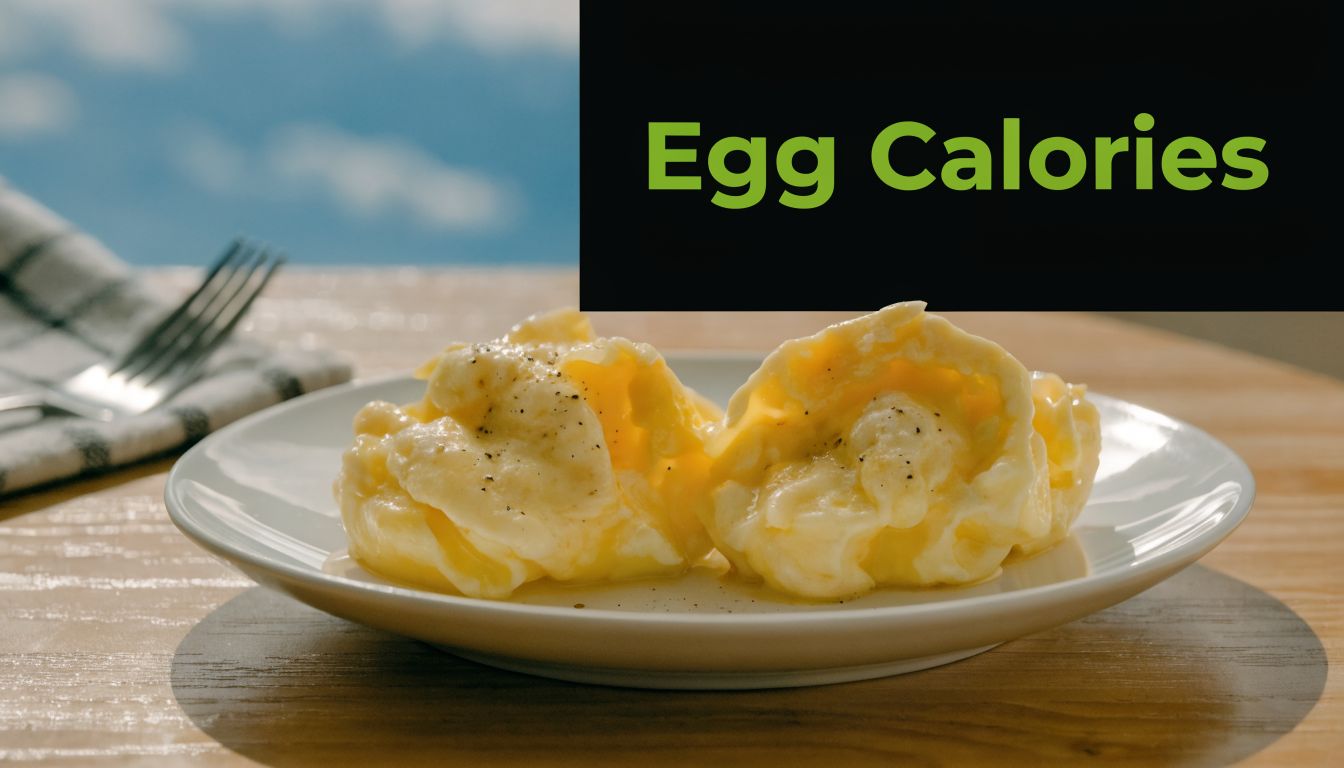
Two large scrambled eggs cooked plain contain about 140 calories, along with 13g protein, 9g fat, and 1g carbs according to McDonald’s nutrition data for scrambled eggs. If you add butter, oil, milk, or cheese, the total can rise to nearly 200 calories or more, depending on the amount used.

A lot of people log “scrambled eggs” as one generic number and move on. That’s where confusion starts. Plain eggs and restaurant-style eggs can be very different meals.
If you already track drinks too, it helps to pair food logging with basics like how many calories are in a cup of coffee, since small breakfast extras add up fast.
For anyone building a daily target, a practical reference point is a 2000 calorie meal plan. Eggs can fit easily into that structure, but accurate logging matters.
Practical rule: Start with the eggs alone, then add each extra ingredient one by one.
What Is the Nutritional Baseline of Two Plain Eggs?
Two plain scrambled eggs give you more than just calories. They offer a compact mix of protein and fat, which is one reason they keep many people satisfied for hours.
According to FatSecret’s USDA-based entry for two whole cooked scrambled eggs, the full cooked version comes in at 203 calories, with 14.9g fat, 13.53g protein, and 2.68g carbs. That same source shows a macro split of about 67% of calories from fat, 27% from protein, and 6% from carbs.
Why that macro split matters
Protein helps make eggs filling. Fat also slows the meal down a bit, which is why eggs often feel more satisfying than a carb-heavy breakfast.
That doesn’t mean eggs are “high calorie” by default. It means the calories are concentrated in nutrients that many people want more of, especially protein.
Here’s the part many readers miss. The baseline depends on whether you mean plain eggs with minimal additions or fully cooked scrambled eggs as commonly prepared. Both are valid entries. They’re just not identical.
Nutrients beyond calories
The same USDA-based data shows this serving is rich in choline at 181mg, or 33% of Daily Value, which supports brain function and metabolism, and also includes 174mcg Vitamin A. That makes eggs a nutrient-dense food, not just a convenient one.
A quick snapshot:
| Nutrient detail | Amount for 2 cooked scrambled eggs |
|---|---|
| Calories | 203 |
| Protein | 13.53g |
| Fat | 14.9g |
| Carbs | 2.68g |
| Choline | 181mg |
| Macro split | 67% fat, 27% protein, 6% carbs |
Two eggs are a strong “blank canvas” food. They bring protein, fat, and useful micronutrients before you add anything else.
How Does Your Cooking Method Change the Calorie Count?
The biggest calorie swing usually happens in the pan. Not in the eggs themselves.
A dry scramble in a non-stick pan stays close to the lower baseline. Add butter or oil, and the count moves up fast because the eggs absorb some of that fat during cooking.
According to Foodstruct’s scrambled egg data, 1 teaspoon of added oil or butter contributes around 40 calories, raising the total from a 140 kcal baseline to nearly 200 kcal. That source also notes this added fat is the main reason the meal shifts toward a higher-fat macro profile.
Why fat changes the total so much
Fat is energy-dense. A small amount of butter or oil doesn’t look like much in the pan, but it changes the numbers more than expected.
That’s why homemade eggs can differ from diner eggs even when both start with two eggs. One cook uses a dry skillet. Another uses butter generously. The plates look similar, but the logged calories won’t be.
Calorie impact by method
| Cooking Method | Added Fat | Estimated Total Calories |
|---|---|---|
| Dry scramble in non-stick pan | None | 140 |
| Scrambled with a small amount of fat | 1 tsp oil or butter | Nearly 200 |
| Scrambled with milk and fat | Includes both | Higher than plain eggs |
If you eat scrambled eggs often, this is the lever to watch most closely.
- Lowest-calorie approach: Cook in a non-stick pan with minimal added fat.
- Most common hidden increase: A quick pat of butter or splash of oil.
- Restaurant issue: Eggs often pick up extra fat before they ever reach your plate.
What Happens When You Add Milk or Cheese?
Milk and cheese can make scrambled eggs softer, richer, and more flavorful. They also change the math.
Many calorie counters skip over these small additions, but they matter. According to HealthMatch’s discussion of eggs and diabetes, 1 tablespoon of whole milk adds about 10 calories, while 1 ounce of cheddar cheese adds about 115 calories and 9g of fat. That source notes these extras can raise the total by 50-100%, which is a big difference for meal logging.

A simple way to think about add-ins
Milk is usually a small bump. Cheese is usually a major bump.
If your goal is texture, a little milk changes the total modestly. If your goal is flavor, cheese has a much larger calorie effect.
Build-your-own examples
Try this quick framework:
- Start with the eggs. Use your chosen baseline.
- Add cooking fat if used.
- Add milk if you mixed it in.
- Add cheese last. This is often the biggest extra.
Examples:
- Plain scramble: baseline only
- Creamier scramble: baseline plus milk
- Cheesy scramble: baseline plus cheese
- Rich diner-style scramble: baseline plus fat, plus milk, plus cheese
For people focused on protein-forward breakfasts, a high-protein meal plan can help put these choices in context across the whole day.
Cheese changes a scramble from “just eggs” into a very different meal. Log it like a separate recipe, not the same breakfast with a little flavor.
How to Quickly Calculate Your Scrambled Egg Calories
The fastest way to stop guessing is to use one formula:
Egg calories + cooking fat + dairy add-ins + any other toppings
That’s it. Simple formulas work better than vague memory when you’re busy.
Use a base-plus-extras method
Start with your egg entry. Then add only what you used.
A practical checklist:
- Base eggs: Use the entry that matches your preparation.
- Pan fat: Butter or oil changes the total quickly.
- Milk: Small addition, still worth logging.
- Cheese: Easy to underestimate.
- Vegetables and seasonings: Usually lighter, but still track them if you want a custom recipe to stay consistent.
Three common breakfast scenarios
Light and simple scramble
Choose the plain egg baseline. Cook with very little added fat. Skip cheese. This keeps the entry closest to the lower end.
Balanced everyday scramble
Use eggs, add a little milk, and cook with a modest amount of fat. This is the kind of breakfast many people make at home without realizing it has moved well above the plain version.
Rich scramble
Use eggs, cook with fat, and add cheese. This version can look only slightly different on the plate but log much higher.
One reason precision matters is repetition. The same small undercount every morning can push your weekly intake off track.
For better consistency, many people benefit from utilizing a food scale, especially when recipes become a habit. If you want a system for building custom entries and checking meal totals, nutrition tools can make the process faster.
Small logging errors feel harmless in one meal. Repeated across a week, they can blur the reason your results stalled.
How Should You Log Scrambled Eggs in a Meal Planner?
The best way to log scrambled eggs is to avoid the generic “scrambled eggs” entry unless it matches your recipe exactly. Plain eggs, eggs with milk, and eggs cooked in butter are not the same thing.
According to CalorieKing’s listing for scrambled egg made with milk and fat, two large scrambled eggs prepared plainly contain about 140 calories, while a version with a teaspoon of fat and a tablespoon of milk can have nearly 200 calories. That 60-calorie difference becomes 420 extra calories per week if you eat it daily and log the lower number instead.

The best logging method
Create a custom recipe if scrambled eggs are a regular breakfast for you. That way, you only build it once and can reuse it.
A reliable process looks like this:
- Name the recipe clearly: “2 eggs scrambled with 1 tsp butter”
- Include every ingredient: eggs, milk, cheese, oil, butter
- Save the serving size: one portion, two portions, or family batch
- Reuse the same entry: consistency beats memory
Are eggs a reasonable everyday choice?
For many people, yes. Eggs can fit into a steady routine when they’re prepared in a way that matches the person’s goals and health needs.
A 12-week study and related review discussed in this PMC article found that daily egg intake was linked with greater reductions in weight, BMI, and body fat than an egg-free diet in adults with type 2 diabetes, and the review notes that consuming up to 12 eggs per week appears safe and may improve fasting glucose.
If you want help turning that kind of data into a practical eating routine, an AI nutritionist can simplify the daily decisions. For a more complete setup built around your goals, you can also try the AI Meal Planner onboarding.
Frequently Asked Questions About Scrambled Egg Nutrition
| Question | Answer |
|---|---|
| Are 2 scrambled eggs good for weight loss? | They can be, especially when you keep the preparation simple and log add-ins accurately. The calorie gap between plain and enriched versions is often the real issue. |
| Are scrambled eggs keto-friendly? | Usually yes, because eggs are naturally very low in carbs. Add-ins still matter for calorie tracking. |
| What’s the lowest-calorie way to make scrambled eggs? | Cook them plainly in a non-stick pan with minimal added fat. That keeps them closest to the lower baseline. |
| Do scrambled eggs have more calories than boiled eggs? | Scrambling itself isn't the main issue. Added butter, oil, milk, or cheese is what usually raises the total. |
| Does cheese make a big difference? | Yes. Cheese changes both calories and fat content enough that it should be logged separately, not ignored. |
| Can people with type 2 diabetes eat eggs regularly? | Evidence in the earlier section suggests regular intake can fit well for many people, including up to 12 eggs per week in reviewed research. Individual meal context still matters. |
The short version is simple. 2 scrambled eggs calories can be easy to track when you stop treating every scramble as the same recipe. Start with the eggs, count the pan fat, add the milk or cheese, and your log gets much more accurate.
If you want meal tracking to feel less like math homework, AI Meal Planner can help you build personalized meals, organize your week, and keep calories and macros clear without constant guesswork.
AI-powered nutrition
Get Your Personalized Meal Plan
AI creates the perfect meals for your goals, lifestyle, and taste.
Start Your Journej