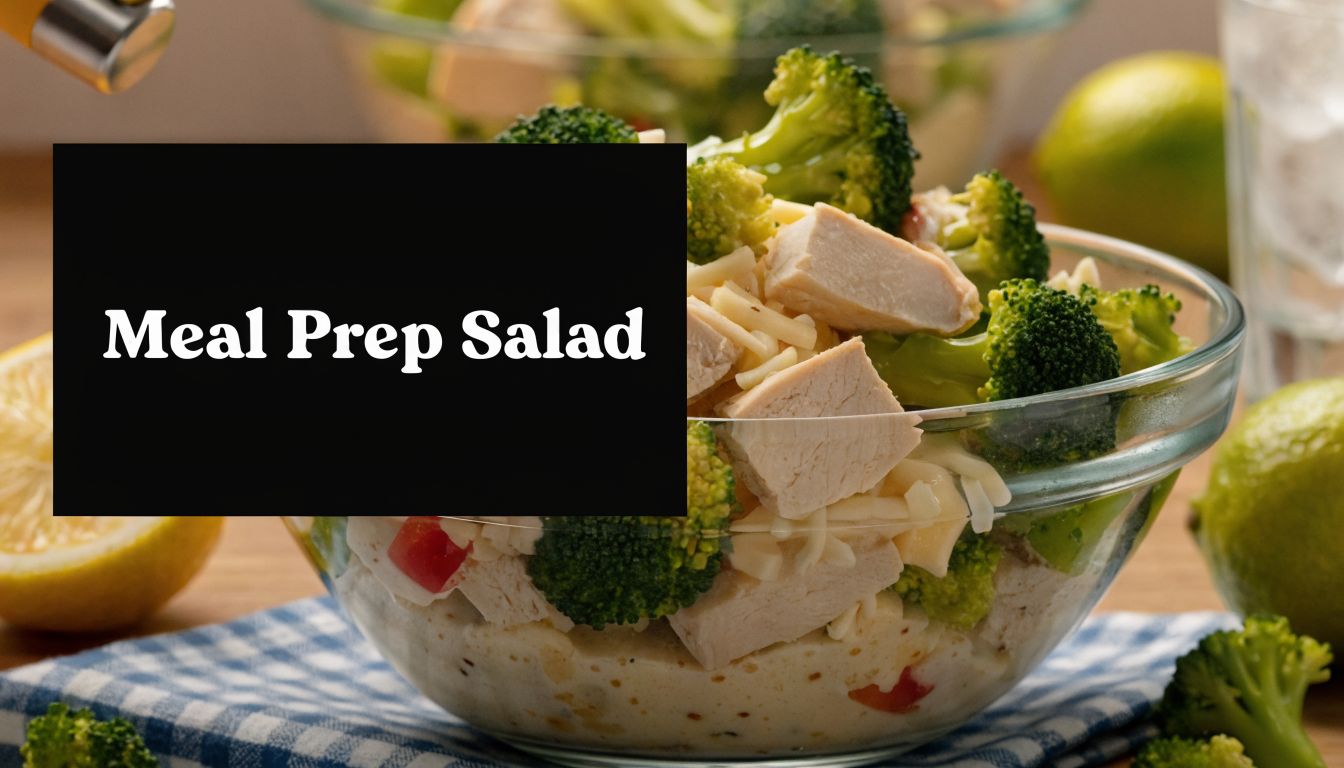
If your usual meal-prep lunch turns watery by day two, the problem usually isn’t the recipe. It’s the prep sequence. Chicken and broccoli salad works exceptionally well for make-ahead lunches when you handle moisture, texture, and dressing on purpose instead of tossing everything together and hoping it holds.
How Do You Make Chicken and Broccoli Salad
By Wednesday, this salad should still have crisp broccoli, moist chicken, and enough punch in the dressing that it tastes finished, not like a container of leftovers. That only happens if you build it with texture in mind from the start.
Start with cooked chicken you can shred finely, not thick cubes that stay bland in the center. Rotisserie chicken works, but I usually pull warm chicken breasts or thighs with a mixer or two forks so the strands catch dressing evenly. For broccoli, chop the florets small and keep the stems if they’re tender. Small pieces eat better cold and hold dressing without turning the bowl into a wet mess. If your lunches need more structure across the week, a high-protein meal plan helps you fit this salad in without repeating the same dinner logic at lunch.
The best version has contrast in every bite. You want savory chicken, broccoli with real snap, a crunchy element, something sharp, and a little sweetness to round out the edges. That balance matters for consistency too. A salad that tastes flat on day one is usually worse on day three, which is why simple habits around seasoning and prep support broader healthy eating habits for weight loss.
Use this build:
- Protein: shredded cooked chicken
- Vegetable: finely chopped broccoli florets and tender stem pieces
- Crunch: sunflower seeds, sliced almonds, or chopped pecans
- Sharp note: red onion, scallions, or a tangy dressing
- Sweet contrast: diced apple or a small handful of dried cranberries
- Binder: a creamy mayo-yogurt dressing or a vinaigrette, used lightly
One rule makes the whole salad better. Coat the ingredients lightly instead of soaking them. Too much dressing makes the broccoli lose its bite and leaves the chicken tasting greasy instead of seasoned.
A Healthy Meal Prep Solution Beyond the Basics
Lunch needs to do three things at once. It has to be fast, filling, and still worth eating after a few days in the fridge. Chicken and broccoli salad handles that better than most meal-prep staples because it isn’t built on fragile greens.
That matters when your week is busy. Lettuce collapses. Grain bowls dry out if the ratio is off. Pasta salads often get heavy. Chicken and broccoli salad sits in a more useful middle ground. It’s sturdy, high in protein, and flexible enough to fit a balanced meal plan without forcing you into the same exact lunch every day.
If you’re trying to make healthy lunches more automatic, systems matter as much as recipes. Tools like AI Meal Planner onboarding are built around that idea by organizing meals, grocery lists, and leftovers in one workflow rather than treating each lunch as a separate decision.
Practical rule: Meal prep fails when texture changes faster than your schedule. Choose recipes that improve slightly after resting, not ones that decline by the hour.
There’s also a behavior piece here. Repeating one reliable lunch can remove a lot of weekday friction, especially if you’re also working on broader healthy eating habits for weight loss. A dependable, satisfying salad often does more for consistency than an ambitious recipe list you won’t make.
What usually goes wrong
Two problems ruin this salad more than anything else:
- Wet broccoli: water clings to the florets and thins the dressing
- Dry chicken: large chunks stay separate from the dressing instead of absorbing it
Both are fixable with technique, not extra ingredients.
The two prep moves that change everything
The first is mechanical shredding. Instead of chopping or hand-pulling chicken into uneven pieces, shred it finely so the dressing reaches more surface area.
The second is controlled broccoli prep. Whether you prefer a raw-style bite or a slightly tender texture, the broccoli has to be small, dry, and deliberate. Big florets turn this into a fork fight. Damp florets turn it into a container of dressed water.
What Ingredients Make the Best Chicken and Broccoli Salad
A good chicken and broccoli salad isn’t just a list of ingredients. It’s a texture map. You want tender chicken, crisp broccoli, a little sweetness, some crunch, and a dressing that clings instead of collecting at the bottom.

Which chicken works best
For weekday meal prep, rotisserie chicken is the practical choice. It saves time, gives you enough meat for a batch, and lets you put leftovers to work instead of cooking a separate protein just for one salad.
Use the breast meat if you want a cleaner, leaner result. If you like a slightly richer bite, mixing in a little dark meat can help. What doesn’t work as well is cubed chicken breast that’s been overcooked and chilled. It tastes separate from the salad instead of becoming part of it.
Best approach:
- Choose cooled cooked chicken: warm chicken releases steam and adds moisture
- Remove skin for the salad base: that keeps the texture cleaner in a cold salad
- Shred instead of dice: shredded meat catches dressing more evenly
What kind of broccoli should you buy
Fresh broccoli is the right call here. It gives you a clean snap, and it holds up better after dressing. Use mostly florets for the final bowl. Thick stems can be saved for another meal instead of forcing them into the salad.
Cut size matters more than people think. Broccoli should be small enough to mix evenly with the chicken and eat with one forkful. Large pieces throw off the balance and make the salad feel unfinished.
Broccoli should support the chicken, not dominate each bite.
What to add for contrast
Once your base is solid, the supporting ingredients do the fine-tuning.
A few options that work well:
- Apple: crisp, fresh sweetness and moisture
- Sunflower seeds or almonds: needed crunch
- Carrot: color and a softer vegetable note
- Red onion: sharpness in small amounts
- Goat cheese or cheddar: extra richness if you want a more substantial salad
The mistake is adding too many extras at once. If everything is sweet, crunchy, salty, and creamy, nothing stands out. Pick one fruit, one crunch element, and one optional rich ingredient.
Which dressing style holds up better
You’ve got two strong directions.
| Dressing style | Best for | Texture result | Flavor profile |
|---|---|---|---|
| Creamy mayo-yogurt base | Longer meal prep | Coats chicken well | Rich, tangy, rounded |
| Vinaigrette | Lighter lunches | Cleaner, less heavy | Bright, sharper |
Creamy dressing usually lasts better because it grips the shredded chicken and chopped vegetables. A vinaigrette can be excellent too, especially if you want a fresher finish, but it needs proper emulsification or it slips off and settles.
Why emulsification matters
An emulsified dressing stays unified long enough to coat the ingredients instead of breaking apart immediately. In practical terms, that means every bite tastes seasoned.
For a creamy dressing, whisk mayo, yogurt, acid, and seasoning until smooth and fully blended. For a vinaigrette, whisk oil into vinegar slowly so it thickens slightly and clings better.
A smart grocery strategy helps here too. If you buy broccoli, apples, yogurt, and almonds for this salad, plan another meal that uses the same ingredients before they fade in the crisper drawer. That kind of overlap is where meal prep saves effort.
How Should You Prepare the Chicken and Broccoli for Perfect Texture
Texture is what separates a lunch you keep making from one you force yourself to finish. In chicken and broccoli salad, the make-or-break points are almost always the same. The chicken is too chunky and dry, or the broccoli is wet, bitter, or floppy.

How to prep the chicken so it stays tender
The most useful pro move here is mechanical shredding. According to Rachael's Good Eats chicken broccoli meal prep salad method, shredding chicken in a stand mixer with a paddle attachment on low speed for 1 to 2 minutes creates a fibrous, even texture that absorbs dressing well. That same method is noted as scaling well for meal prep, yielding 6 servings at 350 to 400 kcal and 30g protein each.
How to do it cleanly:
- Let the cooked chicken cool first.
- Place it in a stand mixer bowl.
- Use the paddle on low speed.
- Stop as soon as the meat is evenly shredded.
If you don’t have a stand mixer, a hand mixer works too. What you’re after is fine, even texture. Overmixing is the only real risk. Once it starts looking pasty, you’ve gone too far.
How to blanch broccoli without making it soggy
This is the step that fixes bitterness and preserves crunch when done properly.
For perfect broccoli, Art From My Table’s broccoli salad technique recommends blanching fresh florets in boiling salted water for exactly 60 seconds until bright green, then transferring them immediately to an ice bath for 2 to 3 minutes. That method supports 92% color retention, and the same source notes that residual water can dilute dressing by 15 to 20%, which is a major cause of soggy salad.
Here’s the working sequence:
- Boil first: get the water fully boiling before broccoli goes in
- Keep florets small: they cool and dry more evenly
- Use the ice bath immediately: don’t let carryover heat keep cooking them
- Dry aggressively: spinner first, towel second
If you skip the drying step, the rest of your prep won’t save the salad.
Wet broccoli doesn’t just add water. It weakens the dressing and flattens the seasoning.
A visual walkthrough can help if you haven’t blanched broccoli for salad before.
What assembly order works best
Once the chicken is shredded and the broccoli is dry, assembly is straightforward, but order still matters.
Use this sequence:
- Mix chicken with part of the dressing first
- Fold in broccoli and sturdier vegetables
- Add fruit, seeds, or cheese last
- Taste before the final dressing addition
- Chill before portioning if possible
Starting with the chicken helps the dressing anchor to the protein instead of riding on the outside of the vegetables. Adding delicate ingredients later preserves contrast.
What to avoid during prep
Some problems don’t show up until the next day.
| Common mistake | What happens |
|---|---|
| Dressing hot or warm ingredients | Condensation forms in storage |
| Cutting broccoli too large | Uneven bites and awkward mixing |
| Using watery add-ins without thought | Salad loosens overnight |
| Storing before ingredients cool | Texture softens too fast |
If your previous batch turned out mediocre, this section is usually where the fix is. Better chopping, proper blanching, and actual drying do more than extra seasoning ever will.
What Is the Secret to a Deliciously Balanced Dressing
You taste the salad on day one and it seems right. By lunch the next day, the broccoli tastes dull, the chicken feels chalky, and the dressing has pooled at the bottom. The fix is not a heavier dressing. It is a dressing built to cling, sharpen, and hold up cold.
For chicken and broccoli salad, the best dressing has three jobs. It needs enough fat to coat shredded chicken, enough acid to wake up the broccoli, and just enough sweetness to soften raw edges from onion, cranberries, or sharp mustard. Miss any one of those, and the whole bowl feels off.
How to build a creamy dressing that actually coats
Creamy dressing is usually the better meal-prep choice because it grips the rough surface of shredded chicken and settles into the broccoli florets instead of sliding off. I start with mayonnaise for body, then cut it with Greek yogurt so the dressing stays rich without turning heavy. Apple cider vinegar brings the sharp note that keeps the salad from tasting flat after refrigeration.
A small amount of honey or sugar matters more than many cooks expect. It should not make the salad sweet. It should round the corners so the acid tastes clean instead of harsh.
Use this balance:
- Mayonnaise: body and cling
- Greek yogurt: tang and a lighter finish
- Apple cider vinegar: brightness that lasts in the fridge
- Honey or sugar: rounds out bitterness and sharpness
- Salt and pepper: brings the whole dressing into focus
- Dijon mustard, optional: adds bite and helps the dressing stay unified
Whisk until the texture is completely smooth and slightly thick. If the dressing is too loose, it will collect in the container and water out the salad by the next day.
When vinaigrette is the better option
A vinaigrette makes more sense when the salad already has rich add-ins such as cheese, bacon, avocado, or a heavy handful of nuts. It gives the bowl a cleaner finish and keeps each bite from feeling overloaded.
The trade-off is longevity. Vinaigrettes separate more easily in storage and do less to protect lean chicken from tasting dry, so they work best when you plan to eat the salad soon or dress individual portions right before serving.
The best dressing disappears into the salad. It should coat the ingredients, not sit in the bottom of the container.
How to season it so it still tastes good cold
Cold food always tastes quieter. A dressing that seems punchy at the counter often tastes muted straight from the fridge, so season with that in mind. The target is slightly brighter and slightly saltier than you think you need.
Let the dressed salad rest for a few minutes, then taste again. If it feels flat, add more vinegar or lemon juice first. If the flavors seem blurred, add a pinch of salt. If it feels heavy, do not add more mayo. Add acid, or fold in a crisp ingredient that restores contrast.
One last tip matters for texture. Dress the salad lightly at first, then hold back a spoonful or two to refresh portions later in the week. That small reserve fixes a tired container far better than drowning it in extra dressing at the start.
How Can You Meal Prep and Store This Salad to Keep It Fresh
Chicken and broccoli salad is built for advance prep, but storage decisions affect whether it stays crisp and pleasant or slides into that familiar soggy middle. The safest approach is to prep components with intention and portion them based on when you’ll eat them.

Should you store the dressing separately
If maximum freshness is the goal, yes. Separate storage gives you the most control over final texture, especially if your salad includes apple, onion, or extra-crunch toppings.
That said, this salad is sturdier than leafy salads. If the broccoli has been dried properly and the chicken is fully cooled, lightly dressed portions can still hold up well for make-ahead lunches.
Use this simple rule:
- For day-one and day-two lunches: pre-dressed usually works
- For later in the week: store dressing separately
- For crunch toppings: always add at serving time
What containers work best
Glass containers are the easiest for this kind of meal prep because they don’t hold odors and they let you see moisture buildup quickly. Wide containers also make tossing easier before eating.
If you prefer jar lunches, layer from wettest to driest. Put dressing on the bottom, then chicken, then broccoli, then any crunchy toppings near the top. Invert into a bowl or shake only when you’re ready to eat.
How to batch it without losing quality
Don’t build every container exactly the same if your week won’t be the same. Prep the base in one large bowl, then portion according to use.
| Prep style | Best use | Main advantage |
|---|---|---|
| Fully mixed batch | Fast grab-and-go lunches | Least weekday effort |
| Components stored separately | Longer freshness window | Better texture control |
| Jar layering | Office lunches | Easy transport |
What to watch for in the fridge
Look for visual and texture cues, not just habit. If liquid starts pooling heavily, the salad was either dressed too early, packed warm, or made with under-dried vegetables. If the chicken looks tight and dry, it likely needed more initial coating before storage.
For dietary variations, planning ahead helps even more.
- Keto version: skip sweet fruit and use a low-sugar creamy dressing
- Vegan version: replace chicken with tofu, chickpeas, or a plant-based substitute
- Gluten-free version: check bottled dressings and toppings carefully
These changes are easiest when made at the prep stage instead of after the batch is already assembled.
How Do You Adapt This Recipe for Keto Vegan or Gluten-Free Diets
The base idea of chicken and broccoli salad is flexible. The texture principles stay the same even when the ingredients change. Keep the protein structured, the vegetables dry, and the dressing intentional.

Keto version
For keto, remove the sweeter add-ins and lean harder into fat, herbs, and crunchy low-carb vegetables. Celery is a better swap than fruit if you want freshness without sweetness. A sugar-free creamy dressing keeps the profile closer to the original feel.
Vegan version
The chicken can be replaced with chickpeas, grilled tofu, or a plant-based chicken alternative. The goal is to preserve bite and substance so the salad still eats like a meal rather than a side. A cashew-based dressing or a vinaigrette usually works better than trying to fake the exact texture of a deli-style chicken salad.
Gluten-free version
This one is usually simple, but packaged ingredients are where mistakes happen. Croutons, flavored nuts, and bottled dressings are the main things to verify. If you need more structure, a dedicated gluten-free meal plan can help you avoid repeat label-checking.
Dietary substitutions for chicken and broccoli salad
| Dietary Need | Chicken Substitute | Dressing Base | Sweetener/Fruit Swap |
|---|---|---|---|
| Keto | Extra chicken or lower-carb crunchy vegetables | Sugar-free creamy dressing | Celery instead of sweet fruit |
| Vegan | Chickpeas, tofu, or plant-based chicken | Cashew dressing or vinaigrette | Apple if desired, or skip entirely |
| Gluten-Free | Regular chicken | Gluten-free creamy dressing or vinaigrette | Any fresh fruit that fits your preference |
Small swaps work better than total reinventions. Keep the salad recognizable, and it stays easier to repeat.
Frequently Asked Questions About Chicken and Broccoli Salad
Can you use frozen broccoli
Yes, but fresh broccoli holds texture longer.
Frozen florets release more water as they thaw, so the salad softens faster and the dressing gets loose. If frozen is what you have, thaw it completely, press off excess moisture with towels, and expect a shorter storage window. It is a practical backup, not the best choice for a batch you want to keep crisp for several days.
Why did my chicken and broccoli salad turn watery
Water usually comes from one of three mistakes. The broccoli was not dried well after washing or blanching, the chicken was still warm when mixed, or the salad sat fully dressed too long.
A salad like this rewards patience. Cool every component first, dry the broccoli until it feels almost matte, and fold in the dressing only after the base is cold. That is the difference between a creamy salad and one that pools liquid at the bottom by day two.
Is chicken and broccoli salad good for macro tracking
It usually is, because the protein source is clear and the add-ins are easy to measure. The dressing is what changes the numbers fastest, especially if you are generous with mayo, yogurt, dried fruit, or nuts.
If you want the exact nutrition for your version, a tool like this AI nutritionist tool is more useful than relying on a generic estimate.
Can you make it spicier
Yes. Build the heat into the dressing so it coats every bite instead of sitting on the surface.
Black pepper, Dijon, cayenne, hot sauce, or a little minced pickled jalapeno all work. Start small. Spice gets stronger as the salad rests, especially in a chilled meal prep container.
What other vegetables can you add
Choose vegetables that stay crisp and do not leak much water. Celery, red onion, shredded carrot, sliced radish, and chopped cauliflower all work well.
Skip cucumber and tomato unless you plan to eat the salad the same day. They dilute the dressing and shorten the salad's shelf life.
Is this recipe suitable for keto meal prep
Yes, with a few adjustments. Skip sweet fruit, keep the dressing low in sugar, and use crunchy low-carb add-ins instead of anything starchy.
For more low-carb meal ideas that fit the same prep style, 8 Delicious Recipes for Ketogenic Diet Success is a useful reference.
How long does it stay fresh
A well-prepped batch usually holds up for several days in the fridge if the broccoli is dry, the chicken is cooled before mixing, and the salad is stored in a tightly sealed container.
Texture fades before safety does. If you want the best bite, keep a portion of the dressing separate and stir it in right before serving.
What if I want help fitting this into a full nutrition plan
If you use this salad as part of a weekly lunch rotation, the harder part is usually planning the rest of the ingredients so nothing gets wasted. AI Meal Planner can generate personalized meal plans, macros, and grocery lists around recipes like chicken and broccoli salad while helping reduce food waste through smarter leftover planning.
AI-powered nutrition
Get Your Personalized Meal Plan
AI creates the perfect meals for your goals, lifestyle, and taste.
Start Your Journej