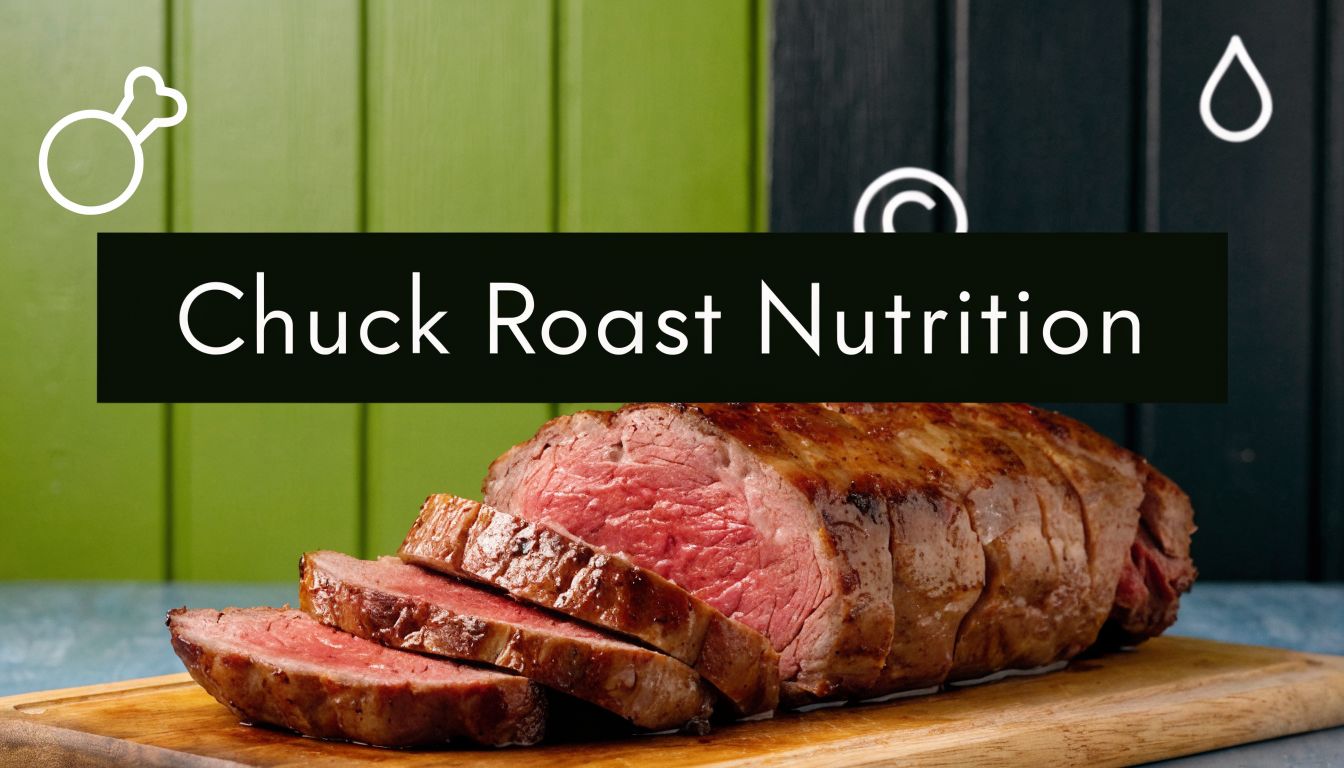
Chuck roast often lands in the cart because it’s affordable and filling, but the key question is whether it fits your health goals once you look past the pot roast label. It can. The value of chuck roast nutrition comes down to portion size, trimming, and what you pair it with.
What Is the Complete Nutrition Profile of Chuck Roast?
Dinner planning gets easier when the protein is predictable. If you are trying to hit a calorie target, keep carbs low, or build a high-protein meal that keeps you full, chuck roast is a useful cut to understand.
A 100-gram serving of raw chuck roast provides 232 calories, 23 grams of protein, 17 to 23 grams of fat, and 0 grams of carbohydrates, according to Fitia’s chuck roast nutrition data. In practical terms, that makes chuck roast a zero-carb beef option with enough protein to support either fat loss or muscle-focused meal planning.
Chuck comes from the shoulder, which helps explain both its strengths and its trade-offs. This area does more work, so the cut contains a mix of muscle, connective tissue, and fat. You get solid protein and good flavor, but usually more fat than you would see in a leaner cut like top round or sirloin.
What the baseline numbers look like
| Nutrient | Amount | Daily Value (%) |
|---|---|---|
| Calories | 232 | |
| Protein | 23 g | 46% |
| Total fat | 17 to 23 g | 29% |
| Carbohydrates | 0 g | 0% |
| Iron | 2.15 mg | 12% |
| Zinc | 2.9 mg | 25% |
| Potassium | 206 mg | 4% |

For a busy person tracking food, the main takeaway is simple. Chuck roast gives you a strong protein serving with no carbohydrate load, but the fat content can vary enough to change your daily totals. That detail is important for accurate meal logging.
It also changes how well chuck roast fits different goals. For weight loss, chuck can still work, especially if you trim visible fat and keep portions measured. For muscle gain, the higher calorie density can be useful because it helps raise protein and total energy intake without requiring a large volume of food.
Chuck roast also works well for batch cooking. One roast can cover several meals, which makes it easier to stay consistent during the week. The catch is that consistency only shows up in your nutrition app if you log it the same way every time, using either raw weights or cooked weights.
Practical rule: Chuck roast fits best when you treat it as a protein-forward cut with moderate to high fat, then portion it based on your goal instead of assuming all beef roasts are nutritionally interchangeable.
For people who want help turning whole cuts of meat into daily calorie and macro targets, a tool like an AI nutritionist can simplify the planning process.
How Do Cooking and Trimming Change Chuck Roast Nutrition?
Raw numbers are useful, but they aren’t what you eat on the plate. Once chuck roast is braised, the nutrition shifts because cooking changes moisture, texture, and the final edible portion.
A cooked 85-gram braised serving of beef chuck pot roast provides 257 calories, 25.6 grams of protein, 16.3 grams of fat, and 0 carbs, according to Prospre’s cooked chuck pot roast entry. That same serving also contains 156 mg phosphorus and 17 mg magnesium.

Why cooked beef looks more calorie-dense
Cooking removes water. When water drops, the nutrients in the remaining portion become more concentrated by weight. That’s why cooked chuck roast can look higher in calories and protein per bite than the raw cut you started with.
This matters when you’re logging meals. If you enter raw meat in your tracker but weigh it after cooking, your numbers can drift. The reverse also causes problems.
A simple way to stay accurate:
- Track raw if you portion before cooking. Use the uncooked weight and stick with raw nutrition entries.
- Track cooked if you portion after braising. Use a cooked entry and weigh the edible amount on your plate.
- Don’t mix databases casually. Raw and cooked values aren’t interchangeable.
What trimming changes in practice
Visible fat is the easiest lever to pull if you want better control over chuck roast nutrition. Trimming before cooking won’t turn chuck into an ultra-lean cut, but it does improve the calorie-to-protein balance of the finished meal.
What usually works best:
- Trim obvious exterior fat before searing. That reduces excess rendered fat in the cooking liquid.
- Braise, chill, and skim if needed. When broth cools, fat separates and becomes easier to remove.
- Shred or slice only what you need. Portioning after cooking helps prevent accidental overserving.
Chuck roast responds well to “cook once, adjust later” prep. The meat stays tender, and you can remove more fat from the broth after it cools than you can during active cooking.
What doesn’t work as well is assuming every pot roast recipe has the same nutrition. Added oil, butter, sugary sauces, or salty broth can change the meal significantly even when the beef itself stays the same.
A better way to think about the final plate
The beef is only part of the meal. Braised chuck served with roasted vegetables or greens is a very different nutritional setup from chuck roast piled onto buttered bread or mashed potatoes with a rich gravy. The cut is flexible. The preparation decides whether it supports your goal.
What Key Vitamins and Minerals Does Chuck Roast Provide?
Protein gets most of the attention, but chuck roast nutrition isn’t only about macros. This cut also brings several micronutrients that matter for energy, oxygen transport, and day-to-day recovery.
One useful summary from Foodstruct’s braised beef chuck data is that chuck roast offers very high vitamin B12 at 241% of the Daily Value and significant iron at 89% of the Daily Value. The same source notes a potassium:sodium ratio of 4.87.

Which micronutrients stand out most
Here are the nutrients I pay closest attention to with chuck roast:
- Iron helps support red blood cell production and oxygen transport. That matters if you feel run down easily or struggle to meet iron needs from food alone.
- Vitamin B12 supports nerve function and energy metabolism. Beef is one of the more practical whole-food sources.
- Zinc contributes to immune function and tissue repair, which is useful during hard training blocks or busy periods with poor sleep.
- Phosphorus and magnesium support metabolic processes and muscle function.
Why these nutrients matter for busy people
A lot of adults don’t need another “superfood.” They need meals that reliably provide protein and useful micronutrients without much effort. Chuck roast does that well when it’s part of a balanced plate.
If you meal prep a roast once and use it over several lunches or dinners, you’re not just saving time. You’re also making it easier to get consistent intake of nutrients linked to energy production and physical performance.
Clinical takeaway: If someone is focusing only on the calories in beef, they’re missing a big part of the picture. Chuck roast can contribute meaningfully to iron and B12 intake.
One important trade-off
Micronutrient density doesn’t make chuck roast a complete food on its own. It doesn’t replace vegetables, fruit, legumes, or other fiber-rich foods. It works best when paired with produce, especially if your broader goal includes heart health, digestion, or blood sugar management.
That’s the pattern I recommend most often. Use chuck roast as the protein anchor, then build the plate around it with vegetables and a carb source if your plan includes one.
How Do You Portion Chuck Roast for Weight Loss or Muscle Gain?
A pot roast dinner can fit two very different goals. The difference is not the cut itself. It is how much you serve, what you trim, and what you put next to it on the plate.
Chuck roast earns a place in both fat-loss and muscle-building plans because it provides complete protein. Foodstruct’s profile for beef chuck arm pot roast lists 4452 mg of leucine and 4728 mg of lysine per 100 grams, and notes that a cooked 85-gram portion provides 25.6 grams of protein. The high leucine content is significant for its central role in muscle protein synthesis.

If your goal is muscle gain
Use chuck roast as a measured protein anchor, not just a comfort-food centerpiece. For many active adults, a clearly portioned serving works well in a post-workout meal or a larger dinner that also includes carbohydrates.
A practical setup looks like this:
- Measure a solid serving of cooked chuck roast rather than pulling random amounts from the pot.
- Add rice, potatoes, beans, or another carb source based on training volume.
- Include vegetables so the meal supports recovery and overall diet quality, not just protein intake.
Meals like shredded chuck roast with potatoes and green beans, or sliced roast in a grain bowl, are easy to prep ahead and repeat during the week. If you want more structure around daily protein and calorie targets, a muscle gain meal plan can make those portions easier to set.
If your goal is weight loss
Chuck roast can support fat loss well, but portion control has to be visible. Rich, slow-cooked beef is satisfying, and that helps with adherence. It is also easy to overeat if you serve straight from the Dutch oven and let the meat, sauce, and sides blend into one oversized meal.
Use a simpler system:
- Portion the meat onto the plate first.
- Build most of the plate with vegetables such as broccoli, cauliflower, mushrooms, cabbage, or salad greens.
- Keep sauces modest so the meal stays flavorful without turning into a calorie-heavy gravy dish.
- Treat higher-calorie sides as optional, not automatic.
This is usually more sustainable than forcing very lean meals that leave you hungry an hour later.
For some readers, seeing the portioning process helps more than reading about it. This quick video is useful for visualizing beef prep and cooking technique before you build meals around it.
The trade-off to keep in mind
Chuck roast is protein-dense, but it is still a richer cut. For muscle gain, that extra fat can help raise calories without needing ultra-processed foods. For weight loss, the same fat means smaller portions often work better than people expect.
I usually recommend deciding the plate goal before reheating the meat. If the goal is fat loss, start with a smaller serving and add volume from vegetables. If the goal is muscle gain, keep the protein serving deliberate and add carbs to match output in the gym.
If heart health is also a priority, pair chuck roast meals with higher-fiber foods and review the rest of the day’s fat sources. This is also a good place to use practical guidance on foods to reduce cholesterol.
What Are the Health Considerations for Eating Chuck Roast?
Chuck roast can fit into a healthy diet, but it isn’t a neutral food. The main considerations are fat content, cholesterol, and how the meal is seasoned and served.
Grass-fed and conventional chuck roast are broadly similar in macro terms, but Nutrient Optimiser’s analysis of cooked braised beef chuck under blade pot roast notes that grass-fed variants can offer 280 kcal, 19.5 g protein, 20 g fat, 328 mg potassium, and 70 mg sodium. That profile can appeal to people who are watching heart health or blood sugar patterns.
Where chuck roast fits well
Chuck roast tends to fit best when:
- You need satisfying protein. It’s filling and works well in meal prep.
- You’re eating lower carb. The meat itself contains no carbohydrates.
- You prefer whole-food meals. It can replace heavily processed protein options.
Where you need more care
The cut is richer than leaner beef options, so frequency and context matter. If someone already has a diet high in saturated fat from multiple sources, adding large portions of untrimmed chuck roast regularly may not support their goals very well.
The sodium issue is often misunderstood. Plain beef isn’t usually the biggest sodium problem. Salty broths, packet seasonings, and reduced sauces are.
For heart-conscious eating, look at the whole dish, not just the cut of meat. The broth, seasoning blend, and sides can shift the meal more than the beef itself.
If cholesterol is one of your priorities, it helps to balance richer meals with more plants across the week. A practical companion resource is this guide to foods to reduce cholesterol, especially if you’re trying to pair beef meals with more soluble-fiber-rich foods.
A practical middle ground
You don’t need to avoid chuck roast completely to eat well. A better strategy is to trim visible fat, choose moderate portions, and build the rest of the plate intelligently. If sodium is part of your plan, use unsalted or lower-sodium liquids and keep an eye on prepared sauces. For structured meal planning around that goal, a low-sodium meal plan can help remove the guesswork.
What Are Quick Tips to Boost Nutrition and Reduce Calories?
The best improvements with chuck roast nutrition are practical, not extreme. You don’t need to stop eating it. You need to cook it with intention.
Use these upgrades consistently
- Trim visible fat first. Start before cooking, not after serving.
- Skim the cooking liquid later. If you chill the broth, separated fat becomes much easier to remove.
- Choose low-sodium liquids. Broth, bouillon, and bottled sauces can turn a reasonable meal into a very salty one.
- Build the plate with vegetables. Cabbage, carrots, mushrooms, green beans, and cauliflower all hold up well with braised beef.
- Repurpose leftovers lightly. Use sliced chuck roast in bowls, salads, or vegetable-heavy hash instead of only sandwiches or heavy casseroles.
What makes the biggest difference
If I had to narrow it down, the biggest wins are portioning the beef and expanding the meal with produce. That keeps the dish satisfying without letting calories accumulate unobserved.
Cook the roast for flavor and tenderness. Control the final meal with trimming, portion size, and sides.
For people actively trying to lose fat, it helps to plug these meals into a broader weekly structure instead of judging one dinner in isolation. A calorie deficit meal plan makes that much easier to manage consistently.
Frequently Asked Questions About Chuck Roast Nutrition
Is chuck roast good for a keto diet
Yes. Chuck roast contains 0 grams of carbohydrates in the verified nutrition data, so it fits naturally into keto and other low-carb approaches.
How much protein is in a cooked serving of chuck roast
A cooked 85-gram serving provides 25.6 grams of protein, based on the verified cooked pot roast data cited earlier.
Is chuck roast a complete protein
Yes. Chuck roast provides all essential amino acids, including substantial leucine and lysine, which makes it a complete protein source.
Is chuck roast better for weight loss or muscle gain
It can work for both. For weight loss, the focus should be controlled portions and high-volume sides. For muscle gain, the focus should be enough total protein across the day.
Is grass-fed chuck roast healthier than conventional
Grass-fed and conventional versions have similar macros in the verified data, but grass-fed options can offer higher potassium and lower sodium. That may be useful for some people, especially if overall diet quality is the priority.
Can you eat chuck roast regularly
You can include it regularly if the rest of your diet is balanced. It’s smarter to rotate protein sources and avoid relying on rich red meat as your only staple.
What’s the healthiest way to cook chuck roast
Braising works well because it tenderizes the meat without requiring breading or sugary glazes. Trimming visible fat and controlling the sauce usually matter more than chasing a perfect cooking method.
If you want a simpler way to fit foods like chuck roast into your week without manually calculating every meal, AI Meal Planner can build a personalized plan around your calorie target, macros, preferences, and schedule. It’s especially useful if you want healthy meals that are realistic to cook on busy weekdays.
AI-powered nutrition
Get Your Personalized Meal Plan
AI creates the perfect meals for your goals, lifestyle, and taste.
Start Your Journej