You hear that a celebrity went weeks without eating, dropped a massive amount of weight, and suddenly fasting sounds like the shortcut. In practice, that story is only useful if you strip it down to the parts that hold up in real life.
Kevin James' story gets attention because it is extreme. The better question is whether his approach can be turned into a repeatable system for normal workweeks, training schedules, and family meals. For fat loss, that matters more than the headline.
The answer is yes, but only if you treat kevin james fasting as one part of a 6-part blueprint, not the blueprint itself. Meal timing can reduce decision fatigue and help control appetite. It does not replace calorie control, adequate protein, resistance training, recovery, and a plan you can keep using when life gets messy.
That is the filter I use with clients and in my own planning. Keep the structure. Drop the stunt.
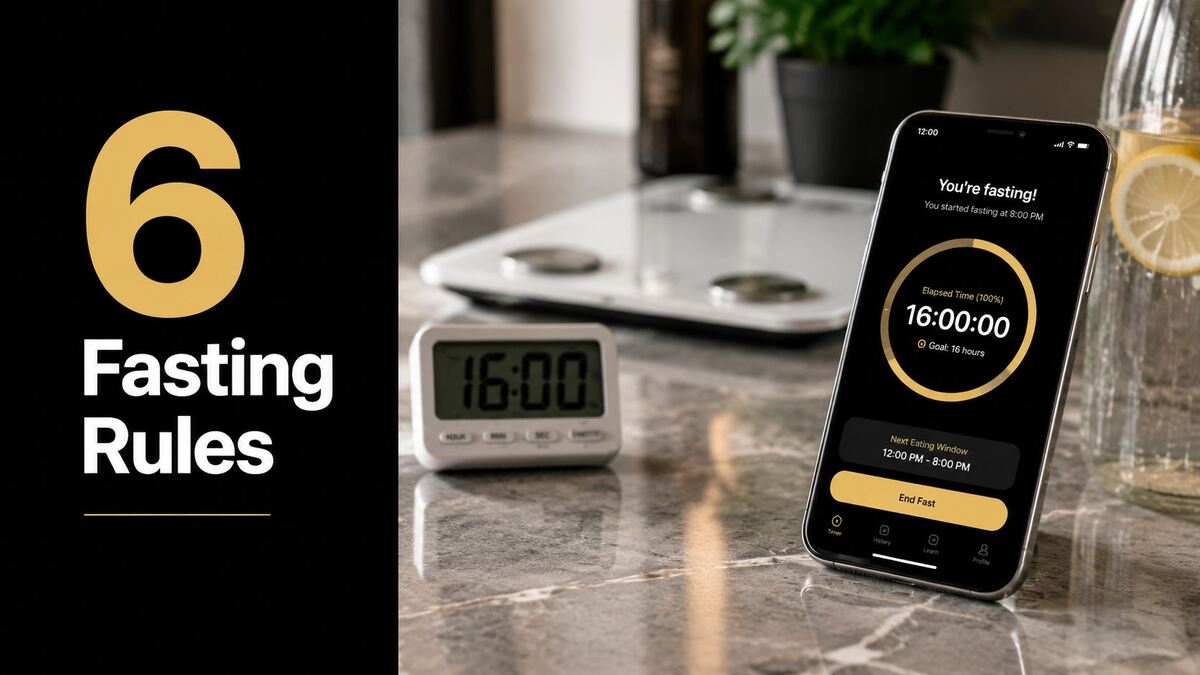
A workable version starts with a defined eating window that lowers mindless snacking and late-night calories, then builds meals that are hard to overeat and easy to repeat. Some people do well with two meals and a protein-focused snack. Others need three meals to keep training and concentration on track. If you want a visual prompt for meal timing, the Pretty Progress fasting widgetcan help keep the window clear without turning fasting into a test of willpower.
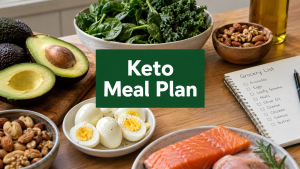
Food quality still matters inside that window. A fasting routine built on takeout, low protein, and weekend overeating usually stalls. A more practical setup is a simple meal template or a guided structured weight loss program that gives you repeatable defaults. If your eating style skews lower carb, a keto meal plan for fasting-friendly meals can also make the window easier to manage.
Use Kevin James as a case study in structure, not as a model for extreme deprivation. The value is not the prolonged fast itself. The value is the reminder that clear rules often beat vague moderation, especially when those rules still leave room for protein, training, and ordinary life.
1. What should you copy from Kevin James' fasting approach and what should you avoid
A reader sees the Kevin James story, skips breakfast, pushes through lunch, and ends the day lightheaded, irritable, and ready to eat everything in sight. That outcome is common when people copy the headline and ignore the system underneath it.
The useful lesson is structure. The part to avoid is the extreme version. Reports about Kevin James often point to a prolonged fast, which sits far outside a normal, repeatable fat-loss plan and should not be treated as a template.
What tends to work in practice is much simpler. Use meal timing to reduce grazing, pair it with meals that are hard to overeat, and set rules you can follow on workdays, weekends, and travel days. That is the first piece of the six-part blueprint in this article. Fasting is only one lever.
Copy the structure, not the stunt
Clear eating boundaries help many adults eat less without obsessing over food all day. A defined window can cut out the low-value calories that pile up from late-night snacking, desk food, and unplanned bites.
That does not mean longer is better. If your fasting routine hurts training quality, concentration, sleep, or patience, the setup is too aggressive for your current life.
A practical starting point is a schedule built around your real day:
- Work-first setup: Lunch, mid-afternoon meal, dinner.
- Training-first setup: Breakfast after early training, lunch, earlier dinner.
- Family-first setup: Smaller first meal, normal dinner with the household, no post-dinner grazing.
If you need more structure than meal timing alone, a structured weight loss program can help turn a loose fasting idea into repeatable decisions.
Avoid the common fasting mistakes
The biggest mistake is treating the eating window like a free-for-all. People shorten the clock, then fill the window with snack food, low-protein meals, and portions that erase the deficit.
The second mistake is choosing a window that looks disciplined on paper but fails in real life. A plan that makes meetings, school pickup, or evening training harder usually breaks within a week.
The third mistake is assuming fasting replaces calorie control. It often helps create calorie control, but it does not remove it. If that part is still fuzzy, use a calorie deficit meal plan to match meal timing with portions that support fat loss.
Build the window around meals you can repeat
Build the window around meals you can actually sustain
A better version of kevin james fasting starts with meals you can repeat without overthinking. Break the fast with enough protein, add fiber-rich foods, and decide your eating window before the day gets chaotic. That reduces random snacking and makes the plan easier to follow long term.
If you want a structured way to set up your fasting schedule, calorie target, and eating window, use the Intermittent Fasting Calculator to build a plan around your lifestyle instead of copying someone else’s exact routine.
Copy the consistency. Skip the extremes. Kevin James works better as an example of simplifying food decisions, not as a blueprint you blindly follow. The real results still come from calories, protein intake, activity, and whether you can realistically maintain the system.
2. Why calorie control still matters if you're fasting
You can skip breakfast, hold off until noon, and still miss fat loss if the eating window turns into catch-up eating. That is the part celebrity stories often blur. The schedule gets the attention, but the result usually comes from eating less over time.
Kevin James is more useful as a system example than a fasting anecdote. In practice, fasting works best as one part of a six-part setup that also includes portion control, protein, training, food quality, and a routine you can repeat.
Fasting changes timing. Calories still decide the outcome.
An eating window can reduce opportunities to eat. It does not cancel out large portions, liquid calories, grazing, or weekend overeating. If total intake stays too high, progress stalls.
That is why fasting tends to work better for readers who need structure, not readers looking for a loophole. A shorter window can make decisions simpler, but it still needs meal size limits. If that part needs more structure, a calorie deficit meal plan gives you portions and meal timing that support fat loss together.
A practical test helps. Look at the two meals and one snack you eat most often during the week. If those choices would still be easy to overeat inside an 8-hour window, fasting alone will not fix the problem.
Control the window by controlling the meals
The better question is not, "How long should I fast?" It is, "What will I eat when the fast ends, and how much?" Start there.
A workable setup looks like this:
- First meal: Built around protein and fiber so hunger stays stable.
- Second meal: A full plate with a clear portion of protein, vegetables, and a carb source matched to activity.
- Snack, if needed: Planned for training recovery or a long gap between meals, not used as background eating.
For readers who do better with simpler, appetite-friendly meals, a high-protein low-carb meal plan can make the eating window easier to control without turning every day into a tracking exercise.
Boring usually works better than extreme
The calorie deficit that holds up is usually the plain one. Repeating a few reliable lunches, using the same bowl or plate size, and deciding dinner before the evening rush beats relying on restraint after a long day.
A good deficit feels controlled, not punishing.
That is the main takeaway from kevin james fasting. The fasting window can help create order. The weight loss side still depends on the full blueprint doing its job, especially calorie control.
3. How much should protein matter during a fasting-based weight loss plan
A fasting schedule falls apart fast when the first real meal is coffee, a pastry, and whatever is left in the break room. Hunger stays high, energy dips, and the rest of the eating window turns into catch-up eating. Protein is what steadies that pattern.
For a fasting-based fat loss plan, protein is not a minor detail. It does three jobs at once. It helps control appetite, supports muscle retention while body weight is dropping, and makes each meal feel finished instead of snack-driven.

Build the eating window around protein, not convenience
Compressed meal timing means fewer chances to get nutrition right. That raises the value of each meal. If someone eats two meals and a snack, each one needs a clear protein source instead of random grazing.
A practical setup looks like this:
- First meal: Eggs, Greek yogurt, cottage cheese, or a protein shake plus fruit.
- Second meal: Chicken, salmon, turkey, tofu, or lean beef with vegetables and a carb portion that fits the day.
- Final meal: Another full protein serving so the night does not turn into snack hunting.
That structure works better than treating protein as an afterthought and trying to fix hunger with willpower.
Protein protects the quality of the weight you lose
The Kevin James story is interesting because people tend to focus on the fasting angle and skip the rest of the system. That misses the true lesson. Weight loss is not only about eating less often. It is also about keeping enough muscle, training output, and day-to-day function while the scale moves down.
Low-protein fasting plans often create the same problems I see in poorly built crash diets. Recovery gets worse. Lifting performance slips. Hunger gets louder at night. Compliance usually breaks before the plan has time to work.
Coach's note: Break the fast with a meal that looks like recovery nutrition, not a reward for suffering through the morning.
If you want tighter structure during the eating window, this https://ai-mealplan.com/meal-plan/high-protein-low-carb option can make meal choices easier. For readers balancing fat loss with training, a 7-day meal plan for muscle gain and fat loss gives a better template for protein distribution across the day.
Tracking helps here. Even a simple record of meals, training quality, and late-night hunger can show whether your protein intake is doing its job. A good system for finding your ideal fitness journal can make those patterns easier to spot before motivation starts dropping.
One useful rule is simple. Every meal in the eating window should answer the question, "Where is the protein?" If the answer is vague, the plan is usually built on timing alone, and timing alone is rarely enough.
4. Should you train while using a fasting routine
A common failure point looks like this. Someone copies the fasting window, keeps the workouts, and assumes the two will naturally fit together. Then lifts feel flat, cardio feels harder than usual, and hunger spikes later in the day. The problem is rarely training itself. The problem is poor timing between effort, food, and recovery.

Training during a fasting routine can work. It just works better when the session matches the fuel available.
Fasted sessions usually fit best with walking, easy cardio, mobility work, or shorter lifting workouts where performance is still steady. Some people also prefer morning training before the first meal because it removes one decision from the day and keeps the schedule simple.
Harder work changes the equation. Heavy lifting, interval training, and longer sessions ask more from your glycogen, focus, and recovery. If those sessions start slipping, forcing fasted training usually turns a useful routine into a stubborn mistake.
Use your performance as the test:
- Strength holds steady: Keep the setup.
- Focus drops mid-session: Move training closer to your eating window.
- Recovery lags for days: Add food before or after training.
- Post-workout overeating keeps happening: The fasting window is too aggressive for your workload.
The Kevin James story becomes more useful than the celebrity headline right here. The lesson is not "train fasted." The lesson is to build a full system. Meal timing, food quantity, protein distribution, and training stress have to match. If you want a template that connects those pieces, this muscle gain and fat loss meal plan is a practical starting point.
Recovery decides whether fasting and training can coexist for more than a few motivated weeks. If sleep is poor, sessions are inconsistent, and food gets pushed too late, training quality usually drops before the scale tells you anything useful.
I like simple tracking here because it removes guesswork. Logging session quality, hunger later in the day, and next-day soreness can show whether the routine is helping or just adding friction. Something as simple as finding your ideal fitness journal can help you spot patterns before they turn into stalled progress.
This visual gives a quick look at the kind of training setup many people pair with meal timing:
Judge the setup by three things. Training quality, appetite control, and whether you can repeat it next week under normal life pressure. If one of those slips, adjust the window or the workout timing. If all three hold up, the plan is doing its job.
5. What does the Kevin James story say about sustainability
A plan can look effective for a few weeks and still fail when put to the test. The ultimate test is what happens after the hard push, when motivation drops, work gets busy, and normal eating resumes.
Kevin James has described both sides of that pattern earlier in the article. He got results, but the process also sounded hard to live with, and the weight came back after the aggressive phase ended. That matters because sustainability is the filter that decides whether a method belongs in your life or only in a short, controlled sprint.
In practice, sustainable fat loss comes from systems you can repeat with ordinary discipline. That usually means a fasting routine that reduces decision-making without turning every social meal, travel day, or bad night of sleep into a setback. The eating window should support your week, not dominate it.
A useful standard is simple. If the plan only works when life is calm, it is not a long-term plan.
Sustainable plans survive ordinary weeks
The strongest routines hold up under friction. They still work during deadline weeks, family dinners, poor sleep, and inconsistent schedules. That is why I look for repeatability before I look for speed.
A durable setup usually includes a few clear anchors:
- Predictable meal structure: Meals happen at roughly similar times on workdays.
- Low-friction defaults: You have a small set of meals that fit the plan without heavy prep or constant tracking.
- Planned flexibility: Restaurant meals, celebrations, and schedule changes fit inside the system instead of breaking it.
- Fast recovery after slips: One off-plan meal does not turn into three off-plan days.
That last point is easy to miss. The best routine is often the one you can return to quickly.
Judge your plan by rebound risk
Scale loss tells you one thing. Rebound risk tells you more.
A fasting-based approach has a better chance of lasting when it teaches skills that still work later: portion control, protein-centered meals, consistent eating patterns, and realistic expectations. If the whole method depends on suffering through a narrow phase, the odds of regain go up once that phase ends.
That is one reason structured meal planning helps. AI Meal Planner onboarding can reduce weekly decision fatigue by giving you meals that match your goal and routine. Less diet redesign usually means better follow-through.
The Kevin James story is useful because it shows the limit of dramatic methods. Fast results can be real. Lasting results still depend on whether the system is livable after the excitement wears off.
6. How flexible should your eating window be when work gets chaotic
Rigid fasting schedules look clean on paper. Real life doesn't. Meetings run late, travel shifts meal timing, family obligations cut into prep time, and some days don't unfold as planned. If your plan only works under perfect conditions, it won't last.
Kevin James fasting becomes more useful as a framework than as a script. The practical version is flexible structure.

Keep the rules tight enough to guide you
A flexible eating window doesn't mean random eating. It means you know your preferred pattern and your backup pattern. For example, your normal day may center on lunch and dinner, while your travel day may require an earlier first meal and a lighter evening.
That kind of adjustment prevents the common mistake of "breaking the fast" and then mentally giving up on the day. Professionals do better with systems that bend without collapsing.
Useful backup rules include:
- Delay, don't abandon: If a meal shifts later, keep the rest of the day structured instead of turning it into a free-for-all.
- Use prepared fallback meals: Keep portable options ready for long work blocks or commuting days.
- Scale dinner to the day: If lunch ran big because of a work event, dinner should adjust automatically.
Match the window to your actual schedule
A parent with school drop-offs, an executive with client dinners, and a nurse on rotating shifts won't use the same fasting setup. They shouldn't. Good meal timing fits the life you have.
That's why personalization matters more than copying celebrity routines. The best schedule is the one that lowers friction, not the one that sounds impressive.
Kevin James Fasting, 6-Point Comparison
| Approach | 🔄 Implementation complexity | ⚡ Resource requirements | 📊 Expected outcomes | 💡 Ideal use cases | ⭐ Key advantages |
|---|---|---|---|---|---|
| Kevin James' 16:8 Intermittent Fasting | Moderate 🔄, daily 16:8 consistency needed | Low ⚡, meal timing and basic meal prep; optional app | 📊 Significant weight loss; improved satiety; can preserve muscle with proper nutrition | 💡 Busy professionals wanting simple, sustainable weight loss | ⭐ Simplifies planning; fits busy schedules; reduces decision fatigue |
| Caloric Deficit + Intermittent Fasting | High 🔄, requires ongoing calorie tracking and adjustments | Moderate ⚡, tracking tools, scales, planned meals | 📊 Predictable, measurable steady weight loss; adjustable progress | 💡 People seeking quantified results and personalization | ⭐ Allows flexibility within limits; strong evidence for weight loss |
| Protein‑Prioritized Nutrition | Moderate 🔄, macro targets and protein distribution across window | Moderate ⚡, higher-cost protein sources; meal planning | 📊 Preserves lean mass; increases satiety; supports metabolic rate | 💡 Those focused on muscle retention and physique during weight loss | ⭐ Protects muscle, boosts fullness, supports recovery |
| Exercise Integration with Fasting | High 🔄, coordinates training timing, recovery, and nutrition | Moderate–High ⚡, time, equipment or gym access, recovery resources | 📊 Faster fat loss, improved strength/fitness, better long‑term results | 💡 Individuals seeking performance gains plus fat loss | ⭐ Most comprehensive results; enhances metabolism and body composition |
| Lifestyle Sustainability & Habit Formation | Moderate 🔄, initial setup then routine maintenance | Low ⚡, planning tools/apps; consistent scheduling | 📊 Long‑term weight maintenance; reduced yo‑yo dieting risk | 💡 Those prioritizing permanent lifestyle change | ⭐ Encourages adherence and mental well‑being; scalable long term |
| Flexible Eating Window Management | Low–Moderate 🔄, personalize window to variable schedules | Low ⚡, scheduling tools, contingency meal plans | 📊 Improved adherence and real‑world applicability | 💡 Professionals with unpredictable or variable work hours | ⭐ High flexibility; preserves social/professional eating needs |
Final Thoughts
Kevin James fasting gets attention because it sounds extreme. And it was. A fast lasting "41 and a half" days with only water and a little salt is not a normal weight-loss template for everyday people, and the story itself shows why copying it blindly is a mistake.
The more useful interpretation is behavioral. Structured eating can help. Clear food rules can reduce chaos. Fewer eating decisions can improve compliance. But the version that works long term usually looks much less dramatic than the celebrity headline.
In practice, the strongest blueprint has six parts. Use meal timing to create boundaries. Keep a controlled calorie deficit inside those boundaries. Prioritize protein so the meals satisfy you. Train in a way that supports energy and recovery. Build habits that survive ordinary life. Keep the eating window flexible enough that work and family demands don't blow up the plan.
That's the difference between a story and a system. Stories focus on the most extreme detail. Systems focus on what can be repeated.
The emotional context matters too. One article framed the fast as happening during his daughter's illness, as an act of love and faith rather than a standard wellness move, according to Aleteia's account of the story. That changes how the story should be read. It suggests the fast may have been tied to stress, caregiving, and personal belief, not just body composition.
That's another reason not to turn kevin james fasting into a universal plan. People often make aggressive nutrition decisions during hard seasons. Those decisions can feel meaningful in the moment but still be poor models for long-term health.
If you want results, take the calm parts. Use structure. Use preparation. Use meals that match your goals. Skip the extreme stunt. A dramatic reset isn't typically needed. Instead, you need a plan you can still follow when motivation fades.
AI Meal Planner gives you that kind of structure without forcing an extreme diet. It builds personalized weekly meals, calculates calories and macros, creates smart grocery lists, and helps you stay consistent whether your goal is fat loss, muscle gain, or eating better on a busy schedule.
AI-powered nutrition
Get Your Personalized Meal Plan
AI creates the perfect meals for your goals, lifestyle, and taste.
Start Your Journej