10 Best Sugar Free Snacks for 2026
It is 3 p.m., lunch is wearing off, and the nearest option is a protein bar labeled “no sugar added” that still leaves you hungry an hour later. That is the problem with a lot of snack advice. “Sugar free” only helps if the food also has enough protein, fiber, or fat to hold you over and fits the way you eat.
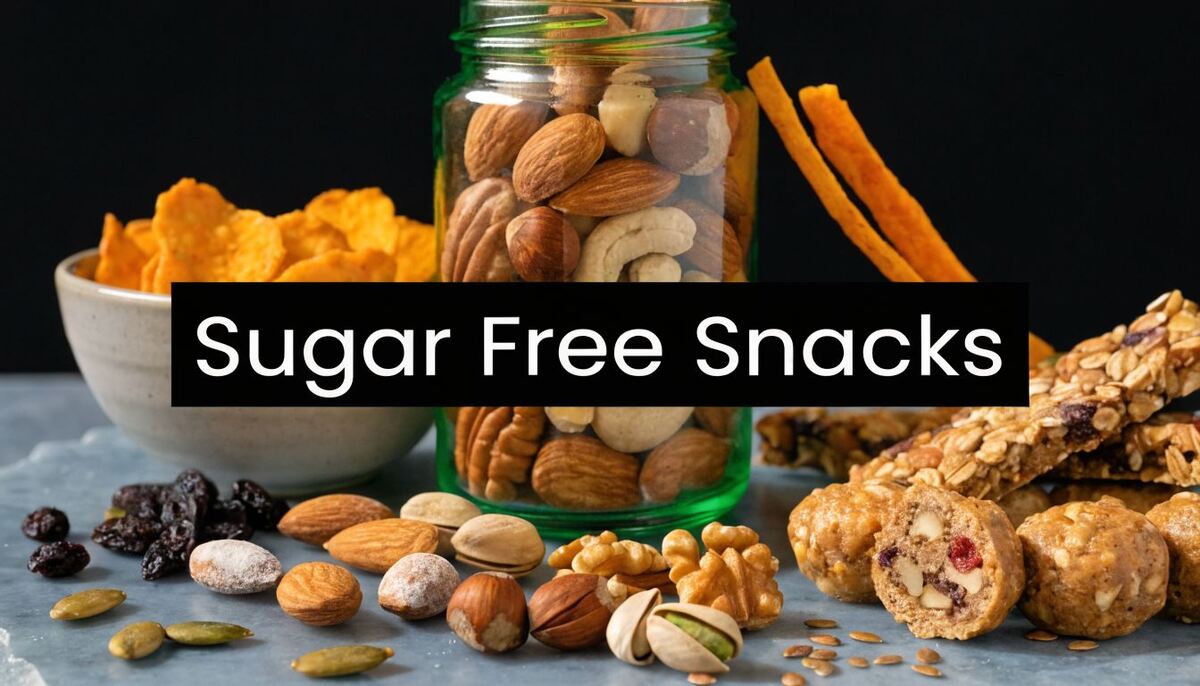
The best sugar free snacks are straightforward foods with a clear job: steady energy, better appetite control, and fewer ingredient-list surprises. In practice, the strongest options are nuts and seeds, plain Greek yogurt with berries, eggs, cheese, jerky without added sugar, vegetables with a sugar-free dip, dark chocolate, pork rinds, and cottage cheese. Each one has a different macro profile, and that matters. A snack that works for keto may not work for vegan eating, and a snack that works before a workout may be a poor fit for a desk afternoon.
That is why I look at snacks in three ways before recommending them: macronutrients, diet compatibility, and portion control. A cheese stick is portable and high in protein, but it is not dairy-free. Berries with yogurt can support a higher-protein snack, but the carbs may need tighter control for strict low-carb eating. Nuts travel well and satisfy, but calories add up fast if you eat from the container. If you are already using a structured low-carb meal plan, these details make it easier to place each snack where it supports the day instead of disrupting it.
If you are building a better snack routine for work or recovery, this also pairs well with a practical guide to workplace wellness snacks.
The list below focuses on snacks I would use in a real meal plan. You will see where each option fits, where it falls short, and how to use it without treating “sugar free” as a free pass to snack without limits.
1. Nuts and Seeds Mix (Almonds, Walnuts, Pumpkin Seeds)
You need a snack that can sit in a work bag, survive a long afternoon, and keep blood sugar steadier than a vending machine bar. A plain mix of almonds, walnuts, and pumpkin seeds does that well, with one condition. The serving has to be measured.
This snack earns its place because the macro profile is useful in real life. You get mostly healthy fats, a modest amount of protein, and some fiber, which helps with fullness between meals. It is naturally sugar free, portable, and simple to repeat. Diet fit is strong too: keto-friendly, vegan, gluten-free, and dairy-free, as long as you buy plain versions without coatings or sweeteners.
The trade-off is calorie density. Nuts and seeds are easy to overeat because they are small, crunchy, and rarely feel like a large portion. I usually recommend treating this as a planned snack, not a graze-all-day option.
How to make this snack work
Build your mix from plain almonds, walnuts, and pumpkin seeds, either raw or dry-roasted. Kirkland mixed nuts, Balanced packs, or a homemade mix from bulk bins are practical choices if the ingredient list stays short and unsweetened.
- Pre-portion first: Pack single servings before the week starts so hunger does not make the decision for you.
- Keep it plain: Skip honey-roasted, glazed, candied, or flavored mixes with starches and sugar.
- Match it to the day: This works well on travel days, between meetings, or in an afternoon slot where you need staying power more than quick energy.
- Use diet flags: Keto, Vegan, Gluten-Free, Dairy-Free. For stricter carb targets, it also fits easily into a structured low-carb meal plan or a more tightly controlled keto meal plan.
Practical rule: A portioned container works better than eating from the original bag.
For better meal-plan balance, pair this snack with a higher-protein meal later instead of asking nuts and seeds to cover every nutrition goal on their own. In an AI meal planner, I would log this as a fat-forward snack with moderate protein so the rest of the day can be adjusted accordingly.
2. Greek Yogurt with Berries (Sugar-Free)
Plain Greek yogurt is one of the most reliable high-protein sugar free snacks because it's fast, familiar, and easy to customize. Add fresh or frozen berries, and you get better texture and flavor without relying on dessert-style yogurt cups that often come with added sweeteners.
This is one of the few snacks that works equally well after a workout, in the middle of a workday, or as a structured evening snack when you want something cold and filling.

What to buy and what to skip
Choose plain versions such as Fage Total Plain Greek Yogurt, Chobani Plain Greek Yogurt, or Siggi's plain styles. Then add your own berries, nuts, or seeds. Frozen blueberries work especially well for meal prep because they hold up for multiple servings.
A practical combo is plain yogurt, a small spoonful of almonds, and berries for a snack that covers protein, fat, and fiber in one bowl. It's far more useful than a flavored yogurt that tastes healthy but functions like dessert.
- Buy plain only: “Vanilla” or “fruit on the bottom” often changes the whole nutrition profile.
- Prep several servings: Portion yogurt into containers so you can add berries quickly.
- Adjust texture: If you want more crunch, add seeds or a small amount of unsweetened topping right before eating.
In snack planning, this works best when you need protein and not just crunch. It's one of the more versatile options on this list because it can support satiety without feeling heavy.
3. Cheese Crisps and Cheese Sticks
The 3 p.m. snack problem is usually about texture, not hunger alone. If you want something salty and crunchy, cheese crisps can satisfy that faster than reaching for crackers or chips. If you want a snack that eats a little slower and feels more substantial, cheese sticks usually do the job better.
Whisps, baked cheddar crisps, mozzarella sticks, and plain string cheese are naturally low in sugar and easy to carry. Their biggest advantage is convenience. Their main trade-off is that they are not very high-volume foods, so they work best when you match them to the reason you are snacking.
How to use them well
Cheese crisps are the better fit for a true crunchy craving, but they can feel a little light on their own. Adding cucumber slices, cherry tomatoes, or bell pepper strips gives you more volume without changing the low-sugar profile much. Cheese sticks are often stronger for everyday use because they add protein and fat in a format that slows eating down.
From a macro standpoint, both options are typically low in carbs, moderate in protein, and higher in fat. That makes them a practical fit for low-carb and higher-protein snack planning, but less useful if you need fiber or a larger snack. People following a very low-carb approach often use these as a staple because they fit easily into a keto meal plan.
Cheese snacks handle savory cravings well. They work best as a replacement for ultra-processed crunchy snacks, not as an extra snack layered on top of them.
Diet compatibility is straightforward here. Cheese crisps and cheese sticks are usually keto-friendly and low-carb. They are vegetarian, but not vegan, and they may not fit lower-sodium meal plans if you already eat several packaged foods that day.
One practical way to use this in a structured meal plan is to treat cheese sticks as a protein-fat anchor and cheese crisps as a crunch add-on. If an AI meal planner flags your day as low in protein, a cheese stick makes more sense. If your meals are already protein-heavy and you just need a controlled savory snack, a pre-portioned bag of cheese crisps is often enough.
4. Celery and Almond Butter
This snack sounds basic, and that's exactly why it works. Celery gives you crunch and volume. Almond butter adds richness, staying power, and enough substance to make the snack satisfying.
It's a strong option for people who snack partly out of habit, not just hunger. The celery slows down the eating process, while the almond butter keeps it from feeling like diet food.
Best setup for busy weekdays
Prep celery sticks at the beginning of the week and store them cold so they stay crisp. Keep almond butter separate until you're ready to eat. That matters more than people think. Pre-loaded celery gets watery fast.
Justin's and Barney Butter single-serve packets are useful for commuting, office days, or travel. At home, a jar with a short ingredient list works just as well.
- Separate the components: Celery stays fresher, and the texture is better.
- Use unsweetened almond butter: Skip versions with added sweeteners or dessert flavors.
- Make it more filling when needed: Add a cheese stick or boiled egg if this isn't enough on its own.
For structured meal planning, this snack is helpful because it gives you clear control over the energy density. It's not the highest-protein option on the list, but it's one of the easiest to repeat consistently without getting bored.
5. Hard-Boiled Eggs
Hard-boiled eggs are one of the most practical sugar free snacks because they check every box. They're portable, affordable, naturally free of added sugar, and filling in a way many packaged snacks aren't.
They're also one of the best examples of why simple usually beats clever. You don't need a branded snack product when two eggs in a container solve the problem.
Why eggs keep showing up in good meal plans
Eggs work because they fit almost any setting. They're useful after meetings, before errands, after training, or during a long afternoon when you need real food and not just flavor. Store-bought packs are fine, but batch-cooking your own usually gives you better texture and lower cost.
Add salt, pepper, paprika, or turmeric if you want more interest. If plain eggs feel too repetitive, slice them over cucumber rounds or pair them with cherry tomatoes.
A lot of “healthy snacks” leave people hungry because they're mostly air, sweetener, or crunch. Eggs don't have that problem. They're compact but substantial.
If your current snack leaves you hunting for a second snack an hour later, eggs are often the fix.
For office use, peel them shortly before eating if possible. For home prep, keep a batch ready so convenience doesn't push you back toward bars or pastries.
6. Beef or Turkey Jerky (No Added Sugar)
You miss lunch, the afternoon gets busy, and the vending machine is your only backup. No-added-sugar jerky earns its place in these moments. It gives you portable protein that can sit in a desk drawer, gym bag, or travel kit without refrigeration.
Jerky is useful because it solves a specific problem. Many packaged snacks are built around starch, sweeteners, or both. Jerky gives you a protein-forward option that is easier to fit into lower-carb meal structures, especially if you are trying to keep blood sugar steadier between meals or following a diabetes-friendly meal plan.
The catch is label quality. A lot of jerky is cured with sugar, honey, maple syrup, or fruit concentrates, so “meat snack” does not automatically mean sugar free. Look for short ingredient lists, no added sugar on the front label, and a macro profile that gives solid protein without pushing sodium or calories higher than you intended.
What to look for in a good jerky
Beef and turkey jerky both work, but they behave a little differently in a meal plan. Beef jerky usually has a richer flavor and slightly more fat, which can make it more satisfying. Turkey jerky is often leaner, so it fits better if you want higher protein with fewer calories. For people tracking macros, that difference matters.
A practical serving is usually one single-serve pack. That gives you a defined protein target and prevents the “I kept snacking from the bag” problem. Jerky is also a natural fit for people using a carnivore food list as a planning reference, but portion control still matters if sodium intake, calories, or overall protein targets are part of the plan.
Chomps, Mission Meats, and similar meat sticks can be useful options if the ingredients are straightforward. Sourcing matters to some shoppers, but consistency matters more. If the taste, texture, and macros work for you, you are more likely to keep it on hand and use it instead of grabbing a bar or chips.
Current guidance around sugar-free snacking also points to a practical gap. A lot of content tells people what to eat, but not how to fit snacks into a macro-based plan. That matters here because jerky can be a smart protein bridge between meals or just an expensive salty extra, depending on portion size and what the rest of the day looks like. The challenge is especially relevant for people using structured nutrition tools, as noted in this discussion of sugar-free snack planning gaps.
If you want a quick visual on product types and label reading, this short video is helpful:
7. Mixed Vegetables with Guacamole or Hummus (Sugar-Free Versions)
If your snacks are heavy on dense foods and light on produce, this is the reset. Raw vegetables with guacamole or hummus bring crunch, fiber, and volume without making you feel like you're eating bird food.
This option is particularly useful for people trying to reduce mindless snacking. Carrot sticks, cucumber, celery, bell peppers, broccoli, and cauliflower take longer to eat than chips or crackers, and that usually leads to better appetite control.

Make the dip earn its place
Homemade guacamole is often the easiest route because you control the ingredients. For hummus, choose plain versions without sweet add-ins or dessert-style flavors. Tahini-based dips also work well and often hold up nicely for meal prep.
The bigger advantage here is flexibility. You can make this lighter or more filling depending on the dip and vegetable mix. Bell peppers and cucumbers feel fresh and easy. Broccoli and cauliflower make it more substantial.
- Prep once, eat often: Wash and cut vegetables ahead of time.
- Store for texture: A damp paper towel in the container helps some vegetables stay crisp.
- Rotate produce: Different vegetables keep the snack from becoming repetitive.
This snack doesn't always provide enough protein on its own, so it may need support from the rest of your day. But if your usual problem is overeating crunchy packaged foods, vegetables with a savory dip are one of the smartest swaps you can make.
8. Dark Chocolate with Nuts (85%+ Cocoa, No Added Sugar)
You want something sweet after dinner, but a protein bar or “healthy dessert” usually turns into extra sweeteners, extra calories, and a second serving. Dark chocolate with nuts solves that problem better when the portion is clear from the start.
A practical serving is 1 to 2 squares of 85%+ dark chocolate with a small handful of almonds or walnuts. That combination gives you fat, some fiber, and enough richness to feel finished without the blood sugar swing that comes with standard candy. In a structured snack plan, it fits best as a higher-fat, lower-sugar option rather than a free snack you eat straight from the bar.

The trade-off most people overlook
The label matters here. Choose chocolate with a high cocoa percentage and no added sugar, then check what replaced the sugar. Lily's and similar bars can work, but sweeteners such as erythritol, stevia blends, or chicory fiber do not sit well with everyone. I see this often with clients who tolerate a product once or twice a week, then notice bloating or cravings when it becomes a nightly habit. That concern is discussed in this overview of sweetener trade-offs in sugar-free snacks.
For people managing blood sugar more closely, it can help to place options like this inside a structured diabetic meal plan so the rest of the day supports the choice.
From a meal-planning standpoint, this snack works best when you log it like any other calorie-containing item. A typical pairing often lands around 180 to 250 calories, with low sugar, moderate fat, and modest protein depending on the nuts and brand. Diet fit is usually strong for low-carb and vegetarian plans, mixed for keto because portions add up quickly, and poor for strict vegan plans unless both ingredients are dairy-free.
Keep it portioned. Keep it intentional. That is what makes this a useful sugar-free snack instead of a slow creep back toward dessert every night.
9. Pork Rinds (Chicharrones)
Pork rinds are the crunchiest option on this list, and for some people that alone makes them useful. If you miss chips on a low-carb plan, pork rinds can bridge that gap far better than most imitation snack products.
They're especially handy when texture is the issue. A lot of sugar free snacks are soft, cold, or spoonable. Pork rinds are crisp, salty, and intense, which can make them more satisfying in small amounts.
Good use case and common mistake
Brands like 4505, Epic, and classic chicharrones can all work if the seasoning is simple. The mistake is turning them into an everyday staple just because they fit a low-carb framework. They're better used as an occasional crunchy snack or paired with dip in place of chips.
Watch sodium and how they fit into the rest of your day. If breakfast and lunch were already heavy on processed meats or salty packaged foods, pork rinds may be too much of the same.
- Use them for crunch replacement: They work best when replacing chips, not adding extra calories to the day.
- Choose simpler seasonings: Flavored versions can be fine, but heavily coated products are often less satisfying.
- Portion them before eating: Eating from the bag is where things get sloppy.
This isn't the most nutrient-diverse snack here, but it can still be a practical one. Sometimes adherence matters more than perfection. If pork rinds keep someone from diving into a vending machine, they've done their job.
10. Cottage Cheese with Everything Bagel Seasoning
You get home late, dinner is still an hour away, and sweet snacks sound unappealing. Cottage cheese solves that problem well. It gives you a savory, high-protein option that takes under a minute to assemble and usually does a better job with fullness than snack foods built around refined carbs.
A plain 1/2 to 1 cup serving typically gives you a meaningful protein hit with relatively few carbs, but the trade-off is sodium. Everything Bagel seasoning adds flavor fast, yet it can push salt intake higher, especially if the cottage cheese is already salted. For clients who retain water easily or already eat a lot of packaged foods, I usually suggest starting with a lighter hand on the seasoning and adding fresh cucumber or tomato for volume.
This snack also works well inside a more structured plan. If you use an AI meal planner or track macros manually, cottage cheese is easy to slot in because the portions are clear, the protein is predictable, and the add-ons can shift the snack toward different goals. Keep it simple for a lower-calorie afternoon snack, or add hemp seeds, chopped vegetables, or a few olives if you need more staying power.
The broader low and no sugar healthy snacks market reflects that preference for protein-forward options. Grand View Research lists the global low/no sugar healthy snacks market at USD 3,976.5 million in 2025 and forecasts it to reach USD 6,125.6 million by 2033 in its low/no sugar healthy snacks market data. Cottage cheese fits that pattern because it is simple, filling, and easy to adapt to a specific eating style.
Best fit, macro profile, and practical upgrades
Good Culture is a common pick because the texture is clean and the ingredient list is short, but any plain cottage cheese can work if you check for added sugars and compare sodium. For people who care about diet compatibility, this snack is usually Keto-friendly and vegetarian, but not vegan, and it may not fit dairy-free plans.
A few practical upgrades keep it useful without turning it into another repetitive snack:
- For higher satiety: Add sliced cucumber, cherry tomatoes, or radishes.
- For more flavor without sugar: Use dill, black pepper, chives, or smoked paprika with or instead of Everything Bagel seasoning.
- For macro control: Measure the portion once or twice. Cottage cheese is easy to overpour.
- For evening snacking: Pair it with raw vegetables instead of crackers to keep the snack filling but lower in sugar and refined starch.
Cottage cheese is not exciting. It is reliable, protein-dense, and easy to repeat, which matters more if your goal is better blood sugar control, easier adherence, or a snack you can readily build into the week.
Top 10 Sugar-Free Snacks Comparison
| Item | Implementation Complexity 🔄 | Resource Requirements ⚡ | Expected Outcomes 📊 | Ideal Use Cases 💡 | Key Advantages ⭐ |
|---|---|---|---|---|---|
| Nuts and Seeds Mix (Almonds, Walnuts, Pumpkin Seeds) | 🔄 Low, no-cook; portioning recommended | ⚡ Low–moderate: bulk nuts/seeds, airtight storage | 📊 Sustained energy, satiety; healthy fats & moderate protein | 💡 Meal-prep snack, travel, between meals | ⭐ Nutrient-dense, shelf-stable, budget-friendly |
| Greek Yogurt with Berries (Sugar-Free) | 🔄 Low, assemble & portion | ⚡ Low: plain Greek yogurt, berries, refrigeration | 📊 High protein, probiotics, improved satiety | 💡 Post-workout, breakfast, quick snack | ⭐ High protein and gut-health benefits |
| Cheese Crisps and Cheese Sticks | 🔄 Very low, ready-to-eat | ⚡ Low: purchase packaged, minimal storage | 📊 High satiety, virtually zero carbs | 💡 Keto snacks, office, travel | ⭐ Zero-carb, convenient, portable |
| Celery and Almond Butter | 🔄 Low, minimal cutting and portioning | ⚡ Low: fresh celery, almond butter, brief refrigeration | 📊 Low-calorie, fiber + healthy fats, moderate protein | 💡 Weight-loss snack, meal-prep, kids' snack | ⭐ High satiety per calorie, customizable |
| Hard-Boiled Eggs | 🔄 Low–moderate, batch cook and store | ⚡ Low: eggs, boiling equipment, fridge (7 days) | 📊 Complete protein, portable, very filling | 💡 Meal prep, post-workout, grab-and-go | ⭐ Complete amino profile, affordable |
| Beef or Turkey Jerky (No Added Sugar) | 🔄 Very low, ready-to-eat | ⚡ Low–moderate: purchase premium or dehydrate at home; shelf-stable | 📊 Concentrated protein, long shelf life | 💡 Travel, field work, high-protein snacking | ⭐ Portable high-protein, no refrigeration needed |
| Mixed Vegetables with Guacamole or Hummus (Sugar-Free) | 🔄 Moderate, chopping and dip prep | ⚡ Moderate: fresh produce, dip ingredients, refrigeration | 📊 High micronutrients and fiber; low calorie | 💡 Weight-loss meals, family snacks, parties | ⭐ Nutrient diversity, filling for few calories |
| Dark Chocolate with Nuts (85%+ Cocoa, No Added Sugar) | 🔄 Low, portion and store properly | ⚡ Low–moderate: quality chocolate, nuts, cool storage | 📊 Antioxidants, mood support; moderate calories | 💡 Occasional treat, adherence to diet plans | ⭐ Satisfies cravings while providing polyphenols |
| Pork Rinds (Chicharrones) | 🔄 Very low, ready-to-eat | ⚡ Low: purchase, shelf-stable storage | 📊 Zero carbs, high satiety; high fat/sodium | 💡 Keto crunch alternative, savory cravings | ⭐ Zero-carb crunchy snack, collagen source |
| Cottage Cheese with Everything Bagel Seasoning | 🔄 Low, mix & serve | ⚡ Low: cottage cheese, seasoning, refrigeration | 📊 Very high protein (casein); sustained overnight amino delivery | 💡 Evening snack, post-workout, high-protein diets | ⭐ Exceptional protein-to-calorie ratio, satiating |
How to Build a Smarter Snacking Strategy
It is 3:30 p.m., lunch is wearing off, and the nearest option is whatever is sitting in a desk drawer, gym bag, or convenience store cooler. That moment matters more than good intentions. A smart snacking strategy gives you an option that already fits your calories, macros, schedule, and diet style, so you are not making nutrition decisions when you are tired or rushed.
The best sugar free snacks do different jobs. Greek yogurt, eggs, jerky, and cottage cheese pull more weight when protein is the priority. Vegetables with hummus or guacamole help when you need volume and fiber without many calories. Nuts, cheese crisps, pork rinds, and dark chocolate can fit well too, but they usually need tighter portions because calories add up fast.
This is the part many people miss. "Sugar-free" is only one filter.
A better system is to rate each snack across four factors: protein, fiber or volume, energy density, and convenience. Then check whether it matches your eating pattern. Someone following keto may do well with eggs, cheese, jerky, and pork rinds. Someone eating plant-based may build around nuts, seeds, vegetables, hummus, and unsweetened dairy alternatives if they use them. Someone training hard may need a snack with more total energy than someone trying to reduce body fat.
Trade-offs matter. Nuts and nut butter offer minerals, healthy fats, and good staying power, but portions are easy to underestimate. Jerky travels well and adds protein fast, but sodium can be high. Dark chocolate can make a plan feel more sustainable, yet it is still an energy-dense food. Some sugar alcohols and high-intensity sweeteners are tolerated well by one person and poorly by another, especially if they show up in several products across the day.
The practical fix is to remove guesswork before hunger hits. Keep two or three default snacks for home, work, and travel. Pre-portion calorie-dense items into single servings. Pair convenience with structure, for example cottage cheese after training, vegetables and dip in the afternoon, or jerky and a measured portion of nuts on long travel days.
Use this checklist:
- Match the snack to the goal: Higher protein for satiety or recovery. Higher volume for appetite control. A planned treat for adherence.
- Check the macro profile: Protein, fat, carbs, and calories should make sense for the rest of the day.
- Flag diet compatibility: Keto, vegetarian, high-protein, gluten-free, or dairy-free needs change what works.
- Read ingredients, not just claims: "No added sugar" and "sugar-free" do not guarantee a balanced snack.
- Review your response: A snack that leads to cravings, bloating, or overeating is a poor daily choice, even if the label looks good.
For readers who want more structure, the AI Meal Planner can place snacks into a weekly plan with meals, macro targets, and a grocery list. That makes it easier to use the snack profiles from this guide in a real routine instead of choosing randomly each day.
Consistency beats perfection. Build around simple foods you will keep stocked, portion the foods that are easy to overeat, and use snack variety with intention. If you want a broader health context for weight management habits, this evidence-based clinical weight loss advice is also worth reading.
Frequently Asked Questions About Sugar-Free Snacking
Q: Are sugar-free snacks automatically healthy?
A: No. Some are still high in sodium, low in protein, or easy to overeat.
Q: How do I avoid hidden sugars in healthy snacks?
A: Check both the ingredients list and the front label. Plain, unsweetened versions are usually the safest bet.
Q: Can I eat sugar-free snacks and still gain weight?
A: Yes. Sugar-free does not change calorie intake, especially with energy-dense snacks like nuts, cheese, and chocolate.
Q: What's the best sugar-free snack before a workout?
A: Greek yogurt with berries or another light protein-based option often works well if you want something easy to digest.
Q: Are sweeteners in sugar-free snacks always a problem?
A: Not always, but tolerance varies. If a product causes digestive discomfort or increases cravings, it is probably not a good everyday option for you.
Q: Can people with diabetes eat these snacks?
A: Many can fit, but total carbs, fat, portion size, and medication timing still matter. Individual guidance from a healthcare professional is important.
If you want your snacks to fit your calories, macros, and diet preferences without manual planning, AI Meal Planner can build them into a personalized weekly meal plan and grocery list.
AI-powered nutrition
Get Your Personalized Meal Plan
AI creates the perfect meals for your goals, lifestyle, and taste.
Start Your Journej