Is Applesauce Gluten Free? A Complete 2026 Guide
You're in the grocery aisle, holding a jar that looks harmless: applesauce. If you eat gluten-free, that quick label check is smart, because apples themselves are safe but packaged foods can get complicated fast.
Is Applesauce Gluten Free?
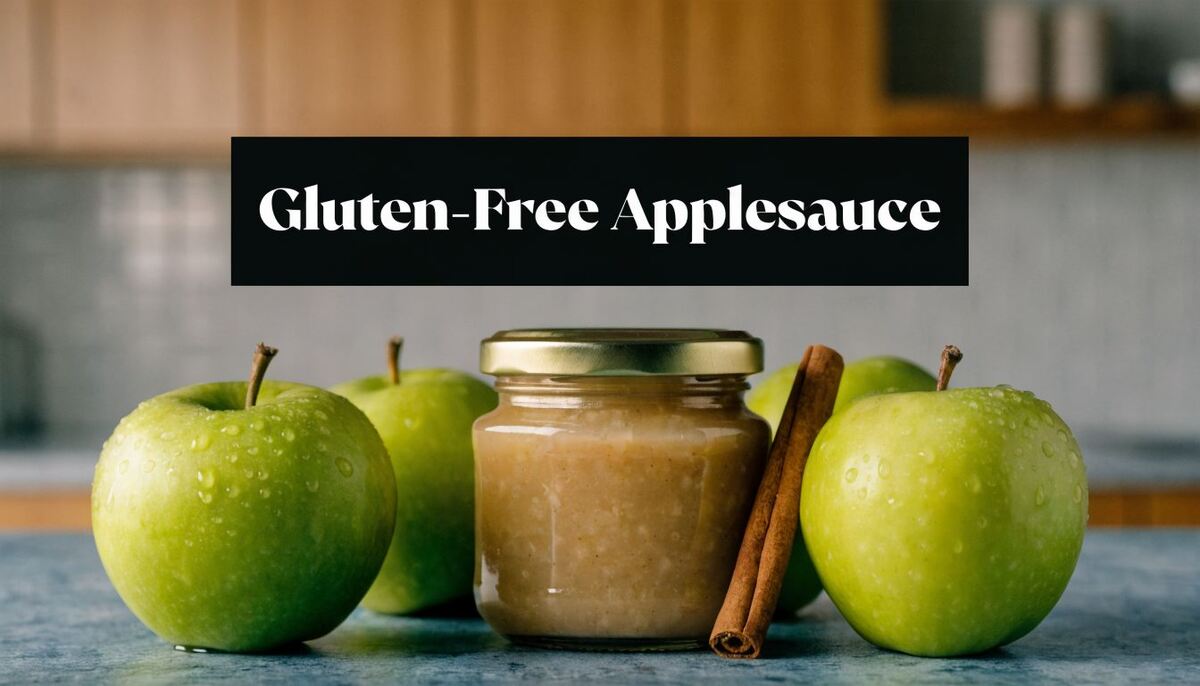
You grab a pouch of applesauce because it seems like an easy gluten-free snack. In most cases, it is. Plain applesauce is naturally gluten-free because apples contain no gluten, and a product labeled gluten-free in the U.S. must meet the FDA's gluten-free standard of less than 20 parts per million.
For day-to-day shopping, the short answer is yes. The more useful answer is that plain, unsweetened applesauce usually gives you the simplest fit in a gluten-free routine, especially if you are also watching added sugar or tracking carbs. Sweetened versions can still be gluten-free, but they change the nutrition profile, which matters if you are trying to keep snacks predictable inside a gut health meal plan that also accounts for sugar and ingredient tolerance.
Packaged products still deserve a quick label check. Look for clear gluten-free wording, a short ingredient list, and flavored varieties that do not add unnecessary uncertainty.
Why a Simple Fruit Puree Needs a Gluten-Free Check
You are standing in the snack aisle, holding a cinnamon applesauce pouch that looks just as safe as the plain one next to it. For a casual gluten-free eater, that may be enough. For someone with celiac disease, or someone trying to keep both gluten exposure and added sugar predictable, that quick assumption can cause problems.
Applesauce starts simple, but packaged applesauce is still a processed food. Manufacturers can add sweeteners, flavor blends, stabilizers, or ingredients that make the label less transparent than the product name suggests. Shared equipment can add another layer of uncertainty, especially for anyone who reacts to trace exposure.

That is why this question deserves more than a yes-or-no answer. The practical question is whether a given applesauce fits your level of gluten sensitivity and your nutrition goals. Unsweetened applesauce is often easier to place in a gut-friendly meal plan that also keeps sugar and ingredient tolerance in view, while sweetened or flavored versions can still work if the label is clear and the macros make sense for your day.
Why packaged foods deserve a second look
Ingredient panels tell you more than front-of-pack words like “natural” or “made with real fruit.” I tell clients to slow down when a simple fruit product starts reading like a formulation. Apple, water, and cinnamon is one kind of purchase decision. Apple puree plus sweeteners, flavor systems, and texturizers is another.
A longer ingredient list does not automatically mean a product contains gluten. It does mean you need stronger evidence that the manufacturer has controlled for gluten ingredients and cross-contact.
Practical rule: If you want the lowest-friction option, choose applesauce with a short ingredient list and a clear gluten-free claim.
The benchmark that matters
In the U.S., a food labeled gluten-free has to meet the FDA limit of less than 20 parts per million of gluten, which is why the regulatory ceiling for gluten-free foods matters during shopping. That standard gives you something concrete to look for when the package itself feels vague.
For everyday use, this is the trade-off. Plain unsweetened applesauce usually gives you the cleanest label and the most predictable nutrition profile. Sweetened and flavored applesauce can still fit a gluten-free diet, but they deserve a closer read if you are trying to control symptoms, added sugar, or daily carb targets.
Understanding the Gluten-Free Baseline for Applesauce
A jar of applesauce starts from a safe place. Apples are naturally gluten-free, so plain applesauce made from apples, water, and basic spices such as cinnamon is usually a low-risk food.
The useful question is not whether apples contain gluten. It is how much certainty the finished product gives you once it has been sweetened, flavored, packaged, and processed. That matters even more if you are managing celiac disease, tracking carbs, or trying to keep added sugar low without giving up convenience foods.
What “baseline” means in practice
For applesauce, the gluten-free baseline is simple. Fewer ingredients usually means fewer variables to check. Unsweetened applesauce often fits that baseline best because the formula tends to stay close to fruit puree, which also makes nutrition tracking easier. You can plug it into a meal plan without guessing how much sugar or extra carbohydrate came from the manufacturer.
Sweetened applesauce can still be gluten-free. It just asks for a little more label reading because every added ingredient increases the number of things that need verification.
Where certainty gets weaker
Three factors can lower confidence:
- Added ingredients
The more a product moves away from plain fruit puree, the more carefully it should be screened. Sweeteners, stabilizers, and blended ingredients do not automatically mean gluten is present, but they do create more places for problems to hide. - Flavor blends and less specific labeling
Ingredients such as natural flavors or spice blends are not immediate red flags. They are a prompt to read closely, especially if the package does not make a clear gluten-free statement. - Manufacturing controls
For people with celiac disease, this is often the deciding factor. An ingredient list can look clean while the production line still introduces cross-contact risk.
What counts as a stronger signal
In the U.S., a packaged food labeled gluten-free has to meet the FDA standard of less than 20 parts per million of gluten. The FDA explains that rule in the U.S. ceiling for gluten-free labeling. That gives shoppers a concrete benchmark.
A practical way to apply it:
| Shopper type | Usually acceptable | Better choice |
|---|---|---|
| Casual gluten avoidance | Short ingredient list with no obvious gluten ingredients | Clear gluten-free label |
| Celiac disease or strict medical diet | Ingredient review alone may feel incomplete | Certified gluten-free product or clear facility controls |
Nutrition goals matter here too. Unsweetened applesauce is usually the easier fit for macro tracking, lower added sugar targets, and snack planning. Sweetened versions may still work, but they deserve a tighter look for both gluten confidence and sugar load. If you compare staples across brands often, a searchable food database for gluten-free meal planning can make that process faster.
For casual gluten avoidance, a clean ingredient list may be enough. For celiac disease, the better question is whether the manufacturer gives you process-level confidence as well as ingredient-level confidence.
What Hidden Gluten Risks Should You Look For?
The grocery shelf doesn't sort applesauce by risk level. You have to do that yourself. The safest approach is to rank products by how much certainty they give you.

Start with the highest-confidence option
If a product is certified gluten-free or clearly states gluten-free and comes from a manufacturer with strong allergen controls, that's the cleanest answer. According to this celiac-focused review of applesauce risk, gluten-free status is most reliable when applesauce is produced in a dedicated gluten-free facility or carries a certified gluten-free claim, because shared equipment can create low-level contamination.
That distinction matters. People avoiding gluten casually can often rely on ingredient review. People with celiac disease usually need more confidence than “no gluten ingredients.”
Ingredient clues that should slow you down
You don't need to panic over every unfamiliar word. You do need to notice when a simple food stops looking simple.
Watch for labels that include:
- Long additive lists that make the product look more engineered than fruit-based
- Flavor blends that don't explain what's included
- Seasoned or dessert-style versions that move farther away from plain applesauce
- No gluten-free statement when the product also seems more processed
Commercial products in the Mott's category are often described as gluten-free because they contain no gluten ingredients, but they aren't always certified gluten-free. That makes them a reasonable fit for some shoppers and a less comfortable fit for others.
A practical safety hierarchy
When I help people choose packaged foods, this is the order I use:
- Best fit for strict needs: Certified gluten-free applesauce
- Strong option: Manufacturer-labeled gluten-free applesauce with simple ingredients
- Usually workable for lower-risk users: Plain applesauce with a short ingredient list
- Least predictable: Flavored or heavily processed versions with vague ingredient language
If your symptoms are medically significant, choose certainty over convenience.
How to Read Applesauce Labels for Gluten-Free Confidence
A good applesauce label should take only a few seconds to understand. If it takes detective work, that's already useful information. Simplicity is your friend here.

What a reassuring label looks like
Consumer guidance is consistent: plain applesauce is gluten-free, but you still need to verify added ingredients and cross-contamination warnings. That same guidance notes that brands such as Eden Foods present their applesauce as “just 100% organic apples” to communicate simplicity and safety in formulation, as shown on the Eden Foods applesauce product page.
A reassuring label often has one or more of these traits:
- Short ingredient list such as apples, water, and maybe cinnamon
- Clear gluten-free wording on the package
- Plain style name rather than dessert-style or novelty flavor names
- Few extras beyond the fruit itself
A fast label-reading routine
Use this order in the store:
- Check the front panel
Look for gluten-free wording or certification first. - Read the full ingredient list
Shorter is usually better for applesauce. - Scan for facility language if you need strict avoidance
This isn't always present, but if it is, it can help you gauge risk. - Skip products that create doubt
If the label feels vague, choose another jar or pouch.
For families sending applesauce in lunchboxes or to childcare, clear food identification matters too. These daycare allergy management labels are a practical way to mark allergy-related foods so caregivers know exactly what a child is eating.
When homemade is simpler than shopping
If packaged labels keep frustrating you, homemade applesauce is often the easier answer. It removes the ingredient mystery and gives you full control over what goes in the pot.
How to Make Your Own Certified Safe Applesauce at Home
Homemade applesauce is the lowest-stress option when you want full control. You choose the apples, the seasonings, and the kitchen tools. If your ingredients are gluten-free, your applesauce will be too.

A simple homemade version
Use peeled or unpeeled apples, water, and cinnamon if you like it. Simmer until soft, then mash or blend to your preferred texture. That's it.
A basic method:
- Apples: Chop them into even pieces
- Water: Add enough to prevent sticking while they soften
- Cinnamon: Optional, but easy if you want flavor without extra ingredients
Cook until the apples break down, then mash with a fork for chunky sauce or blend for smooth sauce.
Why homemade helps beyond gluten
Applesauce becomes more than a yes-or-no gluten question at this point. Applesauce can vary widely in added sugar and fiber, which changes how it fits into meal planning. Guidance from Strongr Fastr's applesauce nutrition pagenotes that unsweetened, additive-free applesauce fits approaches like Whole30, while many store-bought versions include added sugars or preservatives.
That makes homemade useful for several goals:
- Lower sugar eating: You control sweetness by skipping added sugar
- Macro tracking: You know exactly what version you made
- Simple ingredient cooking: No preservatives, fillers, or surprise flavor systems
- Baking swaps: Applesauce can replace part of the fat in some recipes
If you want more ways to use it, a collection of simple applesauce-friendly recipes can help you plug homemade sauce into breakfasts, snacks, and baking.
A visual walkthrough can help if you prefer to watch the process first.
Homemade applesauce solves two problems at once. It gives you gluten confidence and puts sugar control back in your hands.
Integrating Applesauce into Your Gluten-Free Meal Plan
Once you know is applesauce gluten free, the next useful question is whether the version you buy supports your actual goal. A gluten-free label doesn't automatically mean it fits a lower-sugar, higher-fiber, or more structured eating plan.
The meaningful split is usually unsweetened versus sweetened. As noted in the earlier nutrition reference, applesauce can vary widely in added sugar and fiber, and unsweetened, additive-free products fit some structured plans more easily than sweeter store-bought versions. That changes whether applesauce works best as a fruit serving, a baking ingredient, or an occasional snack.
Where each type fits best
| Type | Often works well for | Less ideal for |
|---|---|---|
| Unsweetened applesauce | General gluten-free eating, simple snacks, baking swaps | People who dislike tartness |
| No-sugar-added applesauce | Meal planning with tighter ingredient standards | Shoppers who want a sweeter taste |
| Sweetened applesauce | Dessert-style use or occasional convenience snacks | Sugar-conscious meal plans |
A practical way to use it
Try applesauce in one of three roles:
- As a fruit side with breakfast or lunch
- As a recipe ingredient in baking or sauces
- As a planned snack when the label matches your needs
If you're building a routine around gluten-free eating, a structured gluten-free meal plan can help you sort foods by both safety and fit. For people who want meals, grocery lists, and macro tracking in one place, AI Meal Planner onboarding is one option for setting up that system.
Frequently Asked Questions About Applesauce and Gluten
Is unsweetened applesauce gluten-free?
Usually, yes. Unsweetened applesauce is generally the simplest option because it tends to have fewer added ingredients.
Can cinnamon applesauce still be gluten-free?
Yes, it can. The key is checking the full ingredient list and product labeling, since flavored versions deserve a closer look than plain applesauce.
Is organic applesauce safer for gluten-free diets?
Not automatically. Organic tells you how ingredients were produced, not whether the product is protected from gluten cross-contact.
Is applesauce safe for someone with celiac disease?
It can be, but stricter shoppers should prioritize certified gluten-free products or brands with strong manufacturing controls. Ingredient review alone may not offer enough certainty for everyone with celiac disease.
Is Mott's applesauce gluten-free?
Products in that category are commonly described as gluten-free because they contain no gluten ingredients, but they are not always certified gluten-free. For strict medical diets, certification is the more reassuring choice.
Is baby applesauce gluten-free?
Often yes, especially when it's plain fruit puree. Still read the label, because baby foods can vary in ingredients and processing.
Can I use applesauce in gluten-free baking?
Yes. Applesauce is commonly used as a moisture-rich ingredient or partial fat substitute in baking, as long as the rest of the recipe is also gluten-free.
If you want your gluten-free choices to fit your bigger nutrition goals too, AI Meal Planner can help you organize meals around ingredients, allergies, and preferences without guessing what fits your plan.
AI-powered nutrition
Get Your Personalized Meal Plan
AI creates the perfect meals for your goals, lifestyle, and taste.
Start Your Journej