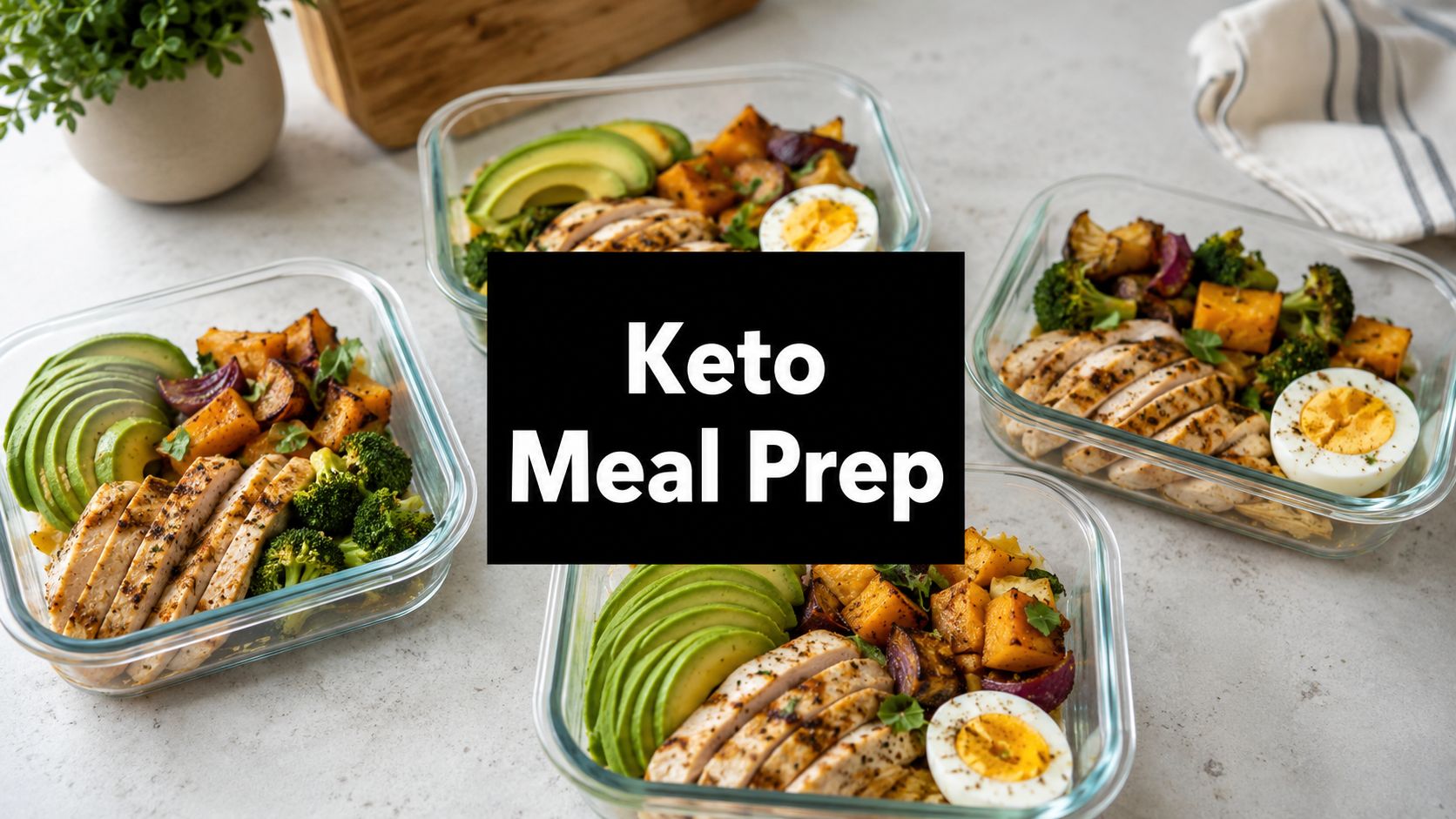
Sunday night, the fridge is full, but not everything in it is safe to eat. One container has a sauce with an unclear label. Another was packed beside a food that triggers a reaction in someone at home. Keto meal prep gets harder fast when low-carb targets have to coexist with allergy control, clean ingredient lists, and strict separation during prep and storage.
The best approach is to use repeatable prep systems built around very low carb meals, clear labeling, separate tools and containers, and prep zones that reduce cross-contact. The methods in this guide focus on eight setups that hold up in real kitchens: sheet pan meals, casseroles, pressure-cooked proteins, egg-based prep, soups, snack production, salad assembly stations, and macro-modular batch cooking.
Allergy-aware keto prep is rarely a recipe problem alone; it is a workflow problem. A good system cuts down decision fatigue, keeps risky ingredients visible, and makes it easier to rotate meals without wondering whether a seasoning blend, marinade, or leftover container is still safe for the right person.
There are trade-offs. Batch cooking saves time, but only if storage is organized well enough to prevent mix-ups. Repeating the same protein simplifies shopping, but variety usually needs to come from sauces, textures, and side components that are prepared and stored separately. For households that want help organizing meals around allergy filters and groceries, AI Meal Planner onboarding is one planning option.
If training, commuting, or school schedules are part of the week, structure matters even more. The fallback is usually takeout, skipped meals, or snack-style eating that misses both keto targets and allergy precautions. Pairing meal prep with a simple routine like these workout exercises can make the week easier to manage because food is already handled before the busiest days start.
1. Sheet Pan Keto Proteins with Roasted Vegetables
For allergy-aware keto prep, sheet pan cooking works because it keeps the ingredient list visible. You can see every protein, every vegetable, and every seasoning before anything goes into the oven. That matters when a hidden marinade or shared sauce could ruin the week.
A good setup is one protein per pan and one vegetable family per section. Chicken thighs with broccoli, salmon with asparagus, turkey thighs with green beans, or beef with radishes all work. If one person in the house avoids dairy, nuts, sesame, or seafood, keep those items on their own tray with their own parchment.

How to make this system work all week
Pat proteins dry so they roast instead of steam. Arrange denser vegetables where they'll get more direct heat, and use parchment to separate components if you're cooking for multiple allergy needs at once.
This is also one of the easiest ways to build high-protein keto meals without much cleanup. If that's your priority, a structured high-protein low-carb meal plan can help you turn one pan session into several lunch and dinner combinations.
What works well:
- Separate seasoning bowls: Mix spice blends in small bowls first so you don't contaminate original jars with wet hands or shared utensils.
- Dedicated parchment zones: Fold up a divider edge between foods if one ingredient is safe for one person but not another.
- Glass storage: Store cooled portions in glass containers so strong flavors and oils don't linger the way they often do in plastic.
What doesn't work is cramming everything together. Vegetables release water, fish cooks faster than chicken, and cross-contact happens fast when foods touch during roasting.
Practical rule: If someone has a serious allergy, don't rely on “I'll remember which side is which.” Label the container before the food goes in.
2. Keto Casseroles and Baked Dishes
You pull a casserole from the fridge on Wednesday, and it should answer two questions fast. Is it still safe for the person with allergies, and will it still taste good after reheating? If the answer to either one is no, the prep system failed.
Casseroles work well for keto because they hold protein, fat, and vegetables in one dish and portion cleanly for several meals. They also create avoidable allergy risks. Shared cheese bags, almond flour toppings, and “just a little cream” additions are common points where an otherwise safe meal stops being safe.
Start with the base that fits the household, then build the dish around it. Dairy-heavy casseroles suit people who tolerate dairy. Broth-and-olive-oil or broth-and-coconut-cream mixtures hold up better for dairy-free prep. If eggs are out, use reduced sauce, cooked-down vegetables, and the natural structure of shredded chicken, ground beef, or chopped cauliflower instead of trying to force a binder that someone cannot eat.
I group allergy-aware keto bakes into a few practical types:
- Creamy dairy bakes: chicken, spinach, and cauliflower for households that tolerate cheese or cream
- Broth-based bakes: beef, mushrooms, zucchini, or cabbage with a reduced pan sauce instead of dairy
- Egg-free casseroles: tuna, salmon, chicken, or sausage dishes that set from moisture control rather than eggs
- Crunch-topped versions: crushed pork rinds, toasted coconut flakes, or extra roasted vegetables instead of almond flour or seed-based toppings
The trade-off is texture. A dairy casserole usually reheats richer and stays cohesive more easily. A dairy-free or egg-free casserole needs better moisture control, or it turns loose and watery by day two. Pre-cook wet vegetables like zucchini, mushrooms, and spinach before they go into the baking dish. That single step fixes many reheating problems.
For allergy management, casseroles need stricter handling than soups or skillet meals because everything is mixed together. Once cross-contact happens, there is no easy fix. Use a dedicated mixing bowl, clean spatula, and clearly labeled baking dish for each version. If one pan is nut-free and another includes almond flour, keep them on separate oven racks or bake them in separate rounds if the allergy is severe.
Cooling matters too.
Let the casserole cool fully before cutting and storing it. That helps it set, prevents steam from watering out the sauce in the container, and makes portions cleaner and easier to label. I also recommend slicing first, then storing servings in individual containers so nobody has to dig into a shared dish with whatever spoon is nearby.
Good casserole prep is less about one recipe and more about control. Control the ingredients, control the moisture, and control who handles each version. Done right, this system gives you several keto meals that are varied enough to eat through the week and controlled enough to trust.
3. Slow Cooker and Instant Pot Batch Cooking
When allergies narrow your safe ingredient list, tender batch-cooked protein becomes your insurance policy. A pot of shredded chicken, pulled pork, or chuck roast can turn into bowls, lettuce wraps, soups, or skillet meals without forcing you into the same exact plate every day.
This system is especially useful if you don't tolerate common keto extras like cheese, heavy cream, or packaged snack foods. The protein does the heavy lifting. Add fat and vegetables later, based on what's safe and what you feel like eating.
Use one cooked protein in several ways
A slow cooker or pressure cooker batch gives you neutral, flexible food. Pulled pork can become carnitas bowls one day and cabbage wraps the next. Shredded chicken can go into salad, broth, or a quick sauté with zucchini. Beef can become a bowl with cauliflower rice or a spoonable stew.
The safest approach is plain cooking first, flavor later. Cook meat with broth, salt, and a few tolerated aromatics. Then divide the finished batch into containers and season portions separately.
That matters for households where one person needs dairy-free, another needs nightshade-free, and someone else wants spicy food. One base protein keeps everyone fed without cooking three separate dinners.
A few habits make this system better:
- Reserve cooking liquid: It adds moisture back during reheating and can become a quick pan sauce.
- Portion while warm: Shredding and dividing is easier before the meat firms up in the fridge.
- Freeze extra containers: If you're already washing the pot, make enough to give yourself a future easy week.
What fails here is over-seasoning the whole batch. A giant pot of strongly flavored meat locks you into one cuisine all week, and that's usually where meal fatigue starts.
4. Fat Bomb and Keto Snack Batch Production
It is 3 p.m., lunch ran short, dinner is still hours away, and the only safe option in the break room is a protein bar with ingredients you do not trust. That is where a small batch of allergy-safe keto snacks earns its space in the fridge or freezer.
This system works best as backup fuel, not as the center of your weekly prep. Fat-heavy snacks can steady appetite between meals, but they are also easy to over-portion and often built around common allergens such as peanuts, tree nuts, whey, casein, and coconut. For anyone managing food allergies, the job is simple. Keep ingredients controlled, portion sizes obvious, and cross-contact risk low.
Build a small, safe snack lineup
A good batch usually means two snack types, not six. One can be a higher-fat option such as dairy-free fat bombs made with tolerated ingredients. The other can be a more substantial grab-and-go item, such as turkey roll-ups, olive packs, seed crackers, or chia pudding if seeds are tolerated. That variety helps prevent boredom without turning snack prep into a second cooking project.
Standard keto snack recipes often assume almond flour, peanut butter, butter, cream cheese, or collagen powders will work for everyone. In practice, allergy-friendly prep takes more discipline. Use dedicated molds or trays for allergen-specific versions, freeze items in a single layer before storing, and label each container with both the flavor and the allergens it contains. In mixed-allergy households, I recommend dating every batch too. Small frozen snacks all look similar after a week.
If you track macros, use a calorie and macro calculator before batching a full tray. A snack that fits your carb target can still crowd out protein or push fat intake higher than intended. The point of this system is to solve timing problems without creating intake problems.
What usually works well:
- Single-bite or two-bite portions: Easier to portion, thaw, and transport.
- Freezer storage first: Better texture control for fat-based snacks and less spoilage.
- Short ingredient lists: Fewer variables to troubleshoot if you react badly.
- Separate tools for allergen batches: A dedicated spatula or mold matters if one version contains dairy or nuts.
What causes problems:
- Large homemade desserts labeled as snacks: They are harder to portion accurately.
- Too many sugar alcohols or fibers in one batch: Digestive issues show up fast.
- Poor labeling: This is how safe snacks become guesswork.
- Using snacks to replace real meals all week: Energy dips and hunger usually follow.
Homemade keto snacks still beat most packaged options for ingredient control. You choose the fat source, the sweetener, the texture, and the storage method. That control matters more than novelty when allergies are part of the plan.
5. Egg-Based Meal Prep With Frittatas, Egg Muffins, and Scrambles
Monday gets easier when breakfast is already cooked, labeled, and safe to reheat. Egg-based prep earns its place because it covers fast breakfasts, backup lunches, and low-effort dinners with very little assembly. In allergy-aware kitchens, though, this system only works if ingredient control stays tight from mixing bowl to storage container.

Frittatas work well for slice-and-store meals. Egg muffins handle portion control better. Soft scrambles are the quickest option, but they keep for less time and usually taste best within a couple of days. The right choice depends on your week. If grab-and-go matters most, use muffins. If you want one larger base you can pair with greens, sausage, or avocado, bake a frittata. If texture matters more than shelf life, cook a small batch of scramble and plan to eat it early.
For allergy management, keep each batch simple and separate. Spinach and feta, mushroom and herb, sausage and cheddar, or smoked salmon and dill can all work, but mixed-allergen households should avoid “half and half” trays. Use separate bowls, separate silicone cups or pans, and clear labels that list both the flavor and the allergens. That extra step prevents the common mistake of assuming all egg muffins in the fridge are interchangeable.
Prevent watery reheats and rubbery texture
Egg prep fails for predictable reasons. Raw zucchini, mushrooms, and spinach release water. Overfilled muffins cook unevenly. High heat makes eggs tough, and that texture gets worse after refrigeration. Pre-cook wet vegetables, drain them if needed, and let them cool before adding them to the eggs. I also keep add-ins modest. Too many fillings turn a reliable prep into a soggy one.
A plain batch pays off more often than people expect. Eggs baked with salt, pepper, and herbs can shift between breakfast and lunch without clashing with the rest of the meal. That flexibility matters if one person in the house needs dairy-free portions and another wants cheese, or if you are building meals from a ketovore meal plan approach that relies on simple protein-forward components.
Here's a helpful visual if you want a baked format:
Kitchen note: The best egg prep usually has fewer ingredients. Crowded muffins crack, weep moisture, and reheat unevenly.
6. Keto Soup and Broth-Based Meal Prep
A pot of soup often saves the week when the fridge looks picked over and one unsafe ingredient could ruin several meals. For keto meal prep with food allergies, soup earns its place because it gives tight control over every component, from the stock to the finishing fat.
The best batches follow a simple structure. Start with a broth you trust, add one main protein, choose low-carb vegetables that hold up well, and finish with enough fat to keep the meal satisfying. Chicken and spinach soup, beef and mushroom broth, turkey meatball soup, cauliflower soup, broccoli soup, and zucchini-based broths all fit that system. Each one can stay dairy-free, egg-free, nut-free, or seafood-free if needed.
Why soup works so well for allergy-aware keto prep
Soup is one of the safer batch methods for mixed-allergen households because everything cooks in one contained vessel. There is less splatter, fewer utensils in play, and fewer opportunities for a risky add-in to spread across the kitchen. That matters more than recipe variety if someone in the house reacts to trace exposure.
It also reheats better than many keto staples. Roasted vegetables can go soft. Egg dishes can turn rubbery. Soup usually comes back with a more forgiving texture, especially if you keep delicate ingredients, such as fresh herbs or dairy, for the final reheat instead of the original cook.
Body matters here. If dairy is safe, stir in cream cheese, heavy cream, or sour cream after the soup is off the heat so it stays smooth. If dairy is not an option, blend part of the soup or simmer it a little longer to thicken the broth naturally. That gives richness without depending on starches or flour.
I also recommend treating soup as a system, not a single fixed recipe. Cook plain shredded chicken, browned beef, or turkey meatballs in advance, then drop them into different broths through the week. That approach works especially well if you follow a more protein-forward ketovore meal plan structure and want meals that stay simple without feeling repetitive.
A few practical rules keep soup prep reliable:
- Cool before freezing: Let the pot vent and portion it only after the steam drops. Trapped heat creates excess condensation and can soften vegetables.
- Leave headspace: Frozen liquids expand, and overfilled containers crack or leak.
- Season in stages: Broth reduces in storage and during reheating, so aggressive salting on day one can leave leftovers too strong.
- Store garnishes separately: Cheese, herbs, scallions, chili oil, and crispy toppings stay fresher and reduce cross-contact risk when added at serving time.
- Label the container clearly: List the soup name, date, and key allergens. That prevents the expensive mistake of thawing the wrong batch.
For households managing allergies, soup is less about comfort food and more about control. A well-labeled freezer row of safe keto soups gives you fast meals, fewer emergency takeout decisions, and a backup plan for the nights when cooking from scratch is not happening.
7. Keto Lettuce Wrap and Salad Assembly Station
Tuesday lunch is where meal prep often starts to fail. The cooked food is still technically fine, but the salad is limp, the lettuce wraps have gone watery, and one unsafe topping can ruin the whole batch for anyone managing allergies. A better setup is an assembly station. Prep the parts once, keep them separate, and build each meal in two minutes.
Store cooked chicken, tuna salad, salmon, sliced steak, cucumbers, radishes, herbs, olives, avocado, greens, and dressings in separate containers. That keeps texture intact and gives you more than one meal from the same prep session. One protein can become a romaine wrap one day, a chopped salad the next, and a bowl over shredded cabbage later in the week. If you already follow a structured keto meal plan, this is one of the easiest ways to stay on plan without eating the exact same lunch repeatedly.

Separate components are safer and more flexible
For allergy management, this system does more than preserve freshness. It gives tighter ingredient control. Dressing stays in its own jar. Seed, nut, cheese, or pork toppings stay in separate cups. Proteins stay away from shared greens until serving. If one person in the house can tolerate an ingredient and another cannot, that separation prevents a small add-on from contaminating every lunch container in the fridge.
The trade-off is that assembly stations require better organization. You need labels, clean utensils for each container, and enough refrigerator space to keep raw produce away from cooked proteins and allergen-specific items. In practice, that extra setup time pays for itself because meals stay usable longer and mistakes are easier to avoid.
A few habits make this system work well:
- Dry greens and cut vegetables thoroughly: Water shortens shelf life and dilutes dressings.
- Pack wraps and salads in order: Greens first, protein second, wet ingredients last.
- Use dedicated spoons or tongs: Shared utensils are a common source of cross-contact.
- Label allergens clearly: “Contains fish,” “dairy-free,” or “safe for all” is more useful than vague shorthand.
- Portion dressings separately: This protects texture and lets each person choose tolerated ingredients.
Pre-mixed salads usually fall apart by midweek. An assembly station holds up better, tastes fresher, and gives allergy-aware households a safer way to keep keto lunches varied.
8. Keto-Adapted Batch Cooking With Macro-Modular Components
This is the most useful long-term system for people who want keto consistency without food boredom. Instead of prepping full meals, prep categories: proteins, fats, and vegetables. Then mix and match them through the week.
Chicken, salmon, and ground beef can cover the protein side. Ghee, avocado, olives, cheese, or tolerated sauces can cover fat additions. Broccoli, cauliflower, zucchini, mushrooms, spinach, and green beans can cover the vegetable side. You combine them based on appetite, schedule, and what still sounds good.
This is the system most people end up using
In practice, strict recipe-based prep often breaks down because people get tired of repetition. Component prep solves that. It also gives better control when allergies force ingredient substitutions.
This matters beyond home kitchens too. Meal prep businesses commonly target gross margins of 55 to 70 percent, prime cost under 65 percent, and net margins of 10 to 20 percent, and they usually protect those margins through modular recipes and shared ingredient bases. Home cooks can borrow the same logic. Cook once, reuse smartly, waste less.
A keto meal plan built around reusable ingredients is often easier to follow than a plan built around unrelated one-off dishes.
Variety doesn't come from buying more ingredients. It comes from recombining the right ones.
This system is also the best match for food allergies because substitutions stay contained. If one person needs dairy-free fat sources and another wants cheese, you don't need two separate dinners. You need one protein tray, one vegetable tray, and two finish options.
8-Option Keto Meal Prep Comparison
| Method | Implementation Complexity 🔄 | Resource & Speed ⚡ | Expected Outcomes ⭐📊 | Ideal Use Cases | Key Advantages 💡 |
|---|---|---|---|---|---|
| Sheet Pan Keto Proteins with Roasted Vegetables | Low, one-pan workflow; requires minor timing adjustments for mixed components | Moderate oven space; fast cook (25–35 min); minimal active time | Moist, restaurant-quality proteins; balanced keto macros; 4–5 day fridge stability | Busy professionals wanting quick weekly portions and minimal cleanup | Minimal cleanup; versatile proteins; cost-effective batch portions |
| Keto Casseroles and Baked Dishes | Medium, simple assembly but longer bake time and vessel needs | Requires 9×13" baking dish; longer oven time (45–60 min); low active prep | Comfort-food texture; stable macros; reheats well; freezer-friendly | Families or those wanting large, satisfying make-ahead meals | High satiety; creamy macros via dairy; easy to portion and freeze |
| Slow Cooker and Instant Pot Batch Cooking | Low for slow cooker, medium for pressure cooker (learning curve) | Very low active effort; slow cooker 8–10h passive or Instant Pot 30–45 min; needs cooker and storage | Very tender proteins; nutrient-dense broths; versatile base ingredients | Extremely busy schedules; economical cuts; multi-use protein bases | Hands-off cooking; energy efficient; creates broth and multiple meal uses |
| Fat Bomb and Keto Snack Batch Production | Low, mixing and molding; precise measurements recommended for macros | Minimal equipment (molds, freezer); quick prep (20–30 min); requires freezer space | Consistent, pre-portioned high-fat snacks; long freezer life (4–8 weeks) | On-the-go professionals, pre/post-workout fuel, strict macro tracking | Portable, precise macros, prevents ketosis-breaking snacking, cost-effective |
| Egg-Based Meal Prep (Frittatas, Muffins, Scrambles) | Low to medium, simple baking but requires portion vessels and timing precision | Very affordable; quick bake (15–25 min); freezer-stable 2–3 months | High-protein, nutrient-dense meals; reheats reliably; low per-serving cost | Budget-conscious meal preppers; grab-and-go breakfasts or lunches | Cheap, versatile, excellent portion control, rich micronutrient profile |
| Keto Soup and Broth-Based Meal Prep | Medium, stovetop simmering and batch handling; cooling/portioning required | Requires large stockpot/Dutch oven; moderate simmer time; freezer/quart containers | Collagen-rich, hydrating meals; strong satiety; long freezer life (3–4 months) | Gut-health focus, family meals, cold-weather comfort food | Maximizes nutrient extraction; versatile flavors; supports joint/gut health |
| Keto Lettuce Wrap and Salad Assembly Station | Medium, organizational complexity with many components and labeling | Needs many containers and jars; prep 45–60 min; minimal reheating at point-of-use | Fresh-tasting, customizable assemblies; crisp texture when stored correctly | Office professionals wanting fresh midday meals and quick assembly | Modular variety, preserves freshness, quick 2‑minute assembly, highly portable |
| Keto-Adapted Batch Cooking with Macro-Modular Components | High, advanced planning, macro math, and strict organization | Requires scales, multiple pans, longer single-session (2.5–3h); more fridge space | Precise macro control with high meal variety; prevents boredom while maintaining ketosis | Athletes, competitors, and precision macro trackers | Scalable, highly flexible combinations; exact macro adherence; excellent for AI integration |
Final Thoughts
The best keto meal prep ideas aren't the fanciest ones. They're the ones you can repeat without getting sloppy, bored, or exposed to ingredients you're trying to avoid. For people managing food allergies, that matters even more because a “close enough” prep routine can create safety problems fast.
The strongest systems all share the same traits. They make ingredients visible, keep components separate when needed, and turn one prep session into multiple meals with minimal weekday effort. Sheet pan proteins work because they're clear and controlled. Casseroles work when the base is safe for your household. Slow cooker batches work because plain protein adapts well. Snack prep works when it stays simple. Egg bakes, soups, salads, and modular components all solve slightly different problems, which is why combining two or three of these systems often yields better results than relying on only one.
There's also a health side that's worth taking seriously. Keto meal prep advice often jumps straight to recipes and skips the bigger question of whether a very low-carb approach is right for your situation. The American Diabetes Association's 2024 Standards of Care note that low-carbohydrate and very-low-carbohydrate eating patterns can help some adults with type 2 diabetes improve glycemic outcomes and reduce glucose-lowering medication needs, but they also stress individualized monitoring. At the same time, some keto meal plans frame keto around about 50 grams net carbs per day, which shows how variable the term can be across real-world guidance, as discussed in this overview of keto meal prep and safety questions. If you have diabetes, heart-health concerns, high LDL-C, or take medication, meal prep should support a plan that fits your medical context, not just your macros.
The practical takeaway is simple. Build your week around safe proteins, low-carb vegetables, tolerated fats, and a storage system you trust. Use separate tools and containers when cross-contact matters. Keep seasonings and sauces modular. Prep enough food to reduce weekday decisions, but not so much that everything tastes tired by midweek.
If you want more structure, a planning platform like AI Meal Planner can help organize keto meals, grocery lists, and ingredient reuse around your preferences and allergies. That's useful when the hardest part isn't cooking. It's deciding what stays safe, practical, and sustainable for the whole week.
You can also borrow ideas from other prep contexts, especially if you cook in batches for travel or weekends. These HYDAWAY camping meal ideas are a good reminder that portable, simple food systems usually beat complicated recipes when life gets busy.
If you want keto meal prep ideas that match your allergies, macros, and schedule without building the whole week by hand, AI Meal Planner can help you generate a personalized plan, organize your grocery list, and reuse ingredients more efficiently.
AI-powered nutrition
Get Your Personalized Meal Plan
AI creates the perfect meals for your goals, lifestyle, and taste.
Start Your Journej