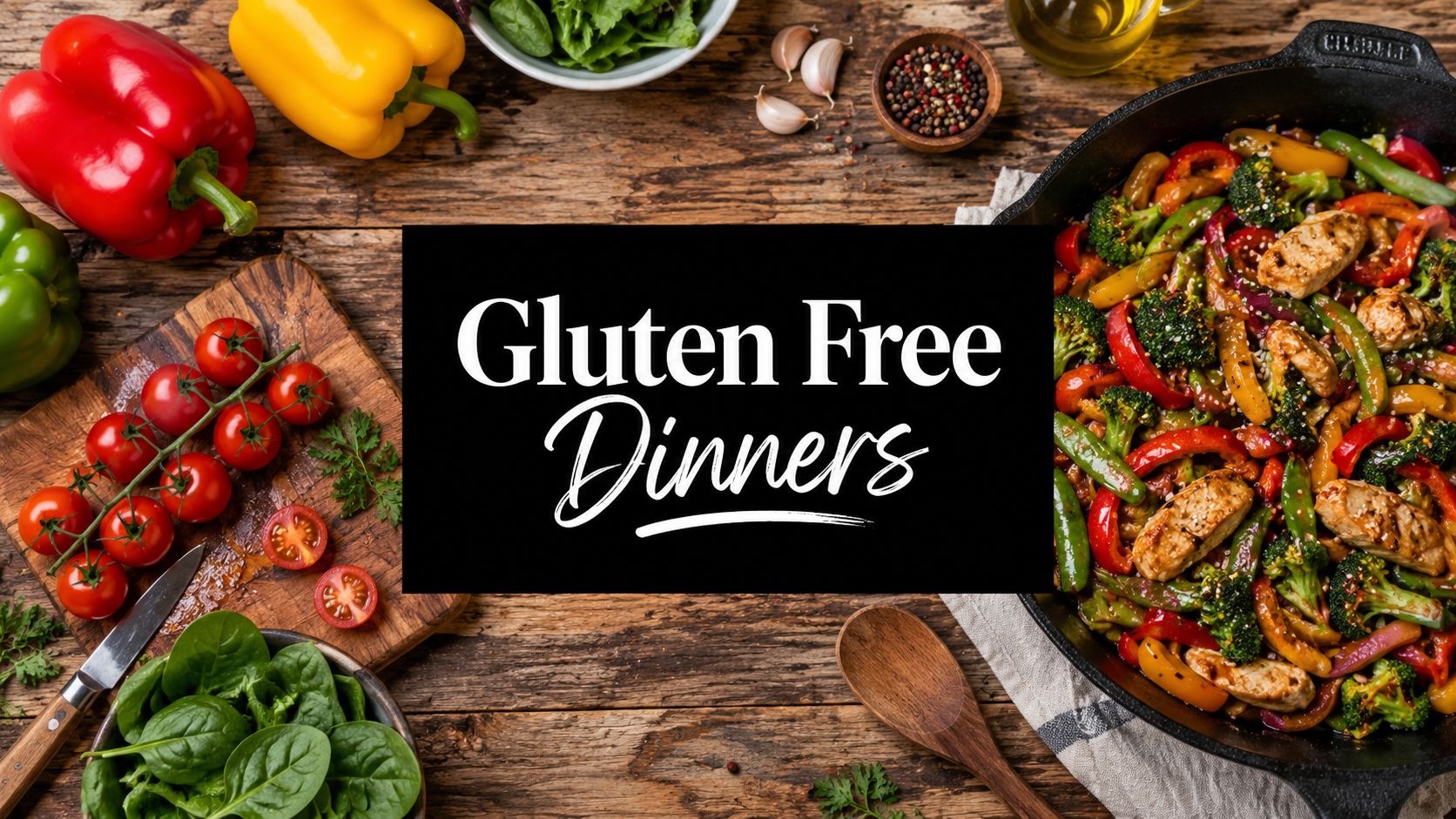
Tired of the same gluten-free dinners? You're not alone, especially when the week gets busy and every meal has to work for the whole family. Gluten free dinner recipes can solve that problem fast when they're built around simple proteins, naturally gluten-free starches, and vegetables that hold up well to reheating.
The best approach is a repeatable dinner system, not a random pile of recipes. That means choosing meals that cook quickly, leave useful leftovers, and fit into a grocery list you can reuse.
Dinner out can be a weak spot for gluten-free eaters, too. A large 2019 crowd-sourced study found that 32.2% of foods labeled gluten-free still tested positive for detectable gluten, and the rate rose to 34.0% at dinner, which makes home cooking a practical advantage for consistency and control over ingredients. The study data also showed that restaurant dinner testing was heavily represented, with 5,624 tests from 804 users and 59.0% of all tests collected during dinner hours.
That's why this list leans into dinner recipes that are fast, flexible, and realistic for weeknights. It also reflects how gluten-free cooking has matured, from simple restrictions into complete meal planning, with established recipe collections like the Mayo Clinic's gluten-free recipe database organizing dinner-friendly categories such as appetizers, salads, side dishes, and main dishes.
For families juggling schedules, the win is not just avoiding gluten. It's building dinners that reduce waste, use overlapping ingredients, and make tomorrow's lunch easier, too. If you want a more automated version of that system, AI Meal Planner can generate weekly menus and smart grocery lists after a quick onboarding.
1. Grilled Lemon Herb Chicken With Roasted Vegetables
This is the kind of gluten free dinner recipe that stays in rotation because it solves three problems at once. It gives you a clean protein, a full tray of vegetables, and leftovers that still taste good the next day.

The method is straightforward. Marinate chicken breast in lemon, oil, garlic, and herbs, then roast or grill it alongside vegetables that can handle high heat, such as broccoli, peppers, or tomatoes. That structure works because the chicken brings the protein and the vegetables carry most of the volume, which makes plating easy for adults and kids alike.
Why this dinner works on a weeknight
The biggest mistake with chicken dinners is overcomplication. A lemon herb profile stays familiar, but it still feels fresh enough that no one gets bored after the second round. Pair it with a starch only if the family wants one, since the vegetables already make the plate feel complete.
Practical rule: If you're cooking chicken breast, use a thermometer and pull it as soon as it's done. Dry chicken is the fastest way to turn a good dinner into a forgettable one.
For meal prep, this recipe is especially efficient because the same ingredients can show up in several ways. Extra roasted vegetables can be folded into lunch bowls, and sliced chicken can be used cold over salad. If you like tracking portions, the AI Meal Planner recipe nutrition calculator is a useful companion for keeping dinner choices aligned with your goals.
2. Cauliflower Rice Stir-Fry With Shrimp and Vegetables
A good stir-fry needs speed, heat, and organization. This one delivers all three while keeping the meal naturally gluten-free, especially if you use a dependable sauce and keep the pan hot the whole time.
What makes the texture work
Shrimp is the fastest protein in the rotation, and it behaves best when you cook it directly from frozen if needed instead of letting it sit and water down the pan. Cauliflower rice gives you the stir-fry feel without relying on wheat-based noodles or plain white rice, which makes it a smart fit for lighter weeknight dinners.
The key is mise en place. Slice the peppers, trim the snap peas, measure the sauce, and keep everything separate before the heat goes on. Once the wok is hot, the job is to move quickly, not improvise.
Keep the pan hot enough that the vegetables sear instead of steam. That single detail does more for flavor than adding another sauce.
The benefit of this kind of meal is ingredient overlap. Extra cauliflower rice can become a base for lunch bowls or a side for a second dinner later in the week. That's where planning gets easier, because you're not buying specialty items for one recipe and watching them sit unused.
A visual finish helps here, since stir-fry is often judged by color and texture as much as taste. The goal is crisp vegetables, glossy shrimp, and rice that doesn't collapse into mush.
3. Baked Salmon With Asparagus And Garlic Butter
Salmon and asparagus make one of the most practical gluten-free dinners because the meal feels complete without needing much garnish. It's also a strong fit for a sheet-pan approach, which keeps cleanup minimal on nights when everyone is already tired.
A simple garlic butter sauce gives the dish enough richness to feel satisfying. Lemon wedges on the side help balance that richness, especially if you're serving guests who like to adjust acidity themselves.
How to keep salmon from drying out
Temperature matters here. Salmon cooks more evenly when it isn't icy cold from the fridge, and parchment paper helps with both cleanup and moisture retention. Those small steps make the fish more forgiving, which matters if you're juggling sides, homework, and a late arriving spouse at the same time.
The appeal of this dinner is that it feels “special” without demanding attention. The ingredients are clean, the cooking time is short, and the cleanup is almost automatic. That combination makes it easy to repeat, which is what matters in a weekly routine.
You can also build this into a broader dinner pattern. Serve it with roasted potatoes when the family wants more starch, or keep it lighter with extra vegetables on the tray. Either way, the formula stays stable.
For families trying to eat better without adding complexity, this is the kind of recipe that belongs in the regular cycle. It's simple enough for Tuesday and polished enough for guests.
4. Zucchini Noodle Bolognese With Ground Beef
Classic Bolognese has real staying power, but swapping wheat pasta for zucchini noodles changes the texture and the pace of the meal. The sauce does the heavy lifting, which is exactly what you want in a gluten-free version.
The smartest move is to make the meat sauce in bulk. Once the base is cooked, it can be frozen in portions and used again without turning into a repetitive dinner. That's useful because a rich sauce gives you more than one path forward.
Handling zucchini noodles without turning dinner watery
Zucchini noodles need a light hand. Spiralize them right before cooking, keep the sauté brief, and let residual heat finish the job. If you cook them too long, they release too much moisture and stop feeling like a proper base.
Ground beef gives the dish structure and makes it feel closer to the classic pasta version. The flavor also holds up well when reheated, which matters for family dinners that turn into next-day leftovers. A good meat sauce can move from zoodles to stuffed peppers or even cauliflower rice without much extra work.
The sauce is the anchor. Once you get that right, the vegetable swap becomes a feature instead of a compromise.
This is also one of the easiest recipes to stretch across multiple meals. Make enough sauce once, then use it in a second dinner later in the week so the kitchen effort pays off twice. That's how gluten-free cooking becomes sustainable instead of exhausting.
5. Thai Green Curry With Chicken And Bell Peppers
Thai green curry is one of the best examples of a gluten-free dinner that doesn't feel like a substitute. Coconut milk, curry paste, chicken, and peppers create a layered meal that tastes intentional, not improvised.
The main trade-off is label reading. Curry paste can vary, and some products contain gluten, so the ingredient list matters more than the brand name on the front of the jar. When you find one you trust, it becomes a reliable shortcut for future dinners.
How to build flavor fast
Green curry works because it builds depth quickly. The coconut milk softens the heat, the paste supplies spice, and fish sauce adds savory depth unless you're cooking vegetarian. That combination gives the meal a restaurant-style profile without a long simmer.
It also pairs naturally with cauliflower rice when you want to keep dinner light. If your household likes a more filling plate, you can still add a starchy side and keep the curry itself unchanged. That flexibility makes it useful for mixed preferences, which is common in busy families.
The best version is the one you can repeat without stress. Once the ingredients are in the pantry, curry becomes a fast answer for nights when chicken or vegetables need to be rescued before they spoil. That's a practical benefit, not just a flavor one.
6. Mediterranean Lamb Meatballs With Cucumber Sauce
Lamb meatballs bring more character than a standard ground meat dinner, and the cucumber yogurt sauce keeps the dish cool and balanced. It feels like a full meal, but it doesn't require a long ingredient list.
Why the texture matters
Don't overwork the meat mixture. If you knead it too much, the meatballs turn dense instead of tender, and that hurts both the texture and the reheating quality. Almond flour works well as a binder here because it supports the gluten-free structure without making the meatballs heavy.
The cucumber sauce needs just as much attention. Grate the cucumber and squeeze out excess moisture before mixing it with yogurt so the sauce stays thick instead of watery. Full-fat Greek yogurt gives the sauce a better mouthfeel and a richer finish.
These meatballs also freeze well before baking, which makes them especially useful for advance planning. Shape them, freeze them on a sheet, then transfer them to a bag once they're firm. That way, a future dinner becomes a matter of baking instead of starting over.
This Mediterranean meal plan is a natural match if you like repeating this style of flavor across the week, because the same ingredient family can show up in vegetables, sauces, and side dishes without feeling repetitive.
7. Chicken Fajita Lettuce Wraps With Peppers And Onions
Chicken fajita lettuce wraps are one of the easiest ways to make dinner feel interactive without losing control of the ingredients. They're naturally gluten-free, low in carbs, and fast enough for nights when everyone is arriving at different times.
Butter lettuce or romaine gives you sturdier wraps than delicate greens. If you want more flexibility, lightly toast the leaves over flame so they bend without tearing, then set them aside while the chicken and vegetables finish cooking.
Keep the assembly simple
Slice the chicken evenly so it cooks at the same pace as the peppers and onions. That matters more than it sounds like, because uneven pieces force you to either overcook the vegetables or undercook the meat. Prepping everything first keeps the pan focused on browning instead of scrambling.
Separate the cooked chicken and vegetables until serving. That keeps the texture better and lets people assemble their own wraps.
This dinner also works well for leftovers. Store the chicken and vegetables separately, then reheat them gently the next day for lunch bowls or a second round of wraps. The lettuce can be refreshed at the last minute, so nothing turns soggy in the fridge.
For families that want dinner to feel customizable, this is a smart choice. Each person can load their own wrap and adjust the topping balance without changing the base recipe.
8. Eggplant Parmesan With Almond Flour Coating
Eggplant Parmesan is one of the few comfort-food dinners that can stay familiar even after removing wheat breadcrumbs. The baked layers still deliver the same cozy feel, especially when the eggplant is prepared properly.
Salt the slices first and let them sit long enough to draw out moisture and bitterness. That step is worth the extra time because it improves both texture and flavor, and it keeps the finished dish from tasting watery.
Keeping the bake crisp enough
Almond flour should be used with restraint. A light coating helps create structure, but too much can burn before the eggplant softens. Oven temperature matters here, since a hot bake supports browning without drying out the layers.
The dish is also a good make-ahead candidate. Assemble it earlier in the day or the night before, then refrigerate until baking time. That makes it much easier to fit into a packed schedule, especially if another family member is handling sides or salad.
Eggplant Parmesan is a strong reminder that gluten-free dinner recipes don't need to feel stripped down. When the vegetables, sauce, and cheese are layered well, the result feels complete on its own.
9. Gluten-Free Weeknight Meal Planner Tips And Pairings
A weeknight gluten-free system works best when the recipes talk to each other. That means reusing sauces, rotating proteins, and keeping a few dependable frozen items on hand so every dinner doesn't require a fresh start.
Batch-cooked Bolognese, marinara, and curry base are especially useful because they can move across multiple dinners. Frozen shrimp, cauliflower rice, and mixed vegetables are also practical shortcuts when time is tight and the fridge is unevenly stocked.
What to repeat and what to change
Repeat the structure, not the exact meal. A protein plus vegetable plus starch pattern can show up as salmon and asparagus one night, fajita wraps another night, and curry over cauliflower rice later in the week. That keeps the routine organized without making dinner feel identical.
- Batch sauces early. Freeze Bolognese or marinara in meal-sized portions so one cooking session supports several dinners.
- Lean on frozen staples. Shrimp and cauliflower rice cut prep time without sacrificing versatility.
- Prep stir-fry ingredients separately. High-heat cooking goes better when everything is already measured and sliced.
- Rotate seasonal vegetables. Use what looks best and what costs less, because the flavor payoff is usually better too.
- Reuse leftovers on purpose. Extra sauce can become a stuffed pepper filling or a topping for another base.
This gluten-free meal plan resource fits naturally into that process because it supports planning around dietary preferences without forcing you to rebuild the grocery list from scratch.
10. Meal Prep And Freezer-Friendly Guide
Freezer-friendly cooking is what makes gluten-free dinner recipes sustainable. A meal that works once is helpful, but a meal that can be portioned, frozen, and reheated without collapsing is what saves time on real weeknights.
Sauces usually freeze better than finished plated dishes. Bolognese, marinara, and curry base all hold their character well in flat freezer bags, which are easier to stack and thaw than bulky containers. Meatballs also freeze well, especially when they're frozen first on a sheet pan before being transferred to bags.
What to freeze and what to keep fresh
Cooked salmon is better refrigerated than frozen if you want the best texture later. Shrimp, by contrast, freezes well and can be cooked from frozen in the right dishes. Roasted vegetables are usable after freezing, but they're best reheated in a hot oven so they crisp up instead of turning soft.
Labeling matters more than people expect. Write the date and the contents on every container, then portion meals so they match the size of a normal dinner or lunch. That saves you from the common freezer problem of finding a mystery block and ignoring it for months.
Thaw overnight in the fridge when you can, then reheat gently. Fast heat is fine for crisping, but slow, moderate heat protects texture in saucy dishes.
This grocery list generator is a practical fit for this kind of routine because it helps turn meal planning into a shopping system instead of a memory test. When the list is organized and reusable, freezer prep gets easier week after week.
Top 10 Gluten-Free Dinner Recipes Comparison
| Recipe / Item | 🔄 Implementation Complexity | 💡 Resource Requirements | ⚡ Speed / Efficiency | ⭐ Expected Quality | 📊 Expected Outcomes / Impact | Ideal Use Cases |
|---|---|---|---|---|---|---|
| Grilled Lemon Herb Chicken with Roasted Vegetables | Medium 🔄🔄 (marinate 2–4h) | Moderate 💡 (grill or broiler, meat thermometer, basic pantry) | ⚡ Fast, ~25 min active | ⭐⭐⭐⭐ (lean, well-balanced) | 📊 ≈320 kcal; 28g protein; meal-prep friendly | Weeknight dinners, fitness meal prep, leftovers |
| Cauliflower Rice Stir-Fry with Shrimp and Vegetables | Medium-High 🔄🔄🔄 (high-heat technique) | Moderate 💡 (wok/skillet, high heat, tamari/coconut aminos) | ⚡ Very fast, ~20 min | ⭐⭐⭐⭐ (low-carb, flavorful if technique used) | 📊 ~12g carbs; 24g protein; multiple veg servings | Quick low-carb weeknights, meal-prep, low-waste cooking |
| Baked Salmon with Asparagus and Garlic Butter | Low 🔄 (simple sheet-pan) | Low-Moderate 💡 (oven, sheet pan, quality salmon) | ⚡ Very fast, 15–25 min | ⭐⭐⭐⭐⭐ (omega-3 rich, restaurant-quality) | 📊 32g protein; heart-healthy; minimal cleanup | Heart-focused meals, easy dinners, entertaining |
| Zucchini Noodle Bolognese with Ground Beef | Medium 🔄🔄 (sauce + noodle timing) | Moderate 💡 (spiralizer or pre-spiralized zucchini, saucepan) | ⚡ Moderate, ~30 min | ⭐⭐⭐⭐ (deep umami; low-carb) | 📊 26g protein; ~18g carbs; sauce freezes well | Low-carb swaps, make-ahead sauce, freezer meals |
| Thai Green Curry with Chicken and Bell Peppers | Medium 🔄🔄 (blooming paste, balance flavors) | Moderate 💡 (curry paste, coconut milk, wok/pot) | ⚡ Fast, ~25 min | ⭐⭐⭐⭐ (authentic when paste is quality) | 📊 28g protein; contains healthy fats; freezer-friendly | One-pot dinners, flavor-forward weeknights, freezer prep |
| Mediterranean Lamb Meatballs with Cucumber Sauce | Medium 🔄🔄 (mixing, shaping, cooking) | Moderate 💡 (ground lamb, almond flour, Greek yogurt) | ⚡ Moderate, ~30 min | ⭐⭐⭐⭐ (nutrient-dense, herb-forward) | 📊 32g protein; higher fat; freezer-friendly | Entertaining, make-ahead freezer meals, Mediterranean menus |
| Chicken Fajita Lettuce Wraps with Peppers and Onions | Low 🔄 (simple sauté + assembly) | Low 💡 (skillet, butter lettuce or romaine) | ⚡ Fast, ~25 min | ⭐⭐⭐⭐ (interactive, customizable) | 📊 26g protein; ~8g carbs; highly customizable | Interactive family meals, low-carb dinners, meal-prep |
| Eggplant Parmesan with Almond Flour Coating (Gluten-Free) | High 🔄🔄🔄 (salting, layering, baking) | High 💡 (almond flour, cheeses, multiple pans) | ⚡ Slower, ~40 min | ⭐⭐⭐ (comfort-food quality; more prep) | 📊 ~18g protein; vegetarian; freezer-friendly portions | Comfort meals, entertaining, make-ahead dinners |
| Gluten-Free Weeknight Meal Planner (Tips & Pairings) | Low 🔄 (planning tool) | Low 💡 (templates, grocery optimization) | ⚡ Indirect, saves time across week | ⭐⭐⭐⭐ (reduces decision fatigue) | 📊 Improves grocery efficiency; reduces waste | Weekly planning, macro tracking, ingredient rotation |
| Meal Prep & Freezer-Friendly Guide | Low 🔄 (reference guide) | Low 💡 (containers, freezer bags, labels) | ⚡ Indirect, speeds weeknight reheats | ⭐⭐⭐⭐ (improves longevity and portion control) | 📊 Extends shelf-life; better texture retention if followed | Batch cooking, freezing components, consistent meal-prep routines |
How Can You Make Gluten-Free Cooking a Habit?
The goal isn't collecting more recipes. It's building a dinner routine that feels stable on busy nights, flexible when plans change, and simple enough that you'll keep doing it. That means choosing meals with repeatable ingredients, learning which components freeze well, and treating dinner as part of a larger weekly system instead of a nightly reset.
The most useful gluten free dinner recipes share the same traits. They use naturally gluten-free proteins and vegetables, they avoid fussy steps that break down after a long day, and they leave behind ingredients you can reuse. That's why chicken and roasted vegetables, shrimp stir-fry, salmon trays, meatballs, curry, and baked casseroles work so well, they're practical before they're trendy.
Planning also matters more than perfection. Gluten is the protein found in wheat, barley, rye, and spelt, so the safest dinners are the ones that make that rule easy to follow without requiring constant label stress. A meal built around simple components is easier to repeat, easier to shop for, and easier to adjust when a family member wants more vegetables, less starch, or a different sauce.
The biggest shift happens when leftovers stop feeling accidental. Extra Bolognese becomes a second dinner, cauliflower rice becomes tomorrow's side, and meatballs become a freezer backup for the night everything runs late. That's how a gluten-free routine stops feeling restrictive and starts feeling organized.
If you're cooking for a family, this approach also cuts down on waste. Use a short list of recurring proteins, a few dependable vegetables, and one or two sauces that can travel across meals. Over time, that small system does more than a pile of one-off recipes ever could.
For a setup that handles menu structure, grocery lists, and dietary filters in one place, try AI Meal Planner. It's a practical way to turn these dinner ideas into a weekly routine, so you spend less time guessing and more time cooking meals your household will enjoy.
Ready to make weeknight dinners easier? AI Meal Planner can build gluten-free weekly menus, organized grocery lists, and dinner plans that reuse ingredients across the week. If you want less waste and fewer last-minute decisions, it's a simple place to start.
AI-powered nutrition
Get Your Personalized Meal Plan
AI creates the perfect meals for your goals, lifestyle, and taste.
Start Your Journej