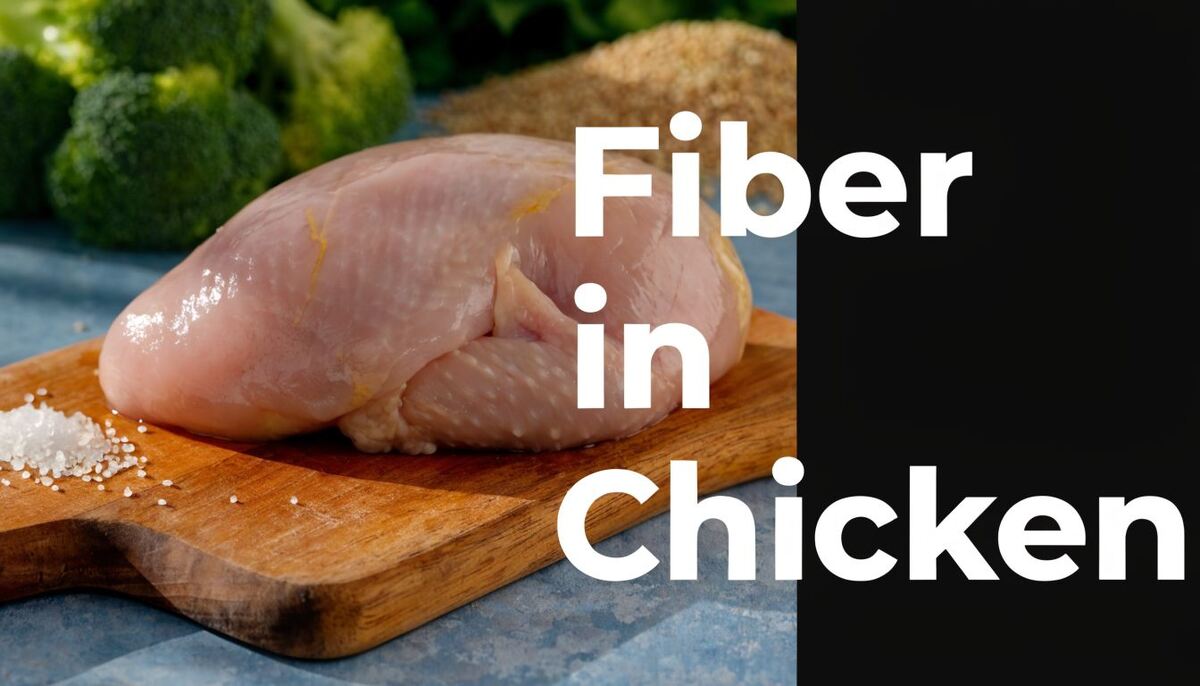
Fiber in Chicken: Does It Exist and How to Add It?
You're standing at the counter with chicken ready to cook and one practical question in mind. Will it help with your fiber goal? The answer is no.
Chicken does not contain dietary fiber, because fiber comes from plant foods. That makes chicken a very clean protein starting point for meal planning. You know what it is bringing to the plate, and you know you will need to add fiber somewhere else.
That predictability is useful in real life. If you want a meal that supports digestion, keeps you full longer, or fits your macros more closely, chicken gives you a steady base to build on. A searchable food guide for comparing protein and fiber sources can make that easier when you are choosing side dishes or meal prep ingredients.
A simple way to picture it is this: chicken fills the protein role, and plants fill the fiber role. Once you separate those jobs, meal building gets much easier.
Start with your chicken. Then add fiber on purpose based on your goal. For digestion, add beans, lentils, vegetables, fruit, or whole grains. For fullness, pair chicken with foods that add bulk and chew, such as roasted vegetables, brown rice, or a bean salad. For lighter meals, use greens, crunchy vegetables, and a high-fiber wrap or grain.
That is why chicken works so well for precise meal planning. It is not a hidden fiber source, so there is less guesswork. You can build your plate more deliberately and get the result you want.
Does Chicken Have Fiber?
Fiber comes from plants, not animals. It's the part of plant foods your body doesn't fully digest, and it's naturally found in foods like vegetables, fruits, legumes, and whole grains. Since chicken is animal tissue, it doesn't contain that plant structure.
That's why the answer to the core question is no. Chicken breast is naturally fiber-free, and that's true whether you grill it, bake it, or shred it into a salad. If you're browsing ingredient data for meal prep, a searchable food database like this AI Meal Planner foods guide can help you spot which ingredients provide protein and which ones supply fiber.
What that means on your plate
Chicken is popular because it's lean, versatile, and easy to pair with almost anything. But if your meal is just chicken plus a refined starch, you may end up with plenty of protein and very little fiber.
Common examples include:
- Chicken and white rice: strong protein base, but fiber depends on what else you add
- Chicken sandwich on white bread: convenient, but often low in fiber unless you include vegetables
- Plain grilled chicken: useful for meal prep, but not a fiber source by itself
Simple rule: If chicken is the center of the meal, let plant foods do the fiber work.
Where people get confused
Many people assume “healthy” foods must automatically contain a little of everything. Chicken doesn't work that way. It's better to think of it as a single-job ingredient. It brings protein. Plants bring fiber.
Once you separate those roles, meal planning gets easier. You stop asking whether chicken has fiber and start asking a more useful question: what should I pair with chicken to get the kind of meal I want?
Why Is There No Fiber in Chicken?
Chicken has no fiber for a simple biological reason. Fiber comes from the parts of plants your body cannot fully digest, especially plant cell walls. Chicken is animal muscle tissue, so it does not contain those plant structures in the first place.

A helpful kitchen comparison is this: chicken works like a plain base layer, while fiber has to be added by plant foods. Once you see those jobs separately, meal planning gets easier. Chicken handles the protein role. Vegetables, beans, fruit, and whole grains handle the fiber role.
The food itself explains the answer
Chicken breast is mostly protein, water, and small amounts of fat, depending on the cut and preparation. It does not naturally bring carbs or fiber to the plate. As noted earlier, that makes chicken a very predictable ingredient if you like to plan meals with clear nutrition targets.
That predictability can be useful. If you are trying to build a plate for digestion, fullness, blood sugar support, or calorie control, starting with a fiber-free protein makes the next step clearer. You are not guessing how much fiber is hiding in the protein portion. You add it on purpose.
Why zero fiber can be useful
“No fiber” sounds negative until you put it in context. For meal planning, it often means precision.
Chicken can be helpful when you want:
- A clean protein anchor you can pair with specific fiber foods based on your goal
- A simpler meal base for days when you want ingredients that are easy to portion and combine
- More control over satiety by choosing whether to add light fiber sources like greens or heavier ones like beans and lentils
For example, a chicken salad with cucumbers and leafy greens gives you a lighter, lower-fiber result than chicken with black beans and roasted sweet potato. The protein stays steady. The fiber changes based on what you add.
That is why chicken shows up in many tightly structured eating patterns, including very low-fiber approaches. If you are curious how that looks in practice, this carnivore food list from AI Meal Planner shows where chicken fits. For a broader look at how structured food choices can connect to hormone and metabolic concerns, the Venus Health Co. fertility wellness blog offers useful context.
Chicken is fiber-free by nature. In practical terms, that makes it a clean starting point. Then you can add the kind and amount of fiber that matches the meal you want.
Why Does the Absence of Fiber Matter for Your Diet?
The absence of fiber matters because it changes how you build the meal. Chicken gives you a stable protein anchor, but it won't help with the fiber side of nutrition unless you pair it with plant foods.

According to WebMD's overview of chicken, chicken meat contains 0g of dietary fiber, positioning it as an ideal staple for high-protein regimens like keto/paleo or for low-residue diets. For those tracking macros, this purity enables precise control, avoiding the digestive variables that fiber can introduce.
When that helps most
If you count macros, chicken is easy to work with because the protein portion is clear. If you're eating lower carb, it fits naturally. If your digestion feels better with simpler meals, chicken can be an easy protein to tolerate.
That doesn't make chicken superior to fiber-rich proteins in every situation. It just means it plays a different role. You're starting with a blank canvas, then adding fiber according to what you need.
For example, someone focused on appetite and fullness may add beans and roasted vegetables. Someone who wants a lighter plate may choose greens and a whole grain. Someone managing food choices around hormones and blood sugar may also want broader nutrition context, and the Venus Health Co. fertility wellness blog on dieting with PCOS is a useful read for that bigger picture.
Two easy ways to add the missing fiber
| Strategy | What to do | Easy example |
|---|---|---|
| Side swaps | Replace refined sides with fiber-rich plant foods | Swap white rice for quinoa or add a side of roasted vegetables |
| Ingredient mix-ins | Stir fiber sources directly into the dish | Add black beans to chicken chili or spinach to chicken curry |
A practical kitchen mindset
Don't ask chicken to do a job it can't do. Let it handle protein. Then choose your fiber based on your goal:
- For digestion support: vegetables, beans, lentils
- For satiety: legumes, whole grains, hearty salads
- For lighter meals: greens, cucumbers, peppers, soups
That approach keeps meal building simple and repeatable.
How to Easily Add Fiber to Any Chicken Meal
The easiest way to improve fiber in chicken meals is to stop looking for fiber inside the chicken and start adding it around the chicken. Small changes in sides and add-ins can turn a plain protein meal into a more balanced plate.

Start with side swaps
These changes don't require new cooking skills. You're mostly replacing one familiar item with another that contributes more fiber.
- Instead of white rice, try quinoa or brown rice. Chicken bowls still feel familiar, but the meal becomes more balanced.
- Instead of plain pasta, use a whole grain or legume-based option. A chicken pasta dinner can carry fiber without changing the basic format.
- Instead of chips or crackers on the side, use a bean salad or roasted vegetables. This works well with grilled chicken or wraps.
Kitchen shortcut: Keep one cooked grain and one tray of roasted vegetables in the fridge. Then chicken meals come together fast.
Use ingredient mix-ins that disappear into the meal
Some of the best fiber additions don't feel like “health food.” They just make the dish heartier.
A few reliable examples:
- Chicken soup with beans and vegetables
Add white beans, carrots, celery, and greens to shredded chicken soup. - Chicken curry with spinach and chickpeas
Stir spinach into the sauce near the end, then fold in chickpeas for texture. - Chicken taco filling with black beans
Mix cooked chicken with black beans, onions, and peppers for bowls or wraps.
Here's a useful place to browse more buildable meal formats if you want inspiration from familiar weeknight dishes: AI Meal Planner recipe ideas.
A video can also help if you think best in visuals.
Three simple meal builds you can copy
1. Lunch bowl
Start with chopped grilled chicken. Add quinoa, cucumbers, tomatoes, herbs, and chickpeas. Finish with olive oil and lemon.
2. Fast skillet dinner
Cook chicken strips with broccoli, bell peppers, and onions. Serve over brown rice or toss with a whole grain noodle.
3. Comfort-food soup
Use shredded chicken, lentils, carrots, greens, and broth. The chicken keeps the meal satisfying while the plants bring the fiber.
The pattern stays the same in every version. Chicken is the base. Plants fill the gap.
Three High-Fiber Chicken Meal Ideas
If you want concrete ideas, think like a grocery shopper instead of a recipe writer. Build a small set of repeat meals from the same stores, same aisles, and same ingredients. That keeps balanced eating practical on busy weeks.

Meal idea one burrito bowl night
Use cooked chicken as the protein base. Add black beans, brown rice, lettuce, salsa, peppers, and avocado. The chicken gives structure, while the beans and vegetables bring the fiber.
Shopping by aisle
- Produce: lettuce, bell peppers, avocado, onions
- Canned goods: black beans, salsa
- Grains: brown rice
- Protein: chicken breast or thighs
Meal idea two Mediterranean grain bowl
Build a bowl with lemon-herb chicken, quinoa, cucumbers, tomatoes, parsley, and chickpeas. This works hot or cold, which makes it strong for meal prep lunches.
What to keep on hand
- Produce: cucumbers, tomatoes, lemons, herbs
- Pantry: quinoa, chickpeas
- Fridge or freezer: chicken
A good meal prep bowl uses one cooked protein, one cooked grain, and at least two plant toppings with texture.
Meal idea three chicken and vegetable curry
Start with chicken pieces in a simple curry sauce, then add chickpeas, spinach, and extra vegetables. Serve it with a whole grain side if you want the meal to feel more substantial.
Fast shopping list
| Aisle | Ingredients |
|---|---|
| Produce | spinach, onions, garlic, peppers |
| Canned goods | chickpeas, curry sauce or tomatoes |
| Protein | chicken |
| Grains | brown rice or another whole grain option |
If planning all of this manually feels messy, using a tool that organizes meals and groceries in one place can remove friction. That's the appeal of a personalized planner that builds meals from your preferences instead of from random recipe tabs.
Building Your Balanced Plate with Confidence
The key idea is easy to remember. Chicken is a fiber-free protein base. Plant foods are the fiber source. Once you see those as two separate jobs, building meals gets much simpler.
You don't need to stop eating chicken because it has no fiber. You just need to pair it intelligently. A plate with chicken plus vegetables, legumes, or whole grains does far more for balance than chicken alone.
The simple formula that works
- Chicken protein base
- Plant fiber source
- Optional starch or fat based on your needs
That formula is flexible enough for meal prep bowls, soups, salads, wraps, and sheet-pan dinners. If you want a practical framework for those kinds of meals, a balanced meal planning guide from AI Meal Planner can help you think in components instead of strict recipes.
For a personalized plan that balances protein, fiber, and all your nutritional needs, get started with the AI Meal Planner onboarding.
Frequently Asked Questions About Fiber and Chicken
Does cooking chicken change its fiber content?
No. Chicken starts with no fiber, and cooking doesn't add fiber unless you prepare it with plant ingredients.
Do chicken thighs have fiber?
Chicken meat contains no dietary fiber, so thighs don't provide fiber either.
Does fried chicken have fiber?
The chicken itself doesn't. Any fiber would come from added ingredients, such as a coating made with plant-based components.
Can chicken be part of a high-fiber diet?
Yes. You just need to pair it with foods like beans, vegetables, lentils, fruit, or whole grains.
Is chicken a good choice for macro tracking?
Yes. Many people like chicken because it's a predictable protein source without fiber or carbohydrates in plain chicken breast.
What foods should I add to chicken for more fiber?
Vegetables, beans, chickpeas, lentils, quinoa, brown rice, and whole grain pasta are all practical options.
Is chicken better than plant proteins for low-fiber meals?
Chicken can be simpler for low-fiber meal patterns because it naturally contains no fiber. Plant proteins usually contribute fiber along with protein.
If you want an easier way to turn “chicken plus fiber” into actual weekly meals, AI Meal Planner can help you build personalized menus, organize grocery lists, and create balanced meals that match your goals without the usual guesswork.
AI-powered nutrition
Get Your Personalized Meal Plan
AI creates the perfect meals for your goals, lifestyle, and taste.
Start Your Journej