What Breakfast Cereal Has the Most Iron? 2026 Rankings
A surprising fact explains why this question trips people up. The cereals with the most iron usually aren't the ones that seem the most "natural." They're the ones manufacturers fortify by adding iron during processing.
What Breakfast Cereal Has the Most Iron?
The cereal with the most iron is often the one that gives you the clearest plan for breakfast, not just the biggest number on the box. As noted earlier, Quaker Quick Oats leads the verified comparisons, with Total Whole Grain Cereal and Multigrain Cheerios close behind.
That headline answer helps, but the more useful question is this: which cereal gives you enough iron in a serving you will eat, and how will you build the rest of the meal around it?
Iron works like your body's oxygen delivery system. It helps make hemoglobin, the protein that carries oxygen through your blood. If your intake runs low, you may feel tired, foggy, or less able to exercise comfortably. Breakfast is a practical place to improve that, because cereal is one of the few common morning foods that can provide a large amount of iron in one bowl.
The catch is simple. A high iron label does not automatically mean a high iron breakfast. The amount in your bowl depends on the serving size you pour, and the amount your body uses depends on what you eat with it.
A practical system looks like this. Start with a cereal known to be high in iron. Measure or at least eyeball the serving size instead of free-pouring. Then pair it with foods that support a balanced meal, such as fruit, protein, and a source of vitamin C. If you want help turning that into a repeatable routine, an AI nutritionist meal planning tool can make the choices easier.
This also matters for shoppers comparing cereals that seem similar. One box may sound wholesome but provide much less iron per serving than a fortified option. Another may look lower in sugar yet still be useful if the iron content is strong and the meal around it is balanced. The better approach is to compare the nutrition label with your actual eating habits, the same way someone tracking Rice Krispies nutrition would look past the brand name and check the numbers that affect the meal.
Practical rule: Pick a cereal with high iron, pour the stated serving, and build the bowl so your body has a better chance of using that iron well.
Which Breakfast Cereals Have the Highest Iron Content?
The cereals at the top of the iron list are usually fortified boxed cereals, not the ones that sound wholesome on the front label. In practical terms, cereals such as Total Whole Grain Cereal and Multigrain Cheerios tend to rank among the strongest options, and some fortified instant or quick oat products can also test high on the label.
What matters most is not the brand name alone. It is the amount of iron listed for the serving size you will eat.
High-iron cereal options to look for
| Cereal Brand | Iron per Serving | Serving Size | What to watch for |
|---|---|---|---|
| Quaker Quick Oats | High | Check the label | Some quick oat products are fortified, which changes the iron amount a lot |
| Total Whole Grain Cereal | High | Check the label | Iron looks impressive, but only if your bowl matches the stated serving |
| Multigrain Cheerios | High | Check the label | A larger serving size can make the iron number look stronger |
A useful way to compare cereals is to treat the nutrition label like a price tag at the grocery store. You would not compare two products without checking the package size. Iron works the same way. One cereal may look like the winner until you notice that the listed serving is much larger, or much smaller, than the amount you usually pour.
That is where shoppers get tripped up. A cereal with a high iron number per serving may deliver much less in real life if your usual bowl is half the stated amount. On the other hand, a cereal you assumed was lower in iron can be a solid choice if the serving size matches how you eat.
How to spot the best option in the cereal aisle
Use this quick filter:
- Check the iron line on the Nutrition Facts panel. Start there, not with the marketing words on the box.
- Compare serving sizes before comparing brands. Iron numbers only make sense in the context of the stated portion.
- Notice whether the cereal is fortified. That is often why one cereal has much more iron than another.
- Choose a cereal you will eat consistently. A slightly lower number on paper can still be the better breakfast if it fits your routine.
Here is the bigger point. “Highest iron” is only useful if it leads to a breakfast you will repeat. If you want help turning label reading into a practical routine, an AI nutritionist meal planning tool can help match cereal choices to your needs, appetite, and schedule.
If you are comparing familiar cereals and want a better sense of portion size and overall breakfast balance, PlateBird's guide to tracking Rice Krispies nutrition is a helpful example of how to look past the brand name and examine what is in the bowl.
The best high-iron cereal is the one with a strong iron label, a realistic serving size, and a place in a breakfast you will actually eat.
Why Are Some Cereals So High in Iron?
The short answer is fortification. Manufacturers add iron to some cereals during production, which boosts the amount far above what the grain would naturally provide.
Think of fortification like upgrading a basic product with an extra feature. The grain starts with its natural nutrient profile, then the manufacturer adds specific vitamins or minerals to help fill common dietary gaps. That's why a fortified cereal can contain much more iron than a bowl of plain grains.
What fortification means in plain language
Fortification means adding nutrients to food. In breakfast cereal, iron is mixed in during manufacturing so the finished product provides more iron than the original grain alone would.

That matters because shoppers often assume "natural" equals "more nutritious." For iron, that's often not true. A simple muesli, granola, or plain oat cereal may sound wholesome, but if it isn't fortified, it may provide much less iron than a fortified product.
Why food companies do this
Fortification has been used for decades as a public health strategy. It's a practical way to improve nutrient intake through foods people already eat regularly, especially breakfast staples.
Here's the part many readers miss. High iron on a cereal label usually reflects added iron, not naturally high iron grain. Once you understand that, cereal labels become much easier to interpret.
- Fortified cereals are designed to supply significant iron.
- Unfortified cereals may still be nutritious, but they usually won't compete on iron content.
- Ingredient lists and nutrition labels tell you more than packaging words like "whole grain" or "made with oats."
Fortification doesn't make a cereal automatically perfect. It just explains why some boxes have iron numbers that seem unusually high.
How Can You Maximize Iron Absorption from Your Cereal?
A high-iron cereal only helps if your body can use that iron.
Fortified breakfast cereals usually contain non-heme iron, the type found in plant foods and added nutrients. Non-heme iron is more sensitive to the rest of the meal. You can raise absorption with smart pairings, or lower it without realizing it.

Pair cereal with foods that help
Vitamin C improves absorption of non-heme iron. A simple way to remember it is this: iron gets into the bowl from the cereal, and vitamin C helps your body pull more of it across the finish line.
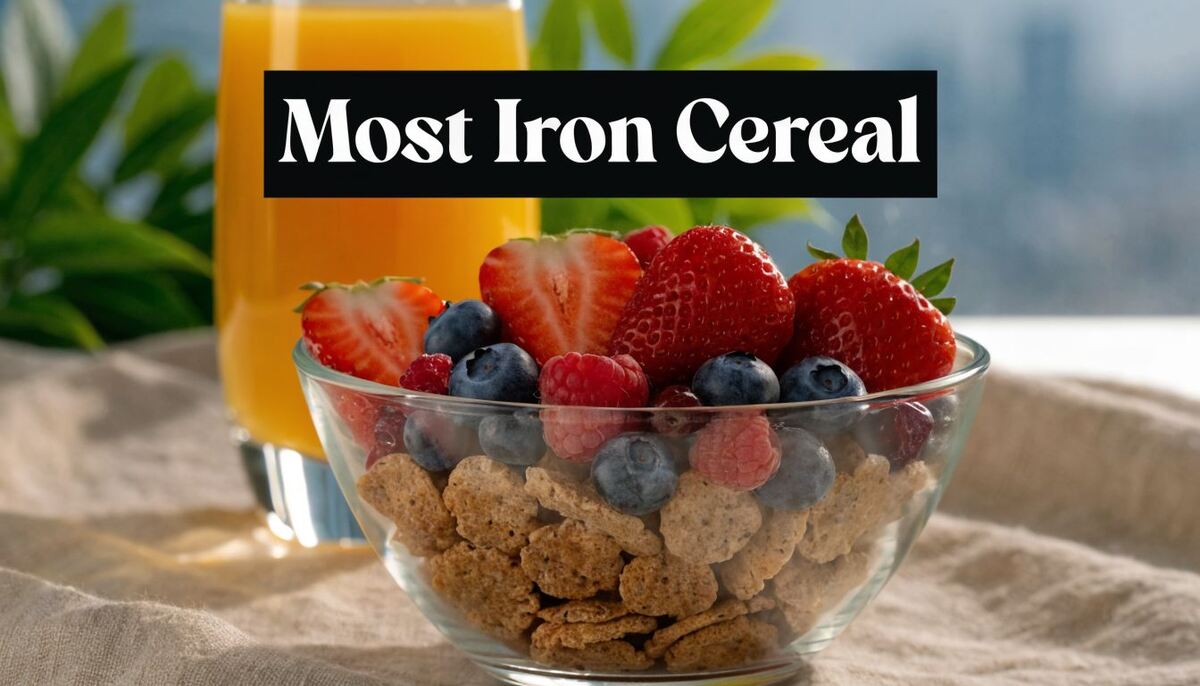
That makes breakfast setup more important than many labels suggest. A medium-iron cereal with strawberries or orange slices can be a smarter choice than a higher-iron cereal eaten with nothing but milk and coffee.
Helpful pairings include:
- Strawberries on top of cereal
- Kiwi or orange on the side
- Berries stirred into oatmeal
- A small glass of orange juice with the meal
If you want ideas for combining cereal with fruit, seeds, or other nutrient-dense sides, this guide to iron-rich and iron-supportive foods can help.
Watch for foods and drinks that get in the way
Tea and coffee can reduce iron absorption when you drink them with the meal. Calcium can also compete with iron in some cases, which is why an iron-focused breakfast does not always work best as cereal plus lots of dairy.
That does not mean these foods are "bad." It means timing matters.
Try this practical system:
- Start with a fortified cereal if iron is your goal.
- Add a vitamin C food such as berries, kiwi, or citrus.
- Wait on tea or coffee until after breakfast if possible.
- Use milk strategically rather than assuming more is better for this specific meal.
This matters for adults, and it can matter for kids too. Parents introducing solids may already be thinking carefully about texture, self-feeding, and nutrient intake. If that stage is relevant in your home, what is baby led weaningexplains the approach clearly.
This visual walkthrough gives a useful overview of how iron nutrition works in everyday meals.
A better question to ask at breakfast
“What cereal has the most iron?” is only part of the answer.
A more useful question is, “How do I build a breakfast that helps me absorb the iron in that cereal?” That shift turns a label-reading exercise into a meal-building habit. For many readers, the best breakfast is not the cereal with the biggest number. It is the cereal you pair well and eat consistently.
Who Really Needs a High-Iron Breakfast Cereal?
A high-iron cereal helps most when your body is working with a smaller margin for error. If iron needs are higher, or intake is less reliable, breakfast becomes a smart place to build a repeatable habit.
Several groups fit that pattern. Menstruating women lose iron regularly through monthly blood loss. Pregnant people need more iron to support increased blood volume and a growing baby. Toddlers and young children are growing quickly, yet their food choices can be unpredictable from day to day. Vegetarians and vegans often rely more on non-heme iron sources, which makes food pairing and consistency more important. Athletes and very active people may also want to pay closer attention, especially if low iron has affected energy, endurance, or recovery in the past.
The practical question is not "Who should buy the cereal with the biggest number on the box?" The better question is "Who benefits from making iron intake easier to repeat several times a week?" For these groups, fortified cereal can work like a dependable backup plan. It is not the only iron source, but it can make breakfast less of a guessing game.
For readers planning meals during pregnancy, a dedicated pregnancy meal plan for iron-rich weekly meals can help organize breakfast, snacks, and dinners in a more structured way.
High iron is not the right goal for everyone. People with iron overload conditions, such as hemochromatosis, should not add iron-fortified foods casually or use supplements without medical guidance. A label with a high daily value is only useful if that choice matches your actual needs.
One more point often gets missed. Symptoms alone are not a diagnosis. Fatigue, headaches, poor concentration, and feeling cold can have many causes, so cereal should support a treatment plan, not replace an evaluation from your clinician.
Parents also have to match iron choices to a child's stage of feeding. Babies who are just starting solids need foods that fit their readiness, texture skills, and safety needs, rather than the highest iron number available. If you are sorting through that transition, Hiccapop's guide on what is baby led weaning is a useful starting point.
How Do You Build a Balanced High-Iron Breakfast Meal?
A good high-iron breakfast doesn't stop at cereal. It combines an iron source, an absorption helper, and enough protein, fiber, or healthy fat to keep you satisfied.
Three easy breakfast templates
- The fruit-forward bowl
Start with Quaker Quick Oats or another fortified cereal. Add strawberries or kiwi, then finish with seeds or nuts for texture. - The quick workday combo
Pair a high-iron cereal with fruit on the side and a simple protein food. This works well when you need something fast but don't want a breakfast that leaves you hungry an hour later. - The mixed breakfast plate
Use a moderate bowl of fortified cereal, then add toast and a savory side. This can feel more balanced for people who don't enjoy a large sweet breakfast.

What a balanced plate does better
Practical solutions are provided here. Many individuals need more than just increased iron; they require a breakfast that is easy to repeat, satisfying, and built from foods they will keep in the house.
That's where meal planning helps. If you like practical recipe systems, OrganizEat's healthy cooking guides offer useful home-cooking ideas for building routines around healthy meals.
And if your goal is a breakfast pattern that fits the rest of your day, a balanced meal plan can help you think beyond one bowl and create consistency across the week. When you're ready to personalize that process, you can start with the AI Meal Planner onboarding.
Frequently Asked Questions About Iron in Cereals
Is iron in cereal the same as iron in meat?
No. Iron in cereal is non-heme iron, while meat contains heme iron. Your body generally absorbs heme iron more easily.
Are kids' cereals good sources of iron?
Some are, especially if they're fortified. Parents should still check the label and think about the rest of the breakfast, not just the iron line.
Does oatmeal naturally have the most iron?
Not usually. The highest numbers in this article come from fortified products, not plain oats by themselves.
Can you get too much iron from cereal?
For most healthy adults, one serving of fortified cereal isn't automatically a problem. But people with iron overload conditions should be cautious and follow medical advice.
Does coffee with breakfast reduce iron absorption?
It can. If iron is a priority, it's often smarter to have coffee or tea after the meal rather than with it.
Should I choose the cereal with the absolute highest iron?
Not always. The best choice is the one you'll eat consistently, in the correct serving size, with foods that help absorption.
If you want a simpler way to turn nutrition advice into meals you'll eat, AI Meal Planner can build personalized weekly plans based on your goals, food preferences, and dietary needs. It's a practical way to create balanced breakfasts, organize groceries, and make healthy eating feel manageable on busy days.
AI-powered nutrition
Get Your Personalized Meal Plan
AI creates the perfect meals for your goals, lifestyle, and taste.
Start Your Journej