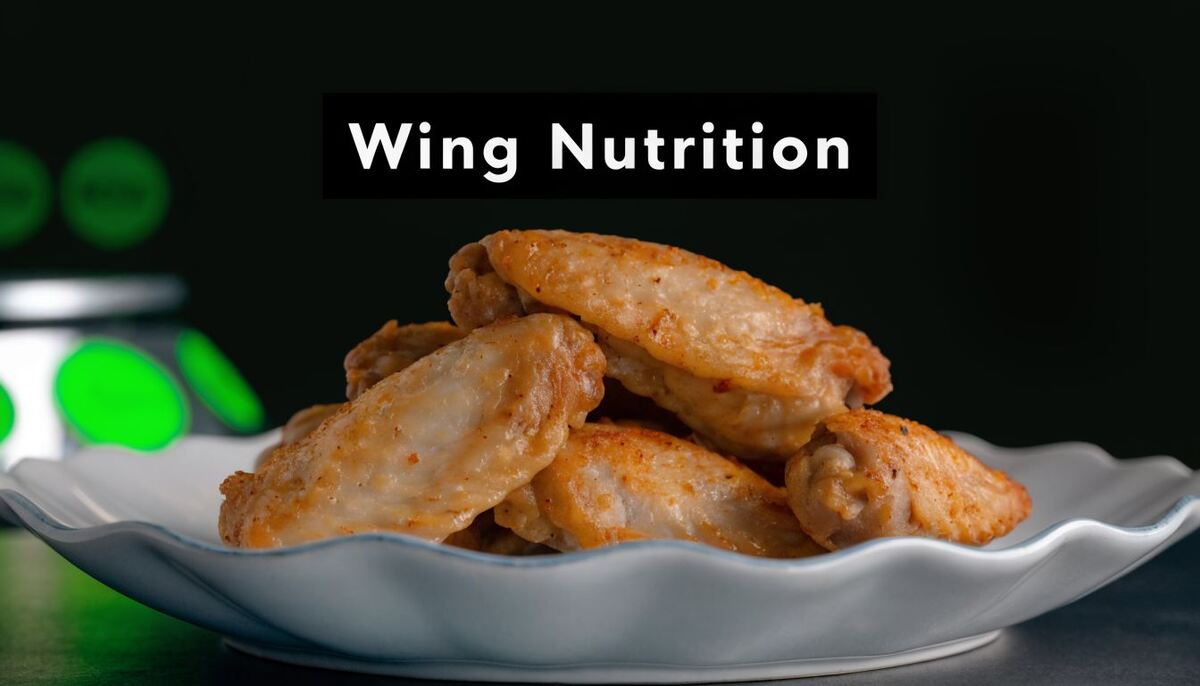
Chicken Wing Nutrition Your Ultimate Guide
You order wings after training, or split a plate with friends on a Friday night, and the macro question shows up fast. Are these a solid protein choice, or a calorie bomb that blows up the day?
Chicken wings can be either one. The result depends on three decisions you control. Keep the focus on the base wing, the cooking method, and the sauce.
For macro-conscious eaters, wings are less a yes-or-no food and more a food with adjustable inputs. A plain wing can fit muscle gain, maintenance, or fat loss. A heavily fried, breaded, sauce-heavy order is a different nutrition profile entirely. That difference matters more than the label "wings."
The practical way to judge wings is to stop treating every restaurant order as the same item. Start with the plain wing as your baseline, then add the calorie cost of skin, frying oil, breading, and dips. That gives you a realistic macro estimate instead of a guess.
That trade-off is what makes wings useful for busy people who still want flexibility. If protein is the priority, wings can work. If calorie control is the priority, they can still work, but the margin for error gets smaller once cooking fat and sauce enter the picture.
What Is the Real Nutrition of Chicken Wings?
You can eat wings after a workout, at game night, or as a quick takeout dinner and end up with three very different macro outcomes.
That is why chicken wings are hard to judge by name alone. For anyone tracking calories or protein, "wings" is too broad to be useful. The nutrition depends on the version in front of you: plain or breaded, baked or fried, dry-rubbed or coated in sauce, served alone or with dip.
The practical way to assess them is to separate the food into parts you can measure. Start with the plain wing as the baseline. Then add the nutritional cost of skin, cooking oil, breading, sauce, and dip based on what you ordered.
Start with the version before the extras
As noted earlier, a plain skinless wing is a relatively efficient protein choice. Add the skin, and the calorie cost rises with it. That does not make skin-on wings a bad option. It means they fit better in some goals than others.
For muscle gain or maintenance, that trade-off may be easy to accept because the extra calories are less restrictive. For fat loss, the same order can get tight fast, especially if the meal also includes fries, ranch, or a sugary glaze.
Practical rule: Log wings by preparation, not by category.
Why wings get misread
Wings get a bad reputation because people rarely eat the plain version. Restaurant wings are often fried, heavily sauced, and served in portions that disappear fast. The chicken itself is usually not the main issue. The calorie jump comes from the add-ons and the way the meal is built.
That is useful to know if you care about macros. It gives you several levers to adjust instead of forcing an all-or-nothing choice.
A plain or lightly sauced order can sit very differently in your day than a breaded, deep-fried plate with ranch on the side. Same food family. Very different nutrition profile.
What Is the Nutritional Blueprint of a Plain Wing?
A plain wing is the control variable.
If you are trying to fit wings into a calorie target, the useful question is not whether wings are “healthy.” It is what you are buying before oil, breading, sauce, and dip enter the picture. Plain wings give you protein with little to no carbohydrate, which makes them workable for low-carb eating, muscle retention, and higher-protein meal planning.
The practical catch is yield. A wing includes bone, skin in many preparations, and a small amount of edible meat compared with larger cuts like breast or thigh. That means wings can look light on the plate while adding up fast in your food log. Macro-conscious eaters do better when they treat wings as a protein source with a higher fat range and less predictable edible portion than standard meal-prep chicken.
That is why I use plain wings as a baseline, not a final answer. Once the plain version is clear, every later choice becomes easier to judge.
What “plain” actually buys you
Plain wings tend to offer three advantages:
- Protein first. They can support daily protein targets without adding meaningful carbs.
- Flexible use. They fit lower-carb and mixed-macro plans better than breaded options.
- Clearer tracking. They are easier to log accurately than wings buried under sauce and dip.
They also bring some useful minerals, including zinc, phosphorus, and potassium, so the meal is doing more than just supplying protein. For active people, that matters. Recovery is not only about hitting grams of protein.
The real trade-off
Wings are not the most efficient protein per calorie, and that is the point to understand before ordering them often.
Compared with leaner chicken cuts, wings usually carry more fat and less edible meat per serving. You are paying part of the calorie bill for skin, attached fat, and bone weight. If the goal is aggressive fat loss, plain wings can still fit, but portion control matters more than it would with chicken breast. If the goal is maintenance, muscle gain, or eating in a way you can stick to, that extra flavor and satisfaction may be a fair trade.
A simple rule works well here: use plain wings when you want flavor with decent protein, and use leaner cuts when you need maximum protein efficiency.
If you want ideas for building that trade-off into your week, a library of high-protein meal prep recipes makes it easier to rotate wings in without letting them crowd out lower-calorie staples.
Best use case for plain wings
Plain wings work best as a base order for someone who wants control.
Order them grilled, roasted, baked, or air fried when possible. If you cook them at home, clean grates help limit sticking and flare-ups, and the Van Dyke Outdoors guide to clean grills is a practical reference before a batch cook. Then decide, on purpose, whether your calories are going toward crispy skin, sauce, or a dip. That is the decision-making model that makes wings fit different fitness goals instead of turning them into a cheat meal by default.
How Does Cooking Method Change Wing Nutrition?
You order 10 wings because that sounds reasonable. Then one plate fits cleanly into your macros, and another eats up most of your day's calories. Cooking method usually explains the gap.
A wing does not become a better protein food just because it is fried longer or coated more heavily. The protein stays in roughly the same range. What changes is how much extra fat and sugar come along with it.
Cooking method changes the calorie density
USDA FoodData Central entries for roasted chicken wing meat and skin versus fried chicken wing meat and skin show the practical pattern clearly. Roasting or baking keeps the nutrition profile closer to the wing itself. Frying raises calorie density because the coating and surface pick up oil during cooking. Add sauce after that, and the meal can drift far away from what macro-conscious eaters expected.
For someone tracking fat loss, that difference matters more than small changes in protein. For someone in a gaining phase, fried wings may still fit, but they should be counted as a higher-calorie indulgence, not as a neutral protein swap.
Chicken Wing Nutrition by Cooking Method (per 10 wings)
| Cooking Method | Estimated Calories | Protein (g) | Fat (g) |
|---|---|---|---|
| Plain baked or roasted | Lower than fried versions | Similar to fried versions | Lower than fried versions |
| Air fried | Usually close to baked, depending on added oil | Similar to baked versions | Usually moderate |
| Deep-fried | Higher than baked or air-fried versions | Similar to baked versions | Higher than baked versions |
That table is deliberately qualitative. Restaurant wing size, breading, oil absorption, and whether the skin stays on all change the final numbers fast.
Best methods for different fitness goals
A simple decision framework works well:
- Cutting calories: baked, roasted, grilled, or air-fried wings give you the most control
- Maintenance: any method can fit, but fried wings usually need a tighter portion cap
- Muscle gain: wings can work, though they are still a less protein-efficient choice than leaner cuts
- Low-carb eating: dry-rubbed baked or grilled wings are usually easier to track than battered or heavily glazed versions
Grilling deserves extra credit here because it gives strong flavor without breading. If you cook wings at home, clean grates also make sticking and flare-ups easier to manage. The Van Dyke Outdoors guide to clean grills is a useful reference before a batch cook.
Restaurant wording can hide the real calorie jump
Menu terms like “crispy,” “double-fried,” and “house style” often signal extra oil, starch, or both. “Chargrilled” and “roasted” are usually safer bets, but even then, oil-based finishing sauces can change the numbers quickly.
That is why home prep works better for many people who care about consistency. If you want repeatable portions and easier tracking, building wings into a week of high-protein meal prep recipes makes the trade-off easier to control.
The practical rule is simple. Choose your cooking method first, then decide whether your extra calories are worth spending on crispiness, sauce, or dip.
What Are the Calorie Costs of Different Sauces and Dips?
Sauce is where a reasonable wing meal turns into a nutrition tracking mess.
Plain wings are straightforward. Sauced wings aren't, especially when the sauce is sweet, sticky, or butter-heavy. Many people blame the wing when the underlying problem is the coating.

Sweet sauces change the meal fast
Verified data shows that a coating of BBQ sauce can add over 50 calories and 10g of carbs per wing, based on CalorieKing's chicken wing entry. That's a huge shift for a food many people choose because it starts as zero-carb.
That one detail explains why someone can order wings thinking “high protein, low carb” and end up with a meal that doesn't behave that way at all.
Sauce choices that usually create trouble
These are the patterns that tend to matter most:
- BBQ and other sweet glazes often raise carbs the fastest.
- Creamy parmesan-style coatings can push fat intake up quickly.
- Teriyaki-style or honey-based sauces usually make portion control harder because they add both sweetness and stickiness.
- Extra dipping cups are easy to ignore in tracking, but they count.
A better way to think about sauces
Instead of asking whether a sauce is “healthy,” ask what it does to the food:
| Sauce style | Main trade-off |
|---|---|
| Dry rub | Keeps the wing closer to its original macros |
| Hot pepper sauce | Usually easier to fit than sweet glazes |
| BBQ-style coating | Can turn a low-carb food into a higher-carb meal |
| Creamy dips | Add richness, but can stack fat quickly |
If you want wings to stay macro-friendly, spend your calories on the chicken first and the sauce second.
For muscle gain, sauce is often less of a problem if the rest of the day is structured. For weight loss or blood sugar control, it can be the difference between a meal that works and one that undermines your plan.
Are Chicken Wings a Good Source of Protein for Muscle Gain?
You finish a late workout, want real food instead of another shake, and wings sound like the easy call. For muscle gain, that choice can work well if you judge the meal by usable protein, total calories, and how much extra fat and sauce come with it.
Plain wings give you complete poultry protein, and as noted earlier, that protein includes leucine, the amino acid that helps stimulate muscle protein synthesis. That makes wings a reasonable protein option for gaining size. The catch is protein efficiency. Compared with chicken breast, you usually get more fat and less protein per calorie, so wings work best when your calorie budget has room for them.

For a lifter in a surplus, that trade-off is often fine. Wings can make it easier to eat enough, especially if dry chicken breast is getting old. For a lifter trying to stay fairly lean while adding muscle, the same trade-off matters more. You still get high-quality protein, but the calories climb faster than many people expect.
A practical way to evaluate wings is simple. Ask two questions:
- Do they help you reach your daily protein intake targets for lifters?
- Do the added fats and extras still fit the calorie target for your current phase?
If the answer to both is yes, wings are useful.
They fit especially well in a few situations:
- Higher-calorie training phases where extra fat is not a problem
- Protein-focused dinners when you want a break from standard meal prep
- Low-carb setups where you want to add carbs deliberately from rice, potatoes, or fruit instead of getting them from sugary sauce
The best muscle-gain version of wings is usually straightforward. Keep the cooking method simple, make the sauce a controlled add-on instead of the main event, and pair the wings with a carb source you can measure. That gives you a meal that is easier to repeat, easier to log, and easier to adjust up or down based on your goal.
For athletes who want a more structured setup, a muscle gain meal plan that accounts for dinners like wings can help you fit them into your weekly intake without guessing.
Wings can support muscle gain. The real variable is how much non-protein baggage comes with them.
How Can I Fit Chicken Wings Into a Weight Loss Plan?
Wings can fit fat loss. The catch is that you have to stop treating a wing night like a free-for-all.
The most reliable strategy is to keep the chicken satisfying while tightening the variables that drive calorie creep. Usually that means choosing a drier cooking method, staying selective with sauce, and building the meal around fullness instead of just flavor.

The plate matters as much as the wings
A weight-loss wing meal works better when the wings aren't carrying the whole meal by themselves.
Use a plate structure like this:
- Wings as the protein anchor
- A large serving of vegetables or salad for volume
- Minimal sugary sauce
- No automatic add-ons like fries, onion rings, or multiple dips unless they're planned
That setup tends to feel more like a meal and less like a snack spiral.
Don't reduce the decision to calories alone
“If it fits your macros” can be too narrow with wings. You also need to think about how the meal affects appetite, water retention, and how easy it is to stop eating when you meant to stop.
Verified data shows the skin adds flavor and collagen but also boosts calories by 40 to 50 percent, while skinless wings offer better protein density for deficit control, according to Strongr Fastr's food entry on chicken wings. That doesn't mean skin is off-limits. It means there's a trade-off.
A practical fat-loss checklist
- If you want the easiest version to fit, choose skinless or lighter-prepared wings.
- If you keep the skin, tighten the sauce and sides.
- If you're hungry after wings, add bulk with vegetables instead of adding another basket.
When people need a starting point for daily protein while cutting, this protein intake targets for lifters calculator is a useful reference. From there, a structured calorie deficit meal plan can make it easier to place wings in the week instead of treating them like an off-plan meal.
What Should I Look Out for Besides Calories?
A common real-world problem looks like this. The wings fit your calorie target on paper, but a few hours later you feel bloated, thirsty, and still not especially satisfied. That usually comes down to factors calories do not capture well, especially sodium, skin, and how the wings were cooked.
Start with sodium. Restaurant wings often pick up salt from multiple layers: seasoning, brining, sauce, and dip. That does not automatically make them a poor choice, but it can shift scale weight for a day or two and make hunger cues harder to read if you are using body weight to judge progress.
Skin is the next trade-off. Chicken skin adds flavor and changes the fat profile of the meal. USDA FoodData Central lists chicken skin as a source of fat, including monounsaturated fat such as oleic acid, and it also contains connective tissue proteins that contribute collagen when eaten or cooked into the meat and skin structure, as shown in USDA FoodData Central entries for chicken skin and a review of collagen in poultry by-products published in Foods. For a macro-conscious eater, the practical point is simpler: skin improves taste and mouthfeel, but it lowers protein density per calorie.
Cooking fat matters too. Fried wings can absorb added oil, and restaurant fryers vary in oil quality and turnover. Baked, roasted, or air-fried wings are usually easier to log with fewer unknowns.
The trade-offs worth paying attention to
| Decision point | What you gain | What you give up |
|---|---|---|
| Skin on | More flavor, richer texture | Lower protein density, more calories from fat |
| Skinless | More protein per calorie | Less richness and less of the classic wing texture |
| Baked or roasted | Simpler logging, fewer cooking-fat variables | Less crunch than a deep-fried wing |
| Heavy rubs, sauces, and dips | More flavor intensity | More sodium and less precise macro control |
Micronutrients count here as well. Wings provide protein, iron, zinc, and B vitamins, but those benefits do not cancel out a meal built around oversized portions, salty sauces, and automatic sides.
For busy people, the easiest fix is to make the meal easier to repeat and easier to track. Use a consistent plate, keep portions visible, and store leftovers in the same containers each time. Good best meal prep containers make that simpler because portion boundaries stay obvious instead of turning into guesswork.
If you want help fitting wings into a full day of meals without manually rebuilding your macros, an AI nutritionist for weekly meal planning can organize the trade-offs around your actual calorie and protein targets.
Build Your Perfect Wing Meal Plan Effortlessly
It's commonly understood that baked wings are lighter than fried ones. The challenge lies in turning that knowledge into a repeatable week of meals.
A simple workflow helps:
- Pick the wing style you enjoy enough to repeat.
- Keep the sauce choice consistent so logging stays easier.
- Pair wings with a predictable side such as vegetables, potatoes, rice, or salad.
- Store leftovers in containers that make portioning obvious. This guide to best meal prep containers is useful if your current setup makes tracking messy.
- Use a nutrition tool that can account for portions, recipes, and swaps without forcing you into spreadsheet math.
If you want that last step handled in one place, AI Meal Planner's AI nutritionist can help translate foods like wings into a full day or week of meals with calories and macros attached.
Frequently Asked Questions About Chicken Wing Nutrition
A common real-life question is simpler than the nutrition label. You are out with friends, wings are on the table, and you want to know what matters for your goal without re-reading the whole article.
Do I need to weigh wings with or without the bone?
For accurate logging, use the edible portion, not the whole wing weight. Bone-in wings can look like a large portion on the plate while delivering less meat than expected, which matters if you are trying to hit a protein target.
Are party wings easier to track than whole wings?
Usually, yes. Split flats and drums create more consistent portions, so calorie and protein estimates are less messy from meal to meal. Whole wings vary more in size and edible yield.
What matters more for macros: the wing count or the serving style?
Serving style matters more. Ten lightly seasoned baked wings and ten heavily breaded, sauce-coated restaurant wings can land in very different calorie ranges. Macro-conscious eaters do better by checking preparation first, then deciding portion size.
Are wings a good choice on low-carb or keto diets?
They can be, if the prep stays simple. Dry rubs, buffalo-style sauces, and ranch used in measured amounts usually fit better than sticky barbecue or honey-based sauces. The low-carb decision point is usually the coating and sauce, not the chicken.
Is it better to save wings for a high-calorie meal or spread them across the week?
Either approach can work. For adherence, I usually see better results when people treat wings as one planned meal instead of a random add-on. That makes it easier to budget calories, keep protein high for the day, and avoid turning one craving into an all-day spillover.
What is the smartest restaurant order if I want wings without blowing my macros?
Ask how they are cooked, get sauce on the side, and choose a portion before you start eating. Add a lower-calorie side if you need more volume. That decision sequence does more for macro control than chasing the perfect wing flavor.
If you want to eat foods like chicken wings without guessing how they fit your goals, AI Meal Planner can build a personalized plan around your calorie target, protein needs, food preferences, and schedule. It's a practical way to turn nutrition knowledge into meals you'll make and repeat.
AI-powered nutrition
Get Your Personalized Meal Plan
AI creates the perfect meals for your goals, lifestyle, and taste.
Start Your Journej