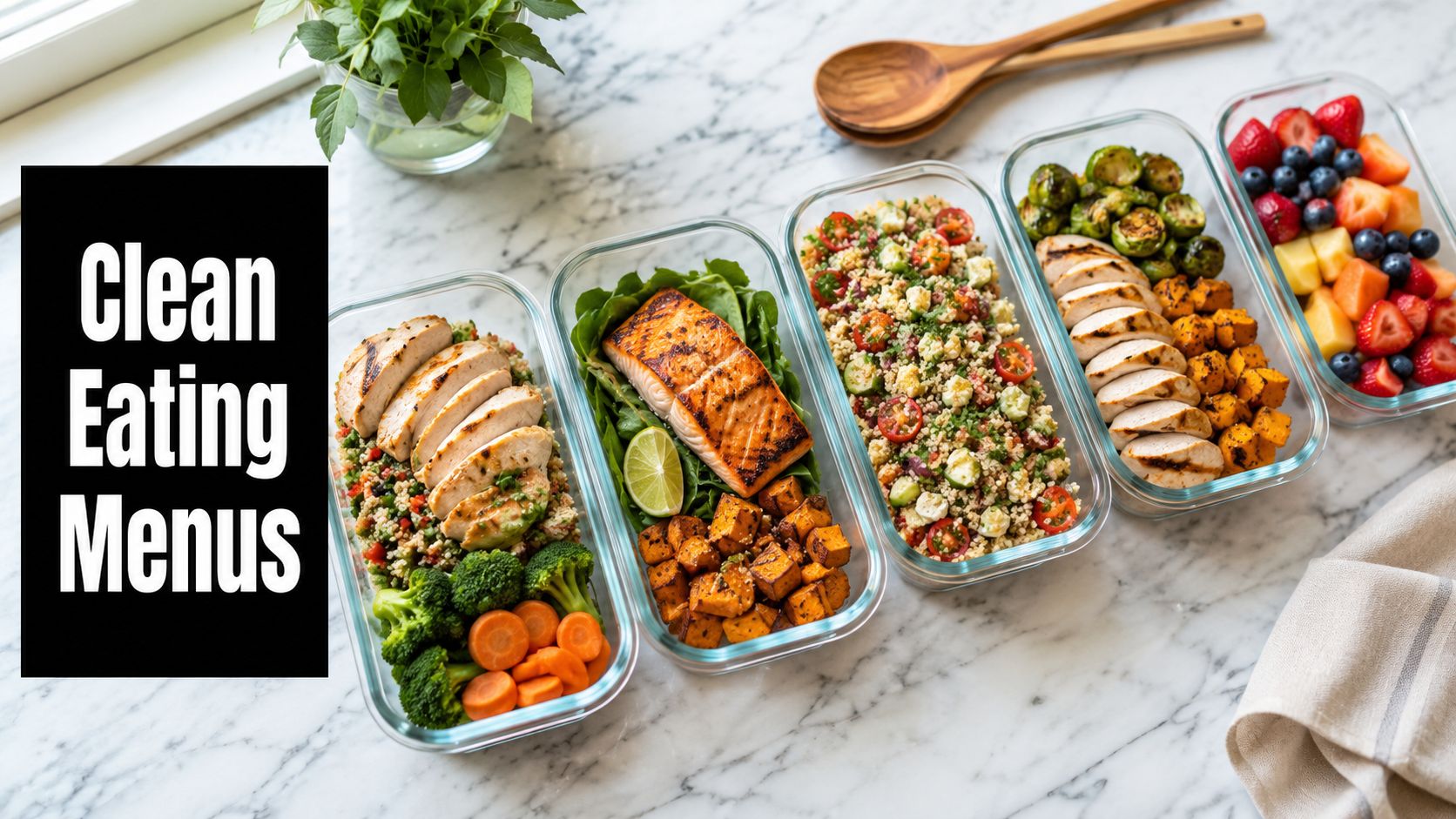
The best clean eating menus are built around whole foods, simple ingredient lists, and a structure you can repeat. A practical starting point is eight menu styles that cover common needs, including Mediterranean, Paleo, vegan, gluten-free, performance-focused, elimination, gut-friendly, and quick-prep routines, with one concrete template using an 1,800-calorie split of three 500-calorie meals and two 150-calorie snacks.
Somewhere between takeout fatigue, half-used produce in the fridge, and the vague promise to “eat better this week,” individuals often search for clean eating menus because they want a system, not another list of forbidden foods. They want breakfast, lunch, dinner, snacks, and a grocery list that doesn't create more stress than it solves.
This is the primary challenge with clean eating. The label sounds simple, but the execution gets messy fast. The term itself isn't tightly standardized, so what works in practice matters more than food ideology. Menus work when they cut down decisions, rely on whole foods, and fit the person eating them.
A good menu also has to acknowledge trade-offs. A stricter reset can simplify choices but wear people out. A flexible menu is easier to sustain but demands some judgment at the store. Families need repeatable dinners. Athletes need enough fuel. Busy professionals need leftovers that still taste good on day two.
The eight clean eating menus below are built for those realities. Each one gives you a ready-to-use template, sample meals, a focused grocery list, and prep advice so you can start immediately instead of overthinking the perfect plan.
1. The Balanced Mediterranean Clean Eating Menu

This is the menu I'd hand to someone who wants clean eating menus that feel normal, satisfying, and sustainable. It leans on fish, legumes, olive oil, vegetables, fruit, whole grains, yogurt, herbs, and simple cooking methods instead of rigid food rules.
A typical day looks like Greek yogurt with berries and chopped nuts for breakfast, a quinoa salad with chickpeas, cucumber, tomato, parsley, and olive oil for lunch, and salmon with roasted vegetables and farro for dinner. Snacks stay simple, such as fruit, hummus with carrots, or a handful of nuts.
What this menu gets right
Mediterranean-style eating works well for people who are tired of “diet food.” The meals are easy to batch, leftovers hold up, and the ingredient list stays short enough that you can tell what you're eating.
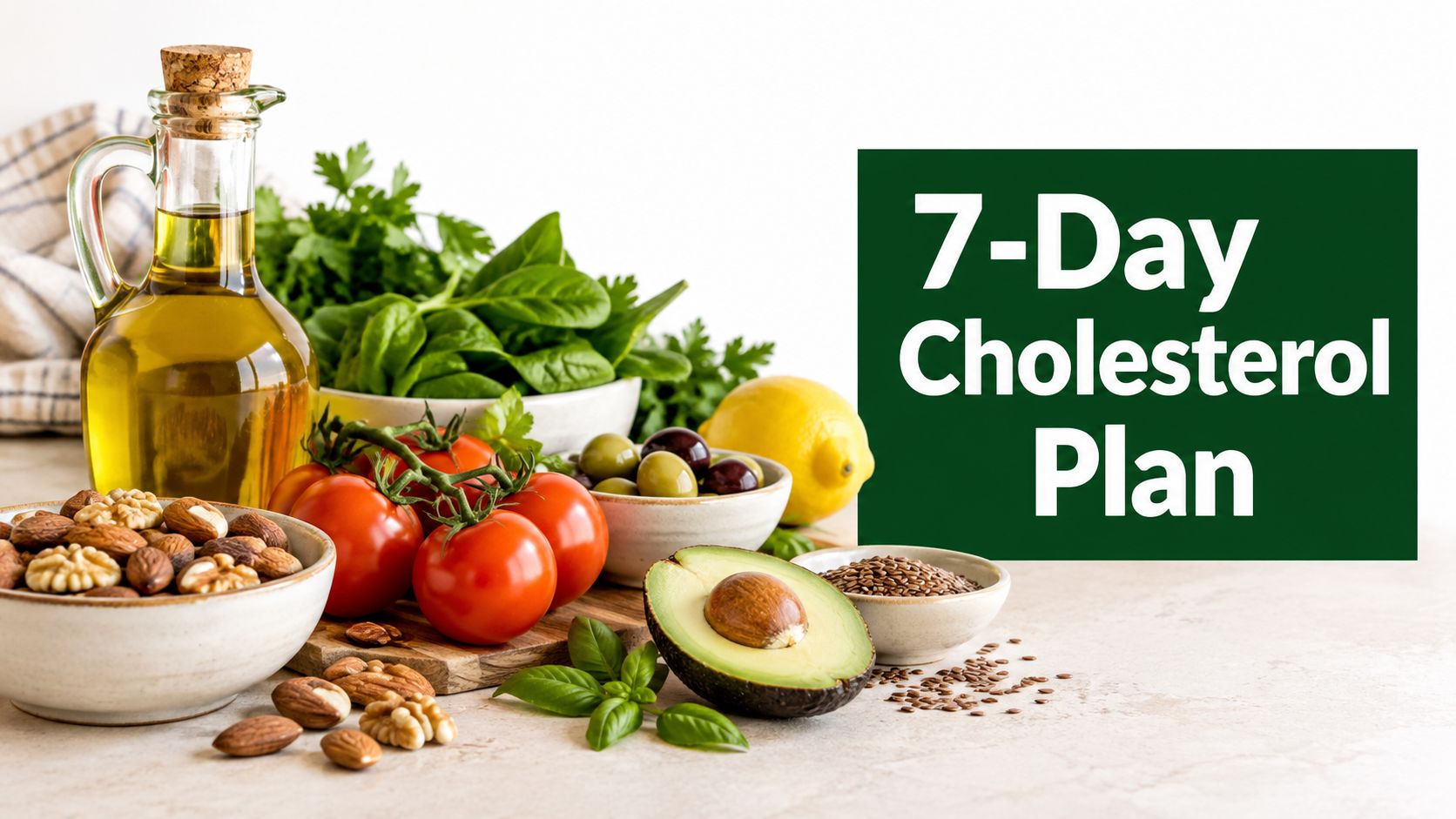
For someone managing heart-health goals, this pattern also fits clean eating without becoming overly restrictive. Earlier guidance on clean eating and chronic condition support points to the plate method as a practical structure: half vegetables, one quarter protein, and one quarter whole grains, which fits naturally here.
Practical rule: Build dinner around one fish or bean dish, one cooked vegetable, one raw vegetable, and one whole grain. That gives you variety without adding complexity.
You can also use a Mediterranean meal plan builder if you want the structure without writing a menu from scratch.
Sample grocery list and prep flow
- Proteins: Salmon, sardines, chicken breast, eggs, Greek yogurt, chickpeas, lentils
- Produce: Spinach, cucumber, tomatoes, zucchini, eggplant, peppers, lemons, berries, apples
- Pantry staples: Extra-virgin olive oil, quinoa, farro, oats, nuts, seeds, tahini, herbs, garlic
Prep once, then repeat combinations through the week:
- Cook grains early: Make a pot of quinoa or farro for bowls and side dishes.
- Roast vegetables in trays: Zucchini, peppers, onions, and eggplant can move from dinner sides to lunch salads.
- Keep one fast protein ready: Baked salmon, hard-boiled eggs, or marinated chicken prevents emergency takeout.
This menu tends to work best for people who want flexibility. It doesn't work as well for someone who prefers black-and-white rules, because it leaves room for judgment at every meal.
2. The Paleo Primal Clean Eating Menu
Paleo is useful when someone wants to strip meals back to basics fast. It removes grains, legumes, dairy, and refined foods, then builds meals around meat, fish, eggs, vegetables, fruit, nuts, seeds, and healthy fats.
That simplicity is the appeal. Breakfast might be eggs with spinach and avocado. Lunch could be a chicken salad with olive oil and pumpkin seeds. Dinner often looks like steak or roasted chicken with sweet potatoes and broccoli.
Where Paleo helps and where it gets hard
The strongest version of this menu is short and repetitive on purpose. If your current routine includes packaged bars, cereal, sauces, and snack foods, Paleo can reset your shopping habits quickly because there's less gray area.
The problem is variety fatigue. Many people start strong, then get bored because they keep rotating the same proteins and vegetables. The fix isn't more “Paleo products.” It's better seasoning, better textures, and smarter batch cooking.
Buy one roast chicken, one tray of sweet potatoes, one large salad base, and two sauces you make yourself. Suddenly the same ingredients become a bowl, lettuce wraps, and a dinner plate.
There's also a red meat trade-off. Some strict clean eating guidance recommends limiting red meat to twice per month, so if you use Paleo within a broader clean eating approach, rotate more fish, eggs, and poultry than steak.
Sample menu and shopping list
A workable three-day rotation:
- Day one: Eggs, peppers, and avocado; turkey lettuce wraps; baked cod with asparagus
- Day two: Chia pudding with berries; leftover chicken salad; beef with cauliflower mash
- Day three: Sweet potato hash with eggs; tuna-stuffed cucumber boats; pork tenderloin with green beans
Core shopping list:
- Proteins: Chicken thighs, turkey, eggs, salmon, cod, pork tenderloin
- Produce: Sweet potatoes, cauliflower, broccoli, asparagus, spinach, lettuce, berries, apples
- Fats and extras: Olive oil, avocado, walnuts, almonds, pumpkin seeds, garlic, lemon
If you want a tighter framework, a Paleo meal plan setup can help you keep the rules consistent. Paleo works best as a clear reset. It works less well when people expect it to feel casual.
3. The High-Protein Vegan Clean Eating Menu

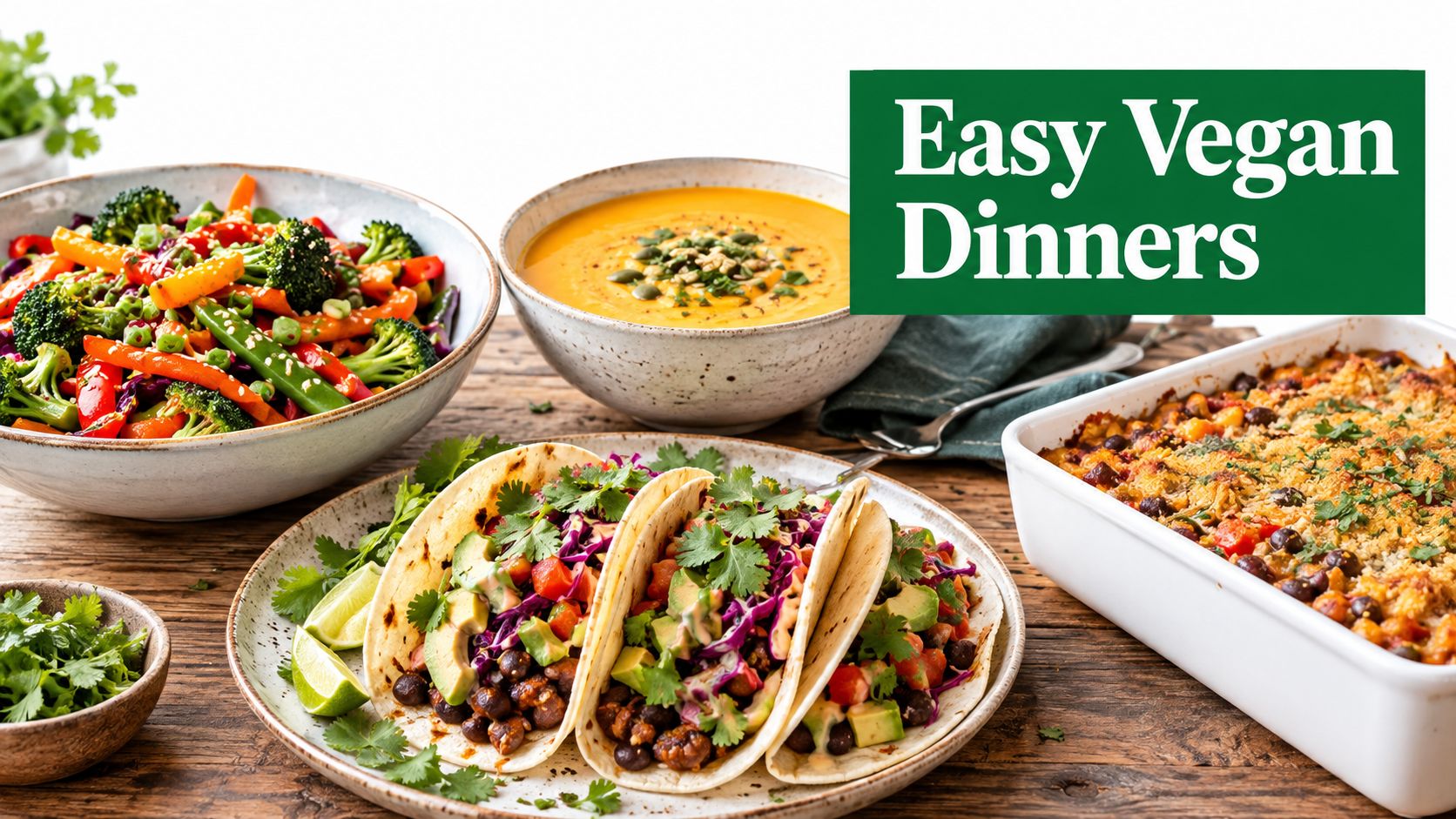
A vegan clean eating menu succeeds when it focuses on actual food, not ultra-processed substitutes. Beans, lentils, tofu, tempeh, oats, quinoa, nuts, seeds, vegetables, and fruit do the heavy lifting. Fake meats often make grocery shopping easier, but they can pull the menu away from the whole-food spirit many people want.
This menu is also one of the most budget-friendly ways to eat clean. Harvard's Nutrition Source notes that plant-based proteins like beans and tofu are generally more affordable than meat and fish, which makes this style especially practical for families and anyone trying to lower food costs without defaulting to packaged meals.
How to keep protein high without relying on processed products
A strong day might start with overnight oats, chia seeds, soy milk, and peanut butter. Lunch can be a lentil-quinoa bowl with roasted vegetables and tahini. Dinner might be tofu stir-fry with brown rice and edamame.
The mistake I see most often is building vegan meals around vegetables only. That creates nice-looking plates that don't satisfy. Every meal needs a real protein anchor and usually a second support ingredient, such as lentils plus quinoa, or tofu plus edamame.
- Breakfast anchors: Soy yogurt, tofu scramble, oats with hemp or chia
- Lunch anchors: Lentils, chickpeas, black beans, tofu bowls
- Dinner anchors: Tempeh, tofu, bean stews, grain-legume combinations
A vegan menu stops feeling “light” when every meal has a protein base first and vegetables second.
Sample grocery list and prep strategy
- Proteins: Lentils, chickpeas, black beans, tofu, tempeh, edamame
- Carbohydrates: Oats, quinoa, brown rice, sweet potatoes
- Fats and micronutrient support: Tahini, walnuts, chia seeds, flaxseed, hemp seeds
- Produce: Kale, broccoli, peppers, carrots, berries, bananas, citrus
Batch-cook one pot of lentils, roast two trays of vegetables, press and bake tofu, and mix one sauce. Then use a vegan meal planning tool or your own rotation to turn those basics into bowls, wraps, soups, and salads through the week.
This menu works especially well for budget-conscious eaters. It doesn't work well if you expect convenience foods to replace planning.
4. The Family-Friendly Gluten-Free Clean Eating Menu
Families don't need gourmet gluten-free clean eating menus. They need dinners everyone will eat, lunches that pack well, and breakfast options that don't rely on expensive specialty products.
The cleanest approach is to start with foods that are naturally gluten-free instead of buying gluten-free versions of highly processed snacks and baked goods. Rice, potatoes, quinoa, eggs, chicken, beans, fruit, vegetables, yogurt, and simple sauces cover most needs without turning every grocery trip into a label-reading marathon.
A weeknight formula that actually works
Use one protein, one starch, one fruit or vegetable everyone already likes, and one optional sauce. That's enough to make clean eating feel approachable for adults and kids at the same time.
A realistic menu could include:
- Breakfasts: Greek yogurt with fruit, eggs with potatoes, oatmeal if tolerated and selected carefully
- Lunches: Rice bowls with shredded chicken, turkey lettuce wraps, yogurt and fruit boxes
- Dinners: Taco bowls with rice and ground turkey, sheet-pan chicken with potatoes and green beans, baked salmon with quinoa and carrots
What works here is repetition with small changes. Children often do better with familiar formats than with entirely new meals every night.
Grocery list and prep moves for busy households
- Proteins: Chicken breast, ground turkey, eggs, salmon, plain yogurt, black beans
- Starches: Rice, quinoa, potatoes, sweet potatoes
- Produce: Bananas, apples, berries, carrots, cucumbers, broccoli, green beans, peppers
- Flavor builders: Olive oil, salsa, shredded cheese if used, herbs, garlic, lemon
One useful nuance for this menu is that fresh isn't the only “clean” option. Frozen produce and carefully chosen canned items without unnecessary additives can fit just as well, which matters when schedules are tight and produce spoils quickly.
You can simplify planning with a gluten-free meal plan, especially if different family members need different breakfasts or snacks.
This approach works because it lowers friction. It fails when parents try to recreate every packaged gluten-free favorite instead of building meals from basic foods.
5. The Macro-Balanced Performance Menu
You finish a workout, get pulled into meetings, miss lunch, and end up raiding the pantry at 4 p.m. That pattern wrecks training consistency faster than a bad program. A macro-balanced clean eating menu fixes the timing problem and the food-quality problem at the same time.
This menu fits people who train several days per week and want a repeatable structure they can maintain. Instead of eating "healthy" in a vague way, you build each meal around a clear job: protein for recovery, carbohydrates for training fuel, and fats for satiety and flavor. That makes this one of the more practical templates in this 8-menu toolkit, especially for lifters, runners, and anyone trying to improve body composition without living on packaged diet food.
What a performance day looks like
A useful setup starts with a higher-protein breakfast, such as eggs, oats, and berries. Lunch can be chicken, rice, and vegetables. A snack might be Greek yogurt with fruit or a smoothie with protein and banana. Dinner works well as salmon or lean beef with potatoes and greens.
The point is not perfection. The point is that each meal already has a purpose, so you are less likely to under-eat early, then overdo it later.
On harder training days, increase carbs around the workout. On rest days, keep protein steady and scale carbs down slightly if needed. That trade-off matters more than chasing an exact ratio every day.
Core foods and prep that make this menu work
- Protein staples: Chicken breast, eggs, Greek yogurt, salmon, tuna, lean beef, cottage cheese if you use dairy
- Carbohydrate staples: Oats, rice, potatoes, quinoa, bananas, berries
- Fat staples: Olive oil, avocado, nuts, seeds
- Fast add-ons: Frozen vegetables, pre-washed greens, salsa, lemons, spice blends
Prep is what makes the macro plan realistic. Cook two proteins, one starch, and a tray of vegetables twice a week. Portion a few meals ahead, but do not box up every bite of food if that makes you resent the process. I have found that partial prep works better for many active adults because it gives structure without making dinner feel repetitive by day three.
For readers who want more meal-format ideas, this macro meal guide for weight management is a useful companion read.
The main trade-off to watch
Macro awareness helps. Constant macro math burns people out.
The menu works best when you track enough to learn your portions, then shift to a short list of repeat meals you can rotate with minor changes. Performance menus usually fail for one reason: the athlete spends too much energy adjusting numbers and not enough energy making sure food is cooked, packed, and ready before hunger hits.
This is a strong fit for motivated exercisers who like structure. It is a poor fit for someone who hates tracking, skips meal prep, or wants every meal to be spontaneous.
6. The Whole30 Elimination and Reset Menu
Whole30-style clean eating menus suit people who want hard edges. For a defined reset period, you remove sugar, grains, legumes, dairy, and processed foods, then rely on meat, seafood, eggs, vegetables, fruit, and healthy fats.
That kind of structure can break a cycle of convenience eating because there's no room to negotiate with yourself. If the food doesn't fit, it's out. For some people, that clarity is easier than moderation.
When this reset helps
This menu is useful after a long stretch of takeout, grazing, and packaged snacks. It's also useful for people who suspect certain foods bother them but need a simpler starting point before a more detailed reintroduction process.
A clean day might look like eggs, mushrooms, and avocado for breakfast, chicken salad with olive oil and roasted vegetables for lunch, and shrimp with cauliflower rice and peppers for dinner. Snacks, if needed, can be fruit, nuts, or hard-boiled eggs.
The biggest mistake with strict resets
People often try to “replace” every excluded food with a compliant version. That leads to expensive shopping and a lot of mental energy spent on recreating bread, desserts, or snack foods. The menu works better when meals stay basic.
- Best proteins: Eggs, chicken, turkey, salmon, shrimp
- Best carbohydrates: Potatoes, sweet potatoes, fruit, winter squash
- Best vegetables: Leafy greens, broccoli, peppers, zucchini, cauliflower
- Best fats: Olive oil, avocado, nuts, seeds
One clean eating framework I like here is the 80/15/5 approach, which defines eating as 80% whole foods, 15% better-for-you processed foods, and 5% junk. Whole30 is much stricter than that, but the contrast matters. Whole30 is a short-term tool. The 80/15/5 model is closer to long-term life.
This menu works when it has a finish line. It usually backfires when people treat elimination rules as a permanent personality.
7. The Low-FODMAP Gut-Friendly Menu
This menu is narrower than the others because it's symptom-focused. If bloating, cramping, or IBS-type discomfort drives the search for clean eating menus, low-FODMAP eating can be useful as a temporary structure that strips out common digestive triggers and then adds foods back methodically.
It doesn't need to become a “wellness identity.” It needs to help you eat plainly enough to notice what your gut tolerates.
How to keep it clean without making it too restrictive
Start with plain proteins, tolerated grains, simple vegetables, and uncomplicated seasonings. Think scrambled eggs with spinach, rice with grilled chicken and zucchini, baked fish with potatoes and carrots, lactose-free yogurt if appropriate, and fruit choices that tend to be easier to tolerate.
The main mistake is stacking restrictions. People often combine low-FODMAP, sugar-free, dairy-free, grain-free, and low-carb rules all at once, then wonder why they can't sustain the plan. Keep the menu therapeutic and temporary, not punishing.
If digestion is the issue, fewer variables beat more “healthy” rules.
Practical menu template
Use this pattern for a few days at a time:
- Breakfast: Eggs and tolerated vegetables, or plain oats if they fit your tolerance plan
- Lunch: Rice bowl with chicken, cucumber, carrots, and olive oil
- Dinner: Salmon, potatoes, and roasted green vegetables
- Snacks: Fruit you tolerate, nuts in moderate portions, plain yogurt if appropriate
Clean eating still matters here because highly processed foods can add sweeteners, fibers, flavorings, and ingredient complexity that make symptom tracking harder. The simpler the ingredient list, the easier it is to spot patterns.
This menu works best when you record what you ate and how you felt. It doesn't work if you stay in elimination mode indefinitely and never reintroduce foods in an organized way.
8. The Quick-Prep Menu for Busy Professionals

It is 6:45 p.m., you are home late, and dinner needs to happen in 15 minutes. That is the moment this menu is built for.
The quick-prep menu is the most practical option in this set for professionals with long meetings, commute time, travel, or uneven work hours. Instead of asking you to cook fresh for every meal, it gives you a repeatable template: a few prepared building blocks, fast assembly, and enough variety to get through the week without ordering takeout.
Speed comes from overlap. One batch of protein covers lunches and dinners. One tray of washed produce handles bowls, salads, and snacks. One starch gives the menu structure so meals stay filling instead of turning into random grazing.
What a workday on this menu looks like
A strong day might look like this:
- Breakfast: Overnight oats with berries and chia, or Greek yogurt with fruit and nuts
- Lunch: Prepped salad or grain bowl with chicken, tofu, or chickpeas
- Snack: Apple with nut butter, or vegetables with hummus
- Dinner: Sheet-pan salmon, turkey meatballs, or rotisserie chicken with potatoes and roasted vegetables
None of these meals require much decision-making. That matters. Busy professionals often fail on weekdays because every meal asks for a new plan, a new recipe, and more cleanup than the schedule can handle.
Hydration also slips fast during packed workdays. A simple daily water target, such as the 64-ounce guideline noted by Organize Yourself Skinny, gives this menu more structure and helps reduce the common habit of mistaking low energy for hunger.
Prep strategy that holds up on real schedules
I would rather see someone prep six useful components than spend three hours cooking full meals they do not want by Wednesday. For this menu, ingredient prep beats full meal prep.
Use one evening or a short weekend block to prepare:
- Two proteins: chicken breast, turkey meatballs, baked tofu, hard-boiled eggs, or salmon
- Two starches: rice, potatoes, quinoa, or oats
- Raw produce: washed greens, cucumbers, carrots, peppers, berries
- Cooked vegetables: roasted broccoli, green beans, zucchini, or cauliflower
- One sauce or dressing: vinaigrette, tahini sauce, salsa, or yogurt herb sauce
From there, the week gets easier:
- Breakfasts: oats, yogurt bowls, egg muffins, or toast with eggs and fruit
- Lunches: grain bowls, chopped salads, wraps, or bento-style boxes
- Dinners: sheet-pan meals, skillet meals, tacos in lettuce cups, or leftover bowls
- Snacks: fruit, nuts, yogurt, hummus, cottage cheese, or cut vegetables
This menu has a clear trade-off. You give up novelty to get consistency. For a busy season at work, that is usually the right trade.
8-Menu Clean Eating Comparison
| Menu | Implementation Complexity 🔄 | Resource Requirements ⚡ | Expected Outcomes ⭐📊 | Ideal Use Cases | Key Advantages 💡 |
|---|---|---|---|---|---|
| The Balanced Mediterranean Clean Eating Menu | 🔄🔄 (Low–Moderate) | ⚡⚡⚡ (Moderate; fresh whole foods) | ⭐⭐⭐⭐⭐, improved heart health and sustainable weight management 📊 | Long-term health, general population | Emphasis on whole foods and healthy fats; evidence-backed |
| The Paleo Primal Clean Eating Menu | 🔄🔄🔄 (Moderate) | ⚡⚡⚡⚡ (Moderate–High; high-quality animal foods) | ⭐⭐⭐⭐, possible inflammation reduction and satiety gains 📊 | Individuals avoiding processed foods or seeking ancestral pattern | Prioritizes nutrient-dense, unprocessed foods; simple ingredient rules |
| The High-Protein Vegan Clean Eating Menu | 🔄🔄🔄 (Moderate; requires planning) | ⚡⚡⚡ (Moderate; plant protein sources + supplements) | ⭐⭐⭐⭐, muscle support while vegan; needs B12/iron/omega-3 monitoring 📊 | Athletes or vegans seeking higher protein intake | Plant-forward protein strategies; scalable for performance goals |
| The Family-Friendly Gluten-Free Clean Eating Menu | 🔄🔄 (Low–Moderate) | ⚡⚡ (Low; common gluten-free staples) | ⭐⭐⭐, improved tolerance for gluten-sensitive members; broad acceptability 📊 | Busy households with gluten sensitivity or preference | Simple, crowd-pleasing recipes; avoids processed GF products |
| The Macro-Balanced Performance Menu | 🔄🔄🔄🔄 (High; tracking required) | ⚡⚡⚡⚡ (High; tracking tools and timing) | ⭐⭐⭐⭐, optimized body composition and performance when adhered to 📊 | Fitness enthusiasts, body-composition goals | Precise macro control and nutrient timing for performance |
| The Whole30 Elimination & Reset Menu | 🔄🔄🔄🔄 (High; strict rules) | ⚡⚡⚡ (Moderate; strict exclusions) | ⭐⭐⭐, short-term reset and sensitivity identification 📊 | Short-term elimination to identify triggers or reset habits | Structured reintroduction phase; strong behavioral reset tool |
| The Low-FODMAP Gut-Friendly Menu | 🔄🔄🔄🔄 (High; personalized reintroduction) | ⚡⚡⚡⚡ (High; clinical guidance recommended) | ⭐⭐⭐⭐, reduced IBS symptoms for many individuals 📊 | People with IBS or functional gut symptoms | Therapeutic, evidence-based approach to identify triggers |
| The Quick-Prep Menu for Busy Professionals | 🔄 (Low) | ⚡⚡ (Low; batch-cooking friendly) | ⭐⭐⭐, better adherence to clean eating via time savings 📊 | Busy professionals, limited prep time | Fast, practical meals that preserve nutrition and convenience |
How Do You Make Clean Eating Effortless?
Monday gets busy fast. If breakfast is undecided, lunch depends on takeout, and dinner starts with “what do we have?”, even a well-designed clean eating plan falls apart by midweek. Effortless clean eating starts earlier, with a menu format that already fits your schedule, food preferences, and tolerance for prep.
That is the advantage of these eight menus. They are not abstract food philosophies. They are ready-to-use templates with sample meals, grocery direction, and prep strategies for different goals, from Paleo structure to vegan protein targets to fast weekday cooking for professionals. The right menu removes guesswork before hunger makes the decision for you.
Clean eating also works better when it stays practical. The term has no formal legal definition, and the label itself does not make a diet superior. A review summarized by Medical News Today explains that the strongest benefits come from habits already supported by nutrition research, such as eating more fruits and vegetables, getting enough fiber, limiting saturated fat and free sugars, and reducing reliance on ultra-processed foods.
In real meal planning, I look for friction points first. Some people need fewer decisions. Some need a tighter ingredient budget. Some need a structure that works around IBS symptoms, sports training, or family preferences. Clean eating becomes easier when the menu solves those real constraints instead of chasing a perfect standard.
A simple filter helps at the store. Industry guidance often uses a short ingredient list as a quick screen for heavily processed products, which is useful when you are comparing sauces, cereals, snack bars, or frozen meals. It is not a rule for every food, but it is a good shortcut for busy shoppers.
The bigger win is repetition with enough variety to stay interested. Use one menu style for the week, keep two breakfasts on repeat, rotate a few lunches, and batch-cook the ingredients that save the most time.
Here is the setup that works well for many households and busy professionals:
- Choose one menu, not three: Mixing Paleo dinners, vegan lunches, and performance macros in the same week usually creates more work than benefit.
- Repeat breakfasts on purpose: Oats, eggs, yogurt bowls, smoothies, or tofu scrambles are easier to sustain when you stop reinventing them daily.
- Prep ingredients, not only recipes: Cook a protein, a grain or starch, and a tray of vegetables. That gives you several meals with less effort.
- Use reliable snacks: Fruit, yogurt, nuts, boiled eggs, edamame, and cut vegetables reduce last-minute convenience purchases.
- Set a produce target: The World Health Organization recommends at least 400 grams of fruits and vegetables per day for adults and children over age 10. A menu built around produce makes that target much easier to hit.
Trade-offs matter. The Mediterranean and quick-prep menus are usually easier to maintain long term. Whole30 and Low-FODMAP can be useful for specific short-term goals, but they require more planning and, in the case of Low-FODMAP, often benefit from clinical guidance. Family-friendly and gluten-free plans tend to work best when the meals are familiar enough that nobody feels like they are eating a separate menu.
If you want help applying these templates without rebuilding your week from scratch, AI Meal Planner onboarding lets you enter your dietary preferences and goals, then generate personalized menus and grocery lists. That is useful for anyone who wants a repeatable routine with less weekly planning overhead.
Common Questions About Clean Eating Menus
What is the simplest rule for clean eating?
Build most meals from foods close to their original form, then use packaged foods selectively by checking ingredient lists and overall nutrition quality.
Can you drink coffee on a clean eating diet?
Yes. Black coffee and unsweetened tea fit easily into most clean eating menus. The bigger issue is usually sugar-heavy add-ins and highly processed creamers.
How do I start a clean eating menu on a budget?
Start with the lowest-cost staples that still match your menu style. Beans, lentils, oats, rice, eggs, tofu, canned fish, potatoes, frozen vegetables, and repeated ingredients keep costs down and reduce waste.
Is it necessary to buy all organic foods?
No. Consistency matters more than buying every item organic. A practical menu built from conventional produce can still be nutrient-dense and effective.
How do I keep clean eating from becoming too restrictive? Pick a menu with rules you can follow, allow repeat meals, and avoid treating food choices as moral wins or failures.
Which clean eating menu is best for busy professionals?
The Quick-Prep Menu is usually the easiest place to start because it is built around short prep sessions, leftovers, and simple ingredient combinations.
Can clean eating menus help with chronic condition goals?
They can support broader nutrition goals, especially when they reduce ultra-processed foods and improve meal consistency. For IBS, food intolerance concerns, or medical nutrition needs, use a menu designed for that purpose and involve a qualified clinician when needed.
If you want clean eating menus without building them manually, AI Meal Planner can generate personalized weekly menus, grocery lists, and meal structures based on your diet style, schedule, and goals.
AI-powered nutrition
Get Your Personalized Meal Plan
AI creates the perfect meals for your goals, lifestyle, and taste.
Start Your Journej