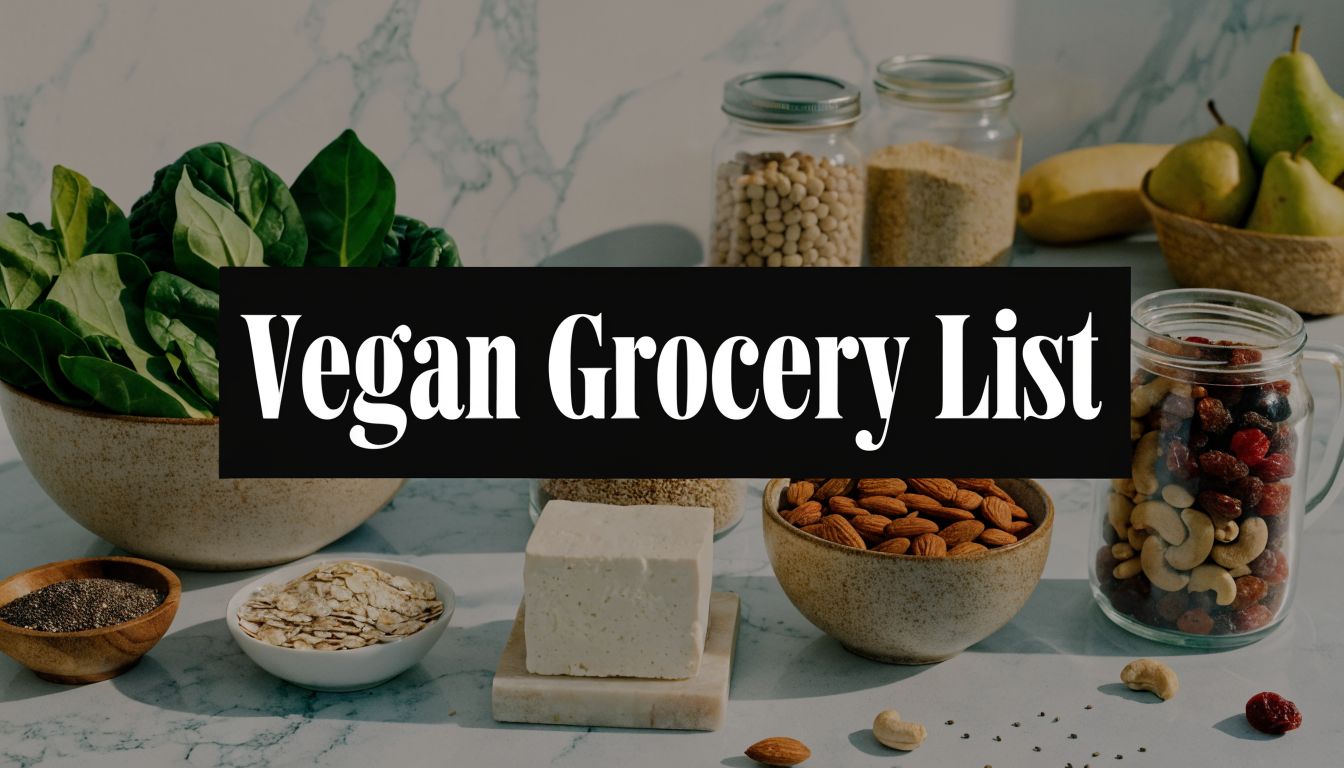
You get home after your first “vegan” grocery run and realize dinner is still a problem. There is plant milk in the fridge, spinach in the crisper, one pricey meat alternative, and no clear way to turn any of it into breakfast tomorrow or lunches for the next three days. Beginners rarely need more products. They need a better system.
A workable beginner vegan grocery list covers three zones at once: pantry staples that last, fridge items that carry meals through the week, and freezer backups that keep you from ordering takeout when fresh food runs low. The goal is simple. Buy foods that mix and match into real meals, store well, and pull double duty across breakfast, lunch, dinner, and snacks.
That system starts with a few repeatable building blocks. Protein anchors such as beans, lentils, tofu, and tempeh. Carb bases such as oats, rice, quinoa, bread, pasta, and wraps. Produce from both the fridge and freezer. Then flavor supports such as broth, salsa, soy sauce, garlic, spices, nut butter, and a plant milk you will use. If you want help turning those staples into balanced meals, an AI nutritionist meal planning tool for vegan beginners can make the first few weeks much easier.
I coach beginners to shop for pairings, not isolated ingredients. Black beans plus rice plus frozen peppers becomes burrito bowls. Oats plus soy milk plus peanut butter plus frozen berries becomes breakfast for four days. Tofu plus pasta plus broccoli plus jarred sauce becomes a fast weeknight dinner. Once people shop this way, vegan eating stops feeling restrictive and starts feeling organized.
Soy foods are worth keeping in regular rotation because they are practical, affordable, and easy to build meals around. Tofu and tempeh come from soybeans, and if you want background on the crop itself, this plant profile for growing soybeans gives useful context.
The sections below break the list into 10 beginner-friendly groups, then show how those foods compare and how to use them over a three-day and seven-day rhythm. That matters because success usually comes from boring consistency. A short list you can shop, store, and cook confidently beats a cart full of random vegan products every time.
1. Legumes and pulses
You get home from your first vegan grocery run, open the cabinet, and wonder what will become dinner. Legumes solve that problem fast. They are the part of the cart that turns random produce and grains into meals you can repeat without much thought.

For beginners, I want this category to do three jobs. Cover quick lunches, back up tired weeknight dinners, and give you at least one budget protein that stores well. Beans, lentils, chickpeas, and peas handle all three.
The easiest starter system is a mix of canned, dried, and frozen.
- Canned black beans: burrito bowls, tacos, chili, loaded baked potatoes
- Canned chickpeas: curry, chopped salads, smashed sandwiches, sheet-pan dinners
- Red lentils: quick soup, dal, thick pasta sauce boosters
- Green or brown lentils: grain bowls, meal-prep salads, shepherd's pie filling
- Frozen peas or edamame: fried rice, pasta, simple side dishes, fast protein add-ins
Canned legumes cost a bit more per serving than dried, but many beginners use them more consistently. That trade-off matters. A can you open on Wednesday beats a bag of dried beans that sits untouched for a month.
My default rule is simple. Keep two canned options, one lentil, and one frozen legume at all times.
That setup gives you real meal pairings instead of a shelf full of good intentions. Black beans plus rice plus salsa becomes burrito bowls. Chickpeas plus pasta plus frozen spinach becomes a fast dinner. Red lentils plus canned tomatoes plus broth becomes soup for two meals. Frozen peas rescue a plain bowl of rice, noodles, or mashed potatoes when the fridge looks empty.
Storage matters here too. Store dried lentils and dried beans in sealed containers in a cool cupboard. Keep a few cans in the front of the pantry where you can see them. After opening, move leftovers into a container and use them within a few days. I also tell beginners to rinse and freeze extra canned beans in flat portions if they only use half a can at a time.
If you want tighter protein coverage across the week, an AI nutritionist for personalized plant-based meal planning can help you map legumes into breakfasts, lunches, and dinners without repeating the same bowl every day.
Soybeans belong in this category too, especially if you use edamame, tofu, or tempeh regularly. If you want more context on the crop itself, this plant profile for growing soybeans is a useful reference.
2. Whole grains and pseudocereals
Beans alone won't carry a satisfying week. You need reliable carb bases that turn proteins and vegetables into real meals. Whole grains do that job better than random snack foods because they anchor breakfasts, bowls, soups, and packed lunches.
Brown rice, oats, quinoa, barley, and buckwheat each solve a slightly different problem. Oats fix breakfast. Rice handles batch cooking. Quinoa helps when you want a grain that works hot or cold. Barley and buckwheat add variety when you’re bored of rice but still want something sturdy.
What to buy first and how to use it
Start with three grains, not seven. For most beginners, I’d pick rolled oats, brown rice, and quinoa.

That gives you enough range to cover these common meals:
- Rolled oats: Overnight oats, stovetop oatmeal, baked oats, or savory oats with mushrooms.
- Brown rice: Tofu bowls, bean bowls, stir-fries, and chili nights.
- Quinoa: Lunch salads, stuffed vegetables, and fast grain bowls.
A common beginner mistake is buying white bread, crackers, and cereal, then wondering why meals don't feel filling. Bread and wraps have their place, but your beginner vegan grocery list should still include at least one bulk grain you can cook ahead.
Toast quinoa or buckwheat in a dry pan for a minute before cooking. The flavor gets nuttier, and plain grain bowls stop tasting flat.
Cook grains in a batch and cool them before storing. That one habit makes vegan eating easier because half your meals start with “add protein, add vegetables, add sauce” instead of “figure out dinner from scratch.”
3. Plant-based milks and yogurt alternatives
You get home with three cartons of plant milk, one flavored yogurt, and no real plan for using any of it. A week later, one carton is half full, the yogurt is close to expiring, and breakfast still feels harder than it should. Beginners run into this all the time.
Plant milks and yogurt alternatives work best when you treat them as part of a simple meal system. Buy them for specific jobs. One carton should cover breakfast and cooking. One yogurt should solve at least two meals you already make.

Which options make the most sense
For most beginners, unsweetened soy milk and unsweetened oat milk are the best starting options. Soy milk usually brings more protein, so it pulls more weight in smoothies, cereal, and overnight oats. Oat milk is often easier in coffee and creamy sauces, and many people prefer the taste straight away.
If you only want one carton, start with unsweetened soy milk unless you care most about coffee texture.
Yogurt alternatives are useful, but only if they earn fridge space. I usually suggest one plain, unsweetened tub first. It can handle breakfast bowls, overnight oats, blender sauces, ranch-style dressings, and a quick spoonful on chili, tacos, or baked potatoes.
Use these buying rules:
- Choose unsweetened milk and yogurt first: They give you more flexibility for both sweet and savory meals.
- Look for fortified options: They help cover common beginner gaps, especially if you are still building out the rest of your routine.
- Check protein on the label: Some yogurts are basically dessert. Others can help a meal hold you for a few hours.
- Buy smaller containers if you are still testing brands: Paying a little more per ounce is better than throwing half of it away.
Storage matters here. Keep shelf-stable cartons in the pantry until opened. Once opened, move them to the front of the fridge so they get used first. Yogurt alternatives usually have a shorter useful window after opening, so plan two or three uses before you buy them.
A simple pairing system keeps this category practical. Soy milk plus oats plus frozen berries covers breakfast. Oat milk plus pasta plus a pantry sauce base covers dinner. Plain yogurt plus taco bowls or roasted vegetables gives you a fast sauce without buying another specialty product. If you want help turning staples into real breakfasts, sauces, and repeatable meals, a plant-based meal planning setup can keep those cartons in rotation instead of forgotten in the back of the fridge.
If you're comparing options, this Everti's take on plant milk choices gives a practical starting point.
4. Tofu and tempeh
Tofu and tempeh are the foods many beginners avoid first, then rely on later. That’s usually because the first attempt goes badly. Plain tofu thrown into a pan without pressing or seasoning tastes watery. Tempeh cooked straight from the pack can taste bitter to someone new to it.
Handled well, both are weeknight staples.
Firm or extra-firm tofu works for stir-fries, bowls, scrambles, and baked cubes. Tempeh is denser, nuttier, and better when you want slices, crumbles, or something that feels substantial in sandwiches and grain bowls.
How to make tofu and tempeh taste good fast
Press tofu if you want crisp edges. Even a quick towel press improves browning. Freeze and thawing tofu can also change the texture in a useful way if you like a chewier bite.
Tempeh responds well to steaming before marinating. That small step softens the flavor and helps sauces cling better.
Good beginner uses include:
- Tofu scramble tacos: Crumbled tofu, onions, peppers, turmeric, and salsa.
- Crispy tofu rice bowl: Brown rice, broccoli, peanut sauce, and baked tofu cubes.
- Tempeh bacon strips: Thin slices pan-seared with soy sauce and smoked paprika.
- Tempeh crumbles: Great in pasta sauce, chili, or lettuce wraps.
Most tofu problems aren't tofu problems. They're seasoning and texture problems.
A visual walkthrough helps if you're still unsure about prep. This quick video covers practical tofu technique:
If you only buy one soy protein this week, buy firm tofu. It's cheaper, easier to season, and more adaptable across breakfast, lunch, and dinner.
5. Nuts and seeds
Nuts and seeds are support players, not the center of most meals. That’s the right way to think about them. They add staying power, texture, and nutrient density to food you’re already eating.
A strong beginner vegan grocery list usually includes almonds or walnuts plus chia, flax, hemp, or pumpkin seeds. You don't need all of them. You need the ones you'll sprinkle, blend, or snack on without effort.
Which ones pull the most weight
Chia and flax are easy wins because they disappear into oatmeal, smoothies, and overnight oats. Pumpkin seeds and hemp seeds are useful when you want a savory topping for salads, soups, or bowls. Walnuts and almonds work well for snacks and simple add-ons.
Store them well or they lose appeal fast. Seeds and nuts can taste stale if left warm too long, especially once opened.
- Chia seeds: Good for pudding, oats, and thickening smoothies.
- Ground flaxseed: Useful in baking and easy to add to breakfast.
- Pumpkin seeds: Great on roasted vegetables or grain bowls.
- Walnuts: Work in oatmeal, pesto, salads, and snacks.
- Cashews: Helpful for blending into creamy sauces if you enjoy that style of cooking.
This category can get expensive when you buy everything raw, organic, and in tiny packets. Buying one or two core options in larger bags is usually smarter than collecting six novelty ingredients you barely touch.
6. Frozen fruits and vegetables
You get home on a Wednesday, the fresh spinach is limp, and dinner feels harder than it should. Frozen produce fixes that fast. It gives beginners a reliable backup that still turns into real meals, not a random stash of good intentions.
This category matters because it supports the whole shopping system. Pantry staples like rice, oats, pasta, and beans become easy dinners and breakfasts when the freezer supplies fruit for smoothies and vegetables for bowls, soups, and stir-fries. It also cuts one of the biggest beginner mistakes. Buying fresh produce for five different meal ideas, then throwing half of it out.
A useful freezer setup is small and deliberate. Start with a short core you can use in repeat meals:
- Mixed berries: Smoothies, oatmeal, overnight oats, yogurt bowls
- Spinach: Smoothies, pasta, soups, curries
- Broccoli: Rice bowls, noodle dishes, sheet-pan dinners
- Edamame: Grain bowls, salads, fried rice, quick lunches
- Corn: Tacos, chili, bean salads, soups
- Mixed vegetables: Stir-fries, fried rice, last-minute dinners
These foods earn their spot because they solve specific problems. Berries cover fast breakfasts. Broccoli and mixed vegetables make dinner possible when the fridge is low. Edamame gives you a freezer protein option that cooks in minutes, which is useful on weeks when you do not want to prep tofu.
Keep one freezer combination reserved for an easy dinner. Stir-fry vegetables, shelled edamame, and frozen rice or cooked leftover rice works well. Add soy sauce, garlic, and a spoonful of peanut butter or chili sauce, and you have a balanced meal with almost no planning.
Storage matters here too. Close bags tightly, use the oldest bag first, and avoid buying oversized packs of vegetables you rarely cook. Frozen food saves money only when you finish it.
If you want help turning these staples into repeatable meals, keep a short list of easy vegan recipes built around freezer and pantry basics. That is how frozen produce stays useful. Every bag should already have a job.
7. Fresh produce staples
You get home with two bags of produce, feel organized for about a day, then watch spinach wilt and cucumbers soften while you keep reaching for pasta, rice, and whatever is easiest. The fix is not buying more vegetables. The fix is giving each produce item a job before it goes into the cart.
For beginners, fresh produce works best as part of a repeatable system. Keep a short list of base items for cooking, a few raw items for fast lunches and snacks, and only one or two fragile foods you know you will use quickly. That gives you enough range for real meals without turning the crisper drawer into a compost bin.
The produce core that works week after week
A practical starting mix looks like this:
- Onions and garlic: The base for beans, lentils, tofu scrambles, soups, pasta sauce, curry, and stir-fries.
- Leafy greens like spinach or kale: Use in smoothies, grain bowls, pasta, sandwiches, and quick sautés.
- Broccoli, cauliflower, or cabbage: Reliable dinner vegetables that hold up well and pair with tofu, rice, noodles, or roasted potatoes.
- Carrots and cucumbers: Easy snack and lunch produce. Good for hummus plates, wraps, and chopped salads.
- Tomatoes and lemons or limes: These sharpen simple meals fast. Add them to chickpeas, tacos, grain bowls, and dressings.
- Potatoes or sweet potatoes: High-value produce for filling dinners. Roast a tray once and use it across several meals.
- Two fruits you already eat consistently: Bananas, apples, oranges, grapes, or berries if your budget allows.
The key trade-off is shelf life versus convenience. Spinach is easy to throw into meals but spoils faster. Cabbage takes a little more prep but lasts much longer and stretches the budget better. Pre-cut vegetables save time, but whole vegetables usually cost less and keep better. Buy according to the week you expect to have.
I coach beginners to sort produce into three roles. Cooking base items include onions, garlic, greens, and sturdy vegetables. Raw and snack items include cucumbers, carrots, tomatoes, and fruit. Flavor boosters include lemons, limes, fresh herbs, or scallions. Once you shop that way, meals come together faster because each item already has a purpose.
Here is what that looks like in practice. Onions, garlic, broccoli, and spinach can cover a tofu stir-fry, lentil pasta, and a grain bowl. Cucumbers, carrots, tomatoes, and lemons can cover wraps, side salads, and snack plates. Potatoes or sweet potatoes can turn leftover beans, tofu, or tahini sauce into a full dinner.
If you need help matching fresh produce to meals before shopping, use a shortlist of vegan recipes built around produce, pantry staples, and simple weeknight meals.
Store produce based on how fast it turns. Keep greens visible and use them first. Save cabbage, carrots, potatoes, and citrus for the second half of the week. Wash and chop only the items that will make weekday meals easier, because too much prep at once can shorten freshness.
Fresh produce should support your pantry, fridge, and freezer staples, not compete with them. Buy the vegetables and fruit you can clearly pair with beans, grains, tofu, bread, and sauces you already keep on hand. That is how a beginner vegan grocery list starts working like a system instead of a pile of good intentions.
8. Nut butters and seed butters
Nut butter is one of the fastest ways to turn basic ingredients into a satisfying meal or snack. It gives body to sauces, helps breakfast last longer, and rescues plain fruit, toast, oatmeal, or smoothies when they feel incomplete.
Peanut butter is still the workhorse for most beginners because it’s familiar and flexible. Almond butter is nice if you prefer a milder flavor. Tahini matters too, even though people forget to count it here. It's one of the best savory staples in a vegan kitchen.
How to use them beyond toast
Peanut butter isn't just for sandwiches. It becomes a fast sauce when mixed with soy sauce, lime or lemon, and a little warm water. Tahini turns into dressing with lemon, garlic, and water. Almond butter blends easily into oats or smoothies.
Good uses include:
- Peanut butter banana smoothie: Fast breakfast with oats and soy milk.
- Tahini lemon dressing: For kale salads, chickpea bowls, or roasted vegetables.
- Almond butter oatmeal: A simple way to make breakfast more filling.
- Sunflower seed butter toast: Useful if you need a nut-free option.
What doesn't work is buying sweetened, dessert-style spreads and expecting them to do the same job in savory cooking. Check the label. Simpler ingredient lists are easier to use across more meals.
Store natural versions well and stir them when first opened. That little bit of setup makes them much easier to use through the week.
9. Whole grain bread, pasta, and wraps
These are your convenience carbs. They don't replace grains like oats or rice, but they make vegan eating much easier on busy days.
Bread handles breakfast and lunches. Wraps solve portable meals. Pasta gives you a reliable dinner when you have vegetables, canned tomatoes, and one protein source but no desire to think. A beginner vegan grocery list should include at least one of each if your schedule is tight.
Which convenience carbs are worth buying
Go for products that fit your actual habits. If you never make sandwiches, don't buy two loaves. If pasta night happens every week, stock it confidently.
A simple setup looks like this:
- Whole grain bread: Toast with nut butter, avocado, or chickpea smash.
- Whole wheat or legume-based pasta: Fast dinners with lentils, tofu, or vegetables.
- Wraps or tortillas: Burritos, lunch wraps, breakfast tacos, and quesadilla-style meals.
Freezing bread and wraps is one of the easiest waste-reduction habits for beginners. Pull out only what you'll use. Pasta is shelf-stable, so it earns a permanent pantry spot.
What often goes wrong here is buying refined products that don't keep you full, then snacking all afternoon. Pair bread, pasta, or wraps with protein and vegetables, and they work well. Eaten on their own, they usually don't.
If you enjoy baking or want to branch into alternative grains, this guide on how to bake perfect spelt bread is a useful reference.
10. Vegan pantry essentials
You get home with rice, beans, tofu, and vegetables, then dinner still falls flat. The missing piece is usually the pantry. A small set of sauces, acids, spices, and cooking staples turns basic groceries into meals you will want to repeat.
For beginners, I recommend building this category for function, not variety. Start with ingredients that solve common weeknight problems: bland food, dry bowls, thin soups, and meals that need a fast sauce.
The small pantry that changes everything
Keep canned tomatoes, vegetable broth, soy sauce or tamari, miso, nutritional yeast, tahini, vinegar, olive oil, cumin, paprika, chili flakes, turmeric, garlic powder, and black pepper on hand. That group covers soup, pasta, chili, grain bowls, dressings, marinades, and quick sauces without forcing you to buy specialty products you may not use.
A few pairings do a lot of work:
- Soy sauce plus tahini: A fast sauce for noodles, grain bowls, or steamed vegetables.
- Canned tomatoes plus lentils: A dependable base for soup, stew, or pasta sauce.
- Miso plus broth: A quick soup starter for tofu, greens, mushrooms, or noodles.
- Nutritional yeast plus garlic powder: Better savory flavor for popcorn, pasta, potatoes, or roasted vegetables.
Storage matters here because these items last longer than fresh foods, but they still lose quality if handled poorly. Keep spices in a dark cabinet, not above the stove. Refrigerate miso after opening. If tahini separates, stir it well once, then store it upside down to make the next use easier.
This part of the list also supports the bigger system. Pantry staples let you turn the same core groceries into different meals across the week, which keeps a beginner vegan routine from feeling repetitive or expensive. If you want help turning these staples into actual dinners, a vegan meal planning system for beginners can make the shopping-to-meal step much easier.
Keep one reliable backup combo ready. Soy sauce, tahini, and chili flakes can rescue a bowl of rice, beans, and frozen vegetables in five minutes.
Beginner Vegan Grocery: 10-Item Comparison
| Item | 🔄 Implementation Complexity | ⚡ Resource Requirements | 📊 Expected Outcomes | 💡 Ideal Use Cases | ⭐ Key Advantages |
|---|---|---|---|---|---|
| Legumes & Pulses | Moderate, soak/cook or use canned/pressure-cooker | Low cost; pantry staples; pressure cooker optional | High protein & fiber; very filling | Soups, stews, salads, burgers, batch meals | ⭐ Economical, versatile, shelf-stable |
| Whole Grains & Pseudocereals | Low, simple cooking; some longer cook times | Low–moderate cost; cooker recommended for consistency | Sustained energy, fiber, B‑vitamins; quinoa adds complete protein | Bowls, breakfasts, grain salads | ⭐ Satiety, nutrient-rich base |
| Plant-Based Milks & Yogurt Alternatives | Very low, ready-to-use; minimal prep | Refrigeration; varies by type and fortification | Variable protein; fortified options support bone nutrients | Beverages, cereals, baking, sauces | ⭐ Dairy replacement, wide variety |
| Tofu & Tempeh | Low, pressing/marinating; tempeh benefits from steaming | Refrigerated; moderate cost; simple kitchen tools | High-quality protein; tempeh offers fermentation benefits | Stir-fries, sandwiches, scrambles, marinades | ⭐ Protein-dense, texture adaptable |
| Nuts & Seeds | Minimal, ready-to-eat; optional toasting or grinding | Higher cost per calorie; require cool, airtight storage | Concentrated healthy fats, some protein, micronutrients | Snacks, toppings, baking, smoothies | ⭐ Nutrient-dense, adds texture/flavor |
| Frozen Fruits & Vegetables | Very low, ready-to-use; thaw or add frozen | Freezer space required; often cost-effective | Nutrient retention often comparable to fresh; less waste | Smoothies, soups, stir-fries, quick meals | ⭐ Convenience, long shelf life |
| Fresh Produce Staples | Low, prep needed; shorter shelf life requires planning | Frequent shopping; refrigeration; seasonal price variability | High in vitamins, antioxidants, fiber | Salads, sides, raw or cooked dishes | ⭐ Maximum freshness and nutrient variety |
| Nut Butters & Seed Butters | Minimal, ready-to-use; stir refrigerated natural jars | Calorie-dense; pantry/fridge storage; choose clean labels | Concentrated energy, healthy fats, moderate protein | Spreads, smoothies, dressings, sauces | ⭐ Convenient, creamy texture, versatile |
| Whole Grain Bread, Pasta & Wraps | Very low, ready-to-heat/serve; check labels for whole grain | Store/freeze to prolong; varies in cost; gluten considerations | Fiber, complex carbs for stable blood sugar | Quick meals, sandwiches, pasta dishes | ⭐ Low prep, reliable meal vehicle |
| Vegan Pantry Essentials | Very low, stocked long-term; used as needed | Pantry space; low cost per use; long shelf life | Elevated flavor and nutrient boosts; simplifies cooking | Seasoning, sauces, soups, boosting simple dishes | ⭐ High impact on flavor with minimal effort |
Beyond the list for vegan success
You get home on Sunday with a cart full of good intentions. By Wednesday, the spinach is limp, dinner feels unclear, and takeout starts to look easier. That usually is not a motivation problem. It is a grocery system problem.
A beginner vegan grocery list works when each item already has a job. Beans become chili, wraps become lunches, frozen fruit covers breakfast, and tofu handles two dinners. The goal is simple. Buy foods that store well, repeat well, and combine into meals without much thought.
How to turn groceries into actual meals
Start with a small framework before you shop. Pick 1 breakfast base, 2 lunch formats, and 3 dinners. Then choose ingredients that overlap on purpose.
That one step fixes a lot of beginner mistakes.
A practical 3-day setup might look like this:
- Breakfast: Oats with soy milk, frozen berries, and chia seeds
- Lunch 1: Wraps with hummus, greens, shredded carrots, and chickpeas
- Lunch 2: Rice bowls with tofu, frozen broccoli, and peanut sauce
- Dinner 1: Pasta with canned tomatoes, lentils, and spinach
- Dinner 2: Stir-fry with rice, tofu, mixed vegetables, and soy sauce
- Dinner 3: Baked potatoes topped with black beans, salsa, and tahini
A 7-day list uses the same idea. Add one or two fresh vegetables for variety, rotate sauces, and repeat your core starches and proteins. That keeps costs down and cuts waste without making meals feel repetitive.
Quick meal ideas when you don't want to think
Use formulas. They are faster than searching for recipes at 6 p.m.
Breakfasts
- Oats + fruit + seeds: Cheap, filling, and easy to prep ahead
- Toast + nut butter + banana: Fast and reliable
- Smoothie + soy milk + frozen fruit: Good on low-appetite mornings
Lunches
- Wrap + beans or hummus + crunchy vegetables: Portable and easy for workdays
- Grain bowl + tofu or edamame + dressing: Great for leftovers
- Soup + toast + fruit: Useful near the end of the week
Dinners
- Rice + tofu + frozen broccoli + sauce: Fast and dependable
- Pasta + tomatoes + greens + beans: Pantry-friendly
- Potatoes + lentils or chili + tahini: Filling and budget-conscious
If you keep these formulas in mind while shopping, the list stops being a pile of ingredients and starts acting like a weekly meal plan.
How to keep the cost under control
New vegans often overspend in predictable ways. They buy expensive substitutes, too many snack foods, and produce with no clear meal attached.
Use a few simple rules instead:
- Buy your protein anchors first: Legumes, tofu, and tempeh usually do more work per dollar than novelty products.
- Use one store well before adding a second: Multiple stores only help if you already know which one has the best price on staples you buy every week.
- Rely on mainstream retailers: Many discount chains and warehouse stores carry oats, beans, soy milk, frozen vegetables, pasta, and tofu.
- Use canned and frozen foods strategically: They save time, lower waste, and keep backup meals available.
- Repeat ingredients across meals: One bag of spinach can cover smoothies, pasta, grain bowls, and wraps.
I usually tell beginners to build around low-cost staples first, then add one or two convenience items they enjoy. That balance is realistic. It keeps the budget steady and makes the plan easier to stick with.
How to store food so you waste less
Storage is part of the shopping system. A good list still fails if food spoils before you use it.
Use the freezer more than you think you need to. Freeze bread on day one if you will not finish it quickly. Portion cooked grains and beans into containers for fast lunches. Keep nuts and seeds sealed well, and refrigerate natural nut butters if the jar suggests it. Wash and prep only the produce you know you will use soon. Leave the rest whole so it lasts longer.
A simple rule helps here too. Fragile foods first, sturdy foods later. Eat berries, herbs, salad greens, and ripe avocados early in the week. Save cabbage, carrots, potatoes, onions, and frozen vegetables for later meals.
When to automate the process
After the first few weeks, the challenge is not finding more vegan foods. It is reducing decisions. A strong system gives you repeat meals, enough variety, and a list you can follow without rebuilding it from scratch every week.
If you want that part handled for you, Start your personalized plan here.
AI Meal Planner is a practical next step if you want vegan meals, smart grocery lists, and less weekly guesswork. It helps turn a beginner vegan grocery list into an organized routine with meals that fit your goals, preferences, and schedule.
AI-powered nutrition
Get Your Personalized Meal Plan
AI creates the perfect meals for your goals, lifestyle, and taste.
Start Your Journej