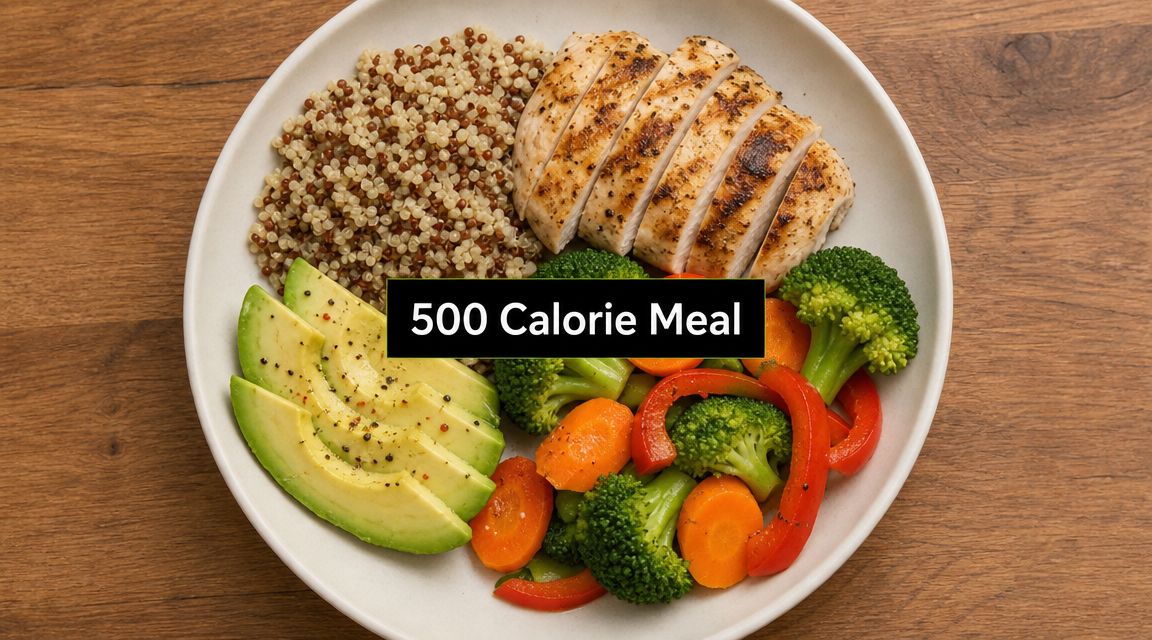
If you're trying to keep lunch or dinner to a 500 calorie meal, the target shouldn't be calories alone. A good 500 calorie meal includes a solid protein source, a high-volume vegetable component, a measured portion of carbohydrate, and enough fat to make the meal satisfying instead of punishing.
A 500 calorie meal can fit into a structured eating plan, but it's not automatically healthy just because the number looks neat. In clinical context, very low-calorie diets are generally defined as about 800 calories or fewer per day, and most adults can't meet vitamin and mineral needs below about 1,200 calories daily, which is why highly restrictive approaches need medical supervision according to Vinmec's overview of the 500-calorie diet.
Introduction
A lot of people land on the same idea during weight loss. If they can just keep each meal around 500 calories, progress should feel simpler.
Sometimes that works. Sometimes it backfires fast.
The difference is usually meal structure. A bowl of cereal, a smoothie with little protein, or a tiny salad with dressing on the side can all land near the same calorie mark, but they won't affect hunger, energy, or adherence in the same way. That's where individuals get stuck. They hit the number, then end up raiding the pantry an hour later.
A better way to think about a 500 calorie meal is this. You're building a meal that has to do a job. It should keep you full, support muscle retention, give you usable energy, and fit your broader calorie budget without turning the rest of the day into a fight with cravings.
Practical rule: If a 500 calorie meal doesn't include a clear protein source and a clear vegetable or fiber source, it's usually harder to stay satisfied.
This also needs a safety note. A single 500 calorie meal is one thing. A full-day intake built around extremely low calories is something else entirely. That kind of intake belongs in a clinical setting, not in casual internet advice.
What works in real life is less dramatic. Build meals with intention, portion them consistently, and stop treating calories as the only marker of quality. If you want support calculating your own energy needs before building meals, a calorie and macro calculator can help frame the bigger picture.
What Does a Balanced 500 Calorie Meal Actually Look Like?
A balanced 500 calorie meal isn't tiny. It should look like a real plate.
The most useful framework has four parts. Protein anchors the meal. Complex carbohydrates provide staying power. Vegetables add bulk and micronutrients. Fat rounds out flavor and helps the meal feel complete.

Health guidance on lower-calorie meals keeps coming back to the same point. Meal quality matters, not just energy content. A 500 calorie meal works better when you judge it by satiety and nutrient density, not only by the total calorie line, as noted by Get Healthy Clark County's discussion of meals under 500 calories.
Protein comes first
If I were building a 500 calorie meal from scratch, I'd decide on the protein before anything else. That's because protein does more than fill space on the plate. It helps the meal feel substantial and makes the rest of the calorie budget easier to manage.
Good starting points include:
- Chicken breast or turkey: Lean and easy to portion.
- Fish or shrimp: Useful when you want a lighter meal that still feels complete.
- Tofu, tempeh, edamame, beans, or lentils: Strong options for plant-forward meals.
- Greek yogurt, cottage cheese, eggs, or egg whites: Especially useful for breakfast-style meals.
Vegetables create volume
A 500 calorie meal feels much bigger when a generous part of the plate comes from vegetables. That can mean roasted broccoli, a chopped salad, stir-fried peppers, sautéed greens, cucumbers, tomatoes, mushrooms, zucchini, or cauliflower rice.
Many quick-fix meal ideas fail because they cut food volume too aggressively, then call the result disciplined. In practice, low-volume meals are harder to stick with.
A satisfying low-calorie meal usually looks abundant, not sparse.
Carbs and fats should be measured, not feared
Carbohydrates aren't the enemy in a 500 calorie meal. They're useful when they support energy and satiety. The key is choosing a sensible portion and making it intentional.
A balanced plate might include:
- Complex carbs: Brown rice, quinoa, oats, potatoes, beans, lentils, fruit, or whole grain bread
- Healthy fats: Olive oil, avocado, nuts, seeds, tahini, or a modest amount of cheese
What doesn't work well is letting fats or refined carbs drift upward without noticing. Sauces, oils, creamy dressings, granola, cheese, and nut butters can crowd out the foods that make a meal filling.
How Do I Portion Foods for a 500 Calorie Target?
Once you stop guessing, hitting a 500 calorie meal gets much easier.
The most reliable workflow is to set the calorie budget first, then prioritize protein and fiber, and only after that fill the remaining calories with carbohydrate and fat. That's the approach described in Healthline's review of the 500-calorie diet. It also explains why solely cutting protein and vegetables to save calories often leads to more hunger and rebound eating.
Use your hand when you don't want to measure
Hand portions aren't perfect, but they're practical.
- A palm of protein is a useful starting point for meat, fish, tofu, or tempeh.
- A fist of carbs works for cooked grains, beans, pasta, or starchy vegetables.
- A thumb of fat fits oils, nut butter, seeds, or spreadable fats.
- At least one to two handfuls of vegetables gives the meal volume.
This method is especially useful at restaurants, at work, or when you're assembling something quickly from leftovers.
Use a simple mix and match table at home
At home, the easiest approach is to combine one protein, one carbohydrate, one fat, and plenty of vegetables, then adjust portions until the meal lands near your target. If you want a wider ingredient database for planning and logging, a searchable food guide can make the process faster.
| Category | Food Example | Portion Size | Approx. Calories |
|---|---|---|---|
| Protein | Chicken breast | palm-sized cooked portion | moderate |
| Protein | Salmon | palm-sized cooked portion | moderate to higher |
| Protein | Extra-firm tofu | palm-sized portion | moderate |
| Protein | Lentils or beans | fist-sized portion | moderate |
| Complex carb | Brown rice | small fist | moderate |
| Complex carb | Quinoa | small fist | moderate |
| Complex carb | Potato or sweet potato | fist-sized portion | moderate |
| Fat | Olive oil | thumb-sized amount | concentrated |
| Fat | Avocado | small portion | concentrated |
| Fat | Nuts or seeds | small sprinkle or spoonful | concentrated |
| Fiber and veg | Broccoli, greens, peppers, zucchini, cucumber, salad vegetables | large portion | low |
The exact calorie count depends on the food and cooking method, so treat the table as a structure, not a fixed prescription.
What a practical plate often looks like
A dependable pattern looks like this:
Start with protein
Build the center of the meal around chicken, fish, tofu, eggs, Greek yogurt, beans, or lentils.Add vegetables generously
Roasted, steamed, raw, sautéed, or stir-fried all work.Choose one main carb source
Rice, potatoes, quinoa, bread, fruit, or beans. Not all of them together unless you've planned for it.Finish with one measured fat source
A drizzle of olive oil, avocado slices, seeds, nuts, pesto, or dressing.
What works: measured fats and a clear carb choice.
What doesn't: "healthy extras" piled on top without counting them.
Can You Give Me Some Quick 500 Calorie Meal Recipes?
Home cooking gives you much more control over a 500 calorie meal. That's one reason this approach works better than trying to eyeball random restaurant entrées. A U.S. analysis found the average non-chain restaurant meal contained 1,205 kcal, which helps explain why a 500 calorie target is easier to hit with food you portion yourself, according to this restaurant entrée analysis in BMJ Open.

If you want more ideas in the same style, a curated healthy recipe collection can help you rotate meals without repeating the same bowl every day.
Lemon herb salmon plate
This is a classic example of a meal that feels generous.
Use a portion of salmon, pair it with quinoa, and add roasted asparagus or green beans. Finish with lemon, herbs, and a small amount of olive oil. The salmon provides protein and fat, the quinoa gives structured carbohydrate, and the vegetables add bulk.
This works well because the flavor is strong enough that you don't need heavy sauces.
Chicken burrito bowl
Build the bowl with grilled chicken, black beans, a measured scoop of brown rice, salsa, lettuce, tomato, and a little avocado.
This style of meal is satisfying because every bite has texture. Beans also make the bowl more filling than rice alone. Keep an eye on shredded cheese, sour cream, and oil-heavy dressings, since those can push calories up quickly.
Keep sauces and toppings deliberate. That's where many "healthy" bowls stop being a 500 calorie meal.
Here's a visual walkthrough if you want recipe inspiration in video form.
Tofu stir-fry with brown rice
For a plant-based option, sauté extra-firm tofu until browned, then add mushrooms, broccoli, snap peas, bell peppers, and garlic. Serve over a measured portion of brown rice and finish with a light soy-based sauce.
This works best when the vegetables dominate the pan and the sauce is used lightly. Stir-fries can become calorie-dense if oil gets poured freely or if sugary bottled sauces do most of the seasoning.
How Can I Adapt These Meals for My Diet or Preferences?
Rigid meal plans don't last. A useful 500 calorie meal framework has to bend around your life, your culture, your preferences, and any medical or dietary limits you manage.
That's especially important because generic meal lists often skip the hard part. They don't show you how to keep protein adequate in a vegan meal, how to stay gluten-free without losing structure, or how to manage sodium and sauces when you're trying to stay within your calorie budget. That gap is highlighted in Walnuts.org's discussion of meals under 500 calories and dietary restrictions.

Swap the protein, keep the structure
The easiest way to adapt meals is to keep the same framework and change the ingredients.
- For vegetarian meals: Replace chicken or fish with eggs, Greek yogurt, cottage cheese, tempeh, tofu, lentils, or edamame.
- For vegan meals: Build around tofu, tempeh, edamame, lentils, beans, or a soy-based yogurt or protein addition if needed.
- For gluten-free meals: Use potatoes, rice, quinoa, corn, beans, fruit, and naturally gluten-free grains instead of wheat-based options.
- For lower-carb meals: Increase non-starchy vegetables and use a smaller carb portion while keeping protein steady.
- For diabetes or heart-conscious eating: Pay attention to carbohydrate quality, sodium-heavy sauces, and saturated fat sources.
Adjust flavor without losing control
Many people think "healthy" means bland, then compensate with too much dressing or sauce. A better strategy is to use flavor sources that don't add hidden excess to the meal.
Good options include:
- Acidic ingredients: lemon juice, lime juice, vinegars
- Dry seasonings: chili flakes, cumin, garlic powder, smoked paprika, curry blends
- Fresh additions: herbs, scallions, cilantro, parsley, ginger
- Lower-calorie moisture: salsa, mustard, plain yogurt-based sauces
If you want a broader perspective on tailoring food choices to your own biology and preferences, this guide on how to unlock your health potential is a useful complement to calorie-based planning.
How Do I Use Batch Prepping for 500 Calorie Meals?
Consistency gets much easier when you stop prepping full recipes and start prepping components.
Cook a protein or two. Prepare one or two carb bases. Wash and chop vegetables. Mix a simple sauce. Then assemble different combinations through the week instead of cooking from zero every night.
Prep building blocks, not identical meals
A practical batch-prep session might include:
- Proteins: grilled chicken, baked tofu, hard-boiled eggs, cooked lentils
- Carbs: rice, quinoa, roasted potatoes, beans
- Vegetables: chopped salad greens, roasted broccoli, peppers, cucumbers, shredded cabbage
- Flavor add-ons: salsa, yogurt sauce, tahini-lemon dressing, herbs, lemon wedges
This approach reduces decision fatigue. It also makes portioning easier because you're choosing from foods you've already prepared with your calorie target in mind.
Make storage part of the system
Containers matter more than people think. Separate compartments help keep textures better and make it easier to see whether the meal has all the parts it needs. If you're choosing gear for weekly prep, this guide to ultimate 3 compartment food containers is a practical reference.
For shopping, planning ingredients ahead of time prevents random extras from derailing the calorie budget. A smart grocery list generator can simplify that step and make repeat weeks easier.
Prep enough structure that weeknight decisions become assembly, not negotiation.
Frequently Asked Questions About 500 Calorie Meals
Is a 500 calorie meal good for weight loss?
It can be, if it fits your total daily intake and includes enough protein, fiber, and food volume to keep you satisfied. The meal works best as part of a structured plan, not as a crash tactic.
Can a 500 calorie meal still be filling?
Yes, if it's built around protein, vegetables, and a measured amount of carbs and fat. It usually won't be filling if most of the calories come from refined carbs or calorie-dense extras.
Should every meal be 500 calories?
Not necessarily. Some people do better with a larger breakfast or dinner and smaller meals elsewhere, as long as the full day supports their goals.
What's the biggest mistake people make with 500 calorie meals?
They chase the number and ignore satiety. Meals that are technically low in calories but low in protein and fiber are much harder to sustain.
Can I eat a 500 calorie meal at a restaurant?
You can, but it's harder to estimate accurately because portions, oils, sauces, and sides vary a lot. You're more likely to stay close to target with simple dishes and clear substitutions.
How do I make a vegan 500 calorie meal more satisfying?
Center the meal on a substantial plant protein like tofu, tempeh, lentils, or edamame, then add vegetables, a measured carb, and a small fat source. Vegan meals often fall short when they're mostly vegetables without enough protein.
Are sauces a problem in a 500 calorie meal?
They can be. Sauces, dressings, and cooking oils are one of the easiest ways to undercount a meal, so portion them intentionally.
If you want the easiest way to turn these principles into daily meals, AI Meal Planner can build personalized meal plans, calculate calories and macros, and generate organized grocery lists based on your goals, preferences, and dietary restrictions.
AI-powered nutrition
Get Your Personalized Meal Plan
AI creates the perfect meals for your goals, lifestyle, and taste.
Start Your Journej