How do you start a simple healthy meal plan?
To start a simple healthy meal plan, focus on three steps. First, pick one primary goal, like saving time or eating more vegetables. Second, assign simple themes to your weeknights, such as 'Taco Tuesday' or 'Pasta Night,' to reduce decision-making. Third, build your meals around a core list of 10-15 versatile ingredients you enjoy.
Jumping headfirst into meal planning can feel like a massive chore, but the real key is building a flexible system that works for you, not the other way around. A good plan brings order to your eating habits without adding stress.
This guide is for anyone who wants to eat better but doesn't have hours to spend in the kitchen. We'll walk through setting practical goals, creating a meal structure you can live with, and building smart shopping lists that save you both time and money.
Why should you start with one clear goal?
Before you even think about recipes, you need to define your "why." This one core motivation will shape every single choice you make. Without it, it’s far too easy to get lost in a sea of options and just give up.
So, what's the one thing you really want to achieve?
- Save Time: Your focus will naturally shift to recipes under 30 minutes, batch cooking, and simple, easy-to-find ingredients.
- Eat More Vegetables: You'll start prioritizing meals where veggies are the main event, like big salads, stir-fries, or sheet-pan dinners.
- Support Fitness Goals: You might concentrate on balancing protein, carbs, and fats to fuel your workouts and help your body recover.
By picking one primary goal, you create a powerful filter. It makes decision-making much easier.
How can themed nights make meal planning easier?
One of the biggest hurdles in meal planning is sheer decision fatigue. Trying to come up with five to seven completely different meals every single week is exhausting. This is where themes come in to save the day, providing structure and predictability.
To get started, try using a simple framework like the one below. This theme-based template removes the guesswork and makes planning your first week feel incredibly streamlined.
Simple Weekly Meal Theme Framework
| Day of the Week | Meal Theme Idea | Sample 30-Minute Meal |
|---|---|---|
| Monday | Meatless Monday | Black Bean & Corn Quesadillas |
| Tuesday | Taco Tuesday | Ground Turkey Tacos with Salsa |
| Wednesday | Pasta Night | Chicken Sausage & Broccoli Pasta |
| Thursday | Sheet-Pan Dinner | Roasted Chicken Sausage & Veggies |
| Friday | Pizza/Fun Food Night | Naan Bread Pizzas with Toppings |
This framework drastically narrows your choices in the best way possible. Instead of asking, "What should I make tonight?" you're just asking, "What kind of pasta dish sounds good?" You can create your own AI-generated meal plan through a quick onboarding that uses this exact strategy to give you fresh ideas each week.
What does a realistic 7-day healthy meal plan look like?
A realistic plan is built for your actual life, focusing on whole foods, smart variety, and recipes that take less than 30 minutes to pull together. The goal isn't perfection; it’s consistency. It's about creating a simple, nourishing routine that you can actually stick with, even when life gets chaotic.
The best plans are flexible, not rigid. They’re designed to use ingredients efficiently across multiple meals to cut down on waste and feature food you actually look forward to eating. This sample week is all about balancing your macros for steady energy without the headache of obsessive calorie counting.
A Sample 7-Day Balanced Meal Plan
Here is a sample week designed for a packed schedule, emphasizing nutrient-dense foods and minimal prep time.
| Day | Breakfast | Lunch | Dinner |
|---|---|---|---|
| Mon | Overnight oats with berries | Leftover sheet-pan chicken over greens | Sheet-Pan Lemon Herb Chicken & Veggies |
| Tue | Greek yogurt with granola | Lentil soup (batch-cooked) | Ground Turkey Stir-fry with Brown Rice |
| Wed | Scrambled eggs with spinach | Leftover stir-fry | Salmon with Quinoa & Steamed Asparagus |
| Thu | Smoothie with protein powder | Lentil soup (batch-cooked) | Black Bean Burgers on Whole Wheat Buns |
| Fri | Overnight oats with nuts | Leftover salmon salad | Homemade Veggie Pizza on Naan Bread |
| Sat | Whole wheat toast with avocado | Quinoa salad with chickpeas & veggies | Leftover Pizza or Flex Meal |
| Sun | Greek yogurt with berries | Leftover quinoa salad | Pasta with Chicken Sausage & Broccoli |
This isn't a strict script you have to follow to the letter. Think of it as a flexible template. The real genius is in how leftovers from dinner become the next day's lunch and how batch-cooking a few key items saves you a ton of time.
What are some practical tips for meal planning success?
A great plan is useless if it only exists on paper. The key is translating it to your plate with a few smart strategies that make healthy eating feel effortless week after week.
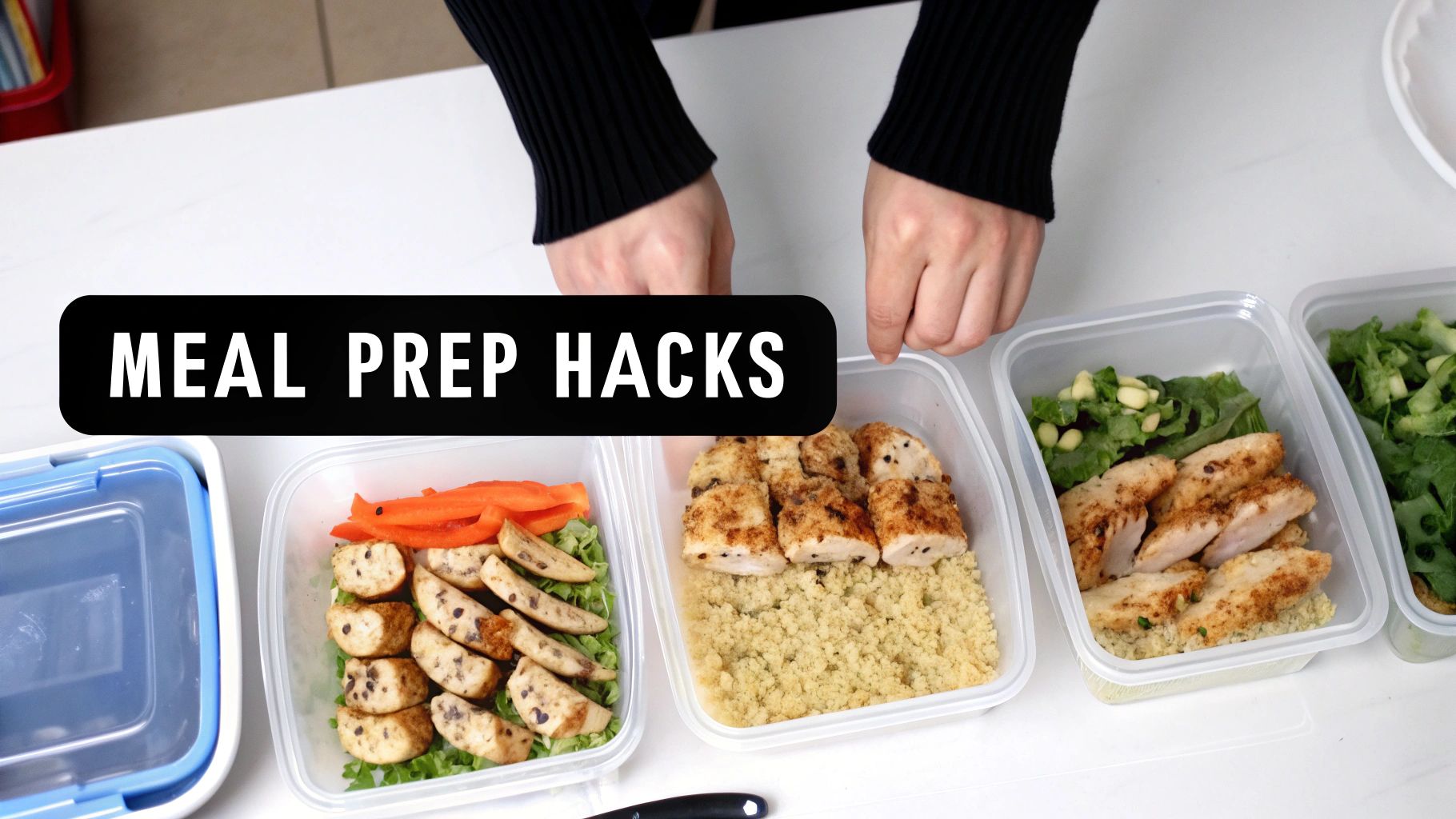
- Prep Components, Not Full Meals: Spend an hour on Sunday just prepping the building blocks. Chop your veggies, cook a batch of grains like quinoa, and grill some chicken.
- Embrace "Semi-Homemade" Shortcuts: There's no shame in using pre-chopped vegetables, a store-bought rotisserie chicken, or canned beans. These shortcuts can slash your prep time.
- Always Double Your Dinner Recipe: Making enough dinner to have leftovers for lunch the next day is the single easiest way to solve the "what's for lunch?" crisis.
For more ideas tailored to your specific goals, you can explore a fully balanced meal plan that automates these concepts for you.
How can I simplify grocery shopping for my meal plan?
A killer meal plan is one thing, but if your grocery trip feels like a frantic scavenger hunt, you’re not going to stick with it. By shifting your mindset from a weekly scramble to a strategic mission, you'll save time, sidestep impulse buys, and walk out with exactly what you need.
The secret is all about working smarter, not harder. We’re going to build a few core templates that do the heavy lifting, turning a dreaded task into a quick, efficient, and almost automatic process.
Why should you create a master grocery list?
First things first, let's create your "master grocery list." Think of this as your greatest hits collection. It’s a running list of all the ingredients for your top 5-10 favorite, go-to healthy meals—the ones you find yourself making over and over again.
When it’s time to shop for the week, you simply pull the items you need from this master list instead of trying to reinvent the wheel.
How does organizing a list by store layout help?
Wandering aimlessly up and down the aisles is a massive time-waster. A truly effective grocery list is organized just like the store itself. Before you leave the house, take two minutes to categorize everything into logical sections:
- Produce: All your fresh fruits and veggies.
- Proteins: Chicken, fish, tofu, beans, eggs.
- Dairy: Yogurt, milk, cheese.
- Pantry/Aisles: Grains, canned goods, spices, oils.
- Frozen: Frozen fruits, vegetables, or proteins.
This simple act of organization can easily slash your shopping time in half. For example, if you’re pulling recipes from our guide to Mediterranean meal planning, you can group all the fresh herbs, olive oil, and fish into their respective categories for a lightning-fast trip.
How can planning for leftovers help you shop less?
Strategic leftovers are your secret weapon for a shorter, cheaper grocery list. When you're cooking, intentionally make more than you need for a single dinner. This "cook once, eat twice" mentality means fewer ingredients to buy and less time in the kitchen.
For instance, if you grill extra salmon tonight, you have the perfect protein to flake over a salad for lunch tomorrow. This overlap is the key to minimizing food waste and trimming your grocery bill. This kind of efficiency is a core reason subscription-based services have become so popular, a concept you can borrow for your own planning. You can learn more about the growth of meal kit services from Grand View Research.
What are the smartest time-saving meal prep strategies?
The success of any healthy eating plan hinges on effective meal prep. But the old-school image of dedicating an entire Sunday to packing five identical containers of chicken and broccoli is outdated and a recipe for burnout. Smart prep is about flexibility and working smarter, not harder.
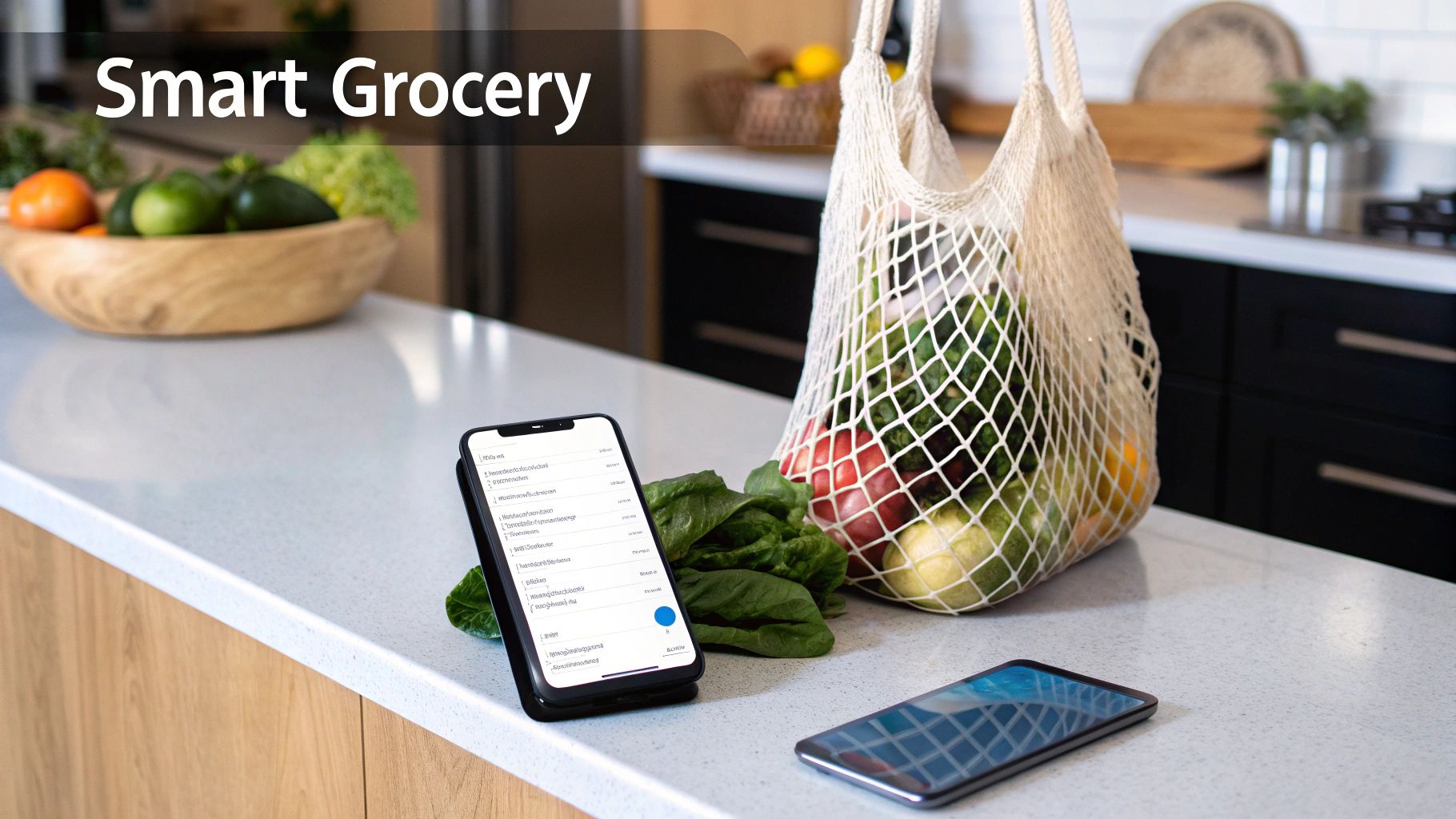
Instead of full meals, focus on preparing versatile ingredients you can mix and match. This approach is the secret to staying consistent without getting bored.
Why is component prepping more flexible?
Component prepping is a powerful strategy where you prepare individual ingredients that can be thrown together in minutes later in the week. This gives you the freedom to create wildly different dishes from the same core set of prepped items.
Here’s what that looks like in practice:
- Chop all your veggies: Dice onions, slice bell peppers, and break down broccoli. Store them in airtight containers for stir-fries, omelets, or sheet-pan dinners.
- Cook a batch of grains: Make a big pot of quinoa, brown rice, or farro. This can be the base for a grain bowl, a quick side dish, or a way to bulk up a soup.
- Grill a versatile protein: Cook a package of chicken breasts or thighs. You can slice it for salads, shred it for tacos, or dice it up for a pasta dish later in the week.
When should you use batch cooking?
While component prepping is all about flexibility, batch cooking is your best friend for foundational meals. This just means making a large quantity of a single recipe that can be eaten multiple times or serve as a base for other dishes. This is where things like soups, stews, and sauces really shine.
Having a healthy, hearty option like a lentil soup or a bolognese sauce in the fridge or freezer means a nourishing meal is always just minutes away. This growing demand for convenient, healthy food is why the meal delivery market is exploding, projected to hit nearly USD 30,000 million by 2031. You can dive deeper into the healthy meal delivery service market report to see the full trend.
A Sample Two-Hour Weekend Prep Schedule
Here’s a blueprint for maximizing just two hours to set yourself up for a week of success:
- First 30 Minutes: Get the hands-off stuff going. Start your grains on the stove and get your protein in the oven to bake.
- Next 60 Minutes: While those are cooking, wash and chop all your vegetables for the week. Mix up a vinaigrette, assemble overnight oats, and hard-boil some eggs.
- Final 30 Minutes: Pull the chicken and grains from the heat. Let them cool before portioning them into containers. Clean up your workspace, and you're done.
How do I adapt my meal plan for different dietary needs?
A one-size-fits-all meal plan doesn't work. The secret to making a healthy meal plan stick is knowing how to adapt it to your specific dietary requirements, whether you're vegetarian, gluten-free, or low-carb. The good news is you don’t have to reinvent the wheel; it's all about mastering a few smart ingredient swaps.
Your Guide to Smart Ingredient Swaps
The easiest way to customize your plan is to adopt a simple "swap sheet" mindset. Instead of crossing a favorite recipe off your list, just identify the one ingredient that doesn't fit your needs and replace it with a solid alternative. As noted in a report on the healthy meal delivery market from Cognitive Market Research, market growth has made professional-grade meal planning more accessible than ever.
The Ultimate Ingredient Swap Sheet
| Original Ingredient | Dietary Need | Smart Swap Suggestion | Pro Tip |
|---|---|---|---|
| Ground Beef | Vegetarian/Vegan | Lentils or crumbled firm tofu | Sauté tofu until it's golden for a better texture. For a "meaty" feel, use brown or green lentils. |
| White Rice | Low-Carb/Keto | Cauliflower rice | Pat the riced cauliflower dry with paper towels before you cook it. This prevents it from getting soggy. |
| Wheat Pasta | Gluten-Free | Chickpea, lentil, or quinoa pasta | Cook it al dente. Gluten-free pastas can get mushy if overcooked, so be sure to rinse after draining. |
| Chicken Breast | Vegetarian/Vegan | Canned chickpeas or baked tempeh | Pat chickpeas dry and roast them for a crispier texture that's perfect for salads and grain bowls. |
| Cow's Milk | Dairy-Free/Vegan | Unsweetened almond or oat milk | Oat milk is creamier and works best for sauces and soups. Almond milk is a great choice for smoothies. |
| All-Purpose Flour | Gluten-Free | Almond flour or a 1-to-1 GF blend | Almond flour is ideal for baking or breading, adding a nice boost of protein and healthy fats. |
How can you maintain nutritional balance with swaps?
When you make a swap, the goal is always to keep the meal nutritionally sound. The key is to replace, not just remove. Swapping chicken for a protein-rich alternative like edamame or baked tofu ensures the meal remains balanced and satisfying.
- For Plant-Based Diets: Always ask, "Where is my protein coming from?" If you remove meat or dairy, add back lentils, beans, tofu, tempeh, or nuts.
- For Low-Carb Diets: When you take out a carb like potatoes or rice, bulk up the meal with extra non-starchy vegetables like broccoli, spinach, or bell peppers.
- For Gluten-Free Diets: Lean on whole-food carb sources like quinoa, brown rice, and sweet potatoes. They are naturally gluten-free and packed with nutrients.
Can technology make my meal planning effortless?
Manual meal planning can feel like a part-time job. This is exactly where modern technology steps in, automating the most draining parts of the process and making consistent, healthy eating feel genuinely achievable.
Platforms like AI Meal Planner completely change the game by doing all the heavy lifting for you. These tools generate personalized weekly plans based on your specific goals, dietary needs, and food preferences, effectively eliminating hours of frustrating research.
How does AI deliver personalized nutrition?
The real magic of using technology for meal planning is true personalization. Instead of trying to force-fit your life into a generic template, an AI-driven platform creates a dynamic plan that adapts to you.
This means you get meals that align perfectly with your objectives. The best tools often include features like:
- Automatic Macro and Calorie Tracking: Instantly see the nutritional breakdown of every meal.
- Intelligent Grocery Lists: Your shopping list is automatically generated from your weekly plan and sorted by aisle.
- Smart Leftover Planning: The system intelligently incorporates leftovers into your plan to cut down on food waste.
This shift reflects a massive consumer demand for convenience that doesn't sacrifice nutrition. You can discover more insights about prepared meals market trends on Fortune Business Insights. By letting technology handle the planning, you're free to focus on cooking and enjoying healthy food. You can create your first personalized meal plan in just a few minutes.
Frequently Asked Questions About Easy Healthy Meal Plans
How many meals should I plan for each day? Plan for three main meals and one or two snacks. This approach helps maintain stable energy levels and prevents overeating later in the day.
What if I get bored with my meal plan? Keep a rotating list of 10-15 favorite recipes to swap in when you feel bored. Also, schedule one or two "flex days" each week for leftovers, trying a new dish, or takeout.
Will meal planning actually save me money? Yes, meal planning saves money by eliminating impulse buys at the store, reducing food waste, and decreasing reliance on expensive last-minute takeout.
How much time should I dedicate to meal prep? You only need one to two hours per week for effective meal prep. Focus on "component prep"—chopping veggies, cooking grains, and preparing proteins—rather than cooking full meals.
What is the easiest way to start meal planning? The easiest way is to plan just 3-4 dinners for your first week. Use simple recipes you already know and love to build confidence and momentum.
Is it better to plan meals daily or weekly? Weekly planning is more efficient for most people as it saves time on daily decision-making and streamlines grocery shopping into a single trip.
Can a meal plan include snacks? Yes, planning for 1-2 healthy snacks per day is a smart strategy. It helps manage hunger between meals and prevents you from reaching for unhealthy options.
Ready to stop guessing and start planning? The AI Meal Planner creates personalized meal plans based on your goals in seconds. Get your effortless plan now.
AI-powered nutrition
Get Your Personalized Meal Plan
AI creates the perfect meals for your goals, lifestyle, and taste.
Start Your Journej