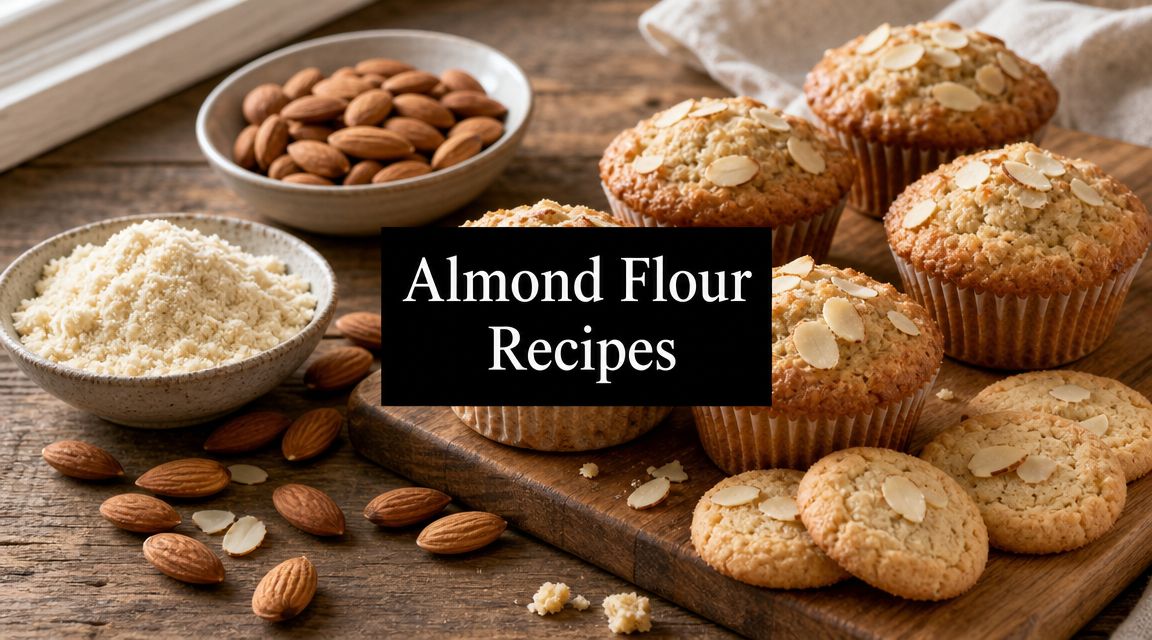
You open the pantry at 7 a.m., grab a bag of almond flour, and need something that will work for breakfast, lunches, or snacks later in the week. This is the primary challenge. Almond flour can produce tender pancakes, useful muffins, sturdy tortillas, and good snack bars, but it can also give you greasy, fragile, or overly dense results if you use it like wheat flour.
The best recipes with almond flour are the ones built for its texture and fat content from the start. It works well in pancakes, bread, muffins, cookies, pizza crust, brownies, protein bars, cake, tortillas, and granola because those formats do not depend on strong gluten development. A standard 1 ounce serving of almond flour provides 163 calories, 14.2 grams of fat, 6.1 grams of protein, 5.6 grams of carbohydrates, and 3 grams of fiber, which helps explain why it fits lower-carb and gluten-free meal planning.
I treat almond flour as a planning ingredient, not just a baking swap. Good recipes do more than taste decent on day one. They need to hold up in the fridge, reheat without turning wet or crumbly, and fit a clear purpose, whether that is a higher-protein breakfast, a packed snack, or a pizza base that does not fall apart.
That is the gap this guide is built to fix. Each recipe in this list is part of a usable system. You will see where almond flour performs best, what trade-offs to expect, how to store each item, how to reuse leftovers, and what substitutions are realistic without wasting ingredients.
In practice, success comes from choosing formats that suit almond flour instead of forcing it into doughs that rely on chew and stretch. Gourmet breakfast pancakes are a good example. Quick breads, skillet tortillas, and meal-prep muffins follow the same rule. Use almond flour where tenderness, richness, and staying power are strengths, and meal planning gets much easier.
1. Almond Flour Pancakes
Pancakes are one of the easiest wins with almond flour because the batter doesn't need the same kind of gluten structure that sandwich bread does. Eggs do most of the heavy lifting, and almond flour gives you a soft, rich interior that feels satisfying instead of empty.
A reliable starting point is 1 cup almond flour to 6 large eggs. Add cinnamon and vanilla if you want a sweeter breakfast without relying on a lot of sugar. Cook them on medium-low heat so the outside doesn't brown before the center sets.
How to make them work on a busy morning
Whisk the eggs first, then stir in almond flour until you have a thick but pourable batter. Let it sit briefly so the flour hydrates. Portion onto a lightly greased pan and keep the pancakes small, because larger ones are harder to flip cleanly.
These are useful for people who need breakfast to hold them longer than toast does. Almond flour is naturally low in carbs and gluten-free, which is one reason it's used so often in celiac-friendly and lower-carb baking.
Practical rule: Keep the heat lower than you think you need. Almond flour batters brown quickly.
For serving, pair pancakes with Greek yogurt, nut butter, or berries if that fits your plan. If you're eating after training, this is one of the rare almond-flour breakfasts that can handle added protein without becoming unpleasant.
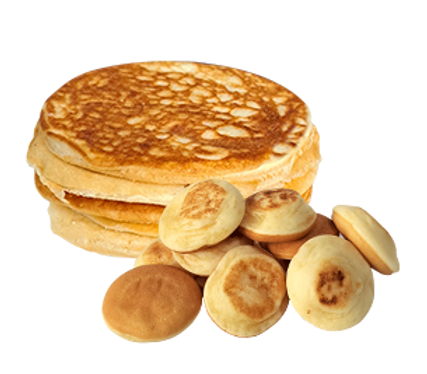
A visual idea helps here. See these gourmet breakfast pancakes.
Storage, leftovers, and substitutions
Freeze cooled pancakes in a single layer first, then stack them with parchment between each one. They reheat well in a toaster, which makes them practical for weekday meal prep.
Leftovers work surprisingly well as:
- Breakfast sandwiches: Add egg and turkey sausage between two pancakes.
- Snack rounds: Spread with almond butter or cottage cheese.
- Lunchbox additions: Pack plain and let them act like mini flatbreads.
What doesn't work well is overmixing, oversizing, or rushing the pan heat. Those are the fastest ways to get a scorched outside and wet middle.
2. Almond Flour Bread
Almond flour bread earns its place on weeks when breakfast and lunch need to be predictable. A loaf in the fridge gives you fast toast, a stable base for open-face meals, and something you can portion without much thought. The trade-off is texture. This bread bakes up moist and close-crumbed, so it performs better as a structured meal-prep loaf than as a light sandwich bread.
That texture comes from the flour itself. Almond flour brings fat, protein, and very little starch, so the loaf needs support from eggs and a binder to hold together. Psyllium husk is one of the most useful tools here because it improves sliceability and helps the loaf hold moisture without turning greasy. If you want the practical reason it works, this guide on understanding psyllium for digestive wellness is worth reading before you bake.
How to get a loaf that holds together
Use a parchment-lined loaf pan and mix the batter until fully combined, but do not keep beating once it is smooth. Let the batter sit for a few minutes if it contains psyllium. That short rest gives the binder time to hydrate, which usually improves structure.
Bake at 325°F until the center feels set and the top is golden. A toothpick can help, but I rely more on feel and cooling time with almond flour breads. If you slice too early, the crumb compresses and seems underbaked even when the loaf is done.
For meal planning, this loaf works best toasted. Toasting dries the surface slightly, improves flavor, and makes each slice easier to top with foods that add protein or fiber. If you follow a gluten-free meal plan built around repeatable breakfasts and lunches, almond flour bread is one of the easiest anchors to keep in rotation.
Macro profile, storage, and leftover use
The nutrition profile depends on the number of eggs, amount of oil, and whether seeds are added, but almond flour bread usually lands higher in fat and lower in carbohydrate than standard wheat bread. That can be useful for satiety. It also means portion size matters more than people expect. One or two slices alongside eggs, cottage cheese, turkey, or fruit usually works better than treating it like unlimited toast.
Store the loaf this way:
- Counter: Up to 1 day, wrapped well, if the kitchen is cool.
- Fridge: 4 to 5 days, sliced once fully cool and stored airtight.
- Freezer: Up to 2 months, with parchment between slices so you can thaw only what you need.
Leftovers should be used with a plan:
- Savory toast: Top with eggs, avocado, smoked salmon, or hummus and cucumber.
- Crouton substitute: Cube, toast, and use on soup or salad.
- Breakfast bake base: Layer stale slices with eggs and vegetables for a quick strata.
- Mini pizzas: Toast first, then add sauce, vegetables, and cheese.
If the loaf seems heavy, reduce added oil next time or bake a few minutes longer. If it seems dry, the usual cause is overbaking or storing it uncovered in the fridge. Almond flour bread is forgiving, but it rewards precise handling.
3. Almond Flour Muffins

Muffins are one of the smartest recipes with almond flour for people who need breakfast to be portable. They portion naturally, freeze well, and tolerate mix-ins better than many other almond-flour bakes.
I like them because they solve a real weekday problem. You can bake a batch once, then grab a couple on the way out the door without resorting to a protein bar that tastes like packing material.
How to keep them tender instead of oily
Use muffin liners. They help with sticking, but they also make storage and portioning much easier. Fill each liner about two-thirds full so the batter has room to dome rather than flatten.
Bake at 350°F and start checking early. Almond flour muffins can move from just-set to overdone quickly, and overbaking makes them dry around the edges while still feeling heavy in the center.
If you're following a gluten-free meal-planning approach built around simple repeat meals, muffins are one of the easiest breakfast anchors to rotate without much effort.
Best mix-ins, storage, and reuse
The safest mix-ins are berries, chopped nuts, shredded zucchini, pumpkin puree, or dark chocolate. Very wet additions can make the crumb collapse, so drain or pat ingredients dry when needed.
For storage:
- Counter use: Keep them in an airtight container for short-term use.
- Fridge use: Better if your kitchen runs warm.
- Freezer use: Freeze with parchment between layers so they don't stick.
Thaw at room temperature, or warm gently before eating. They also reuse well crumbled over yogurt or mixed into a breakfast bowl as a topping when they're past their best texture.
What usually fails is trying to make them too lean. Almond flour likes support from eggs and enough moisture. If you strip those out too aggressively, the result turns dry and fragile.
4. Almond Flour Cookies
Cookies are where almond flour can either shine or frustrate. It works beautifully for soft-baked, chewy, or shortbread-style cookies. It's less reliable if you're chasing the exact texture of a classic wheat-flour bakery cookie.
That gap matters because almond flour is often marketed as a universal low-carb flour, but recipe coverage repeatedly shows that almond flour dough can be dense, crumbly, and less prone to spreading, which is why recipes often rely heavily on eggs, butter, and sweeteners instead of simple flour swaps (practical almond flour recipe limitations and opportunities).
How to bake cookies that taste intentional
Use parchment paper. It prevents sticking and makes cleanup easy, and its role in protecting the bottoms from browning too fast is essential. Space the dough balls apart, because even almond flour cookies need room.
Bake until the edges are just lightly golden, then let them sit on the baking sheet briefly before moving them. Fresh almond flour cookies can break when hot, and that doesn't mean the recipe failed. It means they need to set.
For flavor, almond flour pairs well with cinnamon, vanilla, tahini, dark chocolate, orange zest, and chopped pecans. If you want a cleaner ingredient profile, naturally sweetened versions tend to work better than trying to remove sweetener almost entirely.
Storage and portion control
Cookies are one of the easiest almond-flour bakes to freeze. Freeze them in a single layer, then transfer to a container once firm.
Useful strategies:
- Snack control: Freeze in small packs rather than one large container.
- Dessert planning: Pair one or two cookies with Greek yogurt or tea.
- Lunchbox use: Pack them frozen. They thaw by midday.
A cookie that's too dry usually needed more fat or less bake time. A cookie that spreads too much usually needed colder dough or less added fat. Almond flour isn't difficult, but it does punish casual improvisation.
5. Almond Flour Pizza Crust

Pizza crust is where almond flour stops being just a baking ingredient and becomes a practical dinner tool. This is one of the best savory uses for it, especially when you need a gluten-free or lower-carb dinner that still feels familiar.
The bigger opportunity here is simple: almond flour doesn't have to live only in desserts and breakfast bakes. Savory everyday meals are where many home cooks still underuse it, even though that's often the most useful lane for structured meal planning.
How to get a crust that actually holds toppings
Use a food processor if your almond flour is even slightly coarse. A finer texture gives you a more cohesive crust. Press the dough between parchment sheets so you can control thickness and avoid sticky handling.
Pre-bake the crust before adding toppings. That step matters because almond flour crusts need time to set before they carry sauce, cheese, and vegetables.
If you're building dinners around a low-carb weekly meal system with repeatable ingredients, pizza night becomes much easier when you freeze crusts in advance.
Save the watery toppings for wheat crust. Almond flour pizza does best with drier ingredients like cooked mushrooms, pepperoni, olives, spinach squeezed dry, or roasted peppers.
Storage, leftovers, and realistic expectations
Freeze unbaked or pre-baked crusts flat with parchment. Once you have a few ready, dinner becomes assembly instead of effort.
Use leftovers as:
- Flatbread lunch: Reheat slices and add a crisp salad.
- Breakfast pizza: Top with eggs and greens the next day.
- Snack wedges: Cut into small squares for meal-prep boxes.
What doesn't work well is treating almond flour pizza like New York slice pizza. It won't fold the same way, and it won't love heavy sauce. Treat it like its own thing and it performs much better.
6. Almond Flour Brownies

Brownies are one of the few desserts where almond flour can outperform expectations quickly. The natural richness of almond flour supports a fudgy center better than a cake-like crumb, so this is a good place to start if you're skeptical.
Use both cocoa powder and melted dark chocolate if you want depth. A higher-cacao chocolate gives a fuller flavor, which matters because almond flour brownies are rich and can taste flat if the chocolate base is weak.
The trick is stopping before they look fully done
Pull brownies when the center is set enough to hold but not baked dry. They continue to firm as they cool. If you wait for them to look completely finished in the oven, they're often overdone by the time they reach the counter.
Line the pan with parchment so you can lift the slab out whole. Then let it cool completely before cutting. That cooling time gives you cleaner edges and a better interior texture.
If you're following a keto-oriented meal-planning routine with dessert built in intentionally, brownies are often easier to portion and stick with than looser sweets like ice cream or mousse.
Storage, leftovers, and use in a healthy routine
Brownies store well in an airtight container with parchment between layers. For tighter portion control, wrap individual squares and freeze them.
Good ways to use them without turning dessert into an all-day graze:
- Planned dessert: Pair a square with coffee after dinner.
- Workout-day treat: Use as a deliberate higher-energy dessert on active days.
- Crumbled topping: Sprinkle a small piece over yogurt for a more balanced bowl.
Most brownie failures come from one of two mistakes. People either underflavor the chocolate or overbake the pan.
7. Almond Flour Protein Bars
The usual failure point happens at 3 p.m. Lunch has worn off, dinner is hours away, and the options are a vending machine, a random handful of crackers, or a bar that tastes sweet but does not keep you full. Almond flour protein bars solve that problem well when the formula is built for satiety, not just shelf appeal.
A reliable starting ratio is 1 cup almond flour, 1 cup protein powder, and 1/2 to 3/4 cup nut butter, with just enough liquid sweetener or milk to help the mixture hold when pressed. Press it firmly into a parchment-lined loaf pan or square pan, chill until firm, then cut. If the mixture feels dry before chilling, add liquid 1 teaspoon at a time. If it feels oily, add a little more protein powder or almond flour.
Why these work better for meal prep
Homemade bars give you tighter control over protein, sweetness, and texture. That matters if you want a bar that fits a planned breakfast, post-training snack, or backup mini-meal instead of acting like candy with protein added.
Almond flour earns its place here because it does two jobs at once. It softens the texture so bars are pleasant to chew, and its fat and fiber help slow the pace at which the snack is digested. Protein powder raises the protein target, but almond flour is what keeps the bar from eating like compressed chalk.
For structured meal planning, it helps to build bars in clear categories:
- Higher-protein training bar: Use whey or a whey-casein blend and keep add-ins minimal.
- Lower-sugar everyday bar: Use unsweetened nut butter, cinnamon, and seeds.
- Higher-calorie mini-meal bar: Add chopped nuts, coconut, or a few dark chocolate chips.
A practical macro profile for one medium homemade bar is usually moderate to high protein, moderate fat, and low to moderate carbohydrate, depending on the powder, nut butter, and sweetener you choose. Calculate from the labels you use once, write it on the storage container, and the batch becomes easy to repeat.
Storage, substitutions, and smart leftover use
Store bars in the fridge in an airtight container with parchment between layers. They usually slice cleaner and hold their shape better cold. For longer storage, wrap individual bars and freeze for grab-and-go use. Move one to the fridge the night before, or let it sit at room temperature for 15 to 20 minutes before eating.
Useful substitutions:
- Nut butter: Almond, peanut, or cashew butter all work. Runny natural nut butters often need a little extra dry ingredient.
- Protein powder: Whey gives a softer bite. Plant protein usually needs more moisture and can turn gritty if the mix is too dry.
- Flavor additions: Cocoa powder, vanilla, cinnamon, espresso powder, or unsweetened coconut.
- Mix-ins: Chia, flax, pumpkin seeds, chopped pecans, or a small amount of dried fruit.
Leftover scraps from trimming or broken bars still have value. Crumble them over Greek yogurt, mix into overnight oats, or press the pieces into a small jar with yogurt for a fast layered snack.
If bars crumble, the mixture needs more binder or more pressure in the pan. If they turn pasty, there is too much liquid. If they set up hard in the fridge, the protein powder is absorbing more moisture than expected, and the next batch needs a little more nut butter or milk. Those small adjustments are what turn a decent bar into one you will want to keep making.
8. Almond Flour Cake
Cake is where almond flour gets unfairly judged. People often expect a wheat-style birthday cake and then decide almond flour “doesn't work.” It does work. It just produces a different kind of cake.
The best almond flour cakes are moist, tender, and slightly rich. They're ideal for layer cakes with fruit, whipped toppings, or cream cheese frosting because that richness supports celebration desserts without tasting dry.
For a quick visual reference, this almond flour cake video demonstration is useful before you start.
How to keep the crumb light enough
Use blanched almond flour if you want a finer, lighter result. Bring ingredients to room temperature so they mix evenly. For more lift, separate the eggs and fold whipped whites in at the end rather than stirring everything together at once.
Almond flour's popularity in home baking has grown beyond niche use. The global almond flour market is projected to rise from US$1.48 billion in 2025 to US$2.54 billion by 2032, with demand tied to gluten-free, low-carb, and protein-rich baking applications (almond flour market projection). That commercial growth matches what home bakers already see. Cake is no longer an oddball use case.
Storage and celebration planning
Cake layers freeze well if unfrosted. Wrap them tightly once fully cool, then thaw before assembling.
Best uses:
- Layer cake: Fill with berries and yogurt-based or cream cheese frosting.
- Snack cake: Bake in a simple pan and serve in squares.
- Mini celebration prep: Freeze layers ahead so assembly is easier later.
What usually goes wrong is overmixing after the batter is built, or slicing while warm. Almond flour cake needs patience more than heroics.
9. Almond Flour Tortillas
Tortillas are one of the most underrated savory recipes with almond flour. They answer a practical question many people have after switching away from conventional flour. What do I use for wraps, tacos, and quick lunches?
The answer isn't always lettuce wraps. A soft tortilla-style flatbread can be much more satisfying when you want structure, warmth, and real meal flexibility.
How to make them flexible enough to fold
A useful base ratio is 1 cup almond flour to 4 large eggs, with psyllium husk added for binding and elasticity. Let the batter rest briefly before cooking so it thickens and hydrates. Then cook on a non-stick skillet over medium heat and flip gently.
The texture improves when you keep them thin and don't rush the pan. Thick tortillas tend to break. Thin ones bend better and reheat more easily.
I like these for lunch meal prep because they can carry leftovers well. Grilled chicken, egg salad, taco meat, roasted vegetables, and hummus all work, as long as the fillings aren't dripping wet.
Storage and smart reuse
Stack cooked tortillas with parchment between each one so they don't stick. Cool them completely before storing, or trapped steam will make them gummy.
Best uses for leftovers:
- Wraps: Fill and roll for next-day lunch.
- Quesadilla-style meals: Crisp in a skillet with cheese and greens.
- Taco night prep: Reheat directly in a dry pan before serving.
For substitution, psyllium helps the most with flexibility. Without it, tortillas can still work, but they're usually more fragile. If you're planning meals for the week, that difference matters.
10. Almond Flour Granola
Sunday night is usually when this recipe earns its place. A single tray gives you a ready-made topping for yogurt, a measured snack between meals, or a quick way to add crunch to fruit without opening a boxed cereal.
Almond flour makes a good granola base because it toasts fast and brings more staying power than a starch-heavy mix. The trade-off is that it can go from golden to overdone quickly, so keep the layer thin and watch the last few minutes of baking closely. Stir once or twice for even color, then let it cool completely on the pan. That cooling time is what sets the clusters.
Why it works and how to use it well
This recipe fits structured meal prep because it is easy to scale and easy to portion. Mix almond flour with cinnamon, unsweetened coconut, chopped nuts, and seeds if you want more texture. Add a small amount of oil and a liquid sweetener only if needed for clumping. Too much sweetener gives you sticky granola that eats more like candy than breakfast.
As noted earlier, almond flour is valued partly for its nutrient density, not just because it replaces wheat flour. In practice, that means this granola can be more satisfying in a smaller portion, especially when you pair it with protein such as Greek yogurt, skyr, or cottage cheese.
A useful meal-planning approach is to treat granola as a topper, not the main event.
Storage, macros, and leftover use
A typical serving is a small handful rather than a full cereal bowl. Exact macros depend on how much coconut, nuts, seeds, and sweetener you add, but the pattern is consistent. Almond flour granola is usually higher in fat and lower in carbs than oat-based granola, which can help with satiety but also makes portions worth measuring.
Store it in a fully cooled state in an airtight glass jar or sealed container at room temperature. Keep it away from heat and humidity. It usually keeps its texture for about 1 to 2 weeks if no fresh fruit is mixed in. For longer storage, refrigerate it, but let it come back to room temperature before serving if condensation softens it.
Good ways to use leftovers:
- Yogurt bowls: Add 2 to 4 tablespoons for crunch without turning breakfast into dessert.
- Snack boxes: Pack with berries and a boiled egg or cheese for better balance.
- Baked fruit topping: Scatter over apples or pears in the last few minutes of baking.
- Smoothie bowl finish: Use just enough for texture so the meal still stays balanced.
If the granola loses crispness, spread it back on a sheet pan and toast it briefly in a low oven. If it tastes dark or bitter, it stayed in too long the first time. Pull it earlier on the next batch. Almond flour keeps cooking from residual heat, so color matters more than an exact minute count.
Almond Flour Recipes: 10-Item Comparison
| Item | Complexity 🔄 | Speed / Efficiency ⚡ | Resources & Tips 💡 | Expected Outcomes 📊 | Key Advantages ⭐ |
|---|---|---|---|---|---|
| Almond Flour Pancakes | Low 🔄, simple batter; needs binders | Very fast ⚡⚡⚡, 5–10 min | Almond flour + eggs; higher cost; 1c almond flour : 6 eggs; freeze ok | ~15g protein, ~2g net carbs per pancake; sustained energy | Protein-rich, gluten-free, quick breakfast |
| Almond Flour Bread | Medium 🔄🔄, precise moisture & cooling | Slow ⚡, 50–60 min bake | Almond flour, psyllium/eggs; loaf pan; cool fully before slicing | Dense, holds fillings; shelf 5+ days room / 3 months frozen | Versatile sandwich base; satiating, grain-free |
| Almond Flour Muffins | Low 🔄, straightforward batter | Fast ⚡⚡, 18–22 min; batch-friendly | Almond flour, liners; watch oil; freeze 2–3 weeks | Portable servings; 6–10g protein per muffin; meal-prep efficient | Excellent for batch meal prep; consistent macros |
| Almond Flour Cookies | Low 🔄, simple mixing; watch spread | Very fast ⚡⚡, 8–12 min | Natural sweeteners (monk fruit/stevia); parchment; space dough | Portion-controlled treats; ~80–120 kcal each; stable blood sugar | Satisfies sweet cravings with low refined sugar |
| Almond Flour Pizza Crust | Medium 🔄🔄, moisture management | Medium ⚡⚡, 20–25 min total | Almond flour + eggs + cheese; pre-bake 5–7 min; press thin; freeze crusts | <2g net carbs/slice; crispy exterior, tender interior | Enables keto/gluten-free pizza; family-friendly |
| Almond Flour Brownies | Medium 🔄🔄, careful baking & cooling | Medium ⚡, bake + long cool time | Quality cocoa/chocolate; natural sweeteners; don't overbake | Fudgy texture; <3g net carbs per brownie; portion-controlled | Rich dessert option within low-carb plans |
| Almond Flour Protein Bars | Low 🔄, no-bake pressing & chill | Very fast ⚡⚡⚡, quick assembly; no bake | Almond flour + protein powder + nut butter; 1:1 ratio; refrigerate | ≥20g protein per bar; shelf 2+ weeks refrigerated | Convenient post-workout option; customizable macros |
| Almond Flour Cake | High 🔄🔄🔄, skill for airy crumb | Medium ⚡, 30–35 min bake + prep | Blanched almond flour; whip whites; room-temp ingredients; higher cost | Moist layers; 12–16 servings; freezable layers | Celebration-ready; gluten-free showpiece dessert |
| Almond Flour Tortillas | Medium 🔄🔄, technique for pliability | Fast ⚡⚡, 2–3 min/side; batch in ~15–20 min | Almond flour, eggs, psyllium; cook on parchment; stack with paper | <1g net carb each; flexible wraps for meals | Practical low-carb wrap alternative for lunches/dinners |
| Almond Flour Granola | Medium 🔄🔄, roasting & clustering | Medium ⚡, 10–15 min to toast + cooling | Almond flour, oil, nuts/seeds; toast low and stir; avoid moisture | 8–12g protein/serving; keeps 3+ weeks in airtight jar | Crunchy, versatile topping with superior macros |
Final Thoughts
The best recipes with almond flour aren't the ones that promise to mimic everything wheat flour does. They're the recipes that respect what almond flour brings to the kitchen. That means richness, tenderness, density, and better satiety in the right formats. It also means accepting that structure has to come from eggs, careful moisture control, and recipe design rather than a casual one-to-one substitution.
That's why pancakes, muffins, brownies, tortillas, pizza crust, and snack bars tend to be such dependable choices. They don't ask almond flour to create airy gluten structure it doesn't naturally have. Instead, they use its strengths. You get meals and snacks that feel substantial, store well, and fit into real schedules.
This matters even more if you're cooking for a specific goal. Some people need gluten-free breakfasts they can freeze. Some want lower-carb dinners that still feel normal enough to share with family. Others need portable options for workdays, gym bags, or meal prep. Almond flour can cover all of those jobs, but only if you choose the right recipe type and set realistic expectations for texture.
A practical way to think about almond flour is this. It's not just a flour. It's an ingredient with its own nutritional profile, moisture behavior, and cooking logic. Earlier, the nutrition data showed why it's often used in recipes aimed at higher nutrient density rather than just starch replacement. This is its essential value. It doesn't only replace something. It changes the character of the meal.
For everyday cooking, the biggest wins come from keeping a short list of repeat uses:
- breakfast pancakes or muffins for batch prep
- a bread or tortilla option for lunches
- one savory dinner format like pizza crust
- one planned dessert like brownies or cookies
- one utility snack such as granola or protein bars
That approach gives you variety without forcing you to relearn baking from scratch every week.
It also helps to remember that almond flour can be calorie-dense because of its fat content. That isn't a flaw. It just means portioning and pairings matter. A muffin can be a strong breakfast if it's paired with protein and fruit. A brownie can fit comfortably if it's a deliberate dessert instead of an open-ended snack. A tortilla can support a balanced lunch when the filling includes lean protein and vegetables. In this scenario, structured meal planning beats random healthy eating attempts. You don't need every recipe to do everything. You need each one to do a specific job well.
If you're newer to almond flour, start with the highest-probability wins. Pancakes, muffins, brownies, and granola usually teach the fastest lessons with the least frustration. Once you understand how almond flour browns, holds moisture, and firms as it cools, bread, cake, pizza crust, and tortillas become much easier to handle.
Used that way, almond flour stops being a specialty-diet ingredient and becomes one of the most practical staples in a healthy kitchen.
If you want these kinds of recipes organized into a routine instead of scattered across tabs and screenshots, AI Meal Planner can build a personalized weekly system around your goals, preferences, and dietary needs. You can start with the AI Meal Planner onboarding flow to generate balanced meals, smart grocery lists, and repeatable almond-flour recipes that fit your week.
AI-powered nutrition
Get Your Personalized Meal Plan
AI creates the perfect meals for your goals, lifestyle, and taste.
Start Your Journej