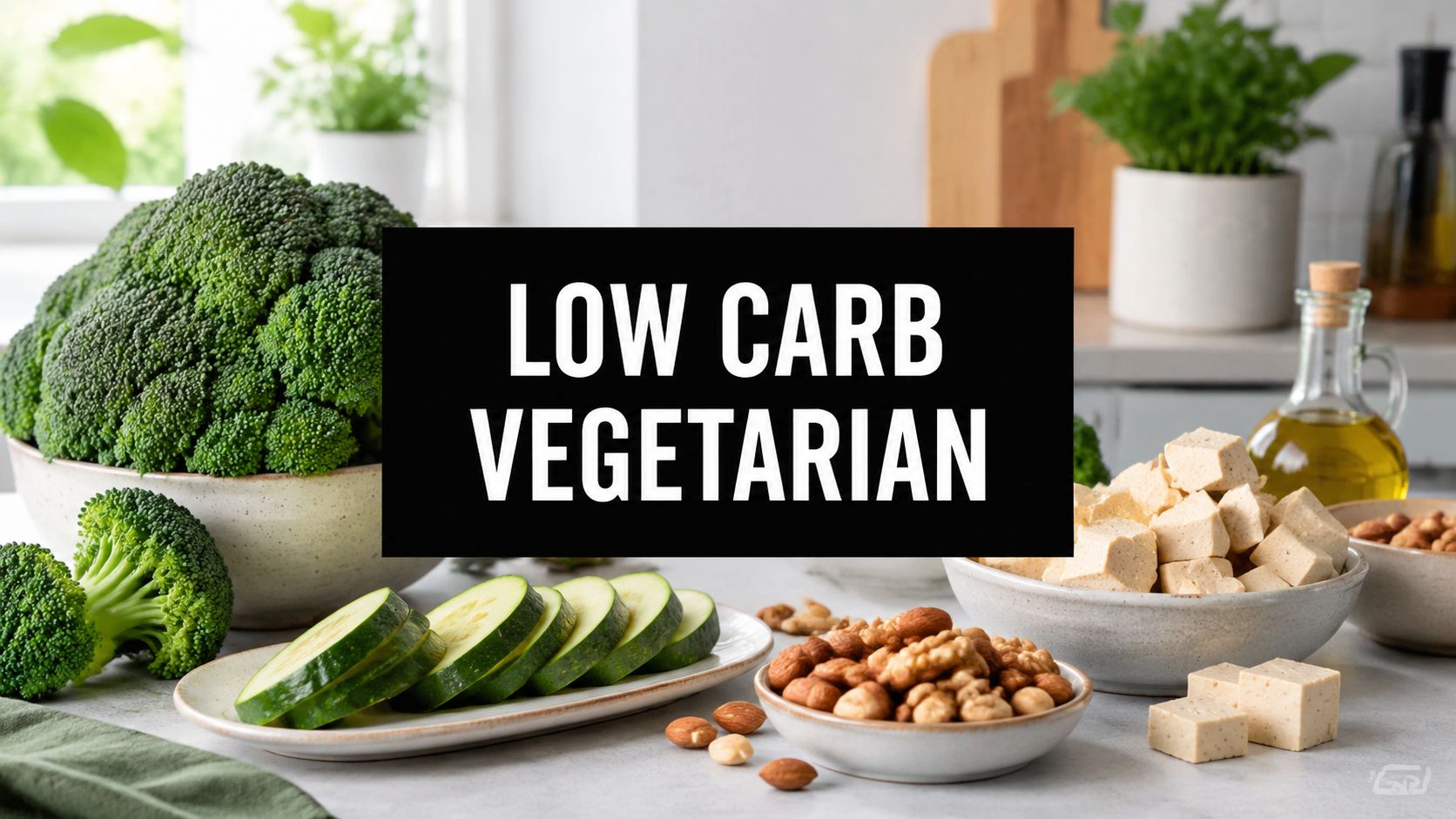
Dinner is in an hour, and the usual vegetarian defaults are all carb-heavy. Pasta is easy. Grain bowls look healthy but add up fast. A low carb vegetarian meal plan works better when meals are built around protein first, then filled out with non-starchy vegetables, healthy fats, and controlled portions of higher-carb foods.
That sounds simple on paper. In practice, many vegetarian plans tend to unravel. Clients often cut bread, rice, and potatoes, but protein stays too low, hunger climbs, and snacks start doing the work meals were supposed to do.
A good plan needs two decisions up front. First, what carb range fits the goal. Weight loss, blood sugar control, and stable energy do not always call for the same intake. Second, how protein will be distributed across the day so breakfast and lunch are not afterthoughts. For anyone unsure where to set that baseline, a protein intake calculator for daily targets can give you a practical starting point.
The food choices matter, but the structure matters more. Eggs, Greek yogurt, cottage cheese, tofu, tempeh, edamame, paneer, nuts, seeds, and non-starchy vegetables can carry a vegetarian low-carb plan well. The trade-off is that you usually need more deliberate planning than on an omnivorous low-carb diet, especially if you want whole-food meals instead of relying on powders, bars, or endless cheese plates.
The goal is not to make meals smaller or more restrictive than they need to be. The goal is to build a week of meals that keeps carbs in range, gets protein high enough to stay full, and still feels realistic on a busy schedule.
What Are Your Real Carb and Protein Targets
A client trims out bread and pasta for a week, then tells me the plan is not working because hunger is worse and energy is flat by midafternoon. The problem is usually not the idea of low carb. The problem is that carb cuts happened faster than protein planning.
Start by setting a carb range that matches the goal. A low-carb vegetarian plan is defined more by daily carb intake than by whether a food feels clean or healthy. Public-health and clinician guidance commonly places very low carbohydrate eating around 20 to 50 grams per day, while a broader low-carbohydrate pattern often means staying under 130 grams per day, or under 26% of calories (low-carb plant-based diet guidance).

What carb level usually works best
Two carb lanes cover nearly everyone I work with.
| Approach | Daily carb pattern | Best fit |
|---|---|---|
| Moderate low carb | 50 to 130 g/day | Weight management, stable energy, easier adherence |
| Strict low carb | Around 20 to 50 g/day | Tighter carb control, more restrictive food choices |
Moderate low carb is the better starting point for many vegetarians. It leaves room for yogurt, berries, and measured portions of beans or lentils while still lowering the starch load enough to help with appetite control and steadier blood sugar. Strict low carb can work, but food variety narrows fast, and protein has to be planned with more care.
A simple rule helps here. If most meals still center on bread, rice, pasta, oats, potatoes, or large servings of beans, carbs are probably too high for a workable low-carb vegetarian pattern.
Why protein is the make-or-break issue
Protein is usually the harder target.
Vegetarian clients often get enough total calories but miss the protein level that keeps meals filling. Breakfast is a common weak spot. A bowl of oats, fruit, or toast can look healthy and still leave someone chasing snacks two hours later.
I set protein first because it solves several problems at once. It improves fullness, makes it easier to keep carbs in range, and gives meals more structure. The most useful whole-food options are eggs, Greek yogurt, cottage cheese, tofu, tempeh, edamame, paneer, and skyr if you tolerate dairy. Nuts and seeds help, but they are usually better as add-ons than primary protein sources because the protein-to-calorie ratio is lower.
If you are not sure where your intake should land, check your numbers with a protein intake calculator for daily targets. Then spread that total across three meals instead of trying to catch up at dinner. In practice, this often means aiming for a clear protein anchor at breakfast and lunch, not just at the evening meal.
Use net carbs carefully
For stricter low-carb plans, net carbs can be a practical tracking method because high-fiber vegetables fit more easily than their total carb count suggests. It still needs consistency. People often underestimate how quickly carbs add up from flavored yogurt, fruit, hummus, chickpeas, lentil pasta, milk, and packaged "healthy" snacks.
Weight loss and stable energy do not always require the same setup. For weight loss, a lower carb range with tighter portions of legumes, fruit, and higher-carb dairy often works better. For stable energy, a moderate low-carb plan is often easier to sustain and less likely to trigger rebound eating later in the day.
A workable framework looks like this:
- Breakfast: 20 to 30 grams of protein from eggs, Greek yogurt, cottage cheese, tofu, or skyr.
- Lunch: a large vegetable base plus a dense protein such as tempeh, tofu, eggs, paneer, or cottage cheese.
- Dinner: another full protein serving, with non-starchy vegetables replacing the usual starch base.
- Snacks: optional. Use them to fill a protein gap, not as a routine second lunch made of crackers, granola, or fruit alone.
That is the trade-off many generic plans miss. Low carb is not just about subtracting grains. Vegetarian low carb works best when protein is high enough to carry the day, and carb intake is adjusted to the goal instead of copied from someone else's template.
Your 7-Day Low Carb Vegetarian Sample Menu
This menu works best as a template, not a rulebook. Mix days, repeat favorites, and swap lunch with dinner when it suits your schedule. The structure matters more than the exact recipe.
One easy way to stay consistent is to keep breakfasts and lunches simple and let dinner carry more variety. If you want help turning these kinds of patterns into a personalized routine, a vegetarian meal plan tool can organize meals around your preferences and restrictions.
A practical 7-day template
| Day | Breakfast | Lunch | Dinner |
|---|---|---|---|
| Day 1 | Greek yogurt with chia seeds, chopped walnuts, and a small portion of berries | Tofu salad with mixed greens, cucumber, olives, avocado, and pumpkin seeds | Paneer and broccoli stir-fry with mushrooms and bell peppers |
| Day 2 | Spinach omelet with feta and avocado | Egg salad lettuce cups with cucumber and radishes | Tempeh skillet with zucchini, cabbage, and sesame seeds |
| Day 3 | Cottage cheese or Greek yogurt bowl with hemp seeds and cinnamon | Halloumi or paneer salad with tomatoes, leafy greens, and olive oil | Tofu curry with cauliflower and green beans |
| Day 4 | Scrambled eggs with mushrooms and sautéed spinach | Greek yogurt savory bowl with cucumber, herbs, seeds, and a side salad | Eggplant, tofu, and pepper stir-fry with peanut or tahini dressing |
| Day 5 | Chia pudding made with unsweetened milk alternative and topped with nuts | Tempeh lettuce wraps with shredded cabbage and avocado | Shakshuka-style eggs with zucchini and roasted cauliflower |
| Day 6 | Paneer scramble with spinach and herbs | Tofu bowl with roasted broccoli, tahini, and pumpkin seeds | Stuffed bell peppers with cheese, mushrooms, and finely chopped non-starchy vegetables |
| Day 7 | Boiled eggs with full-fat yogurt and a few berries | Big salad with eggs, cheese, avocado, cucumber, and sunflower seeds | Zucchini noodle skillet with tofu or tempeh, pesto, and sautéed greens |
How to use this without getting bored
The easiest mistake is treating every meal as a different project. Don't do that. Repeat components and change seasonings instead.
For example, one tray of roasted broccoli and peppers can become:
- A warm lunch bowl with tofu and tahini
- A side for eggs the next morning
- Part of dinner with paneer or tempeh
Build a week from repeatable parts, not from seven unrelated recipes. That's how low-carb vegetarian eating stays realistic on a work schedule.
What this menu gets right
This sample menu works because it avoids the usual vegetarian low-carb traps:
- No grain-based defaults like wraps, toast, rice, or pasta
- Protein appears at every meal
- Vegetables provide bulk and fiber
- Legumes are not used as the automatic protein answer
- Fats support satiety, but they don't replace protein
Another useful detail is flexibility. One meal can include a smaller portion of berries or a carefully portioned bean-based ingredient without derailing the plan, but the overall plate still needs to be centered on low-carb proteins and non-starchy vegetables.
If a meal leaves you hungry two hours later, the answer usually isn't more crackers or fruit. It's usually more protein at the meal you just ate.
How to Build Your Low Carb Vegetarian Grocery List
You get home after a long day, open the fridge, and the only easy options are hummus, tortillas, granola, and fruit. That is how a low-carb plan falls apart, even with good intentions. A useful grocery list fixes that problem before the week starts by making your default meals protein-first and easy to assemble.
For vegetarian clients, the biggest shopping mistake is buying plenty of produce and not enough real protein. Greens, cauliflower, and zucchini matter, but they do not carry your protein target. If your goal is fat loss, your cart usually needs tighter carb control. If your goal is stable energy and easier adherence, you may keep a little more room for berries, yogurt, or a measured portion of beans. The list should reflect that difference.

Shop in aisle order
Produce
Build this section around volume, fiber, and convenience. I tell clients to buy vegetables they will cook fast or eat raw, not just vegetables that sound healthy.
- Leafy greens such as spinach, romaine, arugula, mixed greens
- Cruciferous vegetables like broccoli, cauliflower, cabbage, Brussels sprouts
- Quick-cook vegetables including zucchini, mushrooms, bell peppers, cucumber
- Flavor builders such as herbs, lemons, garlic, spring onions
- Lower-sugar fruit in small amounts if it fits your carb target, such as berries
- Avocados for meal satisfaction and easier lunch assembly
Protein and dairy section
This part decides whether the plan is sustainable.
Buy enough protein for actual meals, not just as a garnish. A tub of yogurt and one block of tofu rarely covers a week if you are trying to hit meaningful protein numbers.
- Eggs for breakfasts, salads, and quick dinners
- Tofu in formats you prefer, such as firm for roasting or stir-frying
- Tempeh for denser, chewier meals
- Paneer or halloumi if you tolerate dairy well
- Greek yogurt for breakfast or savory bowls
- Cottage cheese or skyr if you want another high-protein option
- Cheese in realistic amounts, not as your main protein plan
A simple rule helps here. Pick at least 3 to 4 anchor proteins for the week so you are not relying on one food. For example, eggs plus Greek yogurt plus tofu plus tempeh gives you better coverage than buying extra nuts and hoping they fill the gap.
Pantry and freezer
These items keep the plan workable on busy nights and help you adjust carbs without rebuilding the whole menu.
- Nuts and seeds such as walnuts, chia, hemp, pumpkin, sunflower
- Nut butters or tahini for sauces and snacks
- Olive oil or avocado oil
- Spices, curry pastes, and condiments with minimal added sugar
- Frozen broccoli, cauliflower rice, spinach, or stir-fry vegetables
- Unsweetened milk alternatives
- A small amount of beans or lentils only if they fit your carb budget and are portioned intentionally
Keep your list tight
A shorter list usually works better than an ambitious one. If you buy 25 ingredients for seven unrelated recipes, you end up with wasted food and nothing that comes together fast. If you buy 8 to 12 repeat ingredients that combine well, lunch and dinner get much easier.
I usually recommend this framework:
- 3 to 4 protein anchors
- 5 to 7 vegetables
- 2 fats or sauce ingredients
- 1 to 2 convenience backups such as frozen vegetables, boiled eggs, or plain Greek yogurt
Portable food needs planning too. This roundup of top high-protein vegetarian snacks can help you find better options than crackers, bars, or fruit-only snacks.
If you want less friction at the store, a grocery list generator for low-carb vegetarian meals can organize ingredients by aisle and reduce duplicate shopping.
The fastest way to derail this plan is stocking backup foods that are easy to overeat and low in protein. Build your list around the meals you want to repeat, then let everything else stay optional.
Meal Prep Workflows That Save You Time
Many don't need a marathon prep day. They need a system that makes Tuesday night easy.
The most effective approach is component prep. Instead of cooking seven finished meals, prep the parts that show up repeatedly. That solves the biggest practical problem with this way of eating: keeping protein high without spending hours in the kitchen every day.

Medical News Today highlighted that the key question isn't only what vegetarians can eat on low carb. It's how to build a week of meals that stays low-carb and high-protein with realistic prep, shopping, and adherence (practical vegetarian low-carb planning).
A realistic Sunday workflow
I usually have clients prep in this order because it reduces decision fatigue.
First, bake or pan-cook your main proteins. That might mean tofu cubes, tempeh slices, hard-boiled eggs, or a tray of paneer and vegetables. Keep seasonings simple so the same batch can work in salads, bowls, or stir-fries.
Then prep vegetables in layers:
- Wash and dry salad greens so lunch takes minutes
- Chop crunchy vegetables like cucumber, cabbage, peppers, and celery
- Roast one or two trays of broccoli, cauliflower, zucchini, or mushrooms
- Make one dressing or sauce such as tahini-lemon or yogurt-herb
After that, portion a few grab-and-go extras. Small containers of nuts, seeds, or Greek yogurt can prevent the "I'll just eat toast" moment.
What weekday assembly should look like
Your weekday meals should feel almost boring to put together. That's a good sign.
A fast lunch might be greens, tofu, avocado, cucumber, seeds, and dressing. Dinner might be reheated roasted vegetables with tempeh and a fried egg. Breakfast can be eggs or Greek yogurt with seeds.
For very low-effort weeks, a lazy meal plan option can help organize simpler meals around repeat ingredients.
Here's a visual example of the kind of batch-prep rhythm that keeps the week moving:
The prep standard that actually matters
You don't need culinary variety every day. You need friction-free access to meals that fit the plan.
If low-carb vegetarian eating feels hard at 6:30 p.m., the problem usually started at the grocery store or during prep, not at dinner.
The people who stay consistent aren't more disciplined. They make the compliant meal the easiest one to eat.
How to Troubleshoot and Customize Your Plan
Low-carb vegetarian eating usually breaks down in predictable ways. Hunger rises, energy dips, weight loss stalls, digestion changes, or protein falls short. Each problem has a fix.
A broader lesson from a narrative review is that low-carb diets often work well for weight loss in the short term, especially within 6 months or less, but the advantage tends to fade as adherence weakens and longer-term sustainability becomes harder to judge in shorter studies (2022 review on low-carb adherence and outcomes). That's why troubleshooting matters more than chasing perfect early results.
If weight loss stalls
Start with an audit, not a more restrictive diet.
- Check fat extras like cheese, nuts, dressings, and oils. These foods are useful, but portions expand quickly.
- Review "healthy carb" creep from fruit, yogurt toppings, lentil pasta, wraps, or frequent bean-based meals.
- Look at weekends because restaurant vegetarian meals often default to bread, fries, rice, and sweet sauces.
A simple swap table helps:
| If you usually eat | Try this instead |
|---|---|
| Rice bowl | Cauliflower-based bowl with tofu or eggs |
| Pasta with vegetables | Zucchini or cabbage skillet with paneer |
| Wrap | Lettuce cups or a plated salad bowl |
| Oat breakfast | Eggs or Greek yogurt with seeds |
If energy feels low
Some people cut carbs quickly but forget the basics.
- Increase non-starchy vegetables so meals have enough volume
- Don't let protein slip
- Season food properly and drink fluids, especially early on if you're eating much lower carb than usual
- Choose the right carb tier because a moderate low-carb plan may suit stable energy better than a stricter version
If digestion changes
Fiber can drop when people remove grains and beans without replacing them thoughtfully. Mayo Clinic notes that stricter low-carb patterns can raise concerns around constipation and lower intake of potassium, B vitamins, vitamin C, and fiber because fruits, many vegetables, beans, and whole grains are major sources.
What helps:
- Leafy greens daily
- Seeds, especially chia or ground flax if tolerated
- Roasted and cooked vegetables, not only raw salads
- A broader plant rotation instead of living on cheese and eggs
If you need more protein without more carbs
This is one of the most common customization issues.
- Add a second protein source at meals, such as eggs plus Greek yogurt, or tofu plus seeds
- Use denser vegetarian proteins more often, such as tempeh, paneer, or strained yogurt
- Build snacks around protein, not convenience carbs
- Keep legumes as a strategic ingredient, not the base of every meal, if you're trying to stay lower carb
The best low carb meal plan vegetarian setup isn't the strictest one. It's the one you can repeat on ordinary workdays without feeling deprived or disorganized.
FAQ on Low Carb Vegetarian Eating
Can vegetarians really eat low carb successfully
Yes. Structured vegetarian low-carb eating is workable, and the Eco-Atkins model showed a plant-based low-carb pattern with 31% of calories from protein, 43% from fat, and 26% from carbohydrate (Eco-Atkins overview).
What foods should form the base of a low-carb vegetarian plan
Build most meals around eggs, tofu, tempeh, paneer, Greek yogurt, nuts, seeds, avocado, and non-starchy vegetables. Those foods make it easier to control carbs without losing satiety.
Are beans allowed on a low-carb vegetarian diet
They can fit, but portions matter. Many vegetarians do better when beans are treated as a smaller supporting ingredient instead of the main foundation of every meal.
Is keto the same as low-carb vegetarian eating
No. Keto is the stricter end of the spectrum, while many practical vegetarian low-carb plans sit in a broader range and allow more flexibility.
Do I need to count net carbs
If you're aiming for a stricter version, net carbs are often the most useful tracking method. If you're using a more moderate approach, portion control and meal structure may be enough.
What if I don't want ultra-processed meat substitutes
You can still do this well. Focus on tofu, tempeh, eggs, dairy if you use it, nuts, seeds, and smart batch prep so protein stays convenient.
What's the biggest mistake people make
They cut obvious starches but don't replace them with enough protein. That usually leads to hunger, snacking, and a quick return to higher-carb vegetarian staples.
If you want a faster way to turn these ideas into your own weekly routine, AI Meal Planner can generate a personalized low-carb vegetarian plan based on your preferences, goals, and the foods you eat.
AI-powered nutrition
Get Your Personalized Meal Plan
AI creates the perfect meals for your goals, lifestyle, and taste.
Start Your Journej