What is a heart healthy diet plan?
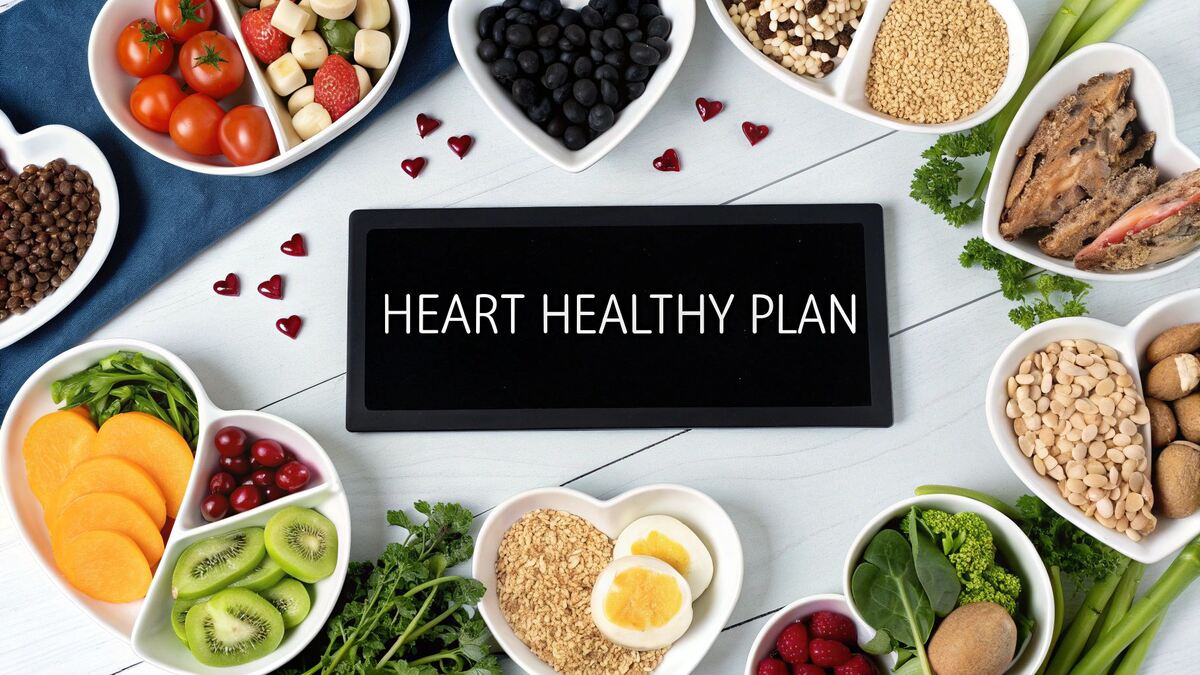
A heart healthy diet plan focuses on eating whole foods to lower cholesterol and blood pressure. Key components include consuming at least 4-5 servings of fruits and vegetables daily, prioritizing lean proteins like fish, and limiting sodium intake to under 2,300 mg per day. The diet emphasizes unsaturated fats from olive oil and nuts while restricting saturated fats to less than 10% of total calories.
Let's cut through the noise. A heart-healthy diet plan isn't about deprivation or complicated rules. It’s a straightforward, powerful way of eating that focuses on whole, nutrient-packed foods to protect your cardiovascular system from the inside out.
The core idea is simple: prioritize foods that fight inflammation, lower bad cholesterol, and keep your blood pressure in check. This means loading up on high-fiber vegetables, lean proteins like fish, satisfying whole grains, and healthy fats from sources like nuts and olive oil.

What are the core components of this diet?
A truly effective heart-healthy diet is less about what you can't eat and more about what you should eat. It’s built on a foundation of delicious, whole foods that are naturally low in the things that harm your heart—like sodium, saturated fats, and added sugars—while being incredibly rich in the good stuff.
Think of it as a strategic shift in focus, not a complete overhaul.
- Emphasize: Brightly colored fruits and vegetables, lean proteins, and hearty whole grains.
- Limit: Heavily processed foods, fatty red meats, and sugary beverages that offer little nutritional value.
- Replace: Saturated fats like butter and lard with heart-protective unsaturated fats, especially extra virgin olive oil.
Here’s a table that breaks down the key food groups and your goals for each.
| Food Group | Foods to Emphasize | Foods to Limit or Avoid | Recommended Intake |
|---|---|---|---|
| Vegetables & Fruits | Leafy greens, broccoli, berries, citrus fruits, bell peppers | Canned vegetables with added salt, fried vegetables | 4-5 servings of each per day |
| Lean Protein | Skinless poultry, fish (especially fatty fish), beans, lentils | Processed meats (bacon, sausage), fatty cuts of red meat | 5-6 ounces per day |
| Whole Grains | Oats, quinoa, brown rice, whole-wheat bread | White bread, sugary cereals, pastries, refined pasta | 6-8 servings per day (1 serving = 1 slice bread or ½ cup cooked grain) |
| Healthy Fats | Avocado, olive oil, nuts, seeds | Butter, margarine, tropical oils (coconut, palm), trans fats | 2-3 servings per day (1 serving = 1 tbsp oil or ¼ cup nuts) |
| Dairy | Fat-free or low-fat milk, Greek yogurt, cheese in moderation | Full-fat milk, cream, high-fat cheeses | 2-3 servings per day |
This framework isn't meant to be rigid, but rather a guide to help you build balanced, satisfying meals that work for your heart, not against it.
If you're looking for a structured way to put these principles into practice without all the guesswork, exploring a professionally designed balanced meal plan can be an excellent starting point to build lasting, healthy habits.
Why is diet so important for heart health?
The food you eat every day has a direct, physical impact on your heart. This isn't just a lifestyle choice or a vague wellness concept—it's one of the most powerful levers you can pull to protect yourself from heart disease.
The meals you choose can either build up your cardiovascular resilience or contribute to the very conditions that lead to heart attacks and strokes: high blood pressure, unhealthy cholesterol, and chronic inflammation. Think of it as actively choosing your future, one plate at a time.
How does food physically change your heart and arteries?
Imagine your arteries are like smooth, flexible hoses. Now, picture what happens when you eat a diet heavy in saturated and trans fats—the kind found in a lot of processed foods, fried items, and fatty meats. These fats contribute to the buildup of a sticky substance called plaque on the inner walls of those hoses.
This process, known as atherosclerosis, literally narrows the pathway for your blood. It's like a pipe slowly getting clogged. Your heart, in response, has to pump much harder to push blood through these constricted arteries. Over time, that constant strain weakens the heart muscle itself.
At the same time, a diet overloaded with sodium makes your body cling to extra water. This increases the total volume of blood in your system, driving up your blood pressure and putting even more stress on your heart and arteries.
The scale of this problem is staggering. Poor nutrition is now the number one cause of preventable death globally, with heart disease being a primary outcome. High sodium intake alone is the single biggest dietary risk factor. You can dig into the data on these findings at healthdata.org.
Which foods are the main offenders for heart health?
Before you can build a protective eating plan, you need to know exactly what you're up against. Certain ingredients pose a much more immediate threat to your heart than others.
- High Sodium: This is the big one for blood pressure. Excess sodium leads directly to hypertension, a major risk for heart attacks and strokes. It's a master of disguise, hiding in everything from restaurant meals and canned soups to bread and processed snacks.
- Saturated and Trans Fats: These are the fats that crank up your LDL ("bad") cholesterol, which is a key ingredient in artery-clogging plaque. You'll find them in red meat, full-fat dairy, and many commercially baked goods and fried foods.
- Added Sugars: Think beyond the obvious candy and desserts. Sugary drinks, sauces, and cereals can lead to system-wide inflammation, unwanted weight gain, and an increase in triglycerides—another type of fat in your blood that's bad news for your heart.
- Highly Processed Foods: These are often the triple threat. They're engineered to be loaded with sodium, unhealthy fats, and sugar while being stripped of the good stuff your body actually needs, like fiber and micronutrients.
Making the switch to a heart healthy diet plan isn't about deprivation. It's a proactive strategy. It’s about flooding your body with the powerful nutrients it needs to thrive while deliberately side-stepping the ingredients that cause long-term damage.
How do you build a 7-day heart-healthy meal plan?
Putting together a full week of heart-healthy meals is all about getting into a rhythm. It’s about translating knowledge into delicious, satisfying food you’ll actually look forward to. The goal is to move from theory to a practical, real-world plan that actively supports your cardiovascular health.
It all starts by setting some foundational targets for your daily calories and macros. From there, you can build a menu that feels less like a restrictive diet and more like a sustainable way of eating. This structure is the key to managing your weight and cholesterol while keeping you full and energized.
How should you set your calorie and macro targets?
Before you can even think about specific meals, you need to know your numbers. For most adults trying to improve heart health, 2,000 calories a day is a solid starting point, but you’ll want to tweak this based on your age, activity level, and specific goals like weight loss.
Once you have your calorie target, you can figure out your macronutrient split. A balanced, heart-friendly approach usually looks something like this:
- Carbohydrates (45-55% of calories): Focus on complex carbs from whole grains, beans, fruits, and vegetables that provide steady energy and essential fiber.
- Protein (20-30% of calories): Focus on lean sources to build and maintain muscle without loading up on saturated fat. Think fish, skinless chicken, lentils, and beans.
- Fats (25-35% of calories): Prioritize unsaturated fats from sources like olive oil, avocados, nuts, and seeds to help lower bad cholesterol. Keep saturated fats to less than 10% of your total calories.
What does a sample 7-day menu look like?
Here’s a sample week-long plan that brings all these principles to life. It’s designed to be flavorful, easy to pull off, and packed with the nutrients your heart needs.
| Day | Breakfast | Lunch | Dinner | Snack |
|---|---|---|---|---|
| Monday | Oatmeal with berries & walnuts | Quinoa salad with chickpeas, cucumber, and lemon-tahini dressing | Baked salmon with roasted asparagus and brown rice | Greek yogurt |
| Tuesday | Scrambled eggs with spinach & whole-wheat toast | Leftover salmon salad on whole-wheat crackers | Chicken stir-fry with broccoli, bell peppers, and snap peas | Handful of almonds |
| Wednesday | Smoothie with spinach, banana, almond milk, and protein powder | Lentil soup with a side salad | Turkey meatballs with zucchini noodles and marinara sauce | An apple with almond butter |
| Thursday | Greek yogurt with sliced peaches and chia seeds | Leftover turkey meatballs | Black bean burgers on a whole-wheat bun with a side of sweet potato wedges | Baby carrots with hummus |
| Friday | Whole-wheat toast with avocado and a sprinkle of red pepper flakes | Tuna salad (made with Greek yogurt) sandwich on whole grain bread | Shrimp and vegetable skewers with a side of couscous | A pear |
| Saturday | Veggie omelet with bell peppers, onions, and mushrooms | Large mixed greens salad with grilled chicken, tomatoes, and a light vinaigrette | Homemade pizza on whole-wheat crust with lots of veggies and light cheese | Edamame (steamed) |
| Sunday | Whole-grain pancakes with fresh fruit | Leftover pizza or a large salad | Roasted chicken with root vegetables (carrots, parsnips, potatoes) | Orange slices |
This sample plan highlights a secret weapon for sustainable healthy eating: plan for leftovers. Cooking once and eating twice—like with the salmon and turkey meatballs—is a game-changer. It saves a ton of time and ensures you have a healthy, no-thought-required meal ready to go on a busy day.
Having a structure like this helps you avoid those last-minute, "what's for dinner?" decisions that often lead us toward less-healthy convenience foods. It’s those small, daily habits—especially a high intake of sodium and processed foods—that have a direct and cumulative impact on heart health over time.
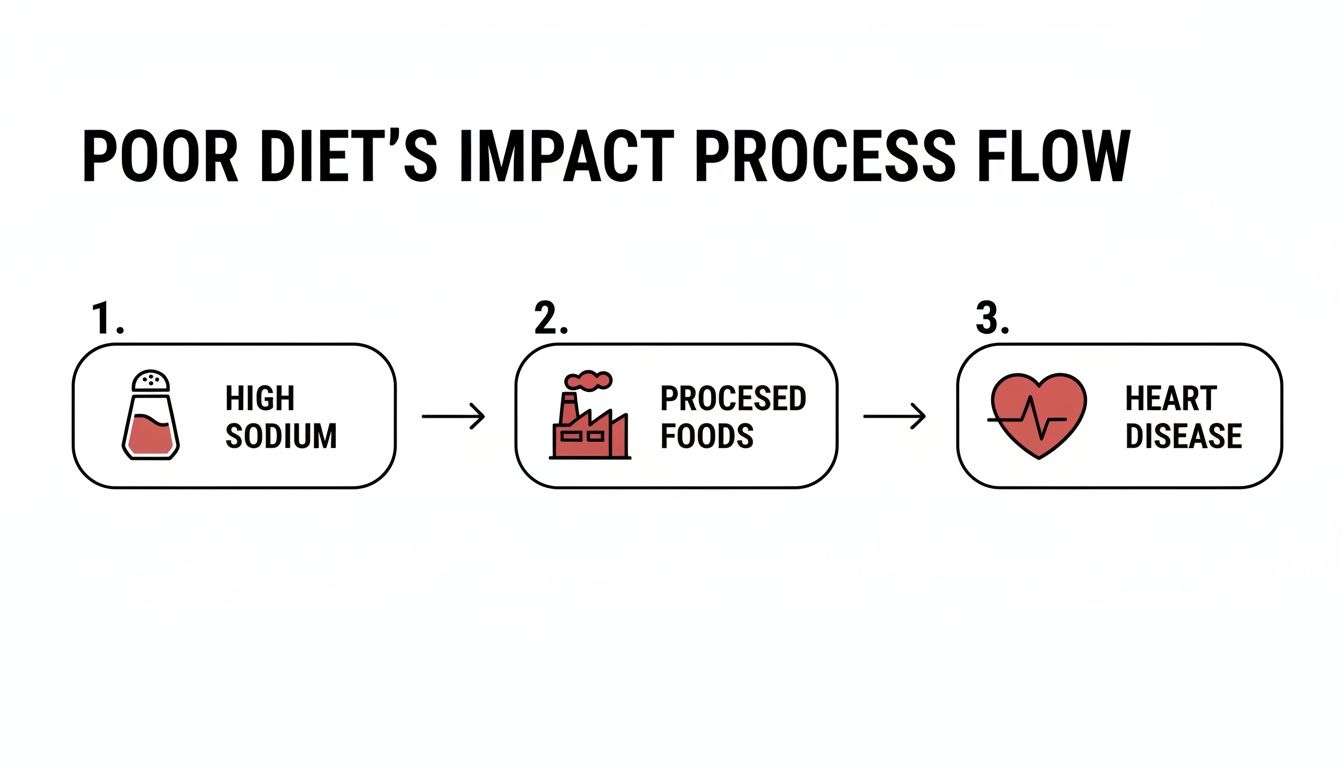
It’s a stark reminder of how seemingly small choices add up to significant long-term health risks. Every meal in this sample plan was chosen for a specific reason. For example, Monday’s dinner of baked salmon delivers a powerful dose of omega-3 fatty acids, which reduce inflammation. The oatmeal at breakfast offers soluble fiber, a nutrient that actively helps pull LDL ("bad") cholesterol out of your system.
If you’re looking for a proven framework that embodies all these principles, it’s worth exploring a Mediterranean diet meal plan. It has been studied extensively for its incredible cardiovascular benefits and aligns perfectly with everything a heart-healthy diet should be.
How can you shop and prep meals for heart health?
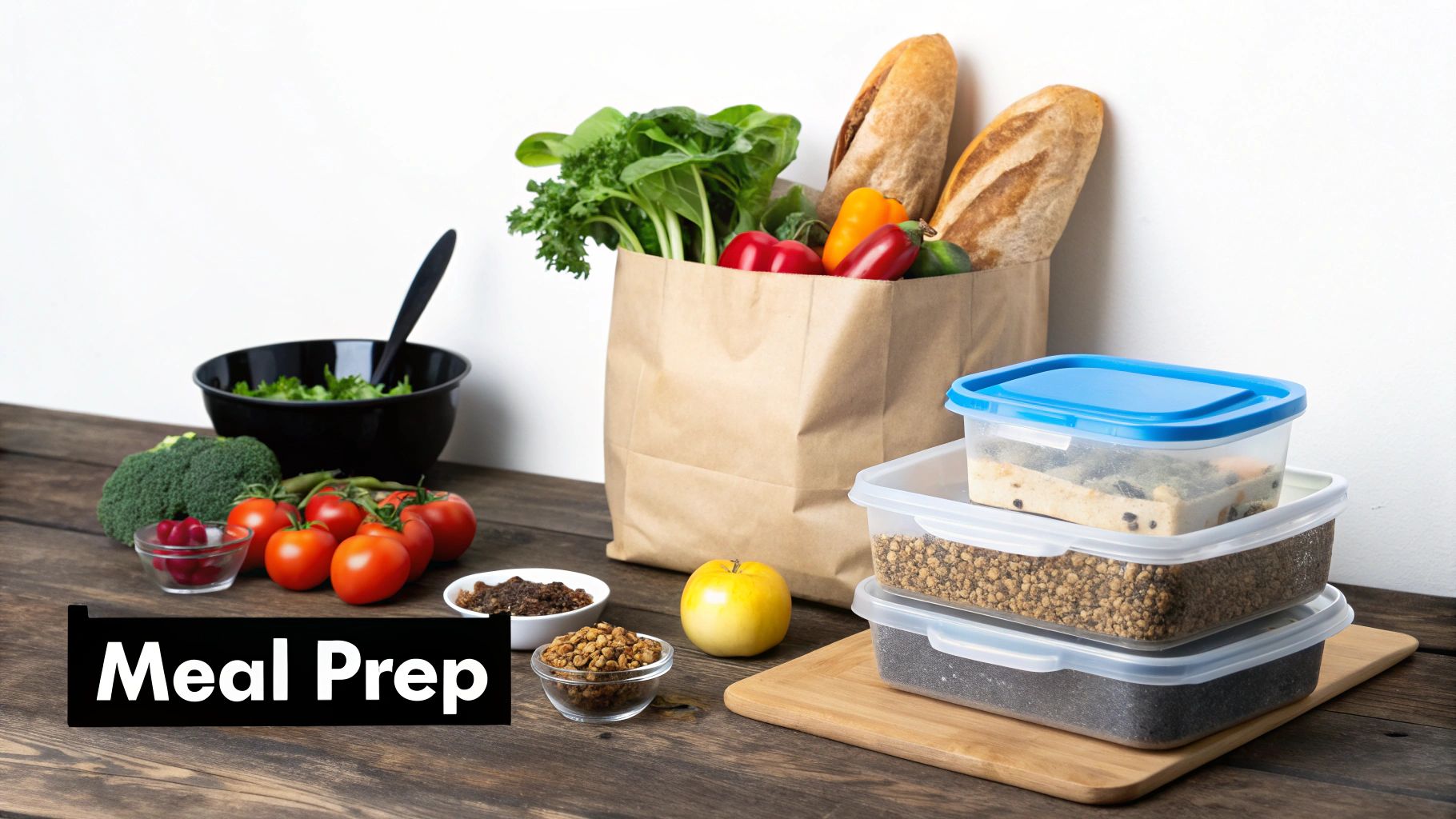
A perfect meal plan is useless if it just sits on paper. The real magic happens when that plan turns into actual food on your plate, and that requires mastering two skills: smart grocery shopping and efficient meal prep.
Nailing these two things is what separates a temporary diet from a sustainable lifestyle. It’s how you turn your heart healthy diet plan into a real-world routine that works, even on the busiest of weeks. It all starts before you even grab a cart.
How can you create a better grocery list?
Walking into a grocery store without a plan is a recipe for disaster. An aisle-organized list is your secret weapon. It saves you time, cuts down on stress, and keeps you from wandering aimlessly past the junk food.
Here’s a sample grocery list based on the 7-day plan we've been working with, organized for a typical supermarket:
Produce (First Stop):
- Veggies: Spinach, bell peppers (grab a few colors), broccoli, asparagus, cucumber, snap peas, zucchini, sweet potatoes, carrots, onions, mushrooms, and root vegetables like parsnips.
- Fruits: Berries (fresh or frozen work great), bananas, peaches, apples, pears, oranges, lemons.
- Aromatics: Fresh garlic.
Protein & Deli:
- Seafood: Salmon fillets, shrimp, canned tuna (packed in water).
- Poultry & Meat: Skinless chicken breasts, lean ground turkey.
- Plant-Based: Hummus, edamame (check the frozen section), firm tofu (optional).
Dairy & Eggs:
- Low-fat plain Greek yogurt, unsweetened almond milk, eggs, and a little low-fat cheese if you're planning that pizza night.
Pantry & Dry Goods (Center Aisles):
- Grains: Rolled oats, quinoa, brown rice, whole-wheat bread, whole-wheat crackers, whole-wheat buns, couscous, whole-wheat pizza crust.
- Legumes: Canned chickpeas, lentils, and black beans (look for low-sodium versions).
- Nuts, Seeds & Healthy Fats: Walnuts, almonds, chia seeds, almond butter, olive oil, tahini.
- Canned Goods: Low-sodium marinara sauce.
- Spices & Seasonings: Red pepper flakes.
How do you read nutrition labels for heart health?
The center aisles are where you need to be vigilant. This is where food manufacturers hide shocking amounts of sodium and sugar. Reading nutrition labels isn't just a good idea; it's a non-negotiable skill for protecting your heart.
My rule of thumb? Zero in on sodium, saturated fat, and added sugars. I look for foods with less than 250mg of sodium and fewer than 2g of saturated fat per serving. And for trans fats and added sugar, the goal is always as close to zero as possible.
Don't stop there—glance at the ingredients list. A shorter list with words you can actually pronounce is almost always the better choice. Remember, ingredients are listed by weight, so if sugar or salt is one of the first few ingredients, that’s a major red flag.
What are the best strategies for meal prep?
A couple of hours on a Sunday can completely change the game for your entire week. It’s about tackling the time-consuming tasks upfront so that weeknight meals can be assembled in minutes, not hours.
My Go-To Meal Prep Strategies:
- Batch Cook Your Grains: Get a big pot of quinoa or brown rice going. Once it cools, portion it out into containers.
- Wash and Chop All Your Veggies: This is a huge time-saver. Chop up your bell peppers, onions, carrots, and broccoli and store them in airtight containers.
- Portion Your Proteins: Grill or bake a few chicken breasts or salmon fillets. You can slice them up for salads, shred the chicken for wraps, or keep them whole for a super-fast dinner.
- Prep Your Snacks: Divide almonds, walnuts, or baby carrots with hummus into small grab-and-go bags.
This little bit of prep work transforms your heart healthy diet plan from a daily chore into a simple assembly line. When you walk in the door tired after a long day, having everything ready makes a healthy stir-fry faster than ordering takeout.
Can you fine-tune a diet for specific heart health goals?
You absolutely can, and you should. The idea of a single "heart-healthy diet plan" for everyone is a myth because everyone's starting point and goals are different. Your eating plan should be specifically geared toward what you want to achieve, whether that’s wrestling down high cholesterol, getting your blood pressure under control, or supporting weight loss.
This means getting more granular than just general advice. The key is adopting a dietary pattern proven to move the needle on your specific health metrics. For example, someone focused on lowering LDL cholesterol would want to load up on foods packed with soluble fiber, while a person managing hypertension needs to be hyper-aware of their sodium intake.
Which dietary patterns actually work for heart health?
While fad diets pop up and disappear every year, a few evidence-backed eating patterns have stood the test of time, consistently showing powerful cardiovascular benefits. These aren't quick fixes; they are sustainable lifestyles built on a foundation of whole, nutrient-dense foods.
The three most celebrated approaches are the Mediterranean, DASH, and Plant-Based diets. They all operate on a shared philosophy: emphasize vegetables, fruits, whole grains, and lean proteins while cutting way back on processed junk, red meat, and added sugars.
The power of sticking with a scientifically-backed eating plan is undeniable. A massive study involving over 147,000 people found that those who followed healthy dietary patterns most closely had a 30% lower risk of overall mortality and an 18% lower risk of cardiovascular disease. You can read the full research on these dietary patterns to see just how significant the impact is.
So which one is right for you? It often boils down to your personal preferences and what feels the most sustainable for your day-to-day life.
How do the top heart-healthy diets compare?
To help you figure out which approach might be the best fit, let's break down the core principles and proven benefits of these three dietary powerhouses.
| Dietary Pattern | Primary Focus | Key Foods | Proven Heart Health Benefits |
|---|---|---|---|
| Mediterranean Diet | Emphasizes healthy fats, fish, and plant foods, mirroring traditional eating habits of countries bordering the Mediterranean Sea. | Olive oil, fatty fish (salmon, sardines), nuts, seeds, legumes, whole grains, fruits, vegetables, moderate red wine. | Reduces risk of heart disease, lowers "bad" LDL cholesterol, decreases inflammation, and improves overall longevity. |
| DASH Diet | (Dietary Approaches to Stop Hypertension) Specifically designed to lower high blood pressure without medication. | Rich in fruits, vegetables, low-fat dairy, whole grains, poultry, fish, and nuts. Strictly limits sodium, red meat, and sweets. | Significantly lowers systolic and diastolic blood pressure, reduces LDL cholesterol, and decreases the risk of stroke. |
| Plant-Based/Vegetarian | Centers the diet on foods derived from plants, with variations that may or may not include dairy and eggs. | Vegetables, fruits, whole grains, legumes, nuts, seeds, tofu, and tempeh. Excludes all meat and sometimes all animal products. | Associated with lower body weight, reduced blood pressure, lower cholesterol levels, and a decreased incidence of heart disease. |
As you can see, the common thread weaving through all of them is a deep commitment to whole foods. For a closer look at plant-centric eating, you might want to check out our guide on the vegetarian meal plan, which lines up perfectly with these heart-healthy principles.
Ultimately, the best heart healthy diet plan is the one you can actually stick with for the long haul.
How can technology simplify your heart healthy plan?
Sticking to a heart-healthy diet can feel like taking on a second job. You're constantly researching recipes, counting calories, watching your sodium, and trying to build a grocery list that makes sense.
The sheer amount of work is exhausting, and it's the number one reason people give up on their goals. Thankfully, we don't have to do it all by hand anymore. Modern tools are designed to take the most grueling parts of meal planning off your plate, wiping out the guesswork and decision fatigue.
How does an AI meal planner work?
An AI-powered meal planner acts like a personal nutritionist. Instead of you spending hours digging through websites for recipes that fit your criteria, the system does the heavy lifting in seconds.
When you create a personalized meal plan, the technology asks for your specific targets—whether it's lowering cholesterol or managing blood pressure—along with any food preferences or allergies. With that information, it generates a complete, balanced weekly menu almost instantly.
This automation gets into the nitty-gritty details that are so critical for heart health. Here’s how:
- Automatic Macro and Calorie Calculations: Every meal and snack comes with precise nutritional data, so you know you're hitting your targets.
- Smart Grocery Lists: Your weekly plan is instantly converted into an organized shopping list.
- Easy Meal Swaps: You can swap any meal with one click for an alternative that still fits your nutritional goals.
Research consistently backs up the power of structured meal planning. The American Heart Association named a 36-year Harvard study as a top advance in 2023. It found that people who stuck to healthy eating patterns were significantly less likely to die from cardiovascular disease. You can dig into the specifics of these important heart health and diet findings.
Using a tool like an AI Meal Planner transforms a heart healthy diet plan from something you have to do into something you can do, day in and day out. For anyone who wants to take control of their diet without all the stress, the AI Meal Planner is a genuine game-changer.
Frequently Asked Questions
How quickly will I see results on a heart-healthy diet? You may notice improvements in blood pressure and cholesterol in just a few weeks. The most significant benefits, like a reduced risk of heart attack, are achieved through long-term consistency.
What are the best heart-healthy snacks? Good options include a handful of unsalted nuts, an apple with almond butter, plain Greek yogurt with berries, or baby carrots with hummus. These snacks provide a mix of fiber, protein, and healthy fats.
Do I have to give up restaurants? No, but choose wisely. Look for menu items that are grilled, steamed, or baked, and always ask for sauces and dressings on the side to control sodium and fat intake.
Is a heart-healthy diet expensive? It doesn't have to be. Focus on buying seasonal produce, stocking up on bulk items like beans and oats, and utilizing frozen fruits and vegetables, which are often cheaper and just as nutritious.
What is the worst food for your heart? Highly processed foods are often the worst because they are typically high in sodium, unhealthy saturated and trans fats, and added sugars, all of which contribute to heart disease risk.
Can I drink coffee on a heart-healthy diet? Yes, moderate coffee consumption (about 3-4 cups per day) is generally considered safe and may even have some cardiovascular benefits. Avoid adding lots of sugar and cream.
How much water should I drink for heart health? Aim for about 8 glasses (2 liters) of water daily. Proper hydration helps your heart pump blood more easily and supports overall cardiovascular function.
Ready to stop guessing and start building a diet that works for you? Get a plan tailored to your specific heart health goals, complete with delicious recipes and an automated grocery list. Create your personalized meal plan today.
AI-powered nutrition
Get Your Personalized Meal Plan
AI creates the perfect meals for your goals, lifestyle, and taste.
Start Your Journej