How do I make a healthy weekly meal plan with a grocery list?
A healthy weekly meal plan consists of 21 meals (3 per day) and 7-14 snacks, aiming for a daily intake of 1,800-2,000 calories. To create the grocery list, inventory your pantry first, then list every ingredient needed for your planned meals, organizing it by store section (produce, protein, pantry).
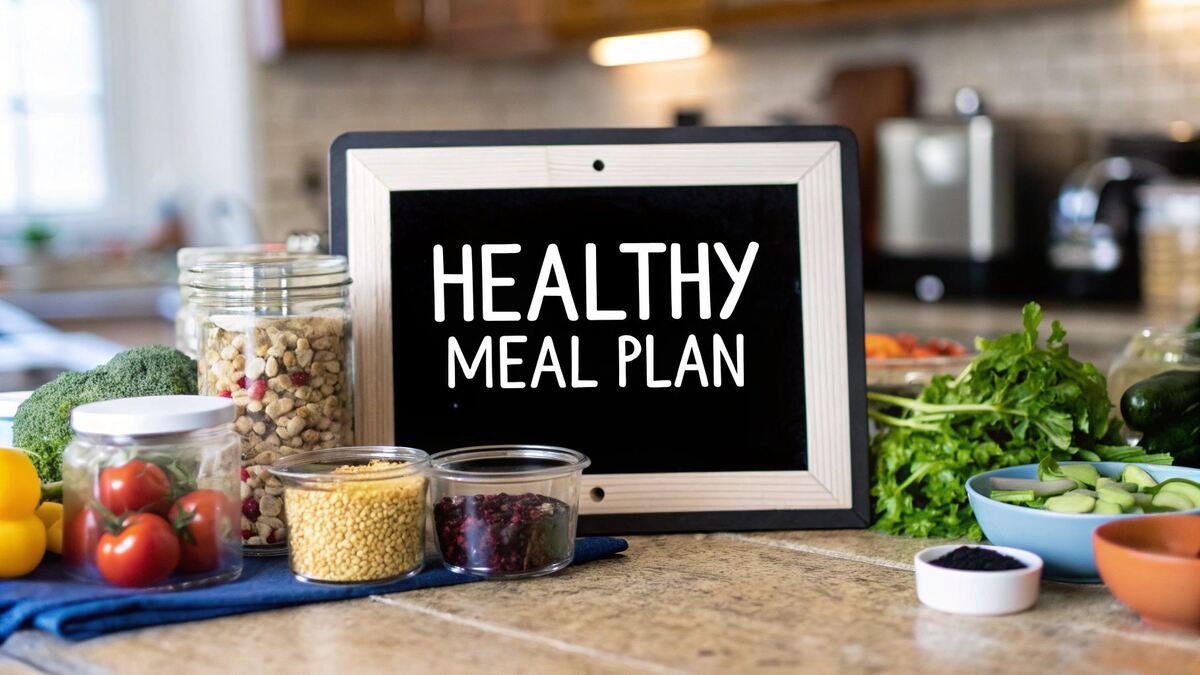
Crafting a weekly meal plan is the most effective way to take control of your health, budget, and time. When you're hungry and tired, impulse decisions take over. A structured weekly plan gives you a clear roadmap, eliminating that daily "what's for dinner?" stress that so often leads to last-minute, unhealthy takeout. This approach doesn't just support consistent nutrition; it also drastically cuts down on food waste because every item on your grocery list has a purpose.
This guide provides a complete, balanced 7-day meal plan and the exact grocery list you'll need to make it happen. It’s designed to be:
- Nutritionally Balanced: We’re focusing on whole foods, lean proteins, healthy fats, and complex carbs.
- Time-Efficient: These meals are quick to prep, perfect for busy weeknights.
- Delicious and Varied: No one sticks to a boring diet, so we've included a range of flavors to keep you engaged.
Feel free to follow this plan exactly as it is, or use it as a flexible template to build your own.
What does a 7-day healthy meal plan look like?
Here’s a look at a week of healthy, delicious meals designed to keep you full and energized. This plan provides roughly 1,800-2,000 calories per day, with plenty of nutrient-dense options.
Pro Tip: Flexibility is key. If you don't feel like eating the planned meal, feel free to swap days around. The goal is to stick to the ingredients you've purchased to minimize waste and stay on track.
What should I put on my grocery list for this meal plan?
A well-organized grocery list is the bridge between your meal plan and a successful week of eating. This list is categorized to make your shopping trip fast and efficient. Before you head out, do a quick scan of your fridge and pantry to cross off anything you already have on hand.
Fresh Produce
- Fruits:
- 1 pint mixed berries (for yogurt, oatmeal, snacks)
- 2 bananas (for oatmeal)
- 1 apple (for snack)
- 1 pear (for snack)
- 2 avocados (for toast, salad)
- 1 lemon (for vinaigrette, salmon)
- Vegetables:
- 1 bag of fresh spinach (for eggs, smoothies)
- 1 cucumber (for quinoa salad)
- 1 bunch of asparagus
- 1 large sweet potato
- 1 bag of mixed stir-fry vegetables
- 2 zucchini (for noodles)
- 2 bell peppers (any color, for fajitas)
- 1 large onion
- 1 head of broccoli
- 1 bag of mixed greens
- 1 bag of baby carrots
- 1 bunch of celery
Protein and Dairy
- Protein:
- 1 lb salmon fillet
- 1.5 lbs boneless, skinless chicken breasts
- 1 lb ground turkey
- 1 can (5 oz) tuna in water
- 1 lb large shrimp (peeled & deveined)
- 1 small whole roasting chicken (or 4 chicken thighs)
- Dairy & Eggs:
- 1 dozen eggs
- 1 large container plain Greek yogurt
- 1 container cream cheese
- Unsweetened almond milk
Pantry Staples
- Grains & Legumes:
- Rolled oats
- Quinoa
- Brown rice
- Whole-wheat bread
- Whole-wheat pasta
- Whole-wheat wraps
- Whole-wheat buns
- 1 can (15 oz) chickpeas
- 1 can (15 oz) lentils
- 1 can (15 oz) black beans
- Nuts, Seeds, & Spreads:
- Raw almonds
- Walnuts
- Natural peanut butter
- Almond butter
- Hummus
- Oils, Sauces, & Seasonings:
- Olive oil
- Marinara sauce
- Fajita seasoning
- Cinnamon
- Vanilla protein powder (optional)
- Honey (optional)
- Rice cakes
With this comprehensive list, you can walk into the grocery store with confidence, knowing you're getting exactly what you need. To save even more time, you can also use a grocery list generator to create custom shopping lists from your own recipes and preferences.
How do I adapt this plan for different dietary needs?
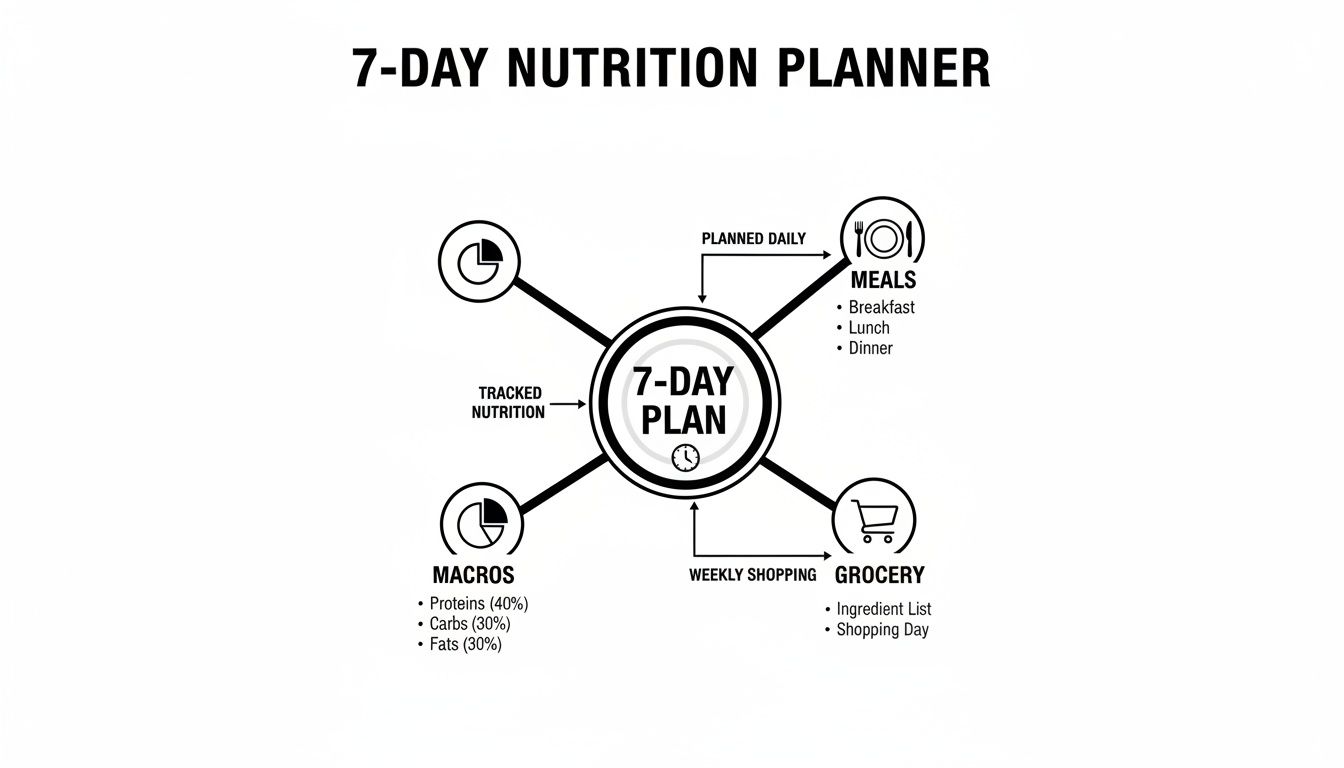
A great meal plan is a solid starting point, but the magic happens when you make it yours. Tailoring a healthy weekly plan to fit specific dietary needs like vegan, gluten-free, or keto is about making smart, strategic swaps that keep the heart of the dish intact. Think of it this way: every meal has core components—protein, carbs, and fats. The game is simply substituting those with compliant alternatives.
Making Vegan Swaps Without Sacrificing Protein
Going vegan means replacing all animal products with plant-based alternatives like lentils, chickpeas, tofu, or tempeh. For instance, if a recipe calls for ground turkey meatballs, try using mashed lentils and mushrooms instead. Greek yogurt in a dip or sauce can easily be swapped for a coconut or soy-based yogurt, and cow's milk in smoothies is a simple switch for almond, oat, or soy milk.
How to Go Gluten-Free Seamlessly
For a gluten-free diet, the main challenge is replacing grains like wheat, barley, and rye.
- Grains: Swap whole-wheat pasta for options made from brown rice, chickpeas, or lentils.
- Bread: Use gluten-free bread, wraps, or buns for sandwiches. Lettuce wraps are another fantastic, low-carb alternative.
- Hidden Gluten: Always check the labels on sauces, marinades, and soups. Soy sauce usually has wheat; tamari is a common gluten-free substitute.
Adapting Meals for a Keto Lifestyle
The ketogenic diet demands a sharp cut in carbs and a major boost in fat. Making keto swaps is all about finding clever, low-carb stand-ins. Zucchini noodles ("zoodles") are a classic pasta replacement, and mashed cauliflower is an incredible substitute for mashed potatoes. As you make these changes, it’s critical to keep your nutrient balance in check. Using a recipe nutrition calculator can be a game-changer for verifying that your modified meals still hit your keto macro targets.
Ingredient Swaps for Popular Dietary Needs
Making these changes in real-time can feel tricky at first. This table breaks down some of the most common swaps you'll make when adapting our sample meal plan.
| Original Ingredient | Vegan Swap | Gluten-Free Swap | Keto Swap |
|---|---|---|---|
| Chicken Breast | Firm Tofu or Chickpeas | (Naturally GF) | (Naturally Keto) |
| Greek Yogurt | Coconut or Soy Yogurt | (Naturally GF) | Full-Fat Greek Yogurt |
| Quinoa | (Naturally Vegan) | (Naturally GF) | Cauliflower Rice |
| Whole Wheat Bread | Sprouted Grain Bread | GF Bread (e.g., rice, tapioca) | Keto Bread (e.g., almond flour) |
| Honey (in dressings) | Maple Syrup or Agave | (Naturally GF) | Monk Fruit or Stevia Sweetener |
Think of this chart as your cheat sheet. With a little practice, these substitutions will become second nature.
What is the most efficient way to meal prep?
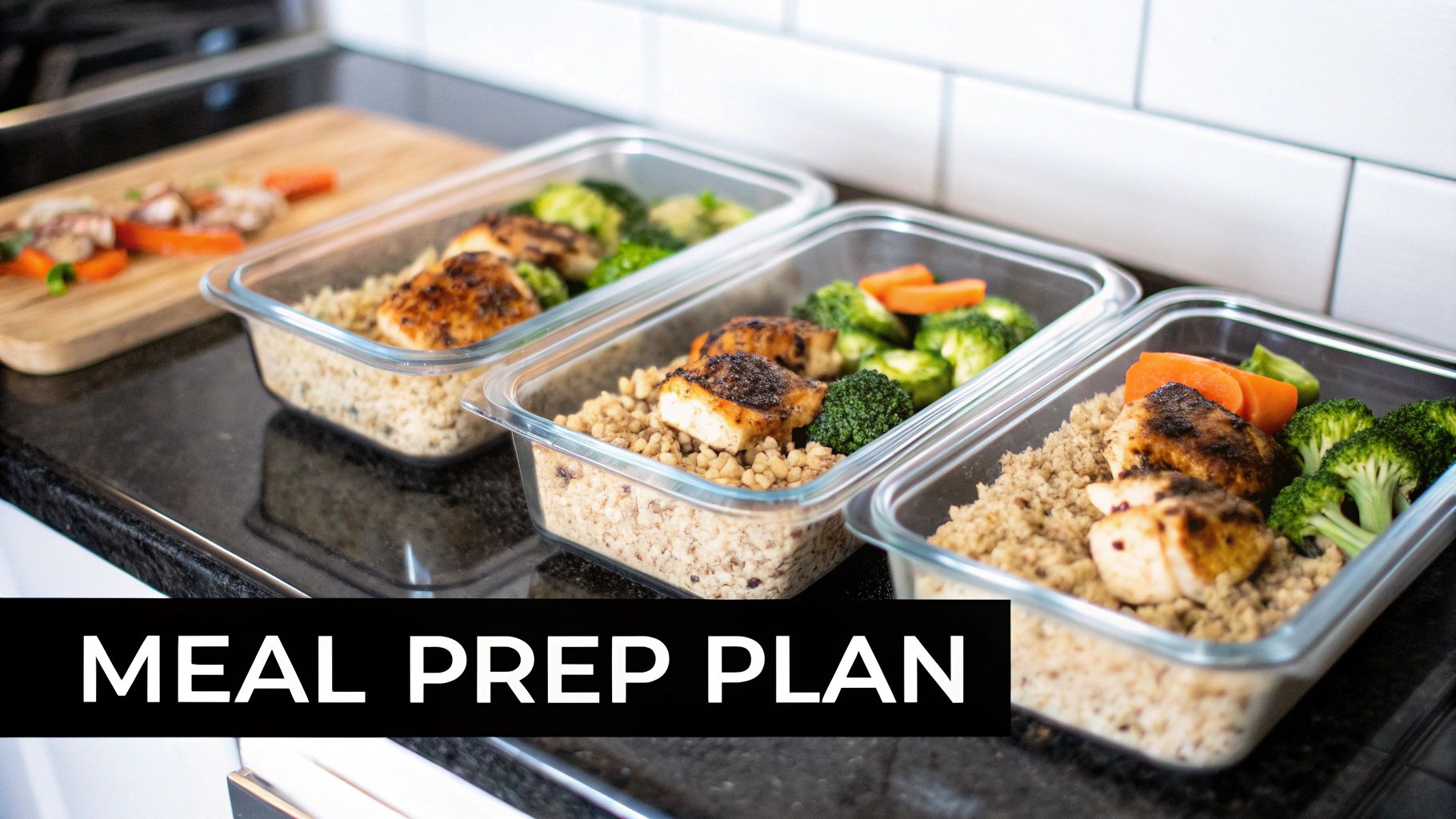
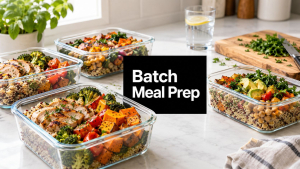
The most effective way to meal prep is to split the work into two manageable chunks: a main two-hour block on the weekend and a quick 30-minute refresh mid-week. This split approach keeps your food tasting fresh and prevents that dreaded feeling of being overwhelmed. Your meals on Friday will be just as crisp and appealing as they were on Monday.
Your Weekend Power Prep Session
Set aside a couple of hours on a Sunday to knock out the heavy lifting. The goal here is to tackle the most time-consuming tasks all at once. The key is to multitask. Get your grains cooking on the stove while you move on to the rest of your prep.
Here's what to focus on:
- Wash and Chop Vegetables: Dice onions, slice bell peppers, and chop broccoli. Store them in airtight containers.
- Cook Your Grains: Batch-cook a large portion of quinoa or brown rice for the week.
- Prepare Proteins: Grill or bake several chicken breasts, hard-boil a half-dozen eggs, and marinate proteins for later.
The Mid-Week Refresh
Around Wednesday, schedule a quick 30-minute refresh. This session ensures the second half of your week feels just as organized and stress-free as the first.
Focus on these simple tasks:
- Chop delicate produce like tomatoes or avocados.
- Assemble salads or overnight oats for the next two days.
- Quickly marinate the fish or protein you plan to cook for Thursday's dinner.
How to Store Prepped Food for Maximum Freshness
Proper storage is what makes or breaks a meal prep routine. Invest in a set of quality glass containers with airtight, snap-on lids. They don't stain or hold onto odors, and you can pop them straight into the microwave. For greens, place a paper towel in the container to absorb moisture and keep everything crisp for days.
How can I lower my grocery bill and reduce food waste?
A well-designed healthy weekly meal plan with grocery list is one of the best ways to control your finances. The core idea is simple: buy only what you need, and use everything you buy. This process starts with a quick scan of your pantry, fridge, and freezer to stop you from buying duplicate items.
Adopt the Cook Once, Eat Twice Method
One of the most effective strategies is the "cook once, eat twice" philosophy. This is about creative reinvention. You intentionally make larger batches of a core ingredient and then repurpose it for a completely different meal later.
A classic roasted chicken for Sunday dinner can be the foundation for several others.
- Monday Lunch: Shred the leftover chicken for a chicken salad wrap.
- Wednesday Dinner: Use the last bits of meat and the carcass to create a hearty chicken and vegetable soup.
Master Your Kitchen Inventory
An organized kitchen is a cost-effective kitchen. Knowing exactly what you have on hand is the first step to trimming food waste and creating a focused grocery list. This doesn't mean you need a complicated spreadsheet; a simple visual check is usually enough.
Practical Tips for Reducing Food Waste
- Store Produce Correctly: Learn which fruits and veggies need to be refrigerated and which are better on the counter.
- Prioritize Perishables: Move older items to the front of the fridge so you use them before they expire.
- Use Your Freezer: Freeze leftover soups, sauces, and bread that you know you won't get to in time.
If you often find yourself staring at random ingredients, you might like our guide on creating a meal from what's in your fridge, which offers creative ways to use what you already own.
Can I automate my meal plan and grocery list?
Yes, you can automate creating your healthy weekly meal plan with grocery list using AI-powered tools. Instead of spending hours piecing together recipes, you tell the system your goals and food preferences, and it generates a complete seven-day plan and a categorized grocery list in seconds. Automating this process with an AI Meal Planner is like having a personal nutritionist on call 24/7.
How does AI create a personalized plan?
The process starts with a quick setup where you teach the AI about you. You’re not just picking a generic template; you're giving the system specific details to build a plan that actually works.
From there, you'll dial in the specifics:
- Dietary Needs: Specify if you're following a certain protocol, like Vegan, Keto, or Gluten-Free.
- Allergies and Dislikes: List any ingredients to avoid.
- Cooking Habits: Tell the system how much time you're willing to spend in the kitchen.
With that information, the AI instantly generates a full seven-day plan—breakfast, lunch, dinner, and snacks included.
What are the key features of an AI planner?
The real magic is in the dynamic features that help you stick with it. One of the most useful features is the ability to swap meals on the fly. Not feeling the salmon dish scheduled for Tuesday? The AI will suggest a different meal that's nutritionally equivalent, so you stay on track. The biggest advantage is how it handles complexity behind the scenes. It can build a plan that strategically reuses ingredients across different recipes, which drastically cuts down on food waste.
Finally, the automated grocery list is a game-changer. The system compiles everything for you, sorted by store aisle, to make your shopping trip incredibly efficient.
Ready to see how it works? You can get your own personalized plan started right now at AI Meal Planner.
FAQs about Healthy Weekly Meal Planning
How many meals should I plan for each day? Plan for three main meals (breakfast, lunch, dinner) and one to two snacks. This structure helps maintain stable energy levels and prevents overeating.
When is the best day to plan and shop? Most people find that planning and shopping on a Saturday or Sunday is most effective. This prepares you for the week ahead and reduces weeknight stress.
How do I figure out my calorie and macro needs? The most accurate way is to use an online calculator that considers your age, gender, weight, height, and activity level. You can use a calorie and macro calculator to get personalized targets.
Should I plan for leftovers? Yes, planning for leftovers is a smart strategy to save time and money. The "cook once, eat twice" method streamlines lunch prep and reduces food waste.
How do I keep my meal plan from getting boring? Introduce variety by trying one new recipe each week and rotating your proteins. Using different herbs, spices, and sauces can also transform familiar dishes.
Ready to stop planning and start eating? AI Meal Planner creates your perfect weekly plan and grocery list in seconds, tailored to your exact goals and tastes.
AI-powered nutrition
Get Your Personalized Meal Plan
AI creates the perfect meals for your goals, lifestyle, and taste.
Start Your Journej