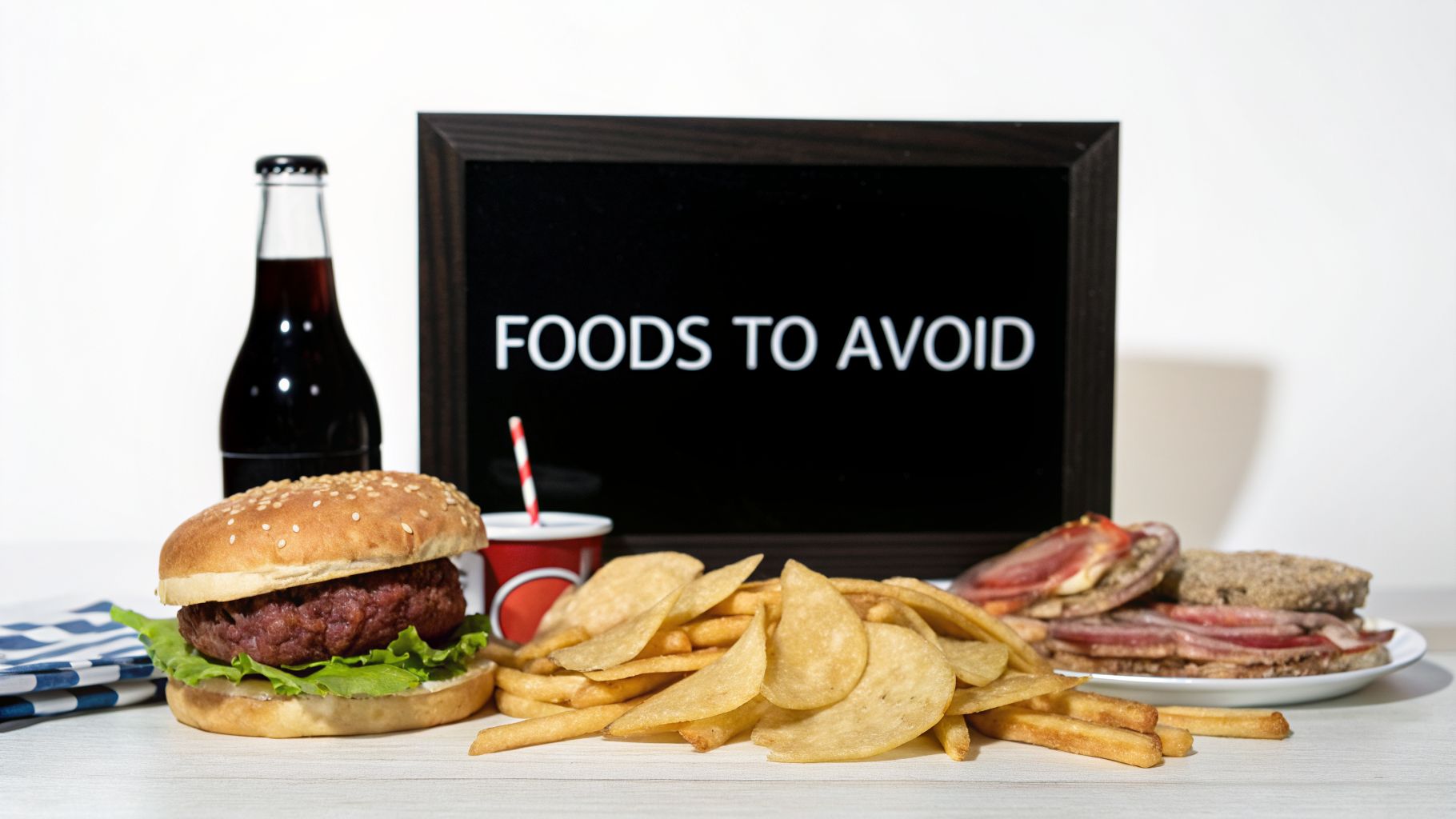
To protect your heart, you should avoid or strictly limit 10 types of foods high in sodium, unhealthy fats, and added sugars. Key items to avoid include processed meats, fried foods, trans fats found in packaged snacks, and sugary drinks. Limit your daily sodium intake to under 1,500 mg and keep saturated fats below 6% of your total calories.
Managing heart disease effectively involves making deliberate dietary choices, and understanding which foods to avoid is a critical first step. This guide moves beyond general advice, offering a detailed, evidence-backed list of specific foods and food categories that can negatively impact cardiovascular health. We will explore not just what to limit, but also why these items pose a risk, providing a clear rationale based on their effects on blood pressure, cholesterol levels, and arterial inflammation.
For each of the ten categories, you'll find more than just a warning. This article provides practical, actionable swaps and alternatives that make healthy eating feel less like a restriction and more like an upgrade. Discover how to identify hidden sources of sodium, trans fats, and added sugars on food labels, and learn simple preparation techniques to transform your meals. We've included grocery list tips and meal-planning suggestions designed for busy schedules, making it easier to stick to a heart-conscious diet. The goal is to equip you with the knowledge and tools to build a sustainable eating plan that supports long-term heart health without sacrificing flavor or convenience.
Why should I avoid trans fats and partially hydrogenated oils?
Trans fats, also known as partially hydrogenated oils (PHOs), top the list of foods to avoid with heart disease. These are artificial fats created when liquid vegetable oils are heated with hydrogen gas to make them more solid. This process extends the shelf life of processed foods and improves their texture, but it comes at a steep price for your cardiovascular system. Trans fats are the most dangerous type of fat because they simultaneously raise your LDL ("bad") cholesterol and lower your HDL ("good") cholesterol, a combination that significantly increases the risk of artery blockages, heart attack, and stroke.

While the FDA has banned the widespread use of PHOs, they haven't been eliminated completely. Small amounts can still be found in some products, and restaurants may use frying oils containing them.
How can I spot and swap trans fats?
Since even small amounts are harmful, complete avoidance is the goal. Become a detective when you shop and eat out.
- Read the Ingredients List: Don’t just rely on the "0g trans fat" claim on the Nutrition Facts panel. Manufacturers can make this claim if the product contains less than 0.5 grams of trans fat per serving. Always check the ingredients for "partially hydrogenated oil." If you see this phrase, put the item back.
- Identify Common Culprits: Be wary of commercial baked goods (donuts, biscuits, pie crusts), certain margarines and vegetable shortenings, frozen pizzas, and many fast-food fried items like chicken and french fries.
- Embrace Healthier Fats: Replace shortening or hard margarine with heart-healthy oils like olive oil or avocado oil for cooking. For baking, consider using butter or coconut oil in moderation, as they contain saturated fat but no artificial trans fats.
- Utilize a Meal Planner: A dedicated app like our AI Meal Planner can automatically filter out recipes and products known to contain trans fats, simplifying your grocery planning and keeping your heart-healthy diet on track.
Why are high-sodium processed meats bad for my heart?
For individuals focused on heart health, high-sodium processed meats are a category that requires strict limitation or complete avoidance. These items, which include deli slices, bacon, sausage, and hot dogs, are preserved using methods that load them with sodium. A single serving can easily pack 400-800 mg of sodium, which is a significant portion of the daily recommended limit. This excessive sodium intake directly contributes to high blood pressure, a primary risk factor for heart disease. Furthermore, many of these meats contain saturated fat and nitrates, which can promote arterial stiffness and further compound cardiovascular risk.

The American Heart Association advises an ideal sodium limit of 1,500 mg per day for most adults, especially those with high blood pressure, making it clear why these foods are among the key foods to avoid with heart disease. Regularly consuming them makes it incredibly difficult to stay within heart-healthy sodium guidelines.
How can I spot and swap processed meats?
Minimizing your intake of these sodium-dense products is a powerful step toward protecting your heart. A proactive approach to shopping and meal preparation is your best defense.
- Check Sodium Content: When you do purchase packaged meats, always read the Nutrition Facts panel. Look for options labeled "low-sodium," which should contain less than 140 mg of sodium per serving. Be wary of "reduced sodium" labels, as they can still be high.
- Recognize the Usual Suspects: Stay mindful of common offenders like pepperoni, salami, bacon, breakfast sausages, hot dogs, and most pre-packaged deli meats such as turkey and ham slices.
- Prioritize Fresh Proteins: Build your meals around unprocessed options. Fresh chicken breast, fish, beans, lentils, and tofu are excellent protein sources without the added sodium and preservatives.
- Use a Nutrition Calculator: When preparing meals with various ingredients, it can be hard to track your total sodium intake. You can easily analyze your recipes and keep your daily sodium in check with a recipe nutrition calculator.
What makes refined carbs and sugar harmful?
Another critical group of foods to avoid with heart disease is refined carbohydrates and sugary items. These foods, like white bread, pastries, and sodas, have been stripped of their fiber, vitamins, and minerals. This processing allows them to be digested very quickly, causing a sharp spike in your blood sugar. In response, your body releases a large amount of insulin, which can lead to inflammation, increased triglycerides (a type of fat in your blood), and weight gain, particularly dangerous visceral fat around your organs. Diets high in these foods are directly linked to a higher risk of heart disease.

The immediate sugar rush is followed by a crash, creating a cycle of cravings for more sugary foods. This metabolic rollercoaster puts significant strain on your cardiovascular system over time, contributing to the development of artery-damaging conditions.
How can I spot and swap refined carbs?
Limiting these simple carbs and sugars is key to protecting your heart. You can make smarter choices by being mindful at the grocery store and in the kitchen.
- Read Nutrition Labels: Pay close attention to "Added Sugars" on the Nutrition Facts panel. Aim for products with less than 5 grams of sugar per serving. Also, check the fiber content; whole grains will have at least 3 grams per serving.
- Identify Common Culprits: Be cautious with sugary breakfast cereals, white bread, bagels, pastries, and desserts. Also, be aware of sugary drinks like sodas, fruit juices, and energy drinks, which are major sources of refined sugar.
- Switch to Whole Grains: Replace white rice, pasta, and bread with their whole-grain counterparts like brown rice, quinoa, whole-wheat pasta, and 100% whole-wheat bread. These are excellent food swaps for weight loss and heart health because their fiber slows digestion and prevents blood sugar spikes.
- Use a Meal Planner for Support: The AI Meal Planner can help you find and filter for recipes that use low-glycemic, high-fiber ingredients. This simplifies meal prep and ensures your diet actively supports your heart health goals.
Are saturated fats and palm oil dangerous for my heart?
While not as universally condemned as artificial trans fats, certain saturated fats and tropical oils like palm oil are high on the list of foods to avoid with heart disease. Saturated fats are typically solid at room temperature and are found primarily in animal products and tropical oils. Their chemical structure allows them to easily raise levels of LDL ("bad") cholesterol, which contributes to the buildup of plaque in arteries (atherosclerosis), increasing the risk of heart attack and stroke. The American Heart Association recommends that saturated fat should make up no more than 5-6% of your daily calories, but many people consume far more.
This overconsumption often comes from fatty meats, full-fat dairy, butter, and processed snacks that use palm and coconut oils for texture and shelf life. While your body needs some fat for energy and cell function, the source and quantity matter immensely for long-term cardiovascular wellness.
How can I spot and swap saturated fats?
Limiting your intake is key, as even small changes can have a big impact. Aim for awareness in the kitchen and at the grocery store.
- Read Nutrition Labels: Pay close attention to the "Saturated Fat" line on the Nutrition Facts panel. For a 2,000-calorie diet, the 5-6% recommendation equals about 13 grams per day. Understanding this helps you make informed choices. To determine your specific needs, you can use a calorie and macro calculator to set personalized targets.
- Identify Common Culprits: High amounts of saturated fat are present in fatty cuts of beef, lamb, and pork; poultry with skin; full-fat dairy products like butter, cream, cheese, and whole milk; and tropical oils such as coconut oil, palm oil, and palm kernel oil.
- Choose Leaner Proteins: Swap fatty meats for skinless chicken or turkey, fish (especially fatty fish rich in omega-3s), and plant-based proteins like beans, lentils, and tofu.
- Make Smart Cooking Swaps: Instead of cooking with butter, lard, or coconut oil, opt for liquid vegetable oils high in unsaturated fats, such as olive oil, avocado oil, or canola oil. Choose low-fat or fat-free versions of milk, yogurt, and cheese when possible.
How does high-fructose corn syrup affect heart health?
Among the critical foods to avoid with heart disease are those loaded with added sugars, especially high-fructose corn syrup (HFCS). Unlike natural sugars found in fruit, these processed sweeteners offer no nutritional value and are metabolized in a way that harms cardiovascular health. Excessive consumption of added sugars, particularly fructose from HFCS, can lead to increased liver fat, inflammation, high blood pressure, and elevated triglycerides, all of which are significant risk factors for heart disease. This sugar overload can also contribute to insulin resistance and visceral fat gain, the dangerous fat that accumulates around your internal organs.
The average American consumes far more added sugar than recommended, with sweetened beverages being a primary source. Research shows that high sugar intake is directly linked to a substantially greater risk of dying from heart disease.
How can I spot and swap added sugars?
Reducing your intake of added sugars requires careful label reading and conscious food choices, as they are often hidden in seemingly healthy products.
- Read the Nutrition Facts Label: Look for the "Added Sugars" line item, which is listed separately from "Total Sugars." Aim for products with less than 5 grams of added sugar per serving. The American Heart Association recommends that women consume no more than 25 grams (6 teaspoons) of added sugar per day, and men no more than 36 grams (9 teaspoons).
- Identify Common Culprits: Added sugars are prevalent in soft drinks, flavored yogurts, many breakfast cereals, and condiments like ketchup, BBQ sauce, and salad dressings. Also be cautious of canned fruits in syrup, baked beans, sports drinks, and energy drinks.
- Check the Ingredients List: Scan for terms like high-fructose corn syrup, sucrose, dextrose, cane juice, and malt syrup. If a sugar-based ingredient is one of the first few listed, the product is likely high in added sugars.
- Utilize a Meal Planner: A smart tool like our AI Meal Planner can help you set daily sugar limits and automatically suggest recipes and products that fit within your heart-healthy goals, making it easier to manage your intake without constant calculation.
Should I avoid full-fat dairy products?
When reviewing foods to avoid with heart disease, full-fat dairy products require careful consideration. Items like whole milk, rich cheeses, and cream are significant sources of saturated fat, which can directly contribute to elevated LDL ("bad") cholesterol levels. Just one or two servings of full-fat dairy, such as a slice of cheddar cheese or a glass of whole milk, can provide 20-30% of your recommended daily saturated fat limit, making it easy to exceed healthy targets. While some research suggests fermented dairy like cheese might have neutral heart effects, major health bodies like the American Heart Association still recommend limiting these fats for individuals managing heart conditions.
The primary concern is the high concentration of saturated fat and calories. For example, a single ounce of full-fat cheddar cheese can pack over 100 calories and 6 grams of saturated fat. Managing your intake is crucial for maintaining a healthy cholesterol profile and overall cardiovascular wellness.
How can I spot and swap full-fat dairy?
Making smart swaps can significantly reduce your saturated fat intake without eliminating the nutritional benefits of dairy, like calcium and protein.
- Read the Label for Fat Content: Look for terms like "whole milk," "full-fat," or "4% milkfat." Opt for versions labeled "low-fat" (1%), "reduced-fat" (2%), or "fat-free" (skim). This applies to milk, yogurt, and cottage cheese.
- Identify Common Culprits: Be mindful of whole milk (3.25% fat), heavy cream, sour cream, butter, and rich cheeses like brie, cheddar, and cream cheese. Full-fat ice cream and buttermilk are other common sources.
- Transition Gradually: If you drink whole milk, try switching to 2% first, then 1%, and finally skim. This gradual change allows your palate to adjust. For cheese, use stronger-flavored varieties like Parmesan or sharp cheddar, but in smaller quantities to get the flavor without the fat.
- Utilize a Meal Planner: A planning app like our AI Meal Planner can help by automatically suggesting recipes that use low-fat dairy alternatives. You can use its filters to swap full-fat ingredients for heart-healthier options in your weekly plan.
- Make Smart Substitutions: Use plain, non-fat Greek yogurt in place of sour cream or mayonnaise in dips and dressings for a protein-rich, low-fat alternative. When a recipe calls for cream, a blend of low-fat milk and cornstarch can often provide similar thickness.
Is coconut oil bad for my heart despite the hype?
Despite its popular image as a health food, coconut oil is a significant source of saturated fat and one of the key foods to avoid with heart disease. Marketing campaigns have promoted it as a "superfood," but its high saturated fat content, around 82%, is a major concern for cardiovascular health. This is even higher than butter, which contains about 62% saturated fat. Research shows that coconut oil consistently raises LDL ("bad") cholesterol, a primary driver of atherosclerosis, where plaque builds up in the arteries and increases the risk of heart attack and stroke.
The main fatty acid in coconut oil, lauric acid, does cause a small increase in HDL ("good") cholesterol. However, the substantial increase in harmful LDL cholesterol far outweighs this minor benefit, making its net effect negative for heart health. For individuals managing or at risk for heart disease, avoiding coconut oil and similar tropical fats like palm oil is a critical dietary step, regardless of marketing claims.
How can I spot and swap tropical fats?
Making informed choices involves looking past health halos and focusing on the nutritional facts.
- Read Labels for Saturated Fat: Check the Nutrition Facts panel for high saturated fat content in products made with coconut or palm oil. This includes virgin and refined coconut oil, coconut milk and cream, and many coconut-based "keto" products.
- Identify Common Culprits: Be mindful of packaged foods where these oils are often hidden, such as some granola bars, energy bars, non-dairy creamers, and baked goods. Coconut oil cooking sprays are also a direct source.
- Switch to Heart-Healthy Oils: Replace coconut oil with oils rich in monounsaturated fats. Extra virgin olive oil is excellent for dressings and low-heat sautéing, while avocado oil, with a high smoke point of 520°F, is ideal for high-heat cooking. To gain a deeper understanding of coconut oil's properties, particularly its behavior under high heat, you might explore a comprehensive guide on Coconut Oil High Heat Cooking.
- Use a Meal Planner for Smart Swaps: Set your dietary preferences in an app like our AI Meal Planner to automatically filter out recipes containing coconut oil. The planner can suggest heart-healthy alternatives, ensuring your meal plan aligns with your cardiovascular goals. If you must use coconut products, opt for light or low-fat coconut milk varieties to minimize saturated fat intake.
How does alcohol affect cardiovascular health?
The relationship between alcohol and heart health is complex, making it a critical category among foods to avoid with heart disease, especially in excessive amounts. While some studies suggest moderate consumption may have benefits, excessive intake significantly harms the cardiovascular system. Drinking too much can lead to high blood pressure, elevated triglyceride levels, and an increased risk of cardiac arrhythmia. Furthermore, many alcoholic drinks, particularly cocktails and mixed beverages, are loaded with refined sugars and empty calories that contribute to weight gain and inflammation, directly undermining heart health goals.
Chronic heavy drinking can also cause alcoholic cardiomyopathy, a serious condition where the heart muscle weakens and cannot pump blood effectively. Alcohol can also interfere with the effectiveness of common heart medications, including blood thinners and blood pressure drugs, making management of heart disease more challenging.
How can I make smarter choices about alcohol?
The key is moderation and making smarter choices about what and how you drink.
- Understand Serving Sizes: A standard drink is defined as 12 ounces of regular beer, 5 ounces of wine, or 1.5 ounces of distilled spirits. Stick to the recommendation of no more than one drink per day for women and two for men.
- Identify Common Culprits: Be mindful of sugary cocktails like margaritas and daiquiris, sweet dessert wines, and hard ciders or coolers. Even beer contains a significant amount of carbohydrates, and many hard seltzers have hidden added sugars.
- Opt for Smarter Sips: If you choose to drink, select dry wine (red or white) or a light beer. For mixed drinks, skip the sugary juices and sodas. Instead, use soda water, a splash of lime juice, or diet tonic as your mixer.
- Prioritize Medication Safety: Always talk to your cardiologist about alcohol consumption. They can provide personalized advice based on your specific condition and the medications you are taking to avoid dangerous interactions.
Why are fried foods particularly unhealthy?
The method used to cook your food is just as important as the food itself, and deep-frying is one of the most damaging for heart health. When foods are submerged in hot oil, they can absorb 25-40% of their weight in fat, significantly increasing their calorie and fat content. The real danger, however, lies in the type of fat and the chemical changes that occur during high-heat frying. This process creates potent inflammatory compounds, making fried items a key category of foods to avoid with heart disease. Regular consumption of fried foods is directly linked to a higher risk of heart disease mortality.
Often, restaurants use inexpensive, partially hydrogenated oils to withstand repeated heating, introducing harmful trans fats into your meal. Even with healthier oils, reheating causes oxidation, which produces damaging compounds like aldehydes that can harm the delicate lining of your blood vessels. A single serving of fast-food fried chicken can pack over 2,500mg of sodium and a day's worth of unhealthy fat.
How can I ditch the deep fryer for healthier cooking?
Switching your cooking method is one of the most impactful changes you can make for your cardiovascular system. It doesn't mean giving up your favorite textures and flavors.
- Choose Smarter Cooking Methods: Embrace baking, grilling, roasting, steaming, or sautéing. An air fryer is an excellent tool that uses up to 99% less oil, circulating hot air to create a crispy finish without deep-frying.
- Reimagine Your Favorites: Instead of fried fish, try baking a fillet with a flavorful herb and breadcrumb crust. Swap french fries for roasted potato wedges tossed with olive oil and spices. Sauté or steam vegetables in a small amount of olive oil instead of ordering fried tempura.
- Be Assertive When Dining Out: Don't hesitate to ask for your protein to be grilled or baked instead of fried. Most restaurants are happy to accommodate these simple requests for healthier preparations.
- Plan Your Plate: You can use a tool like our AI Grocery List Generator to find recipes that feature heart-healthy cooking methods, ensuring your shopping list is automatically aligned with your health goals. This simplifies meal prep and removes the guesswork.
What is the problem with cured and smoked foods?
Among the key foods to avoid with heart disease are cured and smoked meats like bacon, ham, and beef jerky. These foods are preserved using methods that involve high concentrations of sodium and chemical additives like sodium nitrates and nitrites. While these compounds prevent bacterial growth and add a characteristic flavor, they are detrimental to cardiovascular health. When heated, nitrates can form nitrosamines, which are carcinogenic. More directly for heart health, nitrates impair endothelial function, reducing your body's ability to produce nitric oxide. This leads to increased blood pressure and arterial stiffness.
The combination of extremely high sodium, saturated fat, and nitrates makes these processed meats a triple threat. Studies directly link high consumption of processed meats to a significantly increased risk of heart disease and stroke, making them a category to strictly limit or eliminate.
How can I spot and swap cured meats?
Minimizing your intake of these foods is a powerful step toward protecting your heart. Focus on fresh, whole-food alternatives.
- Read the Ingredients List: Look for terms like "sodium nitrate," "sodium nitrite," or "cured." Even products labeled "uncured" or "nitrate-free" often use cultured celery powder, which is a natural source of nitrates, and they remain very high in sodium.
- Identify Common Culprits: Be mindful of bacon, deli ham, smoked salmon (lox), beef jerky, pepperoni, smoked sausages, and even smoked turkey. These items rely on curing for their preservation and flavor profile.
- Embrace Healthier Proteins: Swap cured meats with fresh, heart-healthy proteins. Use grilled chicken breast in sandwiches instead of ham, top your pizza with fresh vegetables instead of pepperoni, and opt for wild-caught salmon or sardines, which provide beneficial omega-3s, instead of smoked salmon.
- Utilize a Meal Planner: A smart tool like our AI Meal Planner can help you find delicious recipes that use fresh proteins. It can automatically filter out or suggest swaps for recipes containing cured meats, ensuring your meal plan consistently supports your heart health goals.
Summary of Foods to Limit for Heart Health
| Food Category | Why It's Harmful | Healthier Alternatives |
|---|---|---|
| Trans Fats | Raises "bad" LDL, lowers "good" HDL cholesterol. | Olive oil, avocado oil, nuts, seeds. |
| Processed Meats | High in sodium, nitrates, and saturated fat. | Fresh chicken, fish, beans, lentils. |
| Refined Carbs | Spikes blood sugar and triglycerides. | Whole grains, quinoa, oats. |
| Saturated Fats | Raises LDL cholesterol, contributing to plaque. | Monounsaturated fats, omega-3s. |
| Added Sugars | Causes inflammation, weight gain, high triglycerides. | Fruit, water, unsweetened beverages. |
| Full-Fat Dairy | High in saturated fat and calories. | Low-fat or fat-free dairy, plant milks. |
| Coconut Oil | Very high in saturated fat, raises LDL cholesterol. | Olive oil, canola oil, avocado oil. |
| Excessive Alcohol | Raises blood pressure and triglycerides. | Water, herbal tea, moderate wine intake. |
| Fried Foods | High in calories, unhealthy fats, and sodium. | Baked, grilled, roasted, or air-fried foods. |
| Cured/Smoked Foods | Contains nitrates and very high sodium levels. | Fresh, unseasoned meats and fish. |
What are the most important takeaways?
Navigating the complexities of a heart-healthy diet can feel overwhelming, but the core principles are straightforward and empowering. This guide has detailed the specific foods to avoid with heart disease, moving beyond vague advice to provide clear, actionable steps for protecting your cardiovascular system. The central theme connecting these dietary pitfalls is the impact of processed ingredients, specifically excessive sodium, unhealthy fats (trans and saturated), and refined sugars.
From the hidden dangers of partially hydrogenated oils in packaged snacks to the high sodium content in processed meats, the common thread is industrial food production's tendency to prioritize shelf life and flavor intensity over nutritional value. By understanding why these foods are detrimental, you can shift your perspective from one of restriction to one of intentional, positive choice-making. It’s not just about what you remove; it’s about what you gain: better blood pressure, healthier cholesterol levels, and reduced inflammation.
Key principles for a heart-healthy plate
- Read the Label, Every Time: This is your most powerful tool. Look for "partially hydrogenated oil" (trans fat), check sodium levels (aiming for less than 140mg per serving), and be wary of added sugars and high-fructose corn syrup listed in the top ingredients.
- Prioritize Whole, Unprocessed Foods: The more an item resembles its natural state, the better. Fresh fruits, vegetables, lean proteins (like fish and poultry), and whole grains don't come with complicated ingredient lists and are naturally low in the harmful components we've discussed.
- Rethink Your Cooking Methods: The way you prepare food is just as important as the food itself. Swapping deep-frying for baking, grilling, steaming, or air-frying drastically cuts down on unhealthy fats and excess calories without sacrificing flavor.
Making sustainable changes is a journey, not a destination. Start by identifying one or two items from this list that feature prominently in your current diet and find a satisfying swap. Your diet is a powerful form of medicine. Beyond avoiding detrimental foods, incorporating beneficial ones is equally important. For expert-backed suggestions, consider exploring resources on 8 cholesterol-lowering foods that actively work to improve your cardiovascular profile.
Frequently Asked Questions
What is the single worst food for heart disease? Trans fats, found in partially hydrogenated oils, are widely considered the worst as they raise bad LDL cholesterol while simultaneously lowering good HDL cholesterol.
Can I eat cheese if I have heart disease? Full-fat cheese is high in saturated fat and should be eaten in strict moderation; opt for low-fat versions or use small amounts of flavorful hard cheeses.
Is red meat bad for my heart? Fatty cuts of red meat are high in saturated fat and should be limited, while lean cuts can be part of a heart-healthy diet in moderation.
What is a good daily sodium limit for heart patients? The American Heart Association recommends an ideal limit of no more than 1,500 milligrams of sodium per day for most adults, especially those with high blood pressure.
Are eggs safe to eat with heart disease? For most people, eating one whole egg per day is safe, as dietary cholesterol has less impact on blood cholesterol than saturated and trans fats.
Why is sugar bad for my heart? Excess sugar intake leads to inflammation, high triglycerides, weight gain, and insulin resistance, all of which are major risk factors for heart disease.
Tired of manually checking labels and worrying if your meals align with your heart health goals? The AI Meal Planner takes the guesswork out of creating a safe and delicious diet. It can generate personalized meal plans that automatically exclude the foods to avoid with heart disease, making grocery shopping and meal prep simple and stress-free. Get started on your path to effortless, heart-conscious eating today.
AI-powered nutrition
Get Your Personalized Meal Plan
AI creates the perfect meals for your goals, lifestyle, and taste.
Start Your Journej