You clean up your meals, add more walks, maybe even push harder with cardio, and the scale still barely moves. Meanwhile, fat gain around the waist feels easier than it did ten years ago, and recovery takes longer. That pattern is common after 40, and it points to a plan problem, not a willpower problem.
The best weight loss plan for women over 40 is a coordinated system. It combines a moderate calorie deficit, high-protein meals, strength training, and daily routines that support recovery, appetite control, and consistency. Each part matters because midlife fat loss is not only about eating less. It is about losing fat while keeping muscle, energy, and metabolic function intact.
Hormonal shifts, changes in insulin sensitivity, sleep disruption, and the gradual loss of lean mass all affect how your body responds to dieting. I see the same mistake over and over. Women try to solve a midlife physiology problem with the same aggressive diet methods they used in their 20s or 30s. The result is often more hunger, weaker workouts, and less muscle retention.
A better plan works with your body as it is now. Protein intake needs to be high enough to support fullness and muscle maintenance. Resistance training needs to be regular enough to give your body a reason to keep lean tissue. Calories need to be low enough to drive fat loss, but not so low that you feel worn down and stop adhering to the plan.
That balance is the whole point.
Some women also want to understand medical options alongside nutrition and training. If that applies to you, this overview of exploring GLP-1 for longevity can help frame that conversation in a broader health context. For day-to-day implementation, a personalized AI nutritionist tool can help translate general targets into meals you can follow during a busy week.
Your Actionable Weight Loss Plan for a New Decade
You clean up your eating on Monday, cut portions hard, add extra cardio, and by Thursday you are tired, hungry, and wondering why the scale barely moved. I see that pattern all the time in women over 40. The problem is not effort. The problem is using separate tactics instead of one plan that works together.
A useful plan at this stage has to do three jobs at once. It has to lower body fat, protect muscle, and fit a real schedule that includes work, family, stress, and uneven energy. If one part breaks, the whole thing gets harder to sustain.
The four-part system that works
Create a moderate calorie deficit
Fat loss still requires eating less than you burn, but the deficit has to be controlled. If calories drop too low, hunger climbs, training quality falls, and muscle retention gets worse. A moderate deficit gives you enough room to eat well and recover.Build each meal around protein
Protein is the anchor because it supports fullness and helps preserve lean mass during weight loss. Start with the protein source, then add produce, fiber-rich carbs, and fats based on your needs and activity level.Use strength training as the driver
Walking and cardio support health and daily energy expenditure, but lifting is what protects your shape and metabolism during fat loss. Your body needs a reason to keep muscle. Strength training provides that signal.Track a few high-value behaviors
Precision helps, obsession does not. Track the habits that change results: protein intake, total calories, workouts completed, daily movement, sleep, and weekly weight trend. That gives you enough feedback to adjust without turning the plan into a second job.
Practical rule: If your plan leaves you drained, constantly hungry, and unable to train with intent, it is too aggressive for long-term fat loss.
What this looks like in practice
A good week has structure. Meals are planned before hunger makes the decision. Strength sessions are on the calendar. Walking is part of the day, not an afterthought. Once a week, review what happened and adjust one variable at a time.
That is how nutrition, training, and lifestyle stop competing with each other and start working as one system.
Some women also want to compare lifestyle change with medical support. If that is part of your decision-making, this article on exploring GLP-1 for longevity gives useful context. If you want help turning targets into meals you can follow during a busy week, an AI nutritionist tool can make the plan easier to apply day to day.
Why Is It Harder to Lose Weight After 40
You clean up your meals, add extra cardio, and the scale barely moves. That pattern is common after 40 because the problem is rarely one habit in isolation. Body composition, hormones, recovery, stress, and daily movement all start to matter more at the same time.

Muscle loss changes the whole equation
A big shift in midlife is gradual loss of lean mass. Less muscle usually means lower daily energy use, weaker training output, and a smaller margin for overeating than you had in your 20s or 30s.
This is one reason old methods stop working. Skipping meals and adding more cardio may create short-term scale loss, but they also make it harder to hold onto muscle, recover well, and keep hunger under control. In practice, that trade-off often leads to a slower metabolism over time and a plan that is harder to sustain.
Hormones and body-fat patterning shift
Hormonal changes can affect appetite, sleep quality, insulin sensitivity, and where fat is stored. Many women notice the biggest change around the waist, even if their routines have not changed much.
For a broader look at that pattern, this article offers expert guidance on menopausal weight. The useful takeaway is simple: midlife fat loss works best when food quality, calorie control, strength training, and recovery are addressed together.
One issue I see often is misreading the problem. Women assume they need more intensity, when they often need more structure. Better protein intake, better lifting, more consistent sleep, and fewer “healthy” extras that push calories up.
Midlife weight gain usually comes from several moderate changes stacking together, not one dramatic failure.
Exercise alone usually is not enough
Exercise helps, but it does not erase a poorly structured diet, low protein intake, or inconsistent sleep. Cardio can improve fitness and increase calorie burn, yet fat loss usually stalls if meals are unplanned and strength training is missing.
That is why this article uses a single plan instead of disconnected tips. Nutrition sets the deficit. Strength training protects muscle. Walking and cardio support energy expenditure and health. Sleep and stress control help you stick to the plan and recover from it.
A practical starting point is to measure more than body weight. Use a body fat calculator to estimate your starting body-composition baseline before adjusting calories or training.
How Do You Calculate Your Calorie and Macro Needs
You can eat "clean," work out four days a week, and still miss fat loss if your intake is too loose to create a deficit or too low to sustain training. Women over 40 usually do better with a measured starting point than with another round of guesswork.
The goal is a plan you can repeat for months, not a short burst of restriction. In practice, that means setting calories low enough to drive progress, high enough to support lifting, walking, recovery, and normal life.

Step one: set calories conservatively
Start with your likely maintenance intake, then create a moderate deficit. If your target leaves you thinking about food all day, dragging through workouts, or overeating by Friday night, it is too aggressive.
I see this often with women who pick a number based on impatience instead of adherence. The lower target looks disciplined on paper, but it usually leads to skipped meals, late-day cravings, and inconsistent weekends. A slightly higher target that you can follow beats a perfect number you quit after ten days.
Use these checks:
- You can build three real meals into the day
- Protein still fits comfortably at each meal
- Your training performance stays reasonably steady
- Weekends do not turn into recovery eating from weekday restriction
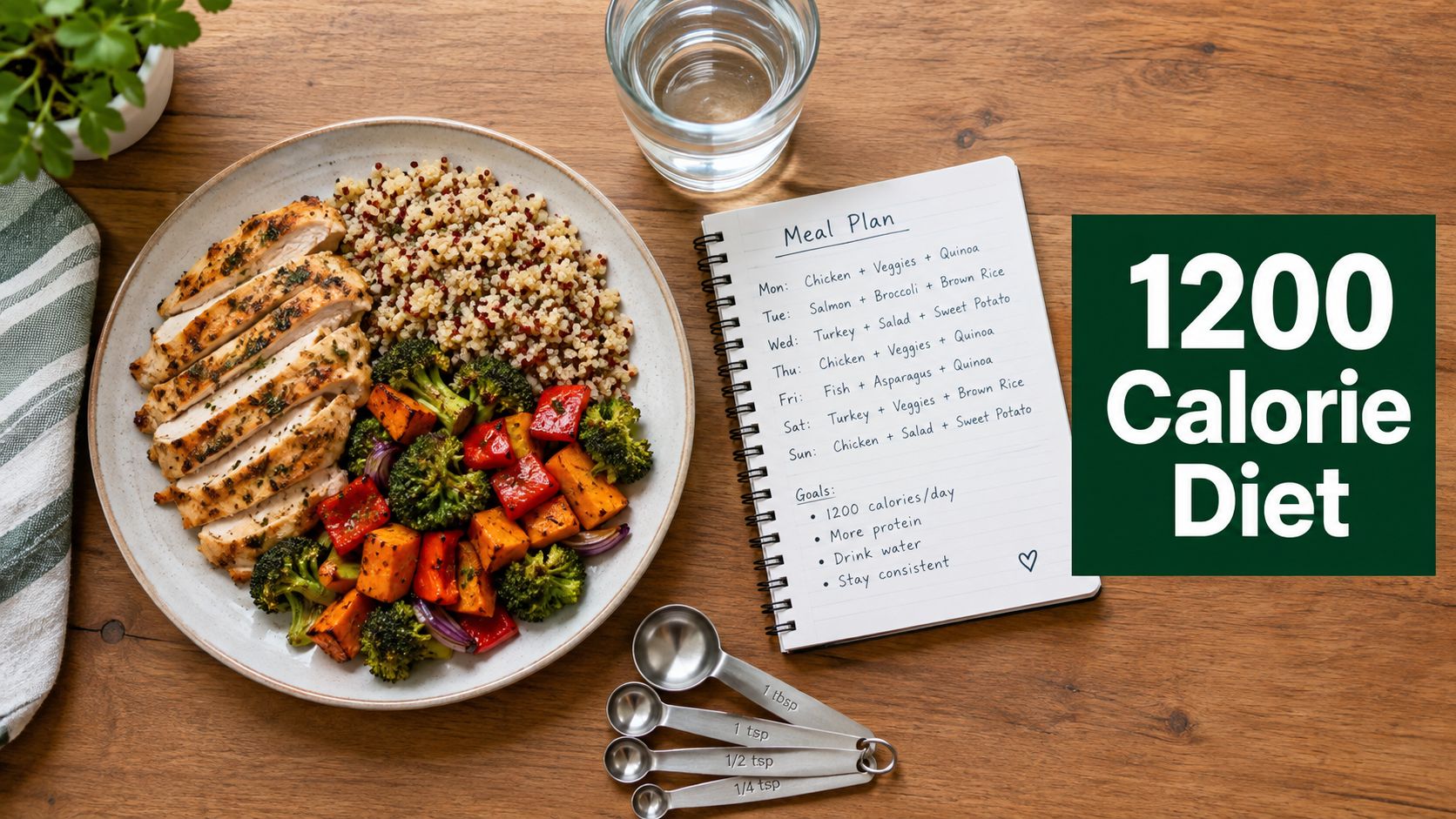
If you want a starting estimate, this calorie and macro calculator for weight loss planning gives you usable numbers to test and adjust.
Step two: set protein before you fine-tune carbs and fats
Protein is the anchor because it affects hunger, recovery, and muscle retention at the same time. That matters more after 40, when maintaining lean mass becomes a bigger part of keeping metabolism and body composition moving in the right direction.
A practical target is to center each main meal around a clear protein source and make breakfast count. Many women under-eat protein early, then try to catch up at dinner. That pattern usually leaves them hungrier during the day and less satisfied overall.
The high protein diet advantages are straightforward. Better fullness, better recovery, and a meal structure that is easier to stick with.
Coaching note: If hunger is high even though calories look reasonable, protein distribution across the day is often the first problem to fix.
Step three: let carbs and fats support the plan
After protein, carbs and fats are preference tools. They should match your appetite, food preferences, and training schedule.
Women doing strength training often feel and perform better with enough carbohydrates around workouts. Women who prefer bigger, slower-digesting meals may feel better with a bit more fat. Neither approach is automatically better. The right split is the one that keeps energy stable and makes your calorie target easier to hit without feeling chaotic.
| Priority | What to do |
|---|---|
| Calories | Set a moderate deficit you can sustain for several weeks |
| Protein | Build each main meal around a meaningful protein serving |
| Carbs and fats | Adjust based on training, appetite, and preference |
| Review point | Reassess after consistent tracking, not after two off-plan days |
This section matters because calories, protein, training, and recovery work as one system. If one piece is off, the whole plan gets harder to follow.
What Does a High-Protein Weekly Meal Plan Look Like
You do well all morning, grab something light for lunch, then hit 4 p.m. tired and hungry enough to pick at anything in sight. By dinner, the plan is gone. A good weekly meal plan fixes that pattern before willpower gets tested.
For women over 40, the goal is not to make every meal perfect. The goal is to make each day predictable enough that hunger stays manageable, protein stays high, and calories stay under control across the full week. That is what turns nutrition from a daily decision-making exercise into part of a working fat-loss system.

A sample day that fits the plan
A practical day of eating starts with meals that do some work for you. They need to keep you full, support training and recovery, and limit the urge to snack out of fatigue instead of hunger.
Breakfast
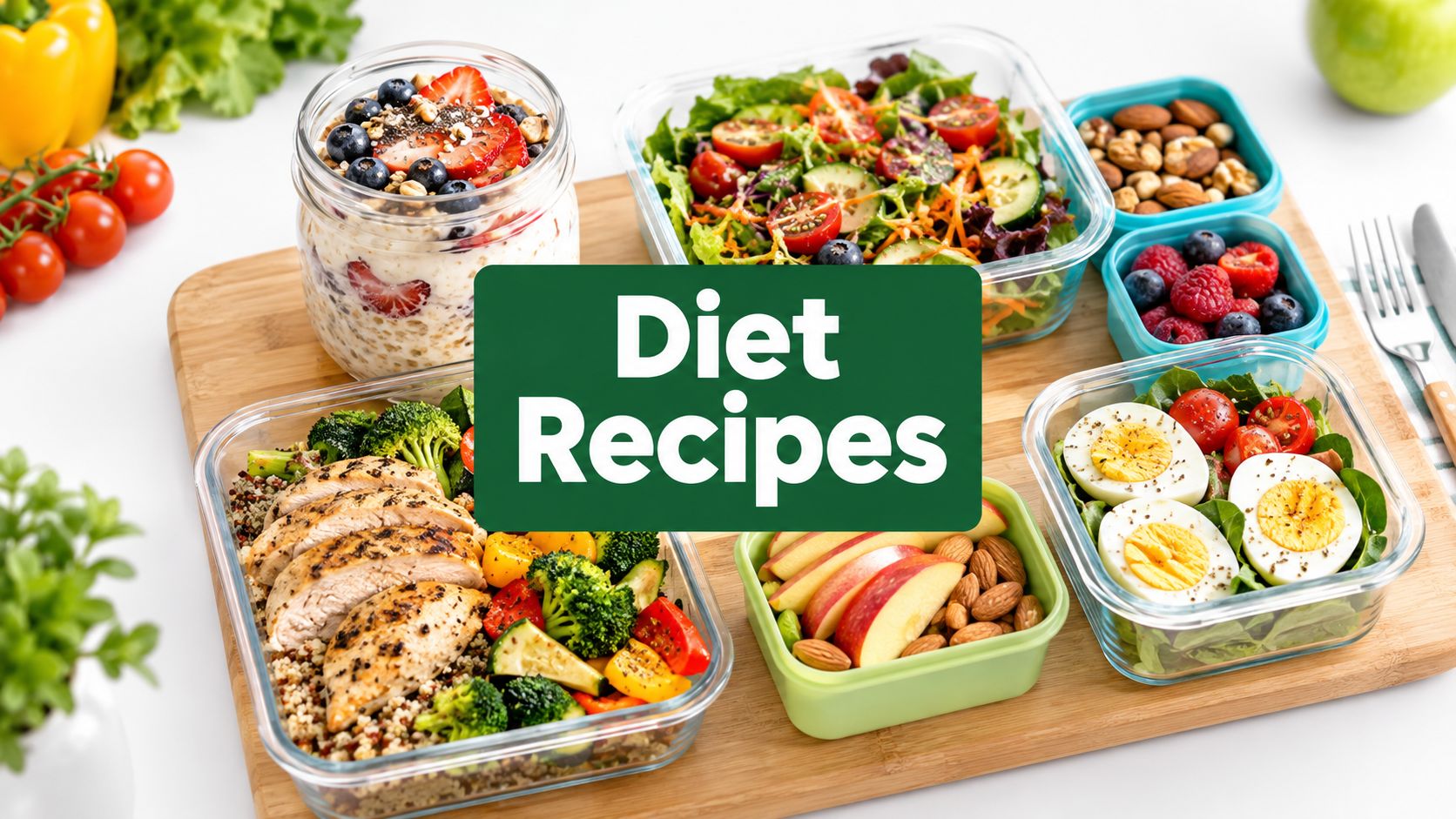
Greek yogurt, cottage cheese, or eggs with fruit and a fiber-rich carbohydrate such as oats or seeded toast. This gives you a solid protein start instead of a breakfast that digests fast and leaves you hungry two hours later.Lunch
A large salad bowl, soup-and-side combo, or grain bowl with chicken, fish, tofu, or beans, plus vegetables and a planned carbohydrate source. Lunch should be strong enough to carry you through the afternoon.Dinner
A protein-centered plate with vegetables and a sensible serving of potatoes, rice, pasta, or beans. Dinner works best when it feels normal and repeatable, not like punishment food.Snack if needed
Use one when there is a long gap between meals or training falls between them. Good options include yogurt, a protein shake, edamame, deli turkey, or apple slices with cottage cheese.
Meal timing matters less than meal structure
Women ask me all the time whether they need to eat at exact times to lose weight after 40. Usually, they do not. What matters more is whether their meals prevent the blood-sugar swings, rebound hunger, and evening overeating that derail adherence.
Three solid meals work well for many women. Others do better with three meals and one planned snack. The right pattern is the one you can repeat on workdays, busy family days, and weekends without feeling like you are constantly starting over.
For a plain-language explanation of why protein-heavy eating helps with fullness and body composition, this overview of high protein diet advantages is worth reading.
Build a week, not just a day
The women who get results rarely rely on variety for its own sake. They repeat a small set of breakfasts, rotate a few lunches, and keep dinners simple enough to make even on tired nights. That lowers friction and cuts down on last-minute choices that usually lead to takeout, grazing, or portions that drift upward.
Use a weekly template like this:
| Meal | Simple pattern |
|---|---|
| Breakfast | Protein base plus fruit or a fiber-rich carb |
| Lunch | Protein plus vegetables plus a planned carb |
| Dinner | Protein-centered plate with produce and a controlled starch |
| Snack | Optional, used to cover hunger, schedule, or training |
If you want ideas built around this style of eating, a high-protein meal plan can help you see how a full week comes together. And if you want to turn your own calorie and protein targets into an actual schedule, you can try the AI Meal Planner onboarding.
What Is the Most Effective Workout Plan for Fat Loss
You eat well all week, squeeze in a few cardio sessions, and still feel softer, weaker, and more tired than you did a year ago. That pattern is common after 40, and it usually comes down to one problem. The training plan is burning calories, but it is not giving your body a strong enough reason to keep muscle.
For women over 40, the most effective fat-loss workout plan is a repeatable system with strength training at the center, cardio in a supporting role, and daily movement tying the whole week together. That approach fits the goal. Lose fat while keeping the muscle, strength, and metabolic support you have.

Why strength training comes first
After 40, dieting without resistance training often leads to a worse trade-off than women expect. Body weight may drop, but so can strength, muscle, and energy. That is not the kind of progress most women want.
Strength training helps protect lean mass while you are in a calorie deficit. It also improves function, posture, bone loading, and insulin sensitivity. In practice, that means your plan works better and feels better.
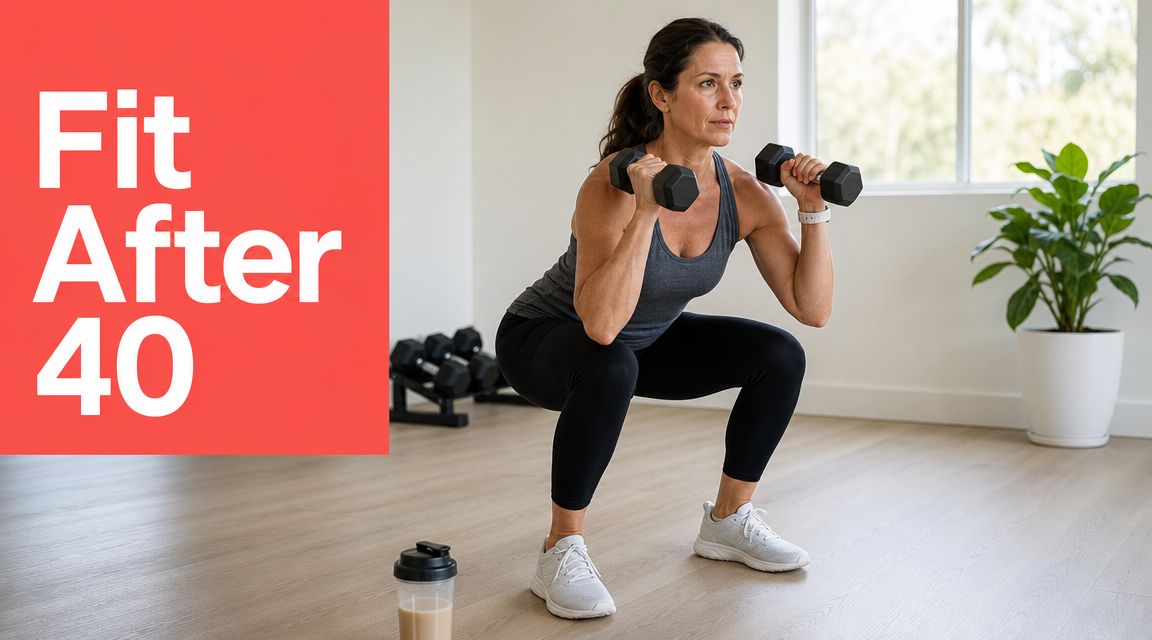
The best exercises are the ones that train several muscle groups at once and are easy to progress over time:
- Squats and squat variations for legs and glutes
- Hinges and deadlift patterns for the posterior chain
- Rows for the upper back and posture
- Push-ups or presses for chest, shoulders, and arms
- Loaded carries or core stability work for trunk strength
Machines, dumbbells, resistance bands, and bodyweight can all work. The method matters less than the structure. Each week should include the same core movement patterns, done with enough effort to improve.
A practical weekly structure
Most women do not need more workouts. They need a plan they can recover from and repeat.
A strong weekly setup often looks like this:
| Day type | Focus |
|---|---|
| Strength day 1 | Full-body resistance training |
| Strength day 2 | Full-body resistance training |
| Optional strength day 3 | Extra full-body or lower/upper emphasis |
| Cardio days | Moderate, sustainable sessions |
| Daily movement | Walking and general activity |
For many women I coach, two to four strength sessions per week is the right range. Two is enough to make progress. Three often works well if recovery, sleep, and schedule are stable. Four can be productive, but only if the sessions are programmed well and calories are not too low.
Cardio still matters. It supports heart health, work capacity, stress management, and total activity. But long, exhausting sessions are often overused, especially by women who already feel run down. A few moderate sessions plus regular walking usually work better than trying to force fat loss through volume alone.
A quick visual demonstration can help if you're rebuilding your routine:
The best workout plan after 40 leaves you stronger, more stable, and easier to recover week after week.
What actually stalls fat loss
The common problem is not effort. It is poor training design.
Three patterns show up again and again:
- Random workouts with no clear progression
- Too much cardio and too little resistance work
- Hard training combined with too little food, which drives fatigue, poor recovery, and missed sessions
If you are choosing between adding another long treadmill workout or completing a well-structured strength session, the strength session usually does more for body composition. Cardio helps the plan. It should not carry the whole plan.
How to Track Progress and Troubleshoot Plateaus
The scale gives useful information, but it doesn't tell the whole story. Women over 40 often improve body composition without seeing a perfectly smooth drop in weight week after week.
What matters is the trend and the context.
What to track besides body weight
Use several markers at once so you don't overreact to one reading.
- Body measurements help you catch fat loss even when scale changes are small
- Progress photos show changes in shape that numbers miss
- Clothing fit often reveals progress earlier than expected
- Workout performance tells you whether you're maintaining strength while dieting
- Routine consistency shows whether the plan is sustainable
Why plateaus happen
A plateau doesn't always mean your body has stopped responding. Sometimes it means adherence has drifted.
The highest-yield tactic for women over 40 is pairing a protein-forward meal structure with resistance training, and common failure points include skipping meals, especially breakfast, unstructured eating, and poor sleep, all of which increase hunger and reduce adherence, according to UC Davis weight-loss guidelines.
Plateau check: Before changing calories, check whether your structure has changed.
A troubleshooting checklist that actually helps
When progress stalls, review these first:
- Tighten food logging if portions have become more casual.
- Check protein intake across the day, especially at breakfast and lunch.
- Look at meal timing patterns and remove unplanned grazing.
- Protect sleep because poor sleep amplifies hunger and weakens decision-making.
- Add daily movement if formal exercise is in place but the rest of the day is sedentary.
Most plateaus are solved by better execution, not a harsher plan.
Frequently Asked Questions About Weight Loss After 40
Advice on meal timing is mixed. Some experts recommend smaller, more frequent meals, while others prefer three substantial meals to avoid grazing. The more consistent recommendation is to make each meal protein-rich, with some experts advising 30 to 45 grams of protein at breakfast for women over 40, as noted in WebMD's guidance on losing weight after 40.
| Question | Answer |
|---|---|
| Should women over 40 eat more often to lose weight? | Not necessarily. A meal pattern works when it reduces overeating and helps you stay consistent with protein and calories. |
| Is intermittent fasting the best option after 40? | It can help some women simplify eating, but it isn't required. If it leads to rebound hunger or grazing later, it isn't the best fit. |
| Do I need to cut carbs completely? | No. A better approach is to control portions and build meals around protein, vegetables, and structured carbohydrate choices. |
| Is cardio enough for fat loss after 40? | Cardio supports health, but it shouldn't be the foundation of your plan. Resistance training is more important for preserving muscle during weight loss. |
| What's the best breakfast for fat loss? | A breakfast with a strong protein base usually works best because it improves fullness and supports your daily protein target. |
| How fast should I expect to lose weight? | The healthier pace is gradual, not aggressive. Slow, sustainable progress is more likely to last. |
The best weight loss plan for women over 40 is the one you can repeat long enough for your body to respond. That usually means fewer extremes, more structure, and a stronger focus on muscle preservation than most diets ever mention.
If you want a simpler way to put this into practice, AI Meal Planner helps you build personalized weekly meal plans around your calorie goals, protein targets, preferences, and schedule. It turns the theory into actual breakfasts, lunches, dinners, snacks, and grocery lists so you can stay consistent without spending your week calculating everything by hand.
AI-powered nutrition
Get Your Personalized Meal Plan
AI creates the perfect meals for your goals, lifestyle, and taste.
Start Your Journej