The Ultimate 1500 Calorie Meal Plan for Weight Loss
A 1500 calorie meal plan is a strategic and effective approach to weight loss that, when designed correctly, creates a sustainable energy deficit without leaving you feeling deprived or constantly hungry. This guide will provide a comprehensive look into building a balanced 1500 calorie meal plan, complete with sample meals, expert tips, and actionable advice to help you achieve your health goals. It’s not about extreme restriction; it’s about fueling your body with nutrient-dense foods that support fat loss, boost energy, and build lasting healthy habits.
Whether you're just starting your weight loss journey or looking to break through a plateau, this framework provides the structure and clarity needed for success. We'll cover everything from the science of calorie deficits to practical meal prep strategies, ensuring you have all the tools to take control of your nutrition. Let’s dive into creating a plan that works for you.
Understanding the Science Behind a 1500 Calorie Meal Plan
To get the most out of a 1500 calorie meal plan, it's helpful to understand why this number works so well for weight loss. It’s not a random target pulled from thin air; it’s a strategic sweet spot grounded in the science of energy balance. At the heart of any weight management plan is a concept called Total Daily Energy Expenditure (TDEE). This is the total number of calories your body burns in a day, from keeping your heart beating to walking up the stairs and hitting the gym. For many women who aren't extremely active, TDEE often lands somewhere between 2,000 to 2,500 calories. A well-structured 1500 calorie diet creates a sensible and sustainable calorie deficit—usually around 500-750 calories a day—which is the gold standard for healthy, steady weight loss. You can dive deeper into these guidelines over at Healthline.com. This deficit encourages the body to use stored fat for energy, leading to gradual and sustainable fat loss over time.
The Calorie Deficit Explained
The core principle of fat loss is incredibly simple: consume fewer calories than your body uses. When you do this, your body has no choice but to tap into its fat stores for the extra energy it needs, leading to weight loss over time. You've likely heard of the "3,500 calorie rule," which says a deficit of 3,500 calories is needed to lose one pound of fat. So, a daily deficit of 500 calories should, in theory, result in exactly one pound of weight loss per week (500 calories x 7 days = 3,500 calories). While this is a great benchmark, real-world results are never quite that perfect. Things like metabolic adaptation, hormones, and even your gut health can influence how quickly you lose weight. Think of it as a solid starting point, but don't get discouraged if your progress isn't perfectly linear week to week. Consistency is more important than perfection.
Why Macros Matter More Than Just Calories
Just hitting 1,500 calories isn't the whole story. The quality of those calories is what keeps you feeling full, preserves lean muscle, and keeps your metabolism humming along. This is where macronutrients—protein, carbs, and fats—enter the picture. A smart 1500 calorie meal plan balances all three. Here’s a practical breakdown to aim for:
- Protein (25-30%): About 94-113 grams per day.
- Carbohydrates (40-50%): Around 150-188 grams daily.
- Fats (25-30%): Target 42-50 grams of healthy fats.
These numbers take the abstract science and turn it into a concrete game plan for your plate, ensuring you’re nourishing your body, not just starving it. Focusing on a balanced macronutrient profile is key to making this low-calorie eating plan sustainable and effective.
The Power of Protein in a Calorie Deficit
When you're eating fewer calories, protein becomes your most valuable player. Seriously. Hitting that 25-30% target is non-negotiable for a few key reasons. Protein is the most satiating macronutrient, which is just a fancy way of saying it keeps you feeling fuller for longer. This is an absolute game-changer for crushing hunger and cravings when you’re cutting back. Plus, getting enough protein helps protect your lean muscle mass. When you lose weight, you risk losing both fat and muscle. Prioritizing protein helps ensure the weight you’re shedding is primarily fat, which is crucial for keeping your metabolism fired up. If you're looking for ideas to hit these numbers, check out our guide to building a high-protein meal plan. By understanding this science, your 1500 calorie meal plan becomes a powerful, personalized tool.
Crafting Your Ideal 1500 Calorie Day
Turning the numbers of a 1500 calorie meal plan into a day of satisfying, delicious food is a lot easier than you might think. The real secret isn't about finding some magical food combination; it's about building a reliable structure that eliminates guesswork and keeps you from getting ravenously hungry. One of the most effective and flexible ways to do this is by splitting your calories across three main meals and one or two snacks. This strategy keeps your energy levels stable and prevents that deep, gnawing hunger that often leads to grabbing whatever is closest—and usually derails your plan. This approach transforms a diet plan for weight loss into a sustainable lifestyle. Think of this structure as a daily blueprint. It's clear enough to keep you on track but flexible enough to adapt to your schedule, workouts, and personal food preferences.
Building Your Daily Meal Blueprint
The classic "three meals plus snacks" model is popular for a reason—it's simple, sustainable, and incredibly easy to follow. You don't have to overthink it. This structure is a cornerstone of any effective diet plan for weight loss. Here’s a common way to break it down:
- Breakfast: Aim for around 400-500 calories.
- Lunch: Keep it in the 400-500 calorie range.
- Dinner: Another 400-500 calorie meal.
- Snacks: Use the remaining 100-300 calories to bridge the gaps between meals.
This framework ensures you’re consistently fueled throughout the day. It also allocates enough calories to each meal so you feel genuinely full and satisfied, which is absolutely critical for sticking with any plan long-term. This structure makes a daily 1500-calorie menu feel abundant rather than restrictive.
A Sample Day on 1500 Calories
So, what does this actually look like on a plate? Let's walk through a sample day. Remember, this isn't a rigid prescription, but an example of how balanced and tasty a 1500 calorie day can be. The table below gives you a clear picture of how you can distribute your calories and macros across the day with simple, satisfying meals.
| Meal | Example Dish | Approx. Calories | Protein (g) | Carbs (g) | Fat (g) |
|---|---|---|---|---|---|
| Breakfast | Greek Yogurt & Berry Bowl | 400 | 30g | 45g | 11g |
| Lunch | Chicken & Avocado Salad | 450 | 40g | 20g | 23g |
| Dinner | Hearty Lentil Soup | 450 | 25g | 60g | 12g |
| Snack | Apple with Almond Butter | 200 | 5g | 28g | 9g |
| Total | Full Day of Eating | 1500 | 100g | 153g | 55g |
As you can see, this day hits all the important marks. It’s high in protein to keep you full, loaded with fiber from the fruits and veggies, and includes healthy fats for steady, sustained energy. The best part? You can easily find thousands of similar recipes by exploring different meal plan options that fit your personal taste.
Mastering Portion Sizes Without a Scale
Let's be honest, weighing every single piece of food you eat gets old, fast. While a food scale is a fantastic tool when you're starting out, the long-term goal is to learn visual cues that free you from the kitchen counter. The goal is to build intuitive eating habits. Using your hand as a guide is a practical, go-anywhere tool that helps you estimate portion sizes accurately without needing any equipment. Here are a few easy hand-based guides to remember for this healthy eating plan:
- Protein: A portion of chicken, fish, or tofu is about the size of your palm (roughly 3-4 ounces).
- Carbohydrates: A serving of rice, quinoa, or pasta should fit into your cupped hand (about ½ cup).
- Vegetables: Go big here. Aim for a portion the size of your fist or even two (about 1 cup).
- Fats: A serving of oil, butter, or nuts is about the size of your thumb (roughly 1 tablespoon).
Using these simple visual tricks makes it easy to build a balanced plate whether you’re at home, grabbing lunch at a restaurant, or eating at a friend's house. This is a key skill for long-term weight management.
Your Complete 7-Day, 1500-Calorie Meal Plan
Okay, let's move from the blueprint of a single day to a full week of eating. This is where a 1500-calorie meal plan really starts to click and build momentum. Below is a practical, week-long menu that’s designed to be both simple and genuinely enjoyable. Each day is broken down into breakfast, lunch, and dinner, with some snack ideas thrown in. I've included calorie estimates to keep you on track without making you feel like you're chained to a calculator. Think of this as your guide to making healthy eating a consistent, manageable part of your life. This 7-day diet plan is your roadmap to success.
A Sample Week of Delicious Meals
Look at this 7-day plan as a flexible template, not a set of rigid rules. Life happens. Feel free to swap days or substitute meals based on what you're craving or what you have on hand. The real key is sticking to the calorie targets and focusing on whole, nutrient-dense foods.
- Day 1:
- Breakfast (≈400 cal): Oatmeal Power Bowl. Cook ½ cup of rolled oats with water or almond milk. Top it with ½ cup of mixed berries, 1 tbsp of chia seeds, and a scoop of your favorite protein powder.
- Lunch (≈450 cal): Quinoa Power Bowl. Combine 1 cup of cooked quinoa with ½ cup of black beans, ½ cup of corn, chopped bell peppers, and ¼ of an avocado. A simple lime-cilantro dressing ties it all together.
- Dinner (≈450 cal): Baked Tilapia & Veggies. Bake a 5 oz tilapia fillet with lemon and dill. Serve it alongside 1 cup of roasted asparagus and a small sweet potato.
- Snack (≈200 cal): A single-serving container of plain Greek yogurt with a handful of almonds.
- Day 2:
- Breakfast (≈380 cal): Veggie Omelet. Scramble 2 large eggs with a big handful of spinach, mushrooms, and onions. Serve it with one slice of whole-wheat toast.
- Lunch (≈470 cal): Leftover Baked Tilapia & Veggies.
- Dinner (≈450 cal): Turkey Chili. A hearty bowl of chili made with lean ground turkey, beans, tomatoes, and plenty of spices.
- Snack (≈200 cal): A crisp apple with 1 tbsp of natural peanut butter.
- Day 3:
- Breakfast (≈400 cal): Smoothie. Blend 1 scoop protein powder, 1 cup spinach, 1/2 banana, 1 tbsp almond butter, and 1 cup unsweetened almond milk.
- Lunch (≈450 cal): Leftover Turkey Chili.
- Dinner (≈450 cal): Sheet Pan Chicken and Veggies. Roast a 4 oz chicken breast with broccoli, bell peppers, and zucchini tossed in olive oil and herbs.
- Snack (≈200 cal): A hard-boiled egg and a handful of baby carrots.
- Day 4:
- Breakfast (≈400 cal): Greek Yogurt Parfait. Layer 1 cup plain Greek yogurt with 1/2 cup mixed berries and 2 tbsp of granola.
- Lunch (≈450 cal): Tuna Salad Lettuce Wraps. Mix one can of tuna with Greek yogurt, celery, and onion. Serve in large lettuce leaves.
- Dinner (≈450 cal): Lentil Soup. A large bowl of homemade lentil soup served with a slice of whole-grain bread.
- Snack (≈200 cal): A small handful of walnuts and a pear.
- Day 5:
- Breakfast (≈380 cal): Veggie Omelet. (Repeat of Day 2)
- Lunch (≈450 cal): Leftover Lentil Soup.
- Dinner (≈470 cal): Shrimp Stir-fry. Sauté 4 oz of shrimp with a mix of colorful vegetables like snap peas, carrots, and bell peppers in a light soy-ginger sauce. Serve with 1/2 cup of brown rice.
- Snack (≈200 cal): Cottage cheese with sliced peaches.
- Day 6:
- Breakfast (≈400 cal): Oatmeal Power Bowl. (Repeat of Day 1)
- Lunch (≈450 cal): Leftover Shrimp Stir-fry.
- Dinner (≈450 cal): Lean Beef Burger. A 4 oz lean beef patty on a whole-wheat bun with lettuce, tomato, onion, and a side salad.
- Snack (≈200 cal): An apple with 1 tbsp of natural peanut butter.
- Day 7:
- Breakfast (≈400 cal): Smoothie. (Repeat of Day 3)
- Lunch (≈450 cal): Chicken Salad. Use leftover chicken from Day 3 to make a salad with mixed greens, cucumber, tomatoes, and a light vinaigrette.
- Dinner (≈450 cal): Salmon and Asparagus. Bake a 4 oz salmon fillet with a side of roasted asparagus and a lemon wedge.
- Snack (≈200 cal): A single-serving container of plain Greek yogurt.
This weekly meal plan for weight loss is designed to be balanced and easy to follow.
Your Streamlined Grocery List Framework
To make shopping less of a chore, organize your list by category. This trick stops you from running back and forth across the store and helps you stick to your plan without impulse buys. A well-organized shopping list is essential for any low-calorie diet plan.
- Lean Proteins: Chicken breast, lean ground turkey, tilapia, salmon, shrimp, eggs, plain Greek yogurt, tuna
- Fresh Vegetables: Leafy greens (spinach, mixed lettuce), asparagus, broccoli, bell peppers, onions, mushrooms, avocado, carrots, celery, zucchini
- Fruits: Mixed berries (fresh or frozen), apples, bananas, peaches, pears
- Whole Grains & Starches: Rolled oats, quinoa, brown rice, sweet potatoes, whole-wheat bread/buns
- Healthy Fats & Pantry Staples: Olive oil, chia seeds, almonds, walnuts, natural peanut butter, canned tomatoes, lentils, beans, soy sauce, herbs, spices
Smart Meal Prep Strategies for Lasting Success
Having a perfect 1500 calorie meal plan on paper is the easy part. Actually sticking to it when life gets hectic? That’s a different story. This is where smart meal prep becomes your secret weapon, turning your goals into reality by making the healthy choice the easy choice. Think about it: after a long day, decision fatigue is real. The temptation to grab takeout is high. Meal prep short-circuits that entire struggle. By dedicating just a couple of hours each week, you create a system that makes hitting your health goals feel almost effortless. This is a crucial step in any weight loss meal plan for women and men alike.
Choosing Your Meal Prep Method
Not all meal prep is the same, and the best method is simply the one you’ll actually stick with. It usually boils down to two popular approaches: Batch Cooking and Grab-and-Go. A good way to decide is to ask yourself: do I crave variety, or do I live for efficiency?
- Batch Cooking: This is for anyone who gets bored eating the same thing every day. You cook staple ingredients in bulk—a big pot of quinoa, a sheet pan of roasted veggies, a few grilled chicken breasts. Then, you mix and match these building blocks throughout the week to create different meals on the fly.
- Grab-and-Go: This method is peak efficiency. You assemble entire, perfectly portioned meals into individual containers. Breakfast, lunch, dinner—it’s all ready to be heated and eaten. This is a lifesaver for anyone with a packed schedule who needs zero-thought meals during the week.
Your Two-Hour Sunday Meal Prep Session
You’d be amazed what you can accomplish in two hours. The trick is to have a plan of attack before you even step into the kitchen. Here's a simple flow to get it all done in 120 minutes:
- Preheat & Chop (20 mins): First thing, get that oven preheating to 400°F (200°C). While it’s heating up, wash and chop all your vegetables for the week.
- Get Roasting (40 mins): Toss your chopped veggies and any starches like sweet potatoes with a little olive oil and seasoning. Spread them on baking sheets and slide them into the oven.
- Cook Grains & Proteins (30 mins): With the veggies roasting, get your grains (like quinoa or brown rice) going on the stovetop. At the same time, you can grill, bake, or pan-sear your protein.
- Assemble & Store (30 mins): Once everything is cooked and has cooled down a bit, it’s time to assemble. Portion out your grab-and-go containers or store your batch-cooked ingredients in airtight containers.
By overlapping tasks, you turn a daunting chore into a streamlined, productive process. This is how you make a 1500 calorie meal plan work in the real world.
Essential Storage and Tools
You don't need a pro kitchen, but the right tools will make your life so much easier.
- Airtight Glass Containers: They don't stain or hold odors and are great for reheating.
- Sheet Pans: Essential for roasting large batches of vegetables or proteins.
- A Good Chef's Knife: Makes chopping faster and safer.
- Food Scale: Crucial for ensuring your portions are spot-on, especially when starting a 1500 calorie diet.
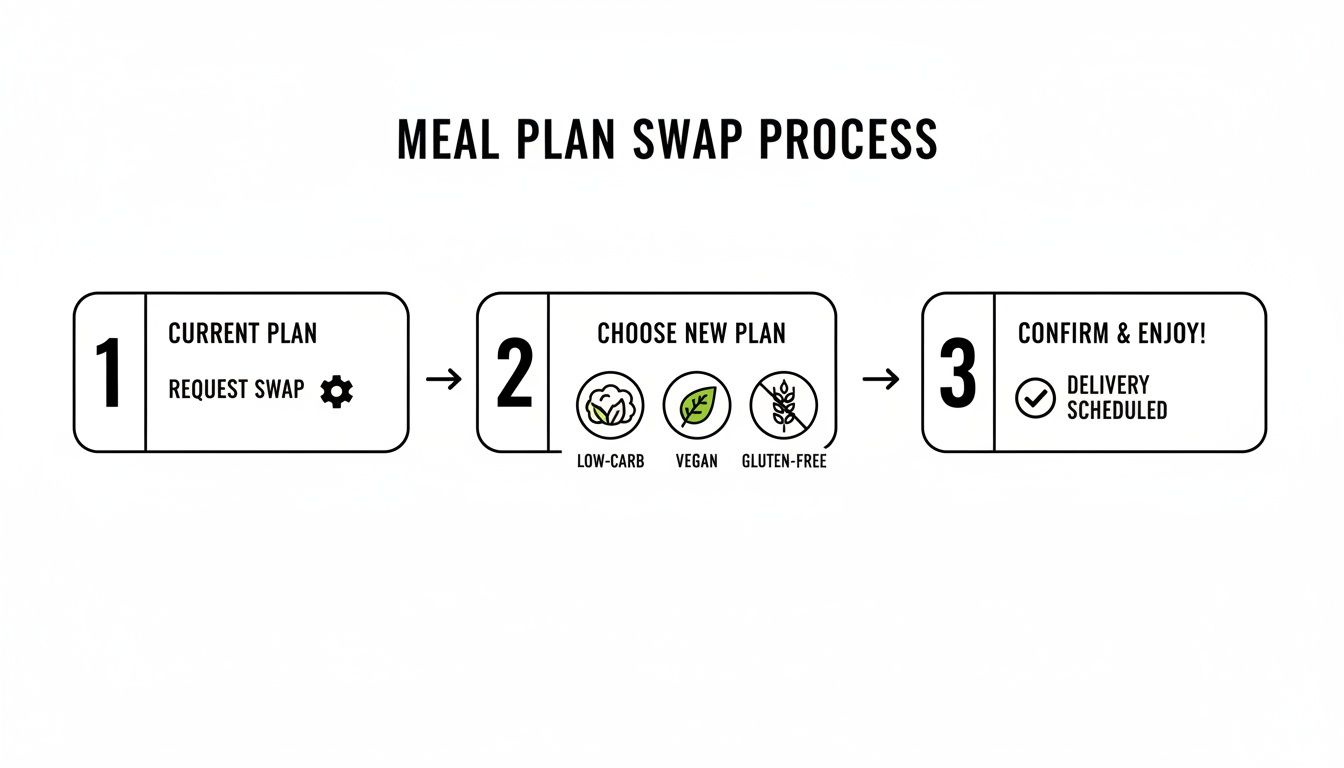
This shows that dietary tweaks for things like low-carb, vegan, or gluten-free don't have to be complicated; it’s all about making smart substitutions. A tool can make this even easier—when you create your meal plan, it automatically generates a shopping list designed to use ingredients across multiple recipes, minimizing waste from the start.
Beyond the Scale: Health Benefits of a Balanced Diet
Focusing on a 1500 calorie meal plan isn't just about chasing a number on the scale. While weight loss is often the main draw, this approach is a fantastic opportunity to build a healthier, more intentional relationship with food—one that unlocks real, long-term health benefits you can actually feel. When you start prioritizing nutrient-dense whole foods, you're doing more than just managing calories. You're actively nourishing your body. This shift from restriction to empowerment can have a huge impact on your well-being, from keeping your energy levels steady all day to improving your mood and even reducing inflammation. This healthy diet plan is a gateway to overall wellness.
Improving Your Cardiometabolic Health
One of the biggest wins from a well-structured 1500 calorie meal plan is the direct improvement to your cardiometabolic health. These are the behind-the-scenes metrics—blood pressure, cholesterol, and blood sugar—that paint the true picture of your heart health and risk for chronic disease. Even moderate calorie restriction is strongly tied to better cardiovascular health. The research is clear: this approach can lead to a significant drop in blood pressure, a critical factor for your long-term wellness. A balanced, lower-calorie diet can cut cholesterol by more than 20% and improve blood sugar control. These are measurable wins that directly support heart health and reduce the risk of type 2 diabetes.
Better Blood Sugar Control and Energy
If you're tired of afternoon slumps and nagging cravings, stable blood sugar is your ticket to consistent energy and sharper focus. A meal plan built on whole foods helps you dodge the dramatic spikes and crashes that come with processed carbs and sugary snacks.
| Nutrient | How It Helps Stabilize Blood Sugar |
|---|---|
| Fiber-rich foods | Slows sugar absorption, providing steady energy. |
| Lean protein | Promotes satiety and prevents sharp glucose spikes. |
| Healthy fats | Slows digestion, contributing to sustained energy release. |
Once your blood sugar is stable, you’ll notice a huge difference. Those 3 p.m. slumps that used to send you running for a candy bar will become a thing of the past. This is about so much more than weight loss; it’s about optimizing how you feel and perform every single day. This is a key benefit of a balanced nutrition plan.
It's fascinating to see how our food environment has changed. Back in the 1960s, the average global calorie supply per person was just around 2,200 kcal daily. Fast forward to today, and that number has soared to over 2,900 kcal, a major factor in rising obesity rates, which now impact 42% of US adults. A 1500-calorie meal plan is a practical response to this reality. You can dig into historical food supply trends over at Our World in Data. This kind of diet has been shown to help people lose 5-10% of their body weight in six months while also dropping "bad" LDL cholesterol by 10-15% and improving glucose control, as highlighted in Wellhub's analysis of low-calorie diets.
Frequently Asked Questions (FAQ)
Starting any new way of eating brings up a lot of questions. It's totally normal. Let's tackle some of the most common ones that pop up when people first dive into a 1500 calorie meal plan, so you can feel confident and ready to go.
1. Is 1500 calories enough for weight loss?
For many people, yes. A 1500 calorie diet typically creates a calorie deficit for most sedentary to lightly active women, leading to weight loss of about one pound per week. However, calorie needs vary based on age, sex, activity level, and body size. It may be too low for active individuals or men, who generally have higher energy requirements.
2. How can I manage hunger on a low-calorie diet?
The key is to focus on nutrient-dense, high-satiety foods. Prioritize lean protein, high-fiber vegetables, and healthy fats at every meal. Drinking plenty of water is also crucial, as thirst is often mistaken for hunger. Structuring your day with three balanced meals and one or two snacks can help keep hunger at bay.
3. Can I build muscle on a 1500 calorie meal plan?
Building significant muscle mass is challenging in a calorie deficit, as muscle growth is an energy-intensive process. However, by consuming adequate protein (around 25-30% of your calories) and incorporating resistance training, you can preserve—and sometimes even build—lean muscle mass while losing fat.
4. What should I do if I hit a weight loss plateau?
First, don't panic. Plateaus are a normal part of weight loss. Re-evaluate your food tracking to ensure accuracy—small, untracked bites can add up. You can also try increasing your physical activity, changing your workout routine, or making small adjustments to your diet, like slightly increasing protein. Sometimes, exploring different dietary strategies like those in our guide on low-carb meal plans can help break through a stalemate.
5. Is it okay to have a cheat meal?
Incorporating a planned "cheat meal" or a more flexible meal once a week can actually help with long-term adherence by preventing feelings of deprivation. The key is to plan for it and get right back on track with your next meal. One higher-calorie meal won't undo a week of consistent effort.
Conclusion: Start Your Journey Today
Embarking on a 1500 calorie meal plan is a powerful step towards achieving sustainable weight loss and improving your overall health. By focusing on nutrient-dense foods, balanced macronutrients, and smart meal prep, you can create a satisfying and effective eating plan that doesn't feel restrictive. Remember, the goal is not just to lose weight but to build lasting habits that support a healthier lifestyle for years to come. This guide has provided you with the foundational knowledge, a sample 7-day plan, and practical strategies to get started with confidence. The key to success is consistency, flexibility, and listening to your body's needs.
Ready to take the guesswork out of meal planning and receive a personalized plan tailored to your specific goals and preferences? Don't wait to start your transformation. Take the first step on your health journey and create your meal plan with us today.
AI-powered nutrition
Get Your Personalized Meal Plan
AI creates the perfect meals for your goals, lifestyle, and taste.
Start Your Journej