What are the best gluten free meal prep ideas?
The best gluten-free meal prep ideas include batch-cooking proteins and vegetables for mix-and-match bowls, preparing no-cook grab-and-go breakfasts like overnight oats, and making freezer-friendly one-pot meals such as stews or curries. These three methods save significant time, reduce daily cooking stress, and ensure you have healthy, gluten-free options available all week.
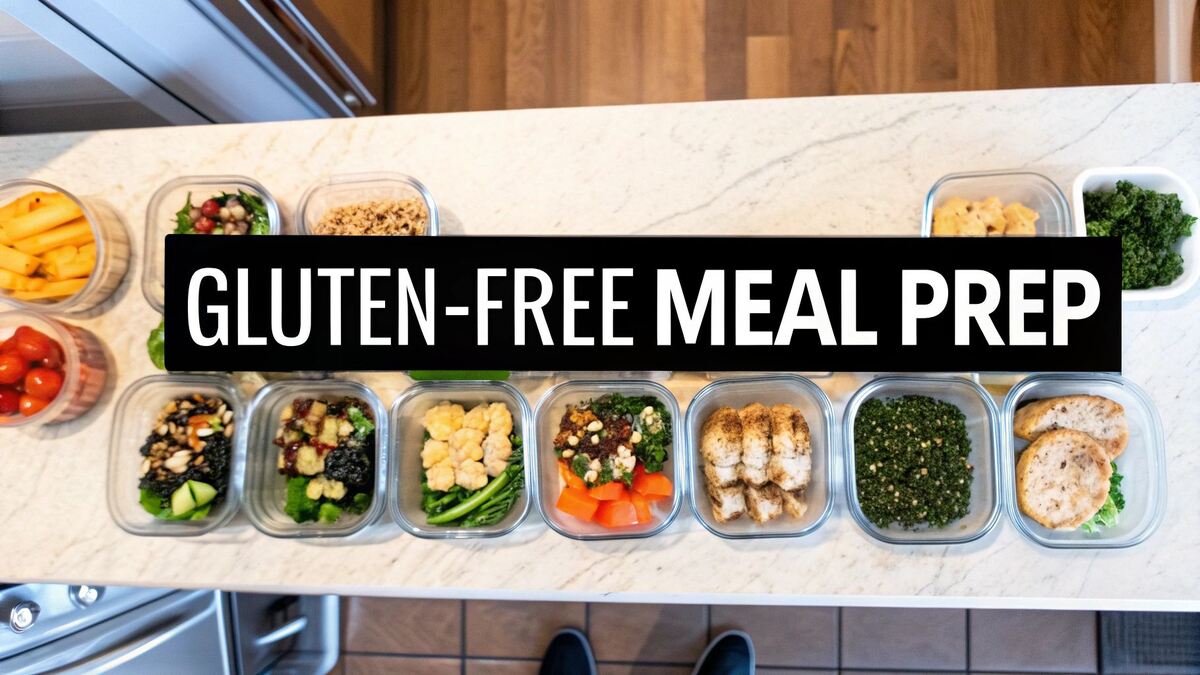
Streamlining your weekly meals while adhering to a gluten-free diet is entirely achievable with a strategic approach to meal prep. This guide provides a comprehensive collection of over ten distinct gluten-free meal prep ideas, complete with detailed instructions and adaptable variations to save you time, reduce stress, and eliminate last-minute meal decisions. We will explore everything from batch-cooked protein bowls and vibrant grain-based salads to convenient sheet pan dinners and grab-and-go breakfasts.
This resource is designed to be highly practical, moving beyond generic advice to offer actionable blueprints for your kitchen. Each idea is structured to provide clarity and efficiency, including specific details like prep times, serving sizes, and estimated macronutrient profiles. You will also find essential tips for proper storage and reheating to ensure your food remains fresh and delicious throughout the week.
Furthermore, we recognize that a gluten-free lifestyle often intersects with other dietary goals and preferences. To support this, every meal prep concept includes specific, easy-to-implement variations tailored for weight loss, muscle gain, and fully vegan diets. Whether you're a busy professional, a fitness enthusiast tracking macros, or a home cook looking to simplify grocery shopping and kitchen time, these gluten-free meal prep ideas provide the framework you need for a week of healthy, satisfying, and pre-planned meals. The goal is to empower you with a versatile toolkit of recipes and strategies that make consistent, healthy eating feel effortless.
How can I batch-cook proteins and vegetables?
Batch-cooked protein and vegetable bowls are a cornerstone of efficient gluten-free meal prep, offering maximum variety with minimal repetitive cooking. This method involves preparing large quantities of individual components, like proteins and vegetables, and then assembling them into different meal combinations throughout the week. Instead of making five identical chicken and rice bowls, you create a flexible "food bank" in your fridge to build customized meals in minutes. This approach is perfect for busy professionals and fitness enthusiasts who need consistent, macro-friendly meals without eating the exact same thing every day.
How does this method work?
The core principle is to separate the cooking process from the assembly process. On your prep day (typically Sunday), you cook 2-3 types of protein (e.g., grilled chicken breast, baked salmon, ground turkey) and several trays of roasted vegetables (e.g., broccoli, bell peppers, sweet potatoes). You also prepare a gluten-free grain or base, like quinoa or brown rice. Store each component in its own large container.
Each day, you simply scoop your desired portions into a bowl, creating a fresh combination. For example:
- Monday: Grilled chicken + roasted broccoli + quinoa.
- Wednesday: Grilled chicken + roasted bell peppers + sweet potato chunks.
- Friday: Baked salmon + roasted broccoli + quinoa.
Actionable tips for success
To get the most out of this gluten-free meal prep idea, follow these key strategies:
- Separate Storage is Key: Always store proteins, vegetables, and grains in separate airtight containers. This prevents sogginess and keeps each component fresh for up to five days.
- Season Components, Not the Bowl: Season your proteins and vegetables generously during cooking. Wait to add sauces or dressings until you assemble your meal to prevent ingredients from becoming watery.
- Plan Your Pairings: While the method is flexible, having a rough idea of your weekly combinations helps with grocery shopping and ensures a balanced intake of nutrients.
- Use Your Oven Wisely: Roast multiple trays of different vegetables at the same temperature to save time and energy. You can often cook a protein like salmon on another rack simultaneously.
What are some good make-ahead gluten-free lunches?
Gluten-free grain and legume salads are a perfect make-ahead lunch solution, offering a complete and satisfying meal that requires no reheating. This method involves combining hearty, naturally gluten-free grains like quinoa or millet with protein-rich legumes such as chickpeas or lentils. Mixed with fresh vegetables and a flavorful vinaigrette, these salads are designed to be eaten cold, making them ideal for office lunches or on-the-go meals. They are a fantastic meal prep idea for anyone seeking a nutrient-dense, plant-forward option that stays fresh and delicious for several days.
How does this method work?
The strategy is to build a robust salad base that won't wilt or become soggy after a day or two in the fridge. You start by cooking a gluten-free grain and a legume, letting them cool completely. These are then tossed with sturdy, chopped vegetables like cucumbers, bell peppers, and red onions. A vibrant, acid-based dressing is mixed in to marinate and tenderize the components, enhancing their flavor over time.
You can create different flavor profiles each week with simple swaps:
- Mediterranean Quinoa Salad: Combine quinoa, chickpeas, cucumber, tomatoes, and a lemon-herb vinaigrette.
- Lentil Power Salad: Mix cooked green or brown lentils with shredded carrots, red onion, and a zesty tahini dressing.
- Southwestern Millet Salad: Use millet as a base with black beans, corn, bell peppers, and a cilantro-lime dressing.
Actionable tips for success
To ensure your gluten-free grain salads are crisp and flavorful all week, follow these practical tips:
- Store Dressing Separately for Longevity: If you plan to eat the salads beyond day three, store the dressing in a separate container and add it just before serving to maintain maximum freshness.
- Toast Your Grains: For a deeper, nuttier flavor, toast grains like quinoa or millet in a dry pan for a few minutes before cooking them in water or broth.
- Hold the Delicate Greens: Add tender greens like spinach or arugula on the day you plan to eat the salad. Mixing them in during prep will result in a wilted texture.
- Use Acid-Based Vinaigrettes: Dressings with a vinegar or citrus base help preserve the vegetables and keep them crisp, unlike creamy dressings which can cause sogginess.
- Add Crunch Last Minute: To maintain their texture, add crunchy elements like nuts, seeds, or gluten-free croutons right before you eat.
Which meal prep method is best for freezer meals?
Slow cooker and Instant Pot meals are a game-changer for hands-off gluten-free meal prep, allowing you to create large batches of hearty, nutritious dinners with minimal active cooking time. This "set it and forget it" method is perfect for preparing flavorful stews, curries, and chilis that are often naturally gluten-free. By portioning and freezing these one-pot creations, you can build a library of ready-to-heat meals, saving you from the dinner rush on busy weeknights and ensuring you always have a healthy option available.
How does this method work?
The concept centers on using a slow cooker or pressure cooker (like an Instant Pot) to combine proteins, vegetables, and gluten-free liquids into a single pot that cooks over several hours or in a fraction of the time. On your prep day, you simply add all your ingredients, set the timer, and let the appliance do the work. Once cooked, the meal is cooled, portioned into individual freezer-safe containers, and stored for future use.
This is one of the most efficient gluten free meal prep ideas for long-term planning:
- Week 1: Enjoy a portion of freshly made Thai Red Curry. Freeze the remaining 5-7 portions.
- Week 3: Thaw a portion of the curry for a quick, effortless dinner.
- Week 5: Pull out a serving of the Beef Stew you made a month prior.
Actionable tips for success
To maximize the flavor and longevity of your one-pot gluten-free meals, follow these strategies:
- Brown Your Meat First: Searing beef, chicken, or pork in the pot before adding liquids creates a deep, rich flavor base through the Maillard reaction. This simple step elevates a good stew to a great one.
- Layer Your Ingredients: Place firm root vegetables like potatoes and carrots at the bottom, closer to the heat source. Place your protein on top, followed by more delicate ingredients.
- Add Greens at the End: To prevent delicate vegetables like spinach, kale, or broccoli from becoming mushy, stir them in during the last 20-30 minutes of slow cooking or after pressure cooking is complete.
- Cool Completely Before Freezing: Let the meal cool to room temperature before portioning and freezing. This prevents ice crystals from forming, which can ruin the texture upon reheating. Always label containers with the meal name and date.
What can I meal prep for a high-protein gluten-free breakfast?
Egg-based dishes are a fantastic solution for gluten-free breakfast meal prep, offering a high-protein, nutrient-dense start to your day that can be prepared in large batches. This method involves creating dishes like frittatas, baked egg muffins, or portioned scrambles that are easy to grab and reheat. Instead of cooking eggs every morning, you can dedicate one prep session to create a week's worth of breakfasts. This approach is ideal for busy professionals and fitness enthusiasts who need a quick, satisfying, and naturally gluten-free meal to fuel their mornings without the daily hassle.
How does this method work?
The principle behind this meal prep idea is to bake or cook egg-based meals in formats that are easy to portion and store. On your meal prep day, you combine eggs with your choice of vegetables, cheeses, and proteins, then bake them in a large dish (for a frittata) or individual muffin tins (for egg cups). Once cooled, these can be divided into single servings and stored in the fridge or freezer.
Here’s how you can apply this throughout the week:
- Monday: Two spinach and feta egg muffins with a side of fruit.
- Wednesday: A slice of a pre-made vegetable frittata, microwaved for 60 seconds.
- Friday: A portioned container of turkey sausage and vegetable scramble, reheated quickly.
Actionable tips for success
To master your gluten-free egg-based meal prep, consider these essential strategies:
- Pre-Cook Your Veggies: Sauté or roast vegetables like mushrooms, onions, and bell peppers before adding them to your egg mixture. This removes excess moisture and prevents a watery final product.
- Use Silicone Liners: When making egg muffins, use silicone liners or grease your muffin tin generously. This ensures the muffins release easily without sticking or falling apart.
- Cool Completely Before Storing: Allow frittatas and egg muffins to cool completely on a wire rack before you slice and store them. This helps them set properly and prevents them from breaking.
- Layer with Parchment Paper: To prevent sticking, place a small square of parchment paper between stacked frittata slices or layers of egg muffins in your airtight container. Many of these high-protein, low-carb breakfast ideas align with ketogenic principles.
How do I make my meal prep less boring?
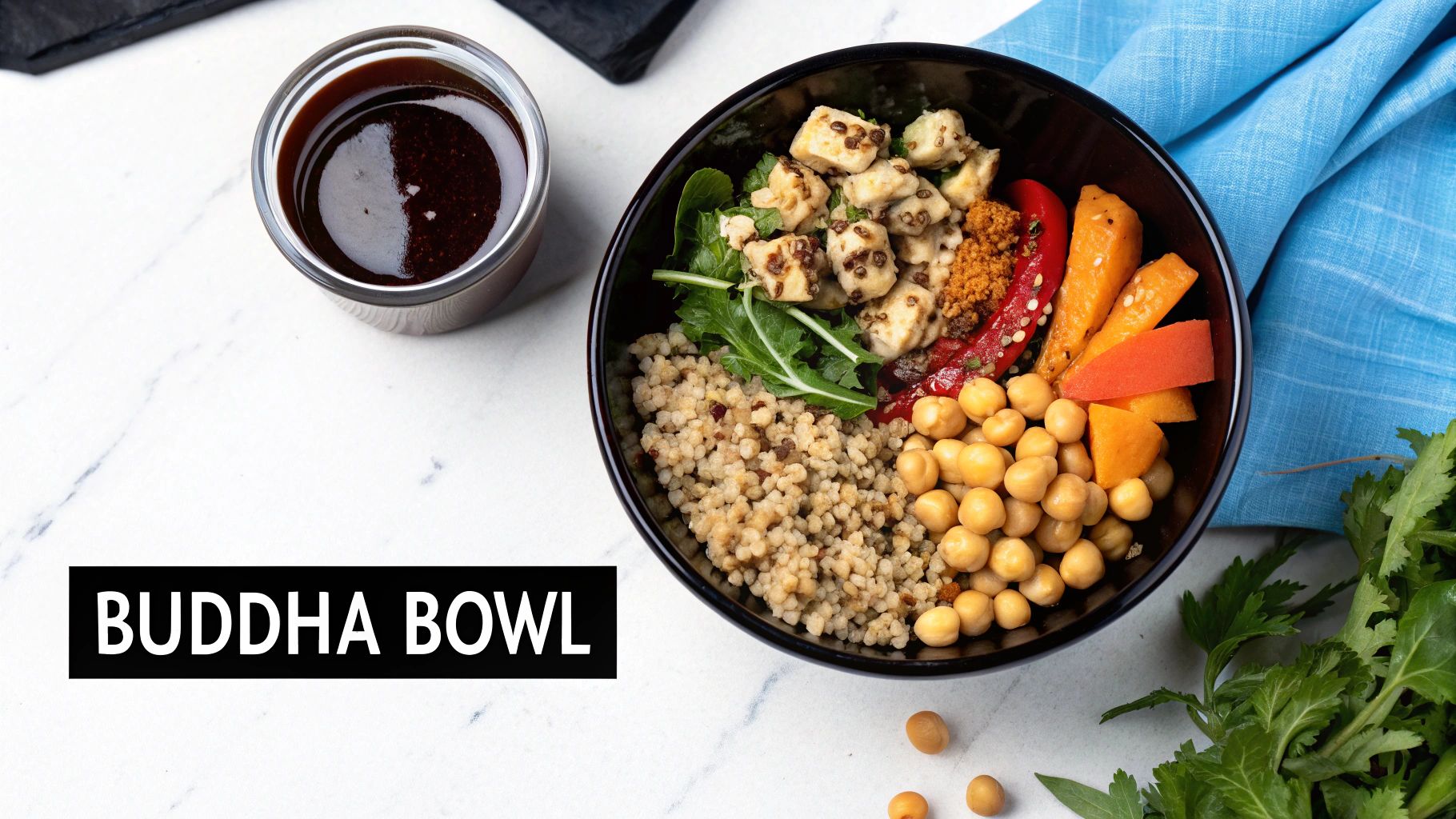
Vegetable-forward Buddha bowls are a vibrant and nutrient-dense meal prep strategy focused on plant-based whole foods. This method prioritizes a high volume of vegetables, typically making up at least 50% of the bowl, with the remaining half divided between a gluten-free grain and a lean protein. The key to preventing meal fatigue lies in preparing several distinct, flavorful sauces at the beginning of the week, allowing you to completely change the taste profile of a similar base with minimal effort. This approach is perfect for health-conscious individuals who want to increase their vegetable intake without getting bored.
How does this method work?
The core principle is variety through sauces. Your prep day involves creating a "bowl bar" of components: roasted and raw vegetables, a cooked gluten-free grain (like quinoa or millet), and a protein (like chickpeas or shredded chicken). You also prepare 2-3 different sauces, such as a creamy tahini dressing, a spicy peanut sauce, and a zesty cilantro-lime vinaigrette. Each is stored in a separate, airtight container.
Each day, you assemble a bowl and choose a different sauce to create a new culinary experience. For example:
- Monday: Quinoa + roasted chickpeas + cucumber + tomato + creamy tahini sauce.
- Wednesday: Quinoa + shredded chicken + shredded carrots + edamame + spicy peanut sauce.
- Friday: Quinoa + black beans + roasted peppers + corn salsa + cilantro-lime vinaigrette.
Actionable tips for success
To master this gluten-free meal prep idea, focus on texture, freshness, and smart storage:
- Sauce is Boss: Prepare sauces in glass jars with tight-sealing lids; they can last up to a week. A good sauce transforms simple ingredients into a gourmet meal.
- Strategic Layering: When packing your bowl, place hearty grains and proteins at the bottom, followed by sturdy vegetables, and finish with delicate greens on top to prevent wilting.
- Pack Dressing Separately: Always store your sauce in a small, separate container. Add and toss it just before eating to keep everything crisp and fresh.
- Add Crunch Last: Toasted nuts, seeds, or gluten-free croutons provide essential texture. Pack them separately and sprinkle them on top right before you eat. For more plant-centric meal ideas, you can explore additional vegetarian meal plans.
Are there any good gluten-free casserole ideas?
Gluten-free pasta bakes are a fantastic meal prep solution for those seeking comforting, hearty, and easy-to-reheat meals. This method involves assembling large casseroles with gluten-free pasta, proteins, vegetables, and sauce, then baking and portioning it for the week. Unlike methods that require daily assembly, a pasta bake is a "cook once, eat all week" powerhouse. This approach is ideal for busy families and individuals who appreciate a filling, oven-ready meal that holds up perfectly when stored and reheated.
How does this method work?
The process focuses on creating a single, large-batch dish that can be divided into multiple servings. On your prep day, you cook your gluten-free pasta, prepare your protein and vegetables, and mix everything with a sauce in a large baking dish. After baking, you let it cool completely before portioning it into individual containers for the refrigerator or freezer.
This method allows for delicious, integrated flavors in every bite. Some popular combinations include:
- Gluten-Free Baked Ziti: GF pasta with ground turkey, marinara, and ricotta layers.
- Creamy Spinach & Chicken Casserole: GF penne, cooked chicken, spinach, and a simple GF béchamel sauce.
- Roasted Vegetable Lasagna: GF lasagna sheets layered with roasted zucchini, eggplant, tomato sauce, and mozzarella.
Actionable tips for success
To master gluten-free pasta bake meal prep, keep these strategies in mind:
- Slightly Undercook the Pasta: Boil your gluten-free pasta for 1-2 minutes less than the package directions. It will absorb moisture from the sauce and finish cooking in the oven, preventing a mushy texture.
- Use Less Sauce: Use about 20-30% less sauce than you normally would for a freshly served pasta dish. This prevents the casserole from becoming watery upon reheating.
- Cool Completely Before Storing: Let the casserole cool to room temperature before covering and refrigerating. This crucial step minimizes condensation, which is the primary cause of sogginess.
- Reheat for Best Results: For oven reheating, cover with foil and bake at 350°F (175°C) for 20-25 minutes, then uncover for the last 5 minutes to crisp the top. This provides much better results than microwaving.
What's the fastest way to prep gluten-free breakfasts?
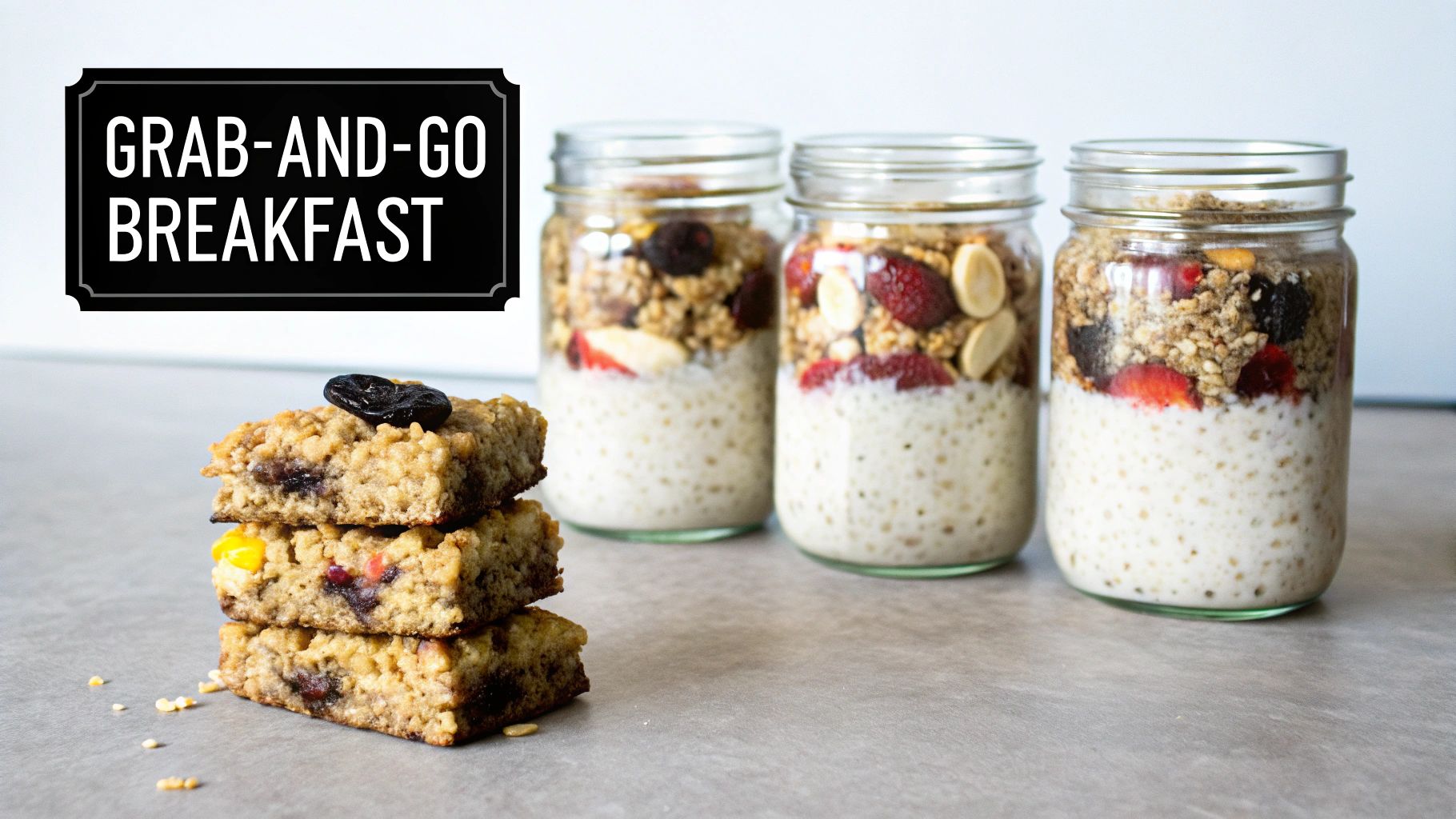
Grab-and-go gluten-free breakfasts are pre-portioned, no-cook, or batch-baked solutions designed for busy mornings. This method involves preparing items like overnight oats, chia puddings, or baked bars ahead of time, creating single-serving breakfasts ready to eat with zero morning effort. Instead of skipping breakfast or reaching for processed options, you have a nutrient-dense, macro-friendly meal waiting in the fridge. This approach is perfect for busy professionals, parents, and fitness enthusiasts who need a portable, satisfying, and quick start to their day.
How does this method work?
The principle is to dedicate a small amount of prep time to create a week's worth of breakfasts. For no-cook options like overnight oats or chia pudding, you combine certified gluten-free oats or chia seeds with a liquid (like almond milk), a protein source (Greek yogurt or protein powder), and flavorings in individual jars. For baked options, you mix ingredients for bars or muffins and bake them in one large batch.
Each morning, you just grab a jar or a bar from the fridge, making it one of the most efficient gluten free meal prep ideas for hectic schedules. Examples include:
- Chocolate Peanut Butter Overnight Oats: GF oats, almond milk, peanut butter, cocoa powder, and chia seeds layered in a jar.
- Berry Chia Seed Pudding: Chia seeds, coconut milk, vanilla extract, and mixed berries combined and chilled.
- Almond Flour Breakfast Bars: A baked mixture of almond flour, eggs, maple syrup, and chopped nuts.
Actionable tips for success
To master your grab-and-go gluten-free breakfasts, implement these key strategies:
- Use Mason Jars: A 16-ounce mason jar provides the perfect ratio of liquid to solids for overnight oats and chia pudding, preventing a soupy or dry texture.
- Layer Smartly: When making jars, place wet ingredients like yogurt or fruit puree at the bottom, followed by oats and liquids. Add crunchy toppings like nuts or granola just before serving to maintain texture.
- Freeze Baked Goods: Batch-bake bars, muffins, or energy squares and freeze them. Lay them on a baking sheet to freeze individually before transferring them to a freezer bag to prevent sticking.
- Boost the Protein: Easily increase the protein content by adding a scoop of your favorite gluten-free protein powder to oat or chia mixtures, or into the batter for baked goods, to better support muscle gain and satiety.
What is the easiest gluten-free meal prep idea?
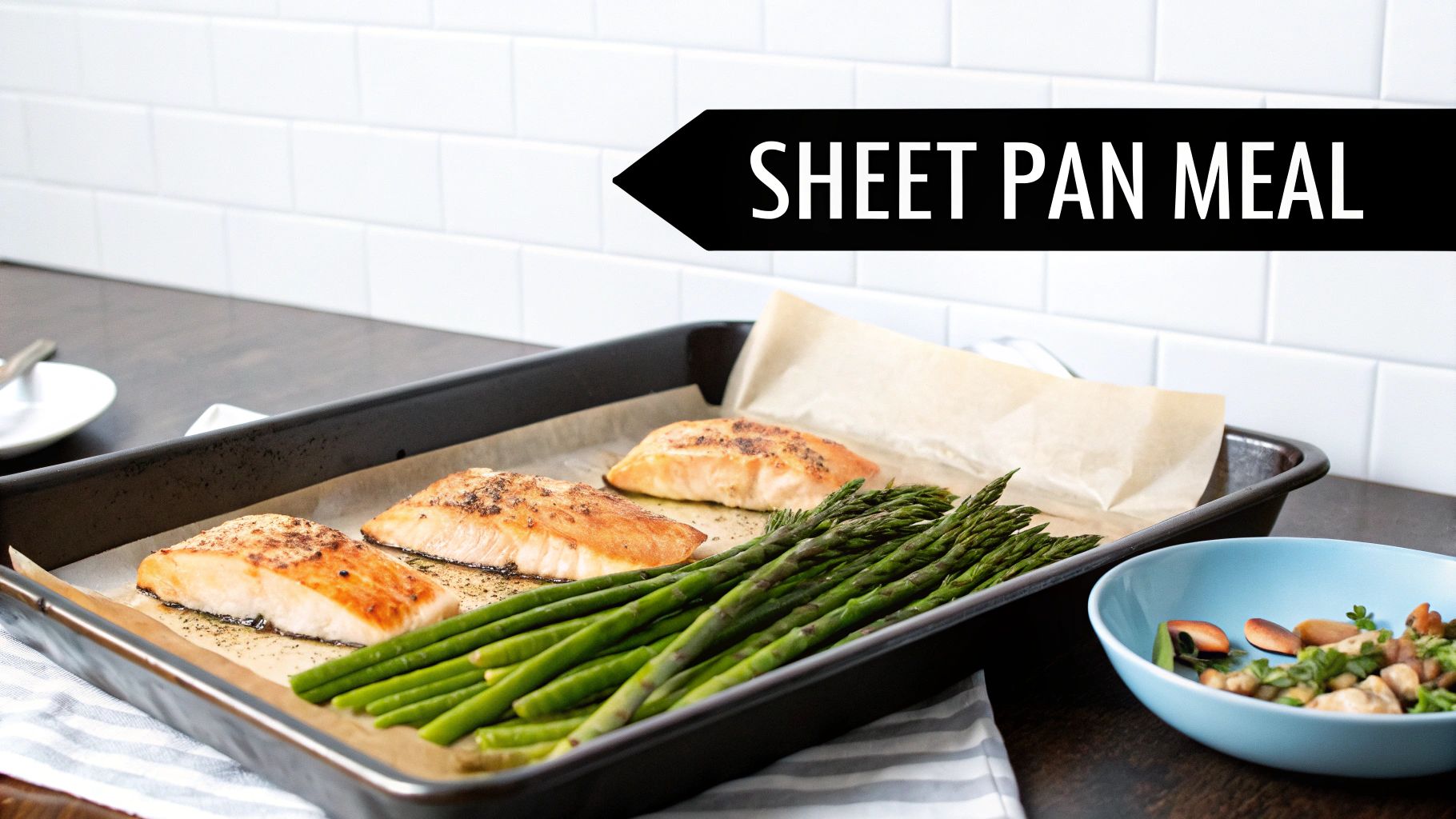
Sheet pan and skillet meals are the ultimate solution for anyone seeking efficient, low-mess gluten-free meal prep ideas. This one-pan method involves cooking your protein and vegetables together, allowing their flavors to meld while drastically cutting down on cleanup. It's a highly effective strategy for creating well-rounded, nutrient-dense meals with minimal hands-on time, making it ideal for busy weeknights and for those who dislike washing multiple pots and pans. This approach aligns perfectly with a Paleo diet philosophy, which you can explore further with a customized meal plan.
How does this method work?
The concept is simple: combine a protein source and chopped vegetables on a single sheet pan or in a large cast-iron skillet, toss with oil and seasonings, and cook in the oven or on the stovetop. Once cooked and cooled, the entire meal is portioned into individual containers. This method saves time not only in cooking but also in assembly, as the components are already mixed.
Popular one-pan combinations include:
- Mediterranean Salmon: Salmon fillets + asparagus + cherry tomatoes + red onion + lemon.
- Fajita-Style Skillet: Ground beef or chicken + bell peppers + onions + fajita seasoning.
- Herb Roasted Turkey: Ground turkey + sweet potato chunks + Brussels sprouts + thyme.
Actionable tips for success
To master this gluten-free meal prep technique, focus on these key strategies for consistent results:
- Pat Proteins Dry: Always pat your protein (chicken, salmon, etc.) dry with a paper towel before seasoning. This removes excess moisture and promotes a better sear and browning.
- Use Parchment Paper: Line your sheet pans with parchment paper for non-stick cooking and incredibly easy cleanup.
- Stagger Your Ingredients: Add vegetables based on their cooking time. Hard, dense root vegetables like potatoes and carrots should go in first, followed by softer vegetables like broccoli and bell peppers later.
- Don't Overcrowd the Pan: Spread ingredients in a single layer with space between them. Overcrowding will cause the food to steam instead of roast, preventing it from getting crispy. Use two pans if necessary.
How can I prep healthy gluten-free snacks?
A gluten-free snack and sides prep station is a dedicated system for preparing and portioning nutrient-dense, grab-and-go items. Rather than leaving between-meal nutrition to chance, this method involves setting up a "snack bank" with individually portioned vegetable crudités, dips, energy balls, and roasted chickpeas. This approach is invaluable for busy professionals and families, as it helps prevent impulsive, unhealthy food choices by making healthy options the most convenient ones. It's a key strategy among whole-food communities and nutrition coaches for maintaining consistent energy levels and supporting dietary goals.
How does this method work?
The core principle is to pre-portion a variety of snacks and sides at the beginning of the week, creating an organized, easily accessible collection in your fridge and pantry. On your prep day, you chop vegetables, make dips, roll energy balls, and divide nuts or seeds into single-serving containers. When hunger strikes, you can quickly grab a balanced, pre-portioned snack without any thought or effort.
Examples of a well-stocked station include:
- Protein Balls: Combine dates, almonds, cocoa powder, and sea salt in a food processor, then roll into bite-sized balls.
- Roasted Chickpeas: Toss canned chickpeas with paprika and garlic powder, then roast until crispy for a shelf-stable, crunchy snack.
- Vegetable & Dip Packs: Portion hummus or guacamole into small containers and pair with bags of pre-cut carrots, bell peppers, and celery sticks.
Actionable tips for success
To build an effective gluten-free snack station, one of the most practical gluten free meal prep ideas, follow these key strategies:
- Keep Vegetables Crisp: Store pre-cut vegetables like carrots and celery with a folded paper towel in an airtight container to absorb excess moisture and prevent them from becoming limp.
- Prevent Oxidation: Add a squeeze of lemon or lime juice to cut fruit like apples or to guacamole. This slows down the browning process and keeps them looking fresh.
- Portion Control is Crucial: Use small glass containers or reusable silicone bags to pre-portion items like nuts, seeds, and dips. A standard portion is often ¼ cup for nuts or 2 tablespoons for dips.
- Label Everything: Clearly label each container with its contents and the preparation date. This helps you track freshness and consume items in the right order; most fresh-cut vegetables should be eaten within four days.
Can I freeze gluten-free protein for later?
Creating a freezer stash of seasoned meatballs and sausage patties is a game-changing gluten-free meal prep idea for anyone needing quick, high-protein meal components. This method involves batch-preparing seasoned ground meat, forming it into uniform portions, and freezing them for future use. Instead of cooking protein from scratch every night, you have a ready-to-go base that can be added to sauces, stir-fries, or breakfast plates, making it perfect for fitness enthusiasts and busy families.
How does this method work?
The strategy is to front-load the work of seasoning, mixing, and shaping. On prep day, you prepare one or more ground meat mixtures, such as Italian-style beef meatballs, turkey breakfast sausage, or Asian-inspired pork meatballs. You form them into golf ball-sized portions, bake them on a sheet pan until just cooked, and then freeze them. This ensures they are ready to be quickly reheated and incorporated into a meal.
Here’s how you can use them throughout the week:
- Monday: Reheat Italian meatballs in a gluten-free marinara sauce to serve over zucchini noodles.
- Wednesday: Sauté the turkey sausage patties with eggs and a side of avocado.
- Friday: Add Asian pork meatballs to a stir-fry with broccoli and gluten-free tamari sauce.
Actionable tips for success
To master this protein-packed gluten-free meal prep idea, apply these key techniques:
- Handle with Care: Mix your ground meat gently and only until the ingredients are combined. Overmixing creates tough, dense meatballs. A good ratio is one egg and a half-cup of gluten-free breadcrumbs per pound of meat.
- Freeze in a Single Layer: After baking, place the meatballs or patties on a parchment-lined baking sheet and freeze for 2-3 hours. Once solid, transfer them to a freezer-safe bag. This prevents them from sticking together in a large clump.
- Cook from Frozen: There is no need to thaw before cooking. Simply add the frozen meatballs or patties directly to a simmering sauce or a hot pan, adding 5-10 minutes to the total cooking time.
- Ensure Uniformity: Use a cookie scoop or a scale to make sure all portions are a similar size. This guarantees they cook evenly and makes tracking macros easier, a key benefit for anyone following a high-protein meal plan.
Which gluten-free meal prep idea should I choose?
| Meal Prep Method | 🔄 Implementation Complexity | ⚡ Resource Requirements | 📊 Expected Outcomes | 💡 Ideal Use Cases | ⭐ Key Advantages |
|---|---|---|---|---|---|
| Batch-Cooked Protein & Vegetable Bowls | 🔄 Low — separate cooking + simple assembly | ⚡ Moderate — oven/stovetop, many containers, fridge space | 📊 Consistent macros, reduces waste, 4–5 day freshness | 💡 Busy professionals, macro tracking, weeknight variety | ⭐ Portion control, time saved, flexible mix-and-match |
| Gluten-Free Grain & Legume-Based Salads | 🔄 Low–Medium — cook grains/legumes, assemble cold | ⚡ Low — pots, jars, fridge; minimal freezer | 📊 High fiber/satiety, stable flavor 2–5 days | 💡 Vegan/vegetarian lunches, blood-sugar control, budget meals | ⭐ Nutrient-dense, budget-friendly, flavors improve over time |
| Slow Cooker / Instant Pot One-Pot Meals | 🔄 Low — set-and-forget after short prep | ⚡ Moderate — slow cooker/Instant Pot, significant freezer space | 📊 Nutrient-dense broths, freezer-stable 4–8+ weeks | 💡 Monthly batch cooks, minimal active time, chronic-condition diets | ⭐ Cost-effective, tenderizes cheap cuts, long-term storage |
| Egg-Based Breakfast & Brunch Meal Prep | 🔄 Low — bake/portion eggs; simple techniques | ⚡ Low — oven, containers, optional freezer | 📊 High satiety & complete protein; 5 days refrigerated, months frozen | 💡 Quick protein breakfasts, fitness enthusiasts, keto/paleo | ⭐ Complete protein, inexpensive, fast reheating |
| Vegetable-Forward Buddha Bowls with Rotating Sauces | 🔄 Medium — chopping + multiple sauces to prep | ⚡ Moderate — jars, multiple sauce containers, fridge space | 📊 High micronutrient density; 5-day freshness with sauce separation | 💡 Health-conscious eaters, sustainability-focused, flavor variety seekers | ⭐ High veg intake, highly customizable, sauce-driven variety |
| Gluten-Free Pasta & Vegetable Bake Casseroles | 🔄 Medium — layering and baking; slight technique | ⚡ Moderate — oven space, baking dishes, freezer | 📊 Comforting, filling meals; fridge 4–5 days, freezer 8+ weeks | 💡 Families, comfort meals, batch feeding for reheats | ⭐ Single-dish convenience, family-friendly, flavors intensify overnight |
| Grab-and-Go GF Breakfasts (Overnight Oats, Chia, Bars) | 🔄 Low — no-cook jars or single-batch baking | ⚡ Low — jars, basic baking tools, fridge/freezer | 📊 Portable, macro-trackable breakfasts; 4–8+ day shelf / frozen longer | 💡 Commuters, gym-goers, busy mornings | ⭐ Very quick prep, portable, easy macro adjustments |
| Sheet Pan & Skillet Proteins with Roasted Vegetables | 🔄 Low — one-pan cooking; timing nuance for veggies | ⚡ Low — sheet pan or skillet, oven | 📊 Balanced meals, 4–5 day fridge life, minimal cleanup | 💡 Quick dinners, minimal dishwashing, budget-friendly meals | ⭐ Simple prep, rich caramelized flavor, low cleanup |
| Gluten-Free Snack & Sides Prep Station | 🔄 Low–Medium — portioning and rotation planning | ⚡ Moderate — many small containers, fridge space | 📊 Improved snacking consistency; prevents impulse eating | 💡 Between-meal hunger control, office snacks, portion control | ⭐ Pre-portioned convenience, better satiety, varied options |
| Freezer-Friendly GF Meatballs & Sausage Patties | 🔄 Medium — mix/form/freeze single layer; some technique | ⚡ Moderate — baking sheets, freezer space, storage bags | 📊 High-protein portions, versatile meals, 8+ week freezer life | 💡 Protein-focused diets, quick meal components, family meals | ⭐ Protein-dense, highly versatile pairings, long freezer storage |
How can I make gluten-free meal prep a habit?
You’ve explored a comprehensive toolkit of gluten free meal prep ideas, from versatile protein bowls to convenient grab-and-go breakfasts. The core lesson is clear: successful gluten-free living isn't about restriction; it's about strategic preparation. By embracing these methods, you transform your kitchen from a source of daily stress into a powerhouse of health and efficiency.
The journey through this guide has equipped you with more than just recipes. It has provided a framework for building a sustainable gluten-free lifestyle. You now have the blueprints to create balanced meals, manage your time effectively, and adapt your food prep to meet specific goals, whether for weight loss, muscle gain, or simply enjoying delicious, wholesome food without the worry of cross-contamination.
Your path to success
The key to long-term success lies in turning these ideas into ingrained habits. Start small. Select one or two strategies that resonate most with your lifestyle.
- If you’re pressed for time: Master the art of the Sheet Pan Dinner or the Slow Cooker One-Pot Meal. These methods minimize active cooking and cleanup time.
- If you crave variety: Focus on the Vegetable-Forward Buddha Bowls with Rotating Sauces. This approach allows you to mix and match components, ensuring your meals never feel repetitive.
- If you need grab-and-go solutions: Prioritize making a batch of Overnight Oats, Chia Puddings, or establishing a Snack & Sides Prep Station. These small efforts pay huge dividends during a busy week.
Remember the power of component prepping. You don’t always need to assemble full meals. Simply having cooked quinoa, roasted vegetables, and a pre-made vinaigrette in your fridge gives you the building blocks for dozens of different gluten free meal prep ideas throughout the week. This flexibility is crucial for avoiding meal fatigue and staying on track.
Key Takeaway: Consistency trumps complexity. A simple, repeatable meal prep routine is far more effective than an elaborate plan you can't stick to. Your goal is to create a system that serves you, not one that overwhelms you.
What are the main benefits of meal prepping?
Mastering gluten-free meal prep is an investment in your well-being that extends far beyond just what you eat. It's about reclaiming your time, reducing decision fatigue, and taking confident control of your health. When you have a fridge stocked with nourishing, ready-to-eat meals, you are less likely to reach for processed, gluten-containing convenience foods.
This proactive approach empowers you to consistently fuel your body with the nutrients it needs, supporting everything from your energy levels and cognitive function to your fitness goals and long-term health. The peace of mind that comes from knowing your next meal is both safe and delicious is invaluable. By turning these gluten free meal prep ideas into a regular practice, you are building a foundation for a healthier, more organized, and less stressful life.
Frequently Asked Questions
How long does meal prep last in the fridge? Most gluten-free meal prepped dishes last for 3-5 days in the refrigerator when stored in airtight containers.
Is it better to freeze or refrigerate meal prep? Refrigerate meals you plan to eat within 4 days for the best texture and flavor. Freeze meals like stews, casseroles, and meatballs for long-term storage up to 3 months.
What's the best container for meal prep? Glass containers are ideal as they are non-porous, don't stain, and can be used in the oven, microwave, and freezer.
Can I meal prep salads? Yes, prepare hearty salads using sturdy greens and grains, but always store the dressing separately to prevent sogginess.
How do I avoid getting bored with meal prep? Focus on "component prepping" by making separate proteins, veggies, and grains, then mix and match them with different sauces throughout the week.
Do I need special equipment for gluten-free meal prep? No, you only need basic kitchen tools like airtight containers, a good knife, baking sheets, and pots. A slow cooker or Instant Pot can make the process easier but isn't required.
Ready to take the guesswork out of your weekly planning? The AI Meal Planner can create a fully personalized gluten-free meal prep plan tailored to your specific dietary needs, fitness goals, and taste preferences. Let our technology handle the organization so you can focus on enjoying your delicious, healthy meals. Start building your custom plan with AI Meal Planner today!
AI-powered nutrition
Get Your Personalized Meal Plan
AI creates the perfect meals for your goals, lifestyle, and taste.
Start Your Journej