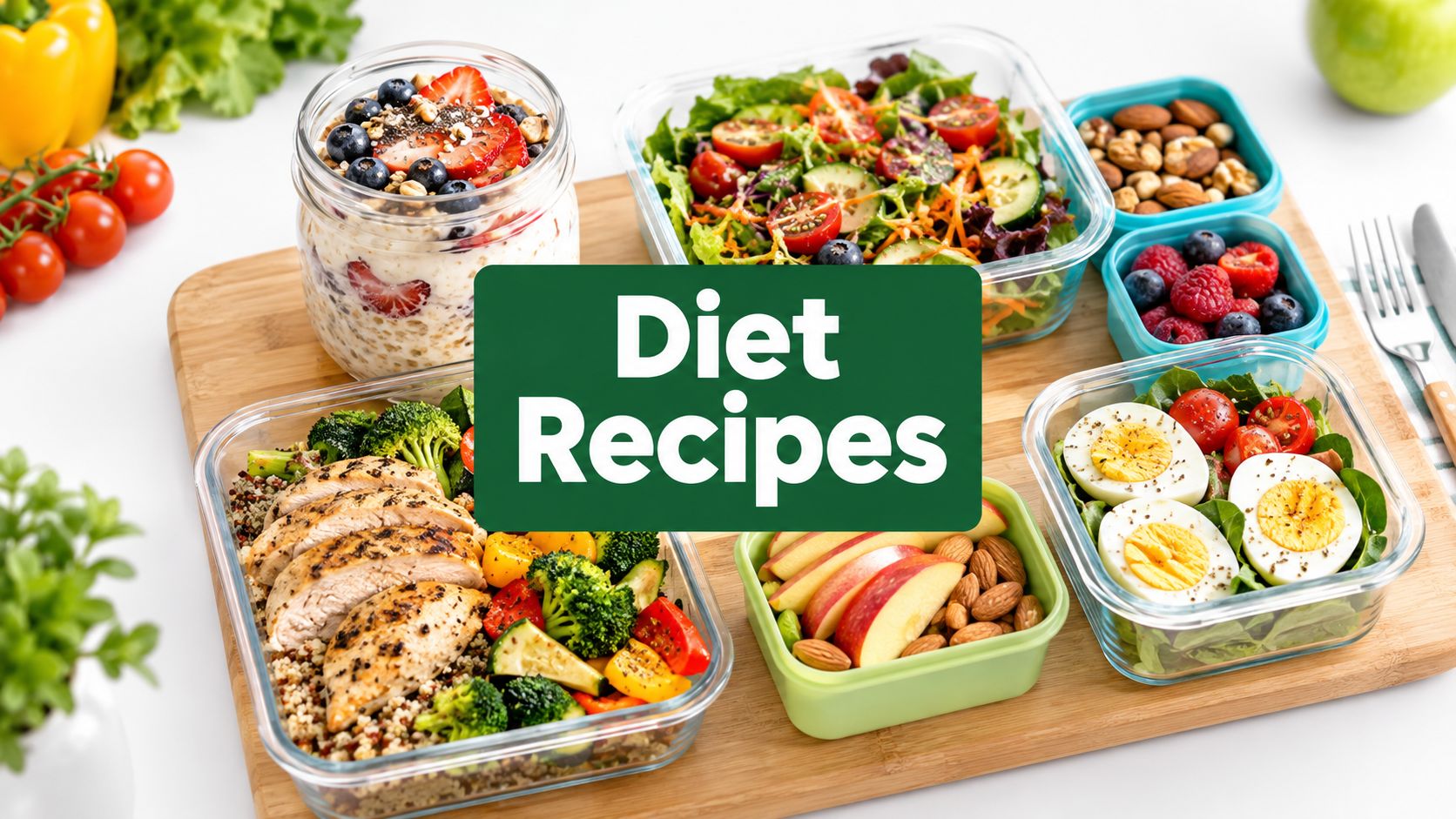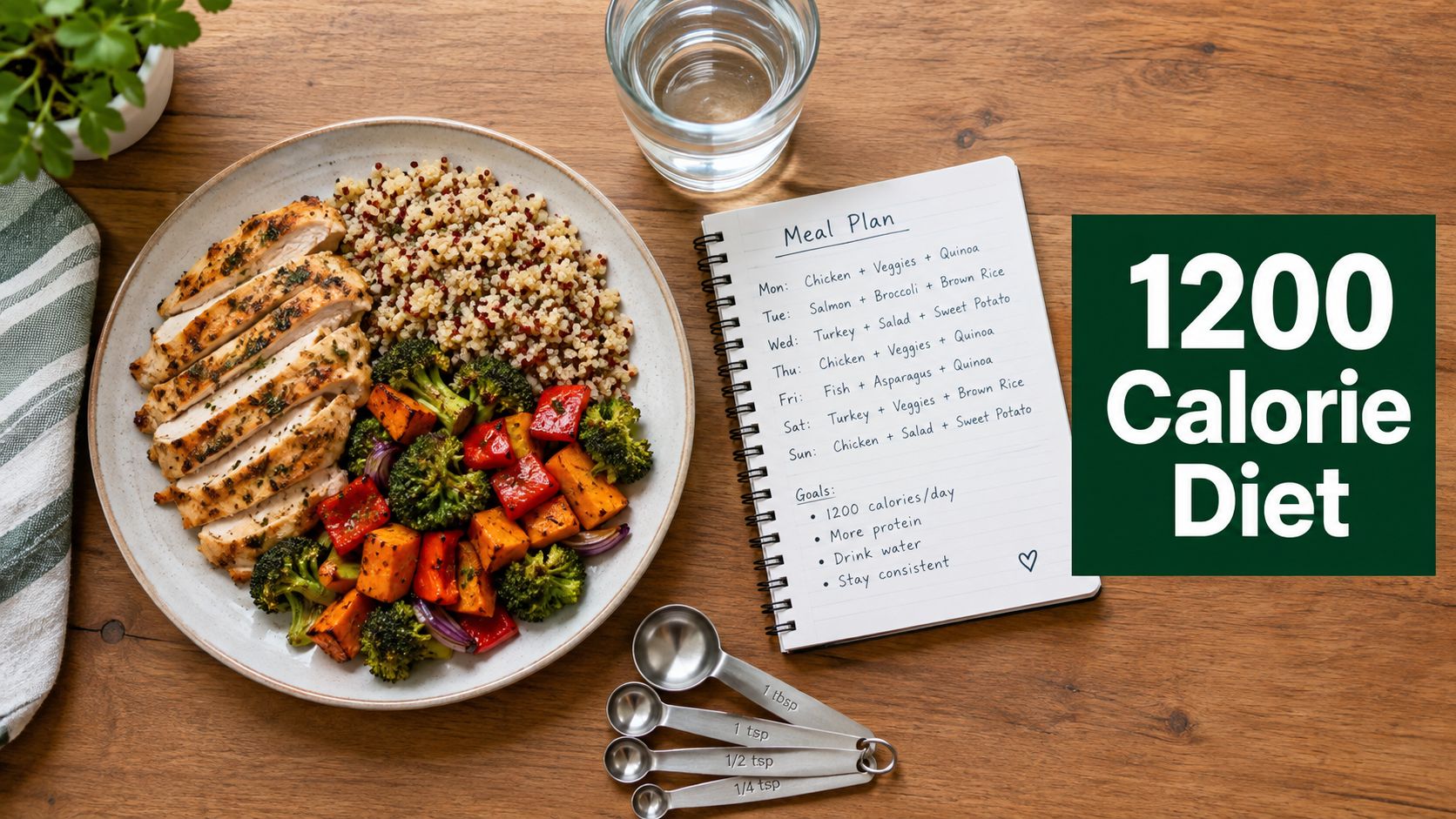
What Should I Eat for Dinner? The Ultimate Guide to Healthy, Easy Evening Meals
It is 6:00 PM. You have just finished a long, demanding day at work. Your mental energy is depleted, your stomach is starting to rumble, and you find yourself standing in the kitchen, staring blankly into the open refrigerator. The ingredients are there—a carton of eggs, some spinach that has seen better days, a jar of salsa, and a package of chicken—but your brain refuses to connect the dots.
The eternal question pops into your head, louder than before: “What should I eat for dinner?”
If this scenario sounds familiar, you are not alone. Millions of people struggle with the evening meal, not because they lack cooking skills, but because they are suffering from "decision fatigue." After making hundreds of choices throughout the day—from work emails to family logistics—the brain simply runs out of processing power by the evening. When you combine this mental exhaustion with physical hunger (and perhaps a lack of meal planning), it becomes all too easy to succumb to cravings or order takeout that leaves you feeling sluggish.
However, answering the question "what should I eat for dinner" doesn't have to be a daily source of stress. In fact, reclaiming your dinner time is one of the most effective ways to improve your sleep, stabilize your energy for the next day, and manage your weight.
This comprehensive guide will walk you through exactly how to build a balanced plate, provide you with dozens of quick ideas, and introduce smart tools to help you decide what to eat without the headache.
What Makes a Balanced Dinner? The Four Pillars
When you ask yourself, “what should I eat for dinner,” you are really asking a biological question: How do I fuel my body for recovery, repair, and rest?
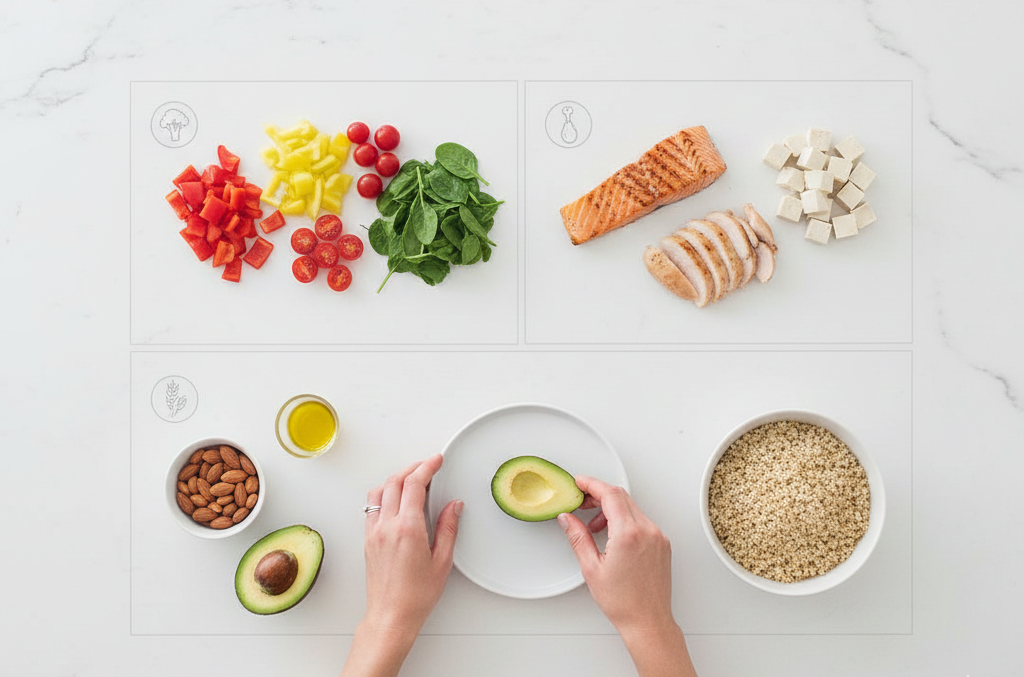
Unlike breakfast or lunch, where the goal is often high-octane energy for activity, dinner is about satiety and preparation for the fasting period of sleep. A nutritionally sound dinner should generally include four key pillars. Understanding these will help you throw together meals without needing a recipe.
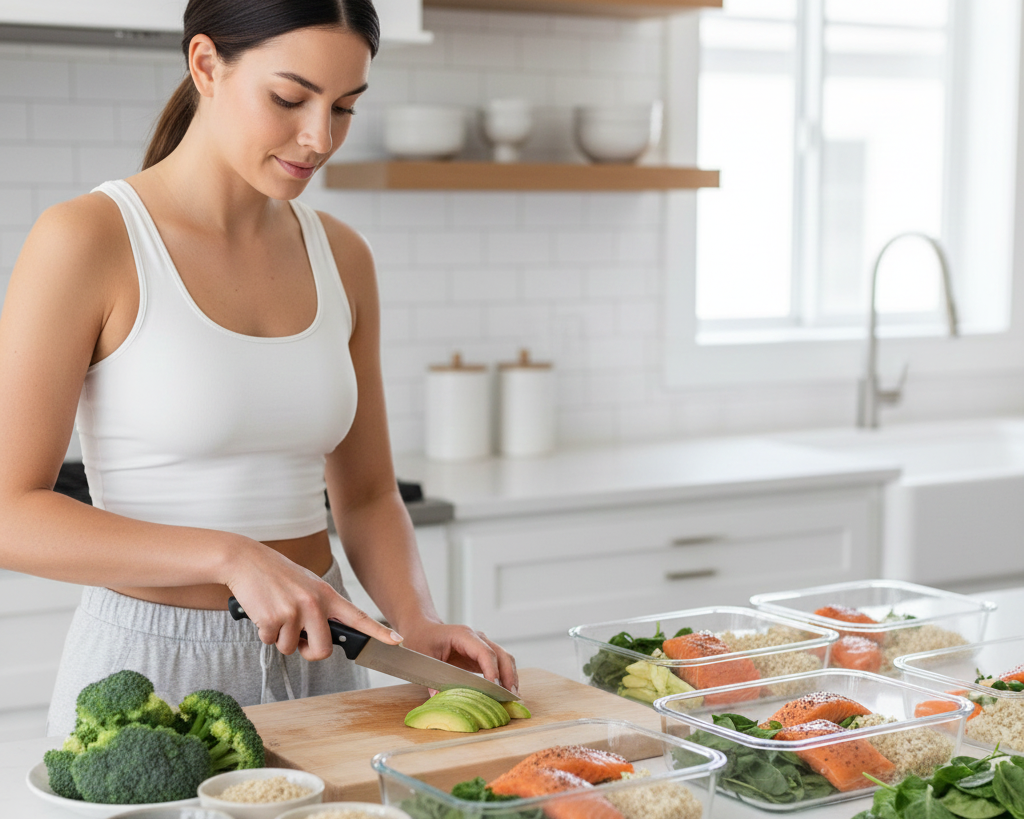
1. Lean Protein
Protein is the anchor of your meal. It is essential for muscle repair, which largely happens while you sleep. More importantly, protein is the most satiating macronutrient. Eating adequate protein at dinner ensures you won't wake up at 2:00 AM raiding the pantry.
- Best sources: Chicken breast, salmon, white fish, tofu, tempeh, lentils, Greek yogurt, or eggs.
2. High-Fiber Vegetables
If protein is the anchor, vegetables are the volume. Fiber aids digestion, regulates blood sugar, and physically fills your stomach without overloading you with calories.
- Best sources: Leafy greens (spinach, kale), cruciferous veggies (broccoli, cauliflower), zucchini, peppers, and green beans.
3. Healthy Fats
Don’t fear the fat at dinner. Healthy fats support hormone health and are necessary for your body to absorb fat-soluble vitamins (A, D, E, and K) from your vegetables. They also slow down digestion, keeping you fuller for longer.
- Best sources: Avocado, extra virgin olive oil, nuts (walnuts, almonds), seeds (chia, flax, pumpkin), and fatty fish.
4. Complex Carbohydrates (Optional but Helpful)
There is a common myth that you shouldn't eat carbs after dark. However, moderate amounts of complex carbohydrates can actually be beneficial. They stimulate the release of insulin, which helps tryptophan enter the brain to produce serotonin and melatonin—the hormones that help you sleep.
- Best sources: Quinoa, sweet potatoes, brown rice, oats, or beans.
How Dinner Choices Affect Your Body
Your evening meal does more than just quell hunger; it sets the tone for your body's biological processes for the next 12 hours. The answer to what should I eat for dinner has a ripple effect on your sleep, mood, and waistline.
Energy and Digestion
Heavy, greasy meals (like a double cheeseburger and fries) require significant energy to digest. Digestion is a metabolically demanding process. If your body is working overtime to break down saturated fats and refined sugars, it cannot focus on cellular repair or "glymphatic" clearance (cleaning waste products from the brain). This often leads to waking up feeling groggy, puffy, or bloated.
The Sleep Connection
Food is a "zeitgeber"—a cue that helps regulate your circadian rhythm. Eating sugary or highly refined foods right before bed can cause a blood sugar spike followed by a crash. This crash triggers a release of cortisol (the stress hormone) during the night, which can wake you up abruptly. Conversely, a dinner rich in magnesium (found in leafy greens) and tryptophan (found in turkey, chicken, and tofu) can support deeper, more restorative sleep.
Cravings and Weight Management
The question of what should I eat for dinner is crucial for weight control. Many people "backload" their calories, eating very little during the day and then consuming 1,500+ calories between 6 PM and bedtime. By choosing a balanced dinner with sufficient protein, you stabilize your hunger hormones (ghrelin and leptin), significantly reducing the urge to snack on junk food while watching TV later in the evening.
Practical Frameworks for Easy Decisions
When decision fatigue hits, you don't need a complex gourmet recipe that requires twelve spices—you need a framework. A framework is a plug-and-play system that removes the thinking process. Here are four methods to simplify your evening.
1. The Plate Method
If you are too tired to count macros or calories, just look at your plate. This visual guide ensures balance every time:
- 1/2 Plate: Non-starchy vegetables (salad, roasted broccoli, sautéed green beans).
- 1/4 Plate: Lean protein (about the size of your palm).
- 1/4 Plate: Complex carbohydrates (about the size of your cupped hand).
- Thumb-sized portion: Healthy fats (dressing, avocado, or cooking oil).
2. The "Protein-First" Approach
When you don't know what to eat, start by picking one protein source. Once you have decided on "salmon," "eggs," or "chickpeas," the rest of the meal usually falls into place easier.
- Example: You pick Eggs. -> Make an omelet or a frittata.
- Example: You pick Ground Turkey. -> Make a taco bowl or a stir-fry.
3. Time-Based Categories
Categorize your go-to meals by how long they take. If you know you only have 15 minutes, don't try to make a lasagna. (See the "Quick Ideas" section below for examples).
4. The Digital Assistant
Sometimes, even frameworks feel like too much work. If you find yourself consistently struggling to plan ahead, or if your dietary requirements are complex, you might benefit from technology. An AI weekly meal plan generator can be a game-changer. This tool takes your dietary preferences, calorie goals, and dislikes, and provides balanced dinner ideas automatically. It effectively outsources the executive function of planning, so you simply execute the plan.
Quick & Healthy Dinner Ideas: 8–12 Examples
Here are specific, actionable answers to "what should I eat for dinner", categorized by style and speed.
High-Protein Bowls (The "Throw-It-Together" Meal)
Bowls are excellent because they are customizable and great for using up leftovers.
- The Mediterranean Bowl: A base of quinoa or brown rice topped with canned chickpeas, diced cucumber, cherry tomatoes, kalamata olives, feta cheese, and a drizzle of olive oil and lemon juice.
- The Burrito Bowl: Lean ground turkey or beef (seasoned with cumin and chili powder), black beans, corn, salsa, and a generous scoop of guacamole over shredded lettuce.
Simple 10-Minute Stir-Fries
Stir-fries are the ultimate fast food. High heat cooks vegetables quickly while retaining their crunch and nutrients. 3. Chicken and Broccoli Stir-Fry: Sauté sliced chicken breast until cooked. Remove. Toss in broccoli florets, sliced bell peppers, and snap peas with a splash of water to steam them. Return chicken to the pan and toss with soy sauce (or tamari), ginger, and garlic. 4. Tofu Veggie Scramble: Crumble firm tofu into a pan with turmeric, nutritional yeast, spinach, and mushrooms. It mimics scrambled eggs but packs a plant-based protein punch.
Salmon and Fish Variations
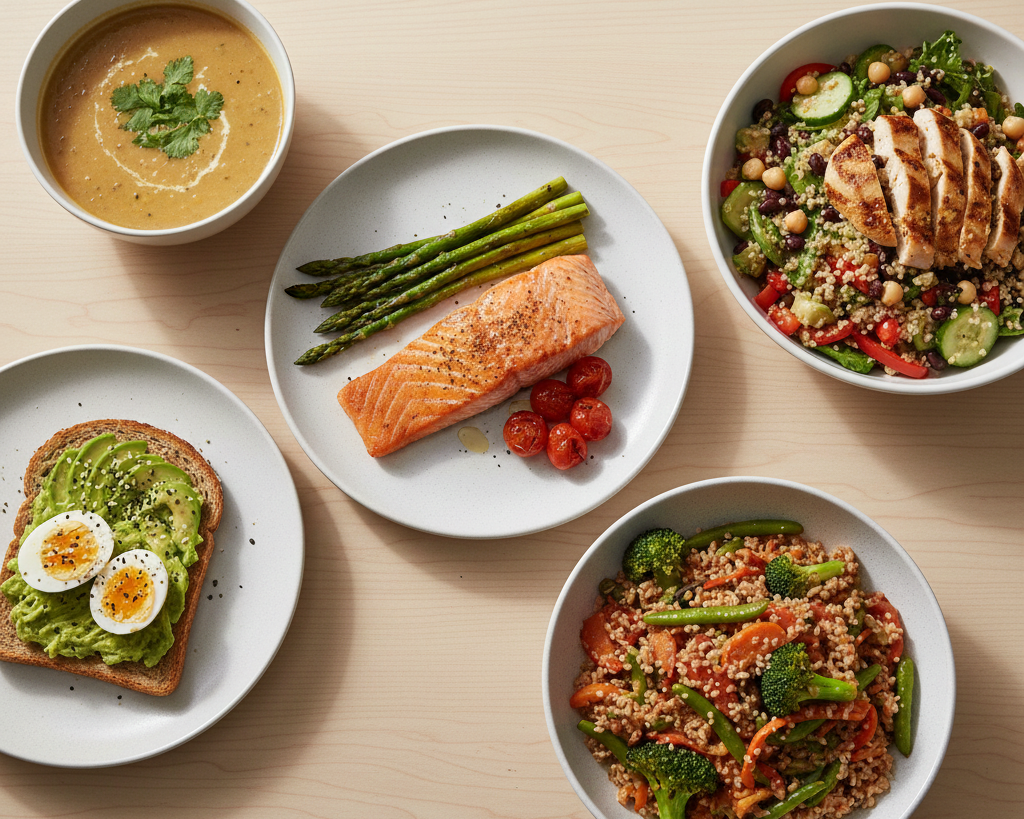
Fatty fish is one of the best dinners for brain health due to high Omega-3 content. 5. Sheet Pan Salmon with Asparagus:Place a salmon fillet and asparagus spears on a single baking sheet. Drizzle with olive oil, lemon, salt, and pepper. Roast at 400°F (200°C) for 12–15 minutes. Minimal cleanup required. 6. Baked Cod Packets: Place a piece of white fish (cod or tilapia) on a piece of aluminum foil. Top with cherry tomatoes, basil, and zucchini slices. Seal the foil and bake. The steam cooks the fish perfectly.
Avocado Toast Variations (Not just for breakfast)
Who says toast is only for the morning? With the right toppings, it’s a balanced dinner. 7. Smoked Salmon Avocado Toast: Whole grain bread, smashed avocado, smoked salmon, capers, and red onion. 8. Egg and Greens Toast: Sauté spinach with garlic until wilted. Place on top of avocado toast and top with a poached or fried egg.
Soups and Stews (Batch Cooking Friends)
- Lentil Vegetable Soup: Red lentils cook in about 20 minutes. Simmer them with carrots, celery, onions, and vegetable broth. It’s high in fiber and very filling.
- Quick Chicken Zoodle Soup: Use rotisserie chicken, store-bought zucchini noodles, chicken bone broth, and fresh herbs for a light, gut-healing dinner.
Macro-Balanced Plates
- The Classic Steak & Potato: A small portion of lean steak (sirloin or flank), a baked sweet potato, and a large green salad with vinaigrette.
- Turkey Meatballs & Zucchini: Baked turkey meatballs served over zucchini noodles or whole-wheat pasta with marinara sauce.
Smart Solutions for Specific Goals
The answer to what should I eat for dinner changes slightly depending on your specific health objectives.
What should I eat for dinner if I want to lose weight?
If weight loss is your primary goal, your strategy should be Volume Eating. This involves eating foods that are physically large but low in calories to trigger the stretch receptors in your stomach, signaling fullness.
- The Strategy: Fill half your plate with fibrous vegetables.
- The Meal: A massive salad bowl with arugula, cucumbers, radishes, and tomatoes, topped with grilled chicken breast and a light vinaigrette. Avoid heavy cheese sauces or creamy dressings.
- Carb Tip: Keep carbohydrates moderate and stick to low-glycemic options like berries or legumes.
What should I eat for dinner for better digestion?
Many people suffer from bloating or discomfort in the evening. If this is you, raw salads might actually be the culprit, as raw cellulose is hard to break down.
- The Strategy: "Cooked and Warm." Thermal processing breaks down fibers, making them easier for your gut to handle.
- The Meal: Steamed fish with roasted carrots and pureed pumpkin.
- The Tool: Digestive issues can be tricky to pinpoint. You can use a specialized tool to choose dinner foods based on symptoms. If you are feeling bloated, acidic, or low energy, this tool helps filter out trigger foods and suggests gentle, nourishing options.
What Should I Avoid at Night?
Just as important as knowing what to eat is knowing what to skip. To ensure a restful night and a happy stomach, try to limit the following in the 3 hours before bed:
- Spicy Foods: Capaicin (the compound that makes peppers hot) can raise your core body temperature. Since your body needs to cool down to sleep, this can disrupt your sleep cycle. It can also cause heartburn when you lie down.
- High Caffeine Sources: It’s not just coffee. Dark chocolate and certain teas contain caffeine. Even a small amount can block adenosine, the chemical that makes you feel sleepy.
- Heavy, Fried Foods: Fat takes the longest to digest. If you eat a bucket of fried chicken before bed, your digestive system stays active late into the night, which can lead to vivid dreams or restlessness.
- Alcohol: While a glass of wine might make you feel drowsy, alcohol degrades sleep quality. It often causes "rebound wakefulness" in the second half of the night as your body processes the sugar and toxins.
The "I Have Nothing to Eat" Panic Button
We have all been there: You didn't plan, you didn't shop, and you have random ingredients that don't seem to match. You have half an onion, a block of cheddar, frozen peas, and some rice.
Instead of ordering takeout, use technology to bridge the gap. You can use a tool where you enter the ingredients you have to get instant dinner ideas. This "reverse recipe" search is a powerful way to reduce food waste and save money. It turns a random assortment of groceries into a coherent, tasty meal like a "Cheesy Pea and Onion Risotto."
Benefits of Solving the Dinner Dilemma
When you stop stressing about "what should I eat for dinner" and start using a system—whether it's the Plate Method, batch cooking, or AI planning—you unlock several health benefits:
- Lower Cravings: A balanced dinner regulates blood sugar, preventing the late-night hunt for chocolate.
- Better Digestion: Eating appropriate portions of gut-friendly food prevents bloating.
- Stable Energy: You wake up refreshed rather than sluggish.
- Easier Weight Management: Planning prevents the "panic calories" that come from fast food.
- Improved Sleep Quality: Your body can focus on deep rest (REM and Deep sleep cycles) rather than heavy digestion.
- Mental Clarity: Removing one major decision from your day frees up mental space for family, hobbies, and relaxation.
Frequently Asked Questions (FAQ)
What should I eat for dinner to lose weight?
To lose weight, focus on a high-protein, high-fiber dinner. Aim for 25–30g of protein (like chicken, white fish, or tofu) and a large portion of non-starchy vegetables. This combination keeps insulin levels stable and hunger at bay.
How many calories should dinner have?
There is no single number for everyone, but for an average adult on a 2,000-calorie diet, dinner might range between 500–700 calories. However, some people prefer a lighter dinner (300–400 calories) and a larger lunch. Consistency and food quality matter more than the exact calorie count.
What are quick healthy dinner ideas for super busy nights?
If you have zero time, try "assembly meals":
- Rotisserie chicken + Bagged salad kit.
- Whole grain toast + Peanut butter + Banana.
- Greek yogurt + Granola + Berries.
- Canned tuna mixed with avocado + Crackers.
Is it okay to eat late at night?
Ideally, you should finish eating 2–3 hours before bed to allow your stomach to empty. However, if you are genuinely hungry, it is better to eat a small, healthy snack (like a handful of almonds or a hard-boiled egg) than to go to bed starving, which can release stress hormones and wake you up.
What should I eat for dinner to reduce bloating?
Avoid "gas-producing" foods like broccoli, cauliflower, beans, and onions if you are prone to evening bloating. Stick to easier-to-digest veggies like spinach, zucchini, cooked carrots, and green beans. Avoid carbonated beverages with dinner.
Can AI help me plan dinner?
Yes, absolutely. AI is excellent for personalization. An AI Meal Plan Generator can take complex requirements (e.g., "I need gluten-free, high-protein, under 600 calories, and I hate cilantro") and generate a perfect menu in seconds, saving you hours of research.
Why do I crave junk food at night?
Nighttime cravings are often a sign that you didn't eat enough during the day (under-fueling) or that you are stressed (cortisol). When you restrict calories too much at breakfast and lunch, your brain sends a powerful signal at night to get "quick energy," which usually translates to sugar and fat. Eating a substantial lunch can cure evening cravings.
Conclusion
The next time the clock strikes 6 PM and you ask yourself, “What should I eat for dinner?”, take a deep breath. It doesn't have to be a complicated culinary exam.
Whether you choose a 10-minute avocado toast, a nourishing soup, or a simple protein-and-veg plate, the key is consistency and balance. By keeping your pantry stocked with a few basics, prioritizing protein, and listening to your body's cues, you can turn dinner from a daily stressor into a ritual of nourishment.
Ready to make dinner easy?
- Step 1: If you want a full week of stress-free eating, try the AI Meal Plan Generator to build your custom menu.
- Step 2: If you are staring at leftovers right now, use the Meal From Fridge tool to instantly turn those random ingredients into a healthy meal.
- Step 3: If you are feeling unwell or low energy, check the Foods By Symptom tool to find the most soothing dinner for your body tonight.
Tonight, choose a meal that serves you, and enjoy the rest that follows.
AI-powered nutrition
Get Your Personalized Meal Plan
AI creates the perfect meals for your goals, lifestyle, and taste.
Start Your Journej