Your Ultimate Grocery List Healthy Blueprint for 2025
Navigating the grocery store can feel like a complex puzzle, especially when your goal is a healthier lifestyle. The aisles are filled with options, labels promise competing benefits, and it’s easy to leave with a cart full of good intentions but no clear plan. The key to success isn't just knowing what to buy, but why you're buying it and how it fits into your weekly meals. This guide is your definitive blueprint, moving beyond generic advice to provide a strategic, actionable plan for creating a grocery list healthy enough to support any goal, from weight loss to muscle gain.
We’ll start by breaking down the 10 foundational, non-negotiable food categories that should form the core of any nutritious diet. Think of these as the building blocks for countless healthy meals. From there, we'll expand into specialized, printable lists tailored for specific needs, including weight loss, vegetarian, keto, gluten-free, and family-friendly eating. Get ready to transform your cart, streamline your shopping, and build a kitchen that makes healthy eating effortless.
Remember, a well-stocked pantry is only half the battle. The tools you use to prepare your food are just as important. When stocking your pantry for healthy meals, don't overlook your cooking implements; consider the best cookware for health and safe cooking to ensure your nutritious ingredients aren't compromised during preparation. With the right foods and the right tools, you're setting yourself up for sustainable success. Let's get started.
1. Leafy Greens (Spinach, Kale, Arugula)
Leafy greens are the cornerstone of any truly healthy grocery list, acting as a low-calorie, high-nutrient foundation for countless meals. These vegetables, including spinach, kale, and arugula, are celebrated for their dense concentration of vitamins (like A, C, and K), essential minerals such as iron and calcium, and powerful antioxidants. Their inclusion supports everything from cardiovascular and bone health to improved cognitive function, making them a non-negotiable part of a balanced diet.
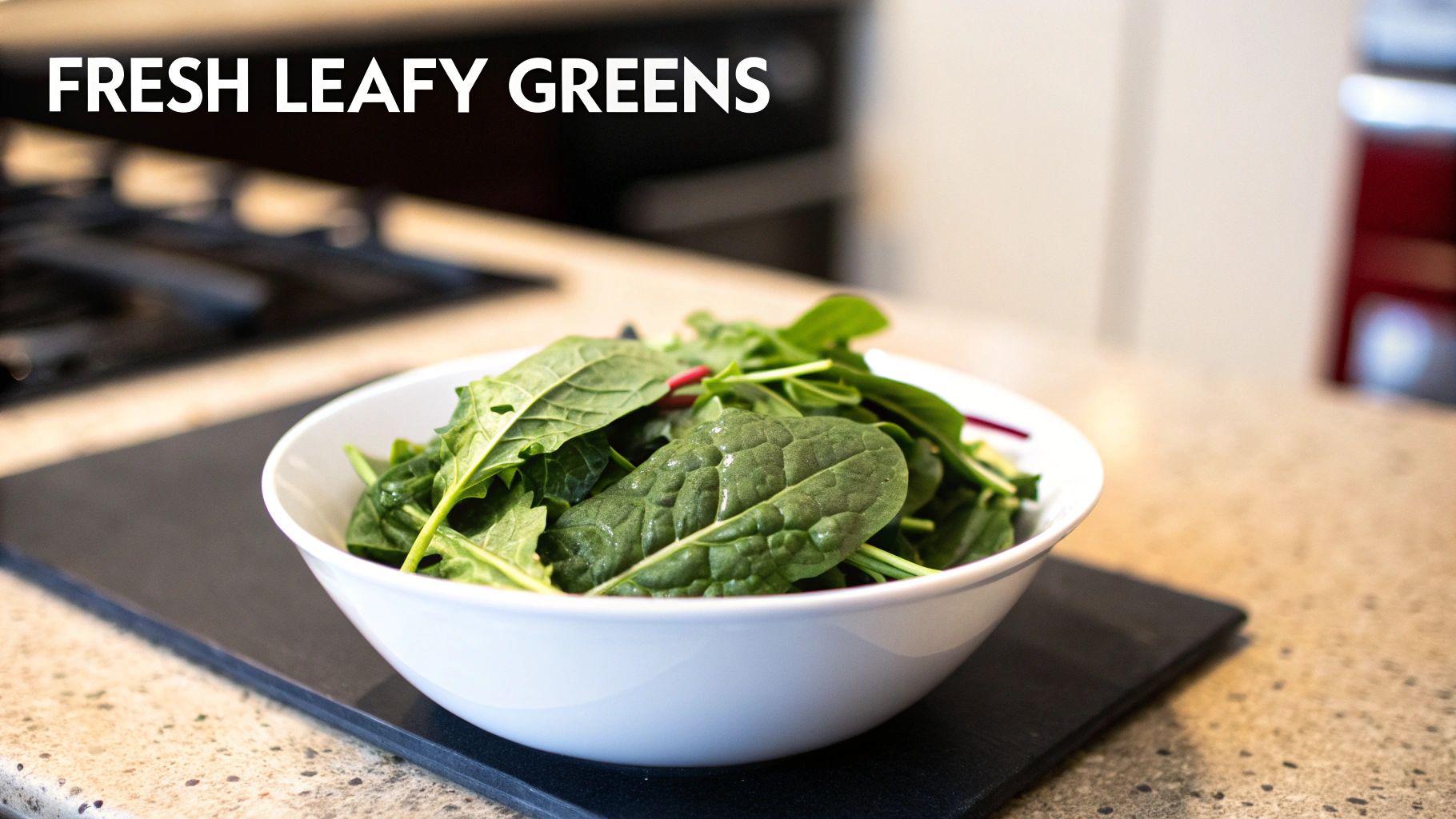
Popularized by the clean eating movement and nutrition experts like Dr. Joel Fuhrman, leafy greens are prized for their versatility and ability to add significant nutritional value without excess calories. Their high fiber content also promotes satiety, which is crucial for weight management and digestive wellness.
Why They Are Essential
The primary benefit of leafy greens lies in their incredible nutrient-to-calorie ratio. You can consume large volumes to feel full while providing your body with essential micronutrients that combat inflammation and reduce the risk of chronic diseases. For those following plant-based diets, greens are a vital source of iron and calcium. Explore how to build complete, nutrient-rich meals with our guide to vegetarian meal planning.
Practical Ways to Use Leafy Greens
- Smoothies: Blend a large handful of fresh or frozen spinach into your morning smoothie. Its mild flavor is easily masked by fruit, offering a seamless nutrient boost.
- Salads & Bowls: Use a mix of arugula and other greens as the base for vibrant salads. Add wilted kale to grain bowls for added texture and nutrients.
- Cooked Dishes: Sauté or steam greens as a simple side dish. You can also chop and stir them into pasta sauces, soups, stir-fries, and egg scrambles during the final minutes of cooking.
Pro-Tips for Shopping and Storage
- Rotate Varieties: Buy different types of greens each week (e.g., Swiss chard, collard greens, romaine) to benefit from a wider array of nutrients.
- Improve Texture: To make kale more tender and less bitter for salads, massage it with a small amount of olive oil and lemon juice for a minute before adding other ingredients.
- Extend Freshness: Store unwashed greens in an airtight container lined with a paper towel. This absorbs excess moisture and can extend their life by several days.
2. Berries (Blueberries, Strawberries, Raspberries)
Berries are vibrant, nutrient-dense superfoods that add natural sweetness and powerful health benefits to any diet, making them an essential part of a healthy grocery list. Varieties like blueberries, strawberries, and raspberries are packed with antioxidants, particularly flavonoids, which are known for their anti-inflammatory properties. Their inclusion supports brain health, protects against heart disease, and helps manage blood sugar levels due to their high fiber and low glycemic index.
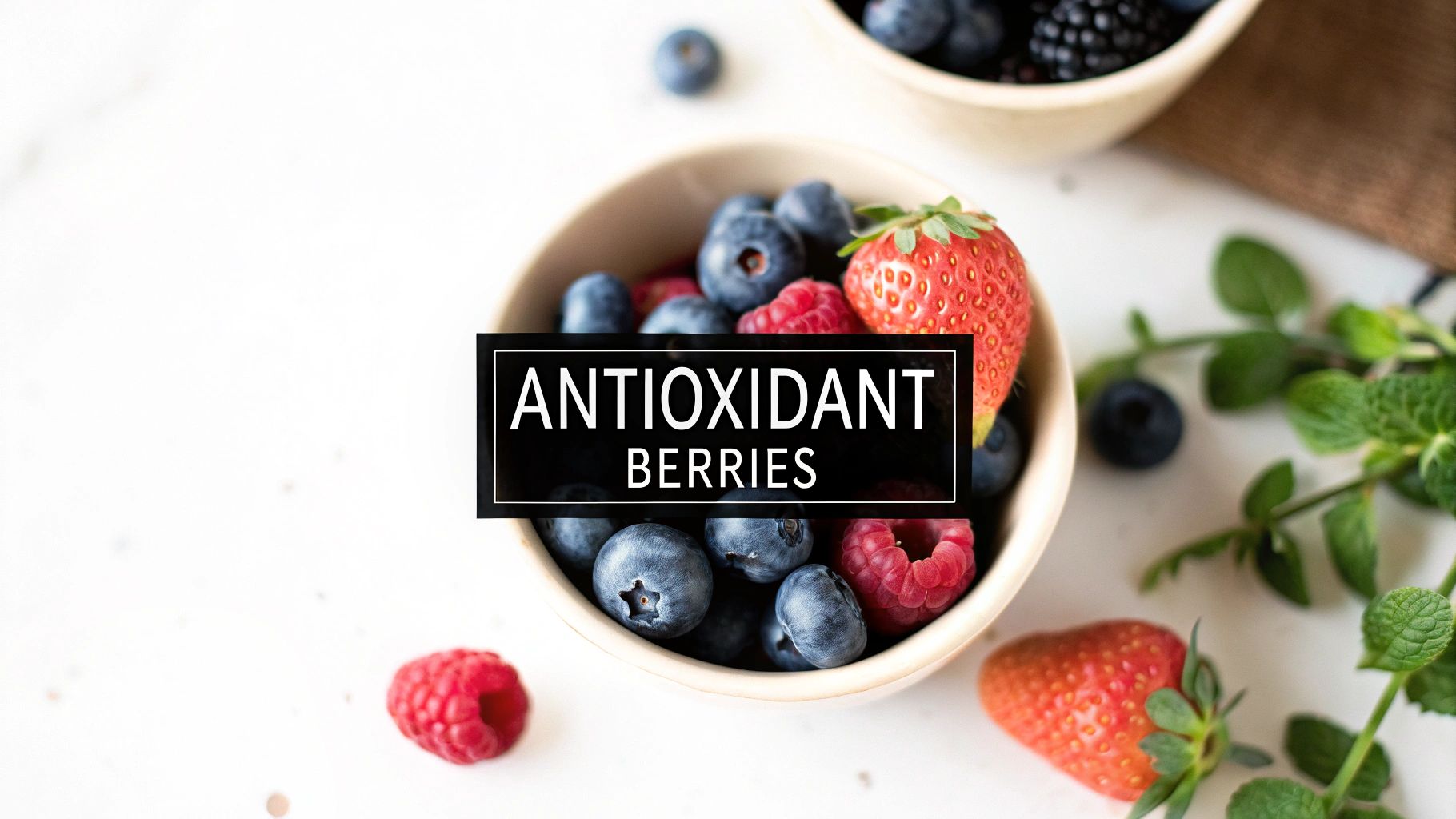
Popularized by wellness advocates and validated by research in communities like the Blue Zones, berries are celebrated for their impressive health-promoting compounds. Their natural sweetness satisfies sugar cravings without the negative effects of processed sweets, while their fiber content aids in digestion and promotes a feeling of fullness, which is beneficial for weight management.
Why They Are Essential
The key advantage of berries is their exceptional antioxidant-to-calorie ratio. These compounds, like anthocyanins, combat oxidative stress in the body, which is linked to aging and chronic illnesses. For anyone seeking to boost their immune system and enhance cognitive function, berries provide a delicious and effective solution. They are a low-calorie way to add vitamins, minerals, and phytonutrients to your daily intake.
Practical Ways to Use Berries
- Breakfast Boost: Top your morning oatmeal, Greek yogurt, or chia seed pudding with a handful of blueberries for a burst of antioxidants and sustained energy.
- Smoothies & Bowls: Blend frozen mixed berries into a smoothie or create a vibrant açai-style bowl topped with fresh strawberries and seeds.
- Salad Enhancer: Add sliced strawberries or a sprinkle of raspberries to green salads for a touch of sweetness that complements savory vinaigrettes.
- Healthy Snacking: Enjoy a simple bowl of mixed berries on their own or combine them with nuts and seeds for a balanced, nutrient-rich trail mix.
Pro-Tips for Shopping and Storage
- Buy Frozen: Purchase large bags of frozen berries, especially when they are out of season. They are picked at peak ripeness and retain their full nutritional value.
- Go Organic: Consider buying organic for strawberries and blueberries, as they often appear on the Environmental Working Group's 'Dirty Dozen' list for pesticide residue.
- Store Properly: Keep fresh berries unwashed in the refrigerator in a breathable container. Wash them just before eating to prevent mold and mushiness.
3. Fatty Fish (Salmon, Sardines, Mackerel)
Fatty fish like salmon, sardines, and mackerel are powerhouse proteins essential for a truly healthy grocery list. Renowned for their high concentration of omega-3 fatty acids (specifically EPA and DHA), these fish are champions of cardiovascular health, cognitive function, and systemic inflammation reduction. Their inclusion provides high-quality protein and vital nutrients like vitamin D and selenium, making them a crucial component for a well-rounded, disease-preventing diet.
Popularized by the heart-healthy Mediterranean diet and integrative health experts like Dr. Andrew Weil, fatty fish are celebrated for their ability to support brain development and mood regulation. The potent anti-inflammatory properties of omega-3s also help combat chronic conditions and promote overall vitality, securing their spot on any health-focused shopping list.
Why They Are Essential
The primary benefit of fatty fish is their exceptional omega-3 content, which most people do not consume in adequate amounts. These essential fats are integral to cell membranes throughout the body and are critical for reducing triglycerides, lowering blood pressure, and supporting neural health. For a diet rich in these benefits, discover our guide to the Mediterranean meal plan.
Practical Ways to Use Fatty Fish
- Simple Dinners: Bake or pan-sear a salmon fillet seasoned with lemon and dill. Serve it with roasted vegetables for a quick, balanced, and nutritious meal.
- Quick Lunches: Mash canned sardines with Greek yogurt, lemon juice, and herbs for a protein-packed topping for whole-grain toast or crackers.
- Flavorful Bowls: Flake smoked or grilled mackerel into grain bowls or salads to add a rich, savory flavor and a significant boost of omega-3s.
Pro-Tips for Shopping and Storage
- Prioritize Wild-Caught: When possible, choose wild-caught salmon for a generally better ratio of omega-3 to omega-6 fatty acids compared to some farmed varieties.
- Economical Choices: Don't overlook canned options. Canned sardines and salmon are cost-effective, have a long shelf life, and provide comparable nutritional benefits.
- Freeze for Freshness: Buy fresh fish in larger quantities when on sale and freeze individual portions in airtight bags or vacuum-sealed packs to use over several weeks.
4. Legumes & Whole Grains (Lentils, Chickpeas, Black Beans, Oats, Quinoa, Brown Rice)
Legumes and whole grains are the dynamic duo of a healthy grocery list, serving as affordable and nutrient-dense foundations for countless meals. This category, which includes items like lentils, chickpeas, oats, and quinoa, provides a powerful combination of plant-based protein, complex carbohydrates, and soluble fiber. Their inclusion is critical for supporting sustained energy levels, metabolic health, and robust digestive function, making them indispensable for a well-rounded diet.
Championed by Blue Zone researchers like Dan Buettner and central to traditional Mediterranean diets, legumes and whole grains are celebrated for their role in promoting longevity and preventing chronic disease. Their high fiber content aids in blood sugar regulation and promotes a feeling of fullness, which is essential for effective weight management and overall metabolic wellness.
Why They Are Essential
The key benefit of combining legumes and whole grains is their ability to form a complete protein, providing all essential amino acids typically found in animal products. This pairing offers a cost-effective, high-fiber, and low-fat alternative that supports heart health by helping to lower cholesterol. They are also rich in vital minerals like magnesium, potassium, and iron, contributing significantly to a nutrient-rich diet.
Practical Ways to Use Legumes & Whole Grains
- Hearty Soups & Curries: Prepare a large batch of lentil soup for easy meal prep or a flavorful chickpea curry with turmeric and coconut milk.
- Bowls & Salads: Use quinoa or brown rice as a base for nutrient-packed bowls, topped with black beans, roasted vegetables, and a healthy dressing.
- Breakfast Staples: Start your day with a bowl of steel-cut oats topped with berries and nuts for slow-releasing energy that will keep you full until lunch.
Pro-Tips for Shopping and Storage
- Boost Iron Absorption: Pair legumes with a source of vitamin C, such as bell peppers, lemon juice, or tomatoes, to significantly enhance your body's ability to absorb their iron content.
- Improve Digestibility: Soak dried beans overnight to reduce cooking time and break down phytic acid. Adding a strip of kombu seaweed while cooking can also make them easier to digest.
- Rinse Your Quinoa: Always rinse quinoa under cold water before cooking to remove its natural coating, called saponin, which can impart a bitter or soapy taste.
5. Nuts and Seeds (Almonds, Walnuts, Chia, Flax)
Nuts and seeds are nutrient-dense powerhouses that provide healthy fats, protein, fiber, and essential micronutrients like magnesium and vitamin E. These calorie-rich foods, including almonds, walnuts, chia, and flax seeds, are celebrated for their ability to support heart and brain health while providing sustained satiety. Their convenience and portability make them an indispensable part of a grocery list healthy for anyone seeking a balanced diet.
Popularized by Mediterranean diet researchers and embraced by Paleo and Keto communities, nuts and seeds are valued for their versatility. Their combination of healthy fats and protein helps stabilize blood sugar levels, making them an ideal snack to curb cravings and maintain energy throughout the day.
Why They Are Essential
The primary benefit of nuts and seeds lies in their concentration of heart-healthy monounsaturated and polyunsaturated fats, including omega-3 fatty acids found in walnuts and flax. This profile helps reduce inflammation and lower bad cholesterol levels. The high fiber and protein content also promotes fullness, which is crucial for appetite control and weight management.
Practical Ways to Use Nuts and Seeds
- Snacks & Toppings: Grab a small handful of almonds for a simple afternoon snack. Sprinkle chopped walnuts over oatmeal, yogurt, or salads for a satisfying crunch.
- Breakfast Boosts: Create a nutritious chia seed pudding for a grab-and-go breakfast. Add a tablespoon of ground flaxseed to smoothies for an easy omega-3 and fiber boost.
- Homemade Mixes: Combine your favorite nuts and seeds with dried fruit to create a custom trail mix, avoiding the added sugars found in many store-bought versions.
Pro-Tips for Shopping and Storage
- Choose Wisely: Opt for raw or lightly roasted varieties without added salt, sugar, or oils to maximize their health benefits.
- Maximize Absorption: To get the full benefits of flaxseed, it's best to grind it just before consumption, as the whole seeds can pass through the digestive system intact.
- Prevent Rancidity: Healthy fats can go rancid. Store nuts and seeds in an airtight container in a cool, dark place like the refrigerator or freezer to extend their shelf life.
6. Cruciferous Vegetables (Broccoli, Cauliflower, Brussels Sprouts)
Cruciferous vegetables are nutritional powerhouses that belong on every healthy grocery list for their potent health-protective properties. This family, which includes broccoli, cauliflower, and Brussels sprouts, is renowned for containing unique sulfur-containing compounds called glucosinolates. These compounds are responsible for the vegetables' distinct aroma and are linked to significant anti-inflammatory and anti-cancer benefits, supporting the body's natural detoxification pathways and promoting hormonal balance.
Championed by health experts like Dr. Michael Greger of NutritionFacts.org and various cancer research institutions, these vegetables are celebrated for their role in disease prevention. Their high fiber and nutrient density make them exceptionally effective for improving gut health, managing weight, and supplying essential vitamins like C and K, as well as folate.
Why They Are Essential
The standout feature of cruciferous vegetables is their unique ability to support cellular health through compounds like sulforaphane, which is activated when the vegetables are chopped or chewed. This compound helps neutralize toxins, reduce inflammation, and may lower the risk of various chronic diseases. Their versatility also makes them easy to incorporate into any diet, offering low-carb alternatives to grains and adding substance to meals.
Practical Ways to Use Cruciferous Vegetables
- Grain Alternatives: Process raw cauliflower in a food processor to create "rice" for a low-carb grain substitute or use it to make a gluten-free pizza crust.
- Roasted Sides: Toss broccoli florets or halved Brussels sprouts with olive oil and seasonings, then roast at a high temperature until crispy and caramelized for a delicious side dish.
- Stir-Fries & Soups: Add chopped broccoli to stir-fries, curries, and soups for a boost of fiber and nutrients. It adds a satisfying crunch and soaks up flavors well.
Pro-Tips for Shopping and Storage
- Maximize Nutrients: To boost sulforaphane production, chop or slice your cruciferous vegetables and let them sit for at least 5-10 minutes before cooking.
- Optimal Cooking Method: Lightly steam or sauté vegetables for just a few minutes instead of boiling to preserve their delicate nutrients and beneficial compounds.
- Smart Storage: Store unwashed broccoli and cauliflower in the crisper drawer of your refrigerator. Brussels sprouts can be stored loose or kept on the stalk for longer freshness.
7. Avocados
Avocados are a unique and nutrient-dense fruit, celebrated for their rich, creamy texture and impressive health benefits. Unlike most fruits, they are packed with heart-healthy monounsaturated fats, which are essential for brain health, reducing bad cholesterol levels, and managing inflammation. This satisfying fat content makes avocados a key item on any grocery list healthy, as they contribute to a feeling of fullness and help stabilize blood sugar levels.
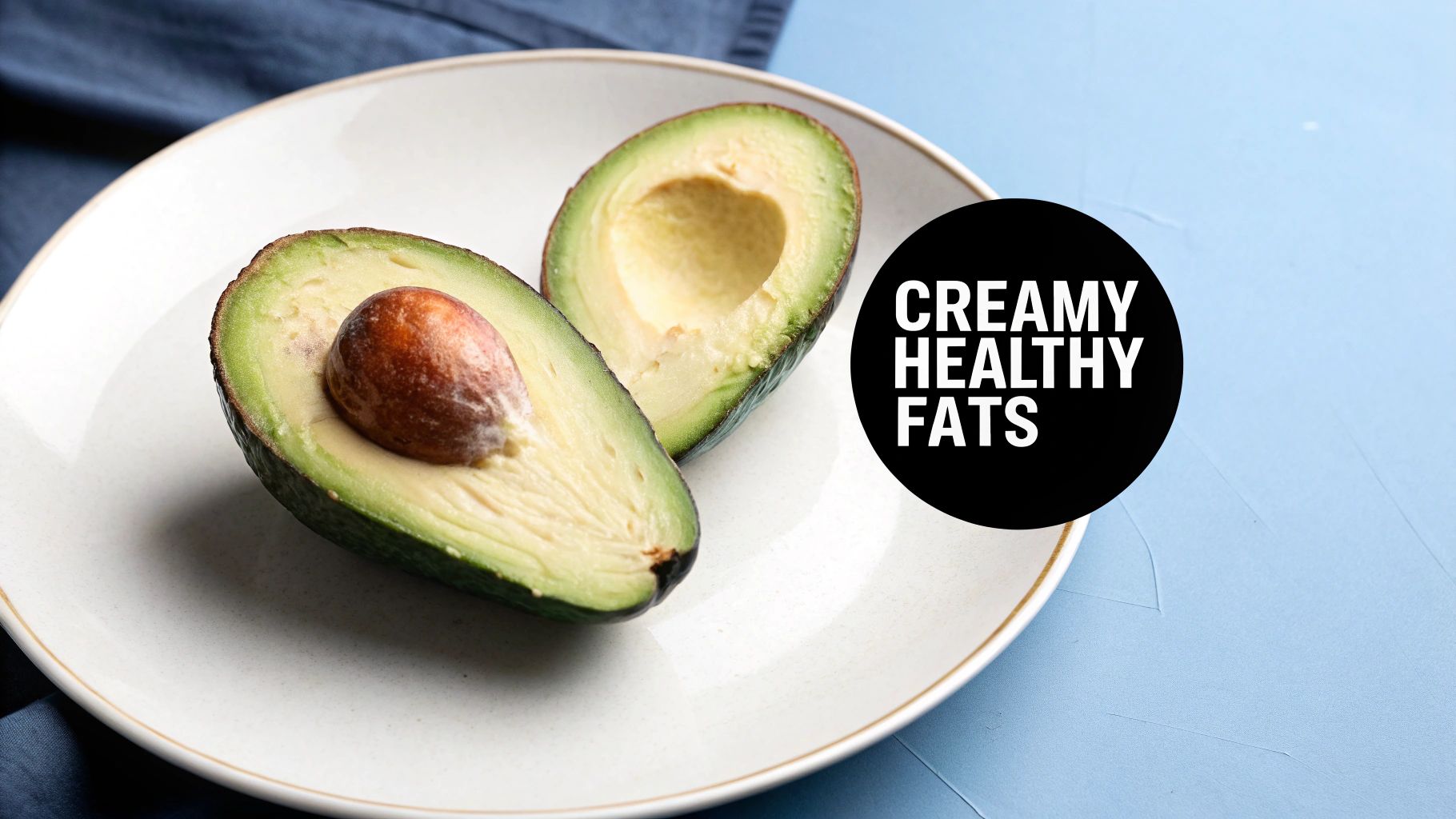
Popularized by wellness influencers and health-conscious food culture, the avocado has become a symbol of modern healthy eating. Its high concentration of potassium, fiber, and various phytonutrients makes it a powerful addition to a diet focused on whole foods and long-term well-being.
Why They Are Essential
The primary advantage of avocados is their healthy fat profile, which aids in the absorption of fat-soluble vitamins (A, D, E, and K) from other foods. Adding avocado to a salad, for example, can significantly increase your body's ability to utilize the nutrients from the vegetables. Their fiber content also supports digestive health and provides sustained energy, preventing the sharp energy spikes and crashes associated with high-carb foods.
Practical Ways to Use Avocados
- Breakfast Boost: Spread mashed avocado on whole-grain toast and top with a sprinkle of sea salt and red pepper flakes for a classic, nutrient-rich start to your day.
- Dips & Spreads: Prepare fresh guacamole to serve with raw vegetable sticks like carrots and bell peppers for a healthy, satisfying snack.
- Salads & Bowls: Add diced avocado to salads or grain bowls to incorporate healthy fats and a creamy texture that enhances the entire dish.
- Smoothies: Blend half an avocado into your smoothie for a creamy consistency and a dose of healthy fats without altering the flavor significantly.
Pro-Tips for Shopping and Storage
- Ripen at Home: Buy avocados that are firm to the touch and let them ripen on your counter. To speed up the process, place them in a paper bag with an apple or banana.
- Prevent Browning: To store a cut avocado, leave the pit in, brush the exposed flesh with lemon or lime juice, and wrap it tightly with plastic wrap to minimize air exposure.
- Portion Control: While incredibly healthy, avocados are calorie-dense. Stick to a serving size of about one-quarter to one-half of an avocado to manage calorie intake effectively.
8. Greek Yogurt
Greek yogurt is a powerhouse of nutrition that deserves a permanent spot on any healthy grocery list. This thick, creamy, fermented dairy product is created by straining out the whey, resulting in a higher concentration of protein and a lower sugar content than regular yogurt. It is packed with high-quality protein, probiotics for gut health, and essential minerals like calcium, making it a highly efficient food for supporting muscle recovery, bone strength, and satiety.
Popularized by brands like Fage and championed by the fitness and wellness communities, Greek yogurt has become a go-to for its versatility and impressive macronutrient profile. Its rich texture and slightly tangy flavor make it a satisfying base for both sweet and savory dishes, providing a substantial protein boost that helps keep you full and curb cravings.
Why It Is Essential
The key advantage of Greek yogurt is its exceptional protein density, which is crucial for building and repairing tissues, supporting metabolic function, and promoting a feeling of fullness. The live and active cultures (probiotics) it contains contribute to a healthy gut microbiome, which is linked to improved digestion and immune function. For those focused on a high-protein diet, it is an indispensable and convenient option. Discover more ways to incorporate it with our guide to high-protein meal planning.
Practical Ways to Use Greek Yogurt
- Breakfast Parfaits & Bowls: Layer plain Greek yogurt with fresh berries, nuts, and a sprinkle of granola for a balanced and quick breakfast.
- Smoothie Enhancer: Add a large scoop to your smoothies instead of milk or protein powder for a creamy texture and a significant protein increase.
- Healthy Sauces & Dips: Mix with herbs, lemon juice, and garlic to create a healthy dip for vegetables or a creamy sauce for Mediterranean-inspired dishes like gyros or grilled chicken.
- Sour Cream Substitute: Use plain Greek yogurt as a one-to-one replacement for sour cream on baked potatoes, tacos, or in recipes for a lower-fat, higher-protein alternative.
Pro-Tips for Shopping and Storage
- Go Plain: Always choose plain, unsweetened varieties to avoid the high amounts of added sugar found in flavored yogurts. You can control the sweetness by adding your own fresh fruit or a drizzle of honey.
- Check the Label: Look for "live and active cultures" on the packaging to ensure you are getting the probiotic benefits. Also, aim for options with at least 10-15 grams of protein per serving.
- Fat Content Matters: Full-fat or 2% Greek yogurt offers greater satiety and can help with the absorption of fat-soluble vitamins. Choose based on your personal dietary goals.
9. Sweet Potatoes
Sweet potatoes are a nutritional powerhouse, offering sustained energy from complex carbohydrates and a wealth of essential nutrients. These vibrant, starchy root vegetables are prized for their high concentration of beta-carotene, a precursor to vitamin A, which is vital for vision, immune function, and skin health. Their inclusion on a healthy grocery list ensures you have a versatile source of energy that also supports gut health and provides anti-inflammatory benefits.
Popularized by the Paleo diet community and athletic nutrition circles, sweet potatoes are celebrated for their lower glycemic index compared to white potatoes, providing a slower release of glucose into the bloodstream. This makes them an excellent carbohydrate source for managing blood sugar levels and maintaining energy without the spike and crash associated with simpler carbs.
Why They Are Essential
The primary benefit of sweet potatoes lies in their rich fiber content, particularly when the skin is consumed. This fiber aids digestion, promotes feelings of fullness, and feeds beneficial gut bacteria. When cooked and then cooled, they develop resistant starch, a type of fiber that further enhances gut health. For anyone building a grocery list healthy enough to fuel an active lifestyle, sweet potatoes are an indispensable, nutrient-dense carbohydrate.
Practical Ways to Use Sweet Potatoes
- Baked or Roasted: Bake whole sweet potatoes and top with cinnamon and turmeric, or cut them into wedges for healthy baked fries.
- Mashed: Steam and mash sweet potatoes as a nutritious alternative to traditional mashed potatoes, perfect as a side dish for lean proteins.
- Soups & Bowls: Add cubed sweet potatoes to hearty soups, stews, or grain bowls for added substance, sweetness, and color.
- Breakfast: Incorporate mashed sweet potato into pancake or waffle batter for a nutrient-rich start to your day.
Pro-Tips for Shopping and Storage
- Boost Nutrient Absorption: Pair sweet potatoes with a source of healthy fat, like avocado or olive oil, to improve your body's absorption of beta-carotene.
- Maximize Resistant Starch: For enhanced gut benefits, cook your sweet potatoes and then cool them in the refrigerator for up to 24 hours before eating.
- Keep the Skin On: Scrub the potatoes well and leave the skin on during cooking to retain the maximum amount of fiber and nutrients.
- Proper Storage: Store raw sweet potatoes in a cool, dark, and well-ventilated place, but not the refrigerator, to prevent them from spoiling.
10. Extra Virgin Olive Oil
A cornerstone of the heart-healthy Mediterranean diet, extra virgin olive oil (EVOO) is a minimally processed fat renowned for its powerful health benefits. This premium plant oil is rich in monounsaturated fats, potent antioxidants, and anti-inflammatory compounds like polyphenols. Its inclusion on a healthy grocery list supports cardiovascular wellness, brain health, and can help reduce systemic inflammation, making it a superior choice over highly refined cooking oils.
Popularized by extensive research on the Mediterranean diet, EVOO is celebrated for its robust, fruity flavor and its ability to enhance meals while delivering significant nutritional value. Unlike other oils, true extra virgin olive oil is extracted using natural methods without heat or chemicals, which preserves its delicate health-promoting compounds.
Why It Is Essential
The primary benefit of extra virgin olive oil lies in its high concentration of oleic acid, a monounsaturated fat linked to reduced inflammation and improved heart health markers. The antioxidants it contains, such as oleocanthal, have been shown to possess properties similar to ibuprofen. Adding EVOO to your diet is an effective way to incorporate healthy fats that protect against chronic disease.
Practical Ways to Use Extra Virgin Olive Oil
- Salad Dressings: Whisk EVOO with balsamic vinegar, lemon juice, and herbs to create a simple, flavorful Mediterranean vinaigrette for salads and roasted vegetables.
- Finishing Oil: Drizzle a small amount over cooked dishes like soups, grilled fish, pasta, or steamed vegetables just before serving to add flavor and healthy fats.
- Dipping: Serve with whole-grain bread as a healthy appetizer, perhaps with a sprinkle of herbs and sea salt.
- Low-Heat Sautéing: Use for gently sautéing vegetables like garlic, onions, and greens over low to medium heat to preserve its beneficial compounds.
Pro-Tips for Shopping and Storage
- Choose Wisely: Look for certified extra virgin olive oil in dark glass bottles, which protect the oil from light degradation.
- Check the Date: Opt for oils with a recent harvest or production date (ideally within the last 12-18 months) to ensure maximum freshness and antioxidant content.
- Proper Storage: Store your olive oil in a cool, dark place like a pantry, away from the stove or direct sunlight, to prevent heat and light from causing it to go rancid.
Top 10 Healthy Grocery Items Comparison
| Item | 🔄 Implementation Complexity | ⚡ Resources / Cost & Availability | 📊 Expected Outcomes | Ideal Use Cases | ⭐ Key Advantages | 💡 Quick Tips |
|---|---|---|---|---|---|---|
| Leafy Greens (Spinach, Kale, Arugula) | Very low — minimal prep; some varieties need massage or quick cooking | Low cost, year‑round; watch for pesticide residue (organic recommended) | High vitamins K/A/C, minerals, low calories; supports heart, bone, cognition | Salads, smoothies, sides, bowls | Nutrient‑dense, versatile, low calorie | Buy organic when possible; store with paper towel; freeze extras |
| Berries (Blueberries, Strawberries, Raspberries) | Very low — wash/portion; short shelf life when fresh | Moderate–high cost; frozen options for year‑round value; organic advised | Very high antioxidant capacity; supports brain and cardiovascular health | Yogurt, smoothies, snacks, desserts | Potent antioxidants per calorie; anti‑inflammatory | Buy frozen in season; choose organic for high‑residue berries |
| Fatty Fish (Salmon, Sardines, Mackerel) | Moderate — quick to cook but requires safe sourcing and handling | Higher cost; sustainability and mercury concerns; canned sardines economical | High EPA/DHA omega‑3s; reduces inflammation; supports brain and heart | Main protein, salads, bowls; 2–3 servings/week recommended | Concentrated omega‑3s and complete protein | Choose sustainable/wild sources; limit high‑mercury species |
| Legumes & Whole Grains (Lentils, Chickpeas, Oats, Quinoa) | Medium — soaking/cooking needed (canned/quick options available) | Very affordable, shelf‑stable, widely available | Sustained energy, high fiber & plant protein; improves gut and heart health | Meal prep staples: soups, bowls, sides, breakfasts | Affordable, nutrient‑dense, long shelf life | Soak legumes, pair with vitamin C to boost iron absorption |
| Nuts & Seeds (Almonds, Walnuts, Chia, Flax) | Very low — minimal prep; portion control important | Moderate to high cost; long shelf life if cooled/refrigerated | Healthy fats, protein, fiber; support satiety, heart and brain health | Snacks, toppings, smoothies, baking | Portable, nutrient‑dense, concentrated healthy fats | Store chilled; choose raw/lightly roasted; limit to ~1 oz servings |
| Cruciferous Vegetables (Broccoli, Cauliflower, Brussels Sprouts) | Low–medium — chopping/short steaming; timing affects compound preservation | Low cost, widely available, freeze well | Sulforaphane and glucosinolates; cancer‑preventive, hormone balance | Roasts, stir‑fries, salads, sides | High nutrient density with potent bioactives | Chop and wait 5 min before cooking; steam 3–5 min to preserve benefits |
| Avocados | Very low — minimal prep; manage ripening window | Moderate–high cost; environmental/water concerns in sourcing | Monounsaturated fats, potassium, enhances fat‑soluble nutrient absorption | Toasts, salads, spreads, smoothies | Concentrated healthy fats and micronutrients; highly satiating | Ripen in paper bag; store cut with lemon; eat controlled portions |
| Greek Yogurt | Very low — ready to eat; choose plain/unsweetened | Moderate cost; refrigeration required; quality varies by brand | High protein and probiotics; supports muscle, bone and gut health | Breakfast, snacks, sauces, smoothies | High‑quality protein plus live cultures | Choose plain with live cultures; avoid added sugars |
| Sweet Potatoes | Medium — baking/roasting; cooling for resistant starch benefits | Low cost, widely available | High beta‑carotene, fiber, resistant starch when cooled; sustained energy | Sides, bowls, fries, athletic fueling | Excellent vitamin A source and gut‑feeding resistant starch | Cook and cool 24 hr to increase resistant starch; bake lower temp to reduce acrylamide |
| Extra Virgin Olive Oil | Very low — use as finishing/low‑heat oil; avoid high heat | Moderate to high cost; calorie dense; quality varies | Polyphenols and oleocanthal yield heart‑protective, anti‑inflammatory effects | Dressings, finishing oil, low‑heat cooking | Rich polyphenols and monounsaturated fats | Buy certified EVOO in dark bottle; use within ~12 months; limit to 1–2 tbsp/day |
From List to Lifestyle: Your Next Steps to Effortless Healthy Eating
Navigating the grocery store with intention is the first, most powerful step toward transforming your health. Throughout this guide, we've moved beyond a simple list of "good" foods and constructed a comprehensive toolkit for building a truly healthy lifestyle. You've seen the foundational power of nutrient-dense staples like leafy greens, fatty fish, and vibrant berries. We've also tailored these fundamentals into specialized templates, whether your goal is weight loss, building muscle, adopting a vegetarian diet, or feeding a busy family.
The core principle is simple: what you bring into your home dictates what you eat. By starting with a strategic, well-organized grocery list healthy enough to meet your specific needs, you eliminate guesswork and decision fatigue. You are no longer just a shopper; you are the architect of your own well-being, building a foundation of health one cart-full at a time. The strategies for shopping smart, decoding labels, and prepping meals efficiently are not just tips; they are the systems that make healthy eating sustainable, even on the busiest of weeks.
Your Action Plan for Lasting Change
The true measure of success isn't just knowing what to buy, but consistently turning that knowledge into nourishing meals. It's about creating a repeatable process that feels less like a chore and more like a natural part of your routine. Here are the most critical takeaways to implement immediately:
- Make Your List Non-Negotiable: Treat your grocery list as your roadmap. Before you even think about leaving the house, review your chosen template (whether it’s the master list or a specialized one) and cross-reference it with your pantry. This single habit prevents impulse buys and ensures you have everything you need for the week ahead.
- Embrace the Power of Prep: Dedicate a small window of time, perhaps an hour or two on a Sunday, to meal prep. This doesn't have to be complex. Simply washing and chopping vegetables, cooking a batch of quinoa or brown rice, and portioning out nuts and seeds can drastically reduce cooking time during the week, making healthy choices the easy choices.
- Iterate and Personalize: The lists provided here are powerful starting points, not rigid rules. After a week or two, take stock. Did you enjoy the meals you made? Are there any ingredients you consistently didn't use? Adjust your
grocery list healthyplan to better suit your tastes and lifestyle. This personalization is key to long-term adherence.
Bridging the Gap with Modern Tools
Consistently planning meals and compiling lists can still feel overwhelming. To make your healthy shopping more efficient and less prone to impulse buys, leveraging a tool that transforms your meal ideas into a precise grocery list can be incredibly helpful. Instead of manually cross-referencing recipes against your pantry, a dedicated recipe to grocery list app can automate the entire process, organizing your needs by aisle and preventing you from buying duplicate ingredients. This small technological upgrade saves time, reduces food waste, and reinforces your commitment to a planned, healthy diet.
Key Insight: A perfect grocery list isn't just about the items on it; it's about the system that creates it and the consistency with which you use it. Technology can be the bridge that turns good intentions into effortless execution.
Ultimately, your journey from list to lifestyle is a marathon, not a sprint. Every well-planned shopping trip is a victory. Every home-cooked, nutrient-rich meal is a deposit into your health bank. By mastering the art of the healthy grocery list, you are not just changing your diet; you are fundamentally changing your relationship with food and empowering yourself to take control of your health, one delicious, intentional meal at a time.
Ready to automate your meal planning and create the perfect grocery list healthy for your goals in seconds? The AI Meal Planner takes your dietary preferences, restrictions, and health objectives to generate a fully customized weekly meal plan and an organized shopping list. Stop the guesswork and start eating smart by visiting AI Meal Planner today.
AI-powered nutrition
Get Your Personalized Meal Plan
AI creates the perfect meals for your goals, lifestyle, and taste.
Start Your Journej