The Avocado Effect: How This Superfood Transforms Your Body from the Inside Out
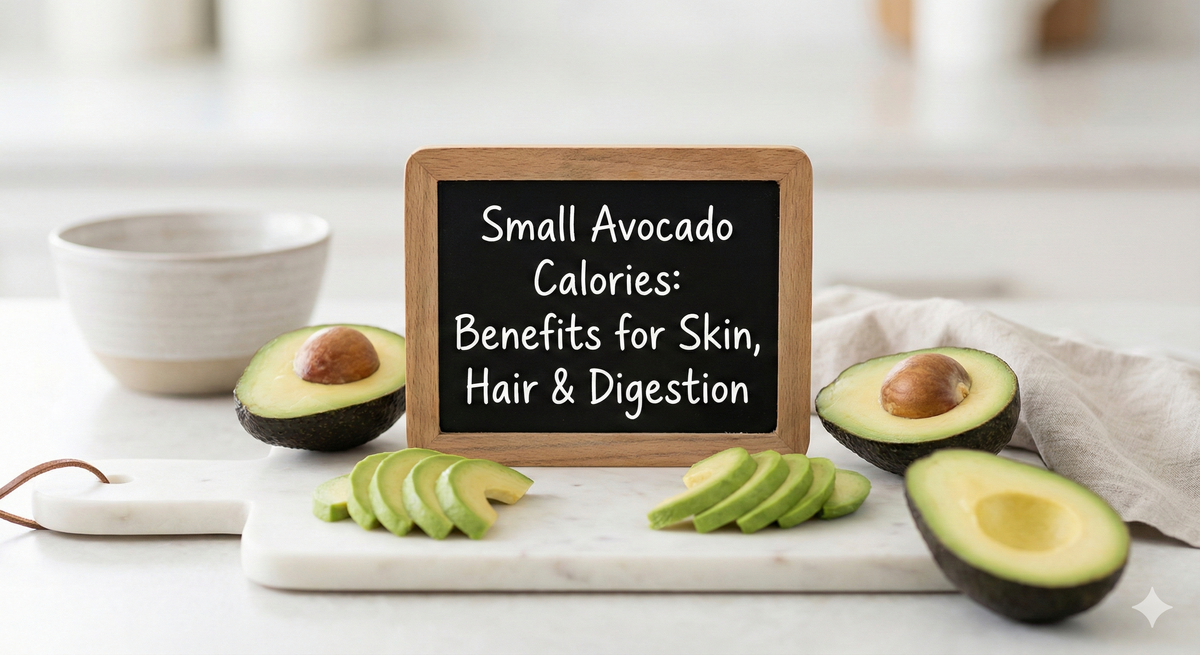
A standard "small" avocado (weighing roughly 100 grams) typically contains between 160 and 170 calories.
Avocados have firmly established themselves as the crown jewel of the wellness world. From trendy brunch toasts to nutrient-packed smoothies, this creamy fruit is everywhere. But beyond the hype and the aesthetic appeal, what is actually happening inside your body when you eat them?
For many health-conscious individuals, the primary concern when introducing a fat-rich food into their diet is energy density. You might be finding yourself typing small avocado calories into a search bar, wondering if this superfood fits into your daily goals. The good news is that while avocados are energy-dense, they are packed with the kind of fuel your body desperately craves.
Understanding the nutritional profile of an avocado is the first step to unlocking its potential. Whether you are looking to soothe digestion, balance hormones, or get that coveted "glow" for your skin and hair, this fruit acts as a functional tool for total body wellness. In this guide, we will dive deep into the science of satiety, the beauty benefits of healthy fats, and why the calorie count of a small avocado is an investment in your long-term health.
The Energy Equation: Calories, Metabolism, and Satiety
When we talk about weight management and metabolism, we often get stuck on the numbers. However, not all calories are created equal. To understand how avocado influences your waistline and energy levels, we have to look at the composition of the calorie, not just the total count.
Breaking Down Small Avocado Calories
While this might seem high compared to an apple or a cup of berries, the context is vital. Most of these calories come from monounsaturated fats—specifically oleic acid. Unlike empty carbohydrates that spike your blood sugar and leave you crashing an hour later, the healthy fats in an avocado provide a slow, steady release of energy.
If you are meticulously tracking your intake, it helps to be precise. You can easily determine the exact energy content of your specific serving size using a tool for calculating calories and macros of any food. This ensures you know exactly how small avocado calories fit into your daily expenditure.
Healthy Fats and Blood Sugar Stability
One of the most profound effects avocado has on the body is its ability to stabilize blood glucose. When you eat a meal high in simple carbs, your insulin spikes, leading to fat storage and subsequent hunger pangs.
Adding avocado to that meal changes the equation. The fat content slows down gastric emptying, meaning your stomach takes longer to digest the food. This blunts the insulin response. A stable blood sugar level is the key to a healthy metabolism; it prevents the "hangry" feeling and reduces cravings for sugary snacks later in the day.
Satiety: The key to Weight Management
This brings us to the concept of satiety. Because fats are digested slowly, they trigger the release of satiety hormones like cholecystokinin (CCK) and peptide YY. Essentially, eating half a small avocado can send a powerful signal to your brain that says, "I am full." This is why, despite the count of small avocado calories, studies often associate avocado consumption with lower body weight and smaller waist circumference.
The Vitamin Vault: Digestion, Hormones, and Inflammation
Avocados are often referred to as "nature’s multivitamin." They are chemically complex and loaded with micronutrients that facilitate thousands of enzymatic reactions in the human body.

1. Digestion and Gut Health (Fiber)
We cannot talk about wellness without talking about the gut. A single avocado contains a staggering amount of fiber—roughly 10 to 13 grams per fruit, depending on the size. This is a mix of soluble and insoluble fiber.
- Insoluble fiber adds bulk to your stool and helps food pass more quickly through the stomach and intestines, preventing constipation.
- Soluble fiber feeds the friendly bacteria in your gut (the microbiome), which is linked to better immunity and even mental health.
2. Hormone Balance (B6 and Folate)
Your hormones rely heavily on dietary fats and specific vitamins to function correctly. Avocados are rich in Vitamin B6 and Folate (Vitamin B9). Folate is crucial for reproductive health and is famously recommended during pregnancy, but it is equally important for mood regulation. Vitamin B6 helps the body make serotonin and norepinephrine, which influence mood and stress levels.
Furthermore, because steroid hormones (like estrogen, testosterone, and cortisol) are synthesized from cholesterol and lipids, consuming healthy plant-based fats provides the necessary building blocks for hormonal health without the inflammatory downsides of processed trans fats.
3. Reducing Systemic Inflammation (Potassium and Antioxidants)
Did you know an avocado has more potassium than a banana? Potassium is an electrolyte that is vital for maintaining healthy blood pressure levels. It works by counteracting the effects of sodium in the body, helping to relax blood vessel walls.
Additionally, avocados contain compounds like lutein and zeaxanthin, as well as persin. These antioxidants work to reduce oxidative stress and inflammation at a cellular level. Chronic inflammation is the root of many modern ailments, so including anti-inflammatory foods like avocado is a proactive shield for your long-term health.
The Glow Factor: Skin, Hair, and Collagen
If you have ever seen a beauty product featuring avocado oil, there is a scientific reason for it. The benefits of eating avocado manifest physically in the quality of your skin and hair.
Collagen Production and Vitamin C
While we associate oranges with Vitamin C, avocados are also a solid source. Vitamin C is essential for the creation of collagen—the structural protein that keeps skin firm and youthful. Without adequate Vitamin C, the body cannot repair tissue or maintain skin elasticity, leading to premature wrinkling.
Hydration from Within (Vitamin E)
Dry, flaky skin is often a sign of a deficiency in healthy fats or Vitamin E. Avocados supply both. Vitamin E is a potent antioxidant that protects skin cells from UV damage and environmental stressors.
When you consume the monounsaturated fats in avocados, they help form the skin’s lipid barrier. This barrier is what locks moisture in. If your lipid barrier is compromised, no amount of topical moisturizer will fix the issue. Eating your hydration is just as important as applying it.
Biotin and Hair Strength
For hair that is prone to breakage, avocados offer a helping hand via Biotin (Vitamin B7) and the aforementioned fats. These nutrients nourish the scalp and hair follicles, promoting a shine that comes from health rather than synthetic silicones.
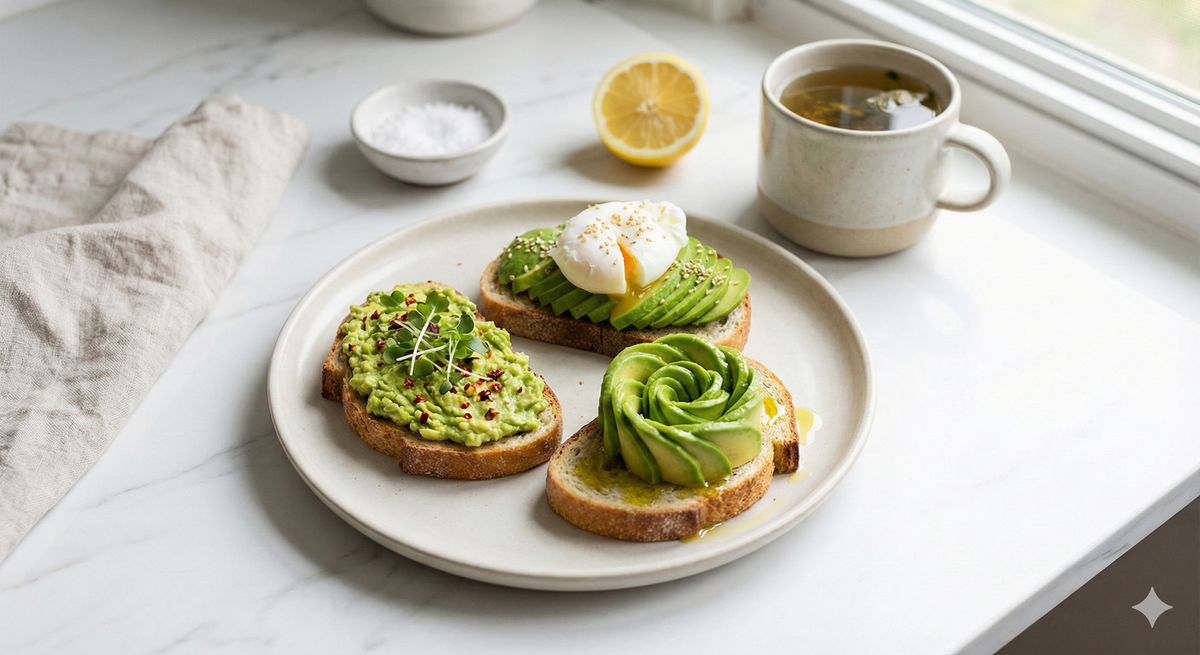
Summary of Benefits
To recap, here is how the inclusion of avocado supports your biology:
- Metabolic Health: Stabilizes blood sugar and improves insulin sensitivity.
- Appetite Control: High fiber and fat content increase satiety, reducing overall calorie intake despite the density of small avocado calories.
- Gut Health: Feeds the microbiome and aids in regular digestion.
- Heart Health: Lowers LDL (bad) cholesterol and raises HDL (good) cholesterol; regulates blood pressure via potassium.
- Skin Barrier: Strengthens the lipid barrier for hydrated, glowing skin.
- Anti-Aging: Supports collagen production and fights oxidative stress with Vitamin E and C.
- Nutrient Absorption: Many vitamins (A, D, E, K) are "fat-soluble," meaning you need to eat fat to absorb them. Adding avocado to a salad helps you absorb the nutrients from the leafy greens.
Integrating Avocado into Your Routine
Knowing the benefits is one thing; making it a habit is another. Because avocados are calorie-dense, portion control and planning are helpful. You don't need to eat three a day to see results; consistency is key.
If you struggle with variety or aren't sure how to fit superfoods into a balanced week, you might find an AI weekly meal plan generator incredibly useful. This tool can build a schedule that balances your macros and ensures you get your daily dose of healthy fats without overdoing it.
Frequently Asked Questions (FAQ)
Here are some common questions regarding avocado consumption and health.
1. How many calories are in a small avocado? A whole small avocado (roughly 100g) typically contains between 160 and 170 calories. If you are tracking small avocado calories for a half-serving, you are looking at roughly 80–85 calories.
2. Is avocado good for weight loss? Yes. Despite being high in calories, avocados are high in fiber and healthy fats, which keep you fuller for longer. This satiety prevents overeating and snacking on empty calories later in the day.
3. Can avocado really improve my skin and hair? Absolutely. The monounsaturated fats help maintain moisture in the skin's epidermal layer, while Vitamin C aids collagen production and Vitamin E protects against sun damage.
4. How much avocado should I eat per day? For most people, half to one whole avocado per day is a healthy amount. This provides all the nutritional benefits without leading to excessive calorie consumption.
5. Does avocado contain protein? Avocados contain a small amount of protein (about 2 to 3 grams per fruit), but they are primarily a source of healthy fats. They should be paired with a protein source like eggs, beans, or lean meat for a complete meal.
6. Are the fats in avocado "good" fats? Yes. Avocados are rich in monounsaturated fats (MUFAs), specifically oleic acid. These are heart-healthy fats that help reduce bad cholesterol levels and lower the risk of heart disease and stroke.
7. Can eating avocado help with bloating? Generally, yes. The potassium in avocados helps balance sodium levels, which can reduce water retention and bloating. However, because they are high in fiber and contain polyols (a type of carbohydrate), those with sensitive stomachs or IBS should introduce them gradually.
Final Thoughts
The avocado is more than just a trendy toast topper; it is a nutritional powerhouse that supports your body from the gut to the skin. While it is smart to be mindful of small avocado calories, the quality of those calories is undeniable. By providing your body with essential lipids, fiber, and vitamins, you are investing in smoother digestion, better hormonal balance, and a radiant complexion.
Enjoy this superfood in moderation, savor the creamy texture, and let your body reap the benefits of one of nature's most perfect foods.
AI-powered nutrition
Get Your Personalized Meal Plan
AI creates the perfect meals for your goals, lifestyle, and taste.
Start Your Journej