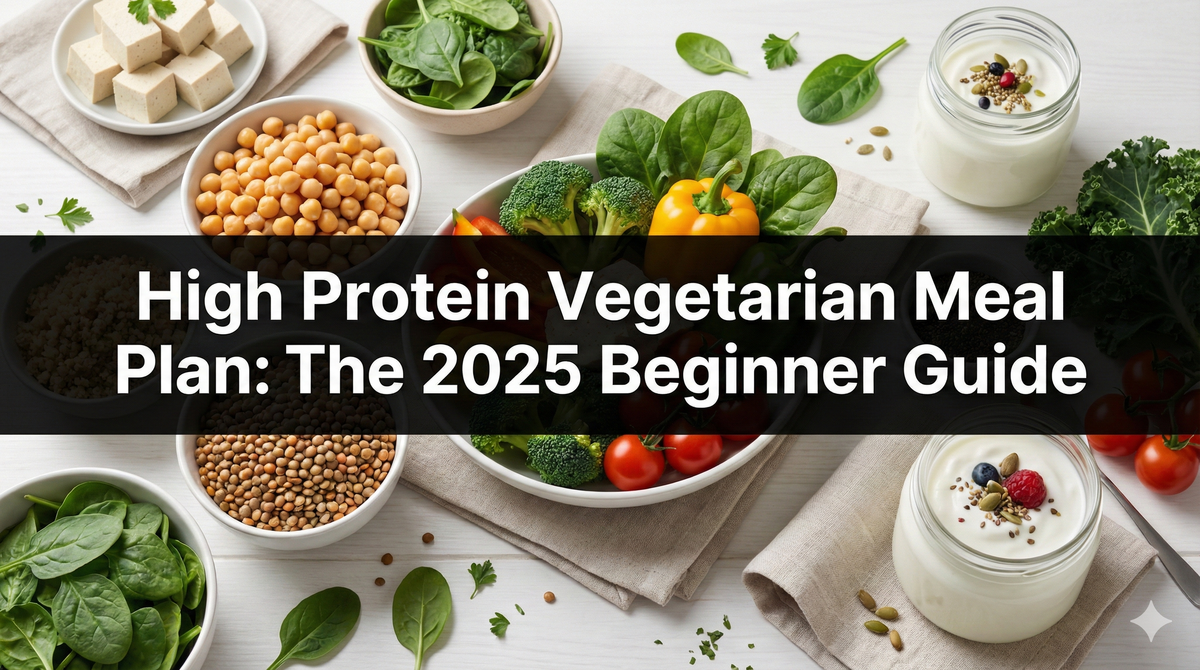
High Protein Vegetarian Meal Plan (Beginner-Friendly Guide for 2025)
Let’s be honest: if you’ve been vegetarian for more than five minutes, you’ve probably heard The Question. You know the one. A well-meaning relative or friend leans in, furrows their brow, and asks, "But where do you get your protein?"
For years, the myth persisted that you need to eat chicken breast or steak to build muscle or lose fat. But as we move into 2025, the game has completely changed. We are seeing a massive shift in how we approach plant-based nutrition. Whether you are scrolling through TikTok or browsing Pinterest, the "high protein vegetarian" aesthetic is everywhere—and for good reason.
More people than ever are looking to build lean muscle, boost their metabolism, and feel stronger without relying on meat. But the struggle is real: it can be tricky to hit those high protein targets (like 100g+ per day) without accidentally eating 3,000 calories of pasta and bread.
If you are trying to lean out or bulk up but feel stuck on what to eat, you are in the right place. This guide covers the practical, trending, and delicious ways to execute a high protein vegetarian meal plan in 2025. No boring salads, no "rabbit food"—just real fuel.
The Breakfast Revolution: Beyond Standard Oatmeal
In 2025, breakfast isn't just about waking up; it's about hitting 20-30g of protein before you even walk out the door. The days of plain toast are behind us. We are prioritizing blood sugar balance and satiety.
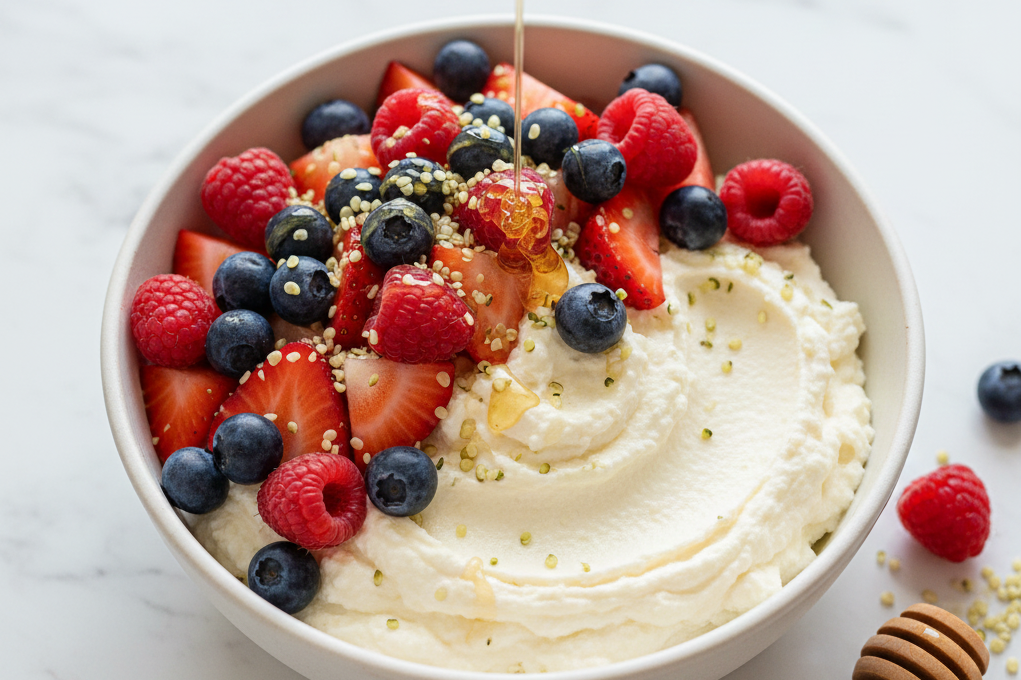
1. Whipped Cottage Cheese & Berry Bowls
What it is: Cottage cheese has made the biggest comeback of the decade. This isn't the watery, lumpy stuff you remember from the 90s. We are talking about whipping cottage cheese in a blender until it's as smooth as ricotta, topped with fresh berries, hemp seeds, and a drizzle of honey.
- Why it’s high-protein: Cottage cheese is a casein powerhouse, often packing 25g of protein per cup.
- Approximate Macros: ~300 calories | 28g Protein | 10g Fat | 20g Carbs.
- Why it fits a vegetarian diet: It’s one of the few vegetarian sources that is incredibly low-carb relative to its protein content, leaving room for fruits.
- Why it’s trending in 2025: The #WhippedCottageCheese trend on TikTok proved that texture matters. People want high volume and creaminess without the heavy fat content of cream cheese.

2. Greek Yogurt "Cheesecake" Toast
What it is: Thick slices of sourdough bread topped with a mixture of Greek yogurt, protein powder, and lemon zest, then air-fried or toasted until it sets like a custard.
- Why it’s high-protein: Greek yogurt provides the base, while a scoop of whey or plant protein powder fortifies the mixture.
- Approximate Macros: ~400 calories | 32g Protein | 6g Fat | 45g Carbs.
- Why it fits a vegetarian diet: It combines complex carbs (bread) with high-quality dairy protein, making it a perfect post-workout recovery meal.
- Why it’s trending in 2025: Air fryers are still the king of the kitchen. This recipe went viral because it tastes like dessert but functions like a serious anabolic meal.
High-Protein Vegetarian Lunches: Power Bowls & Salads
Lunch is usually where the "carb slump" happens. A standard vegetarian sandwich might leave you sleepy by 2 PM. To avoid this, successful high protein meatless meals focus on legumes and distinct textures.
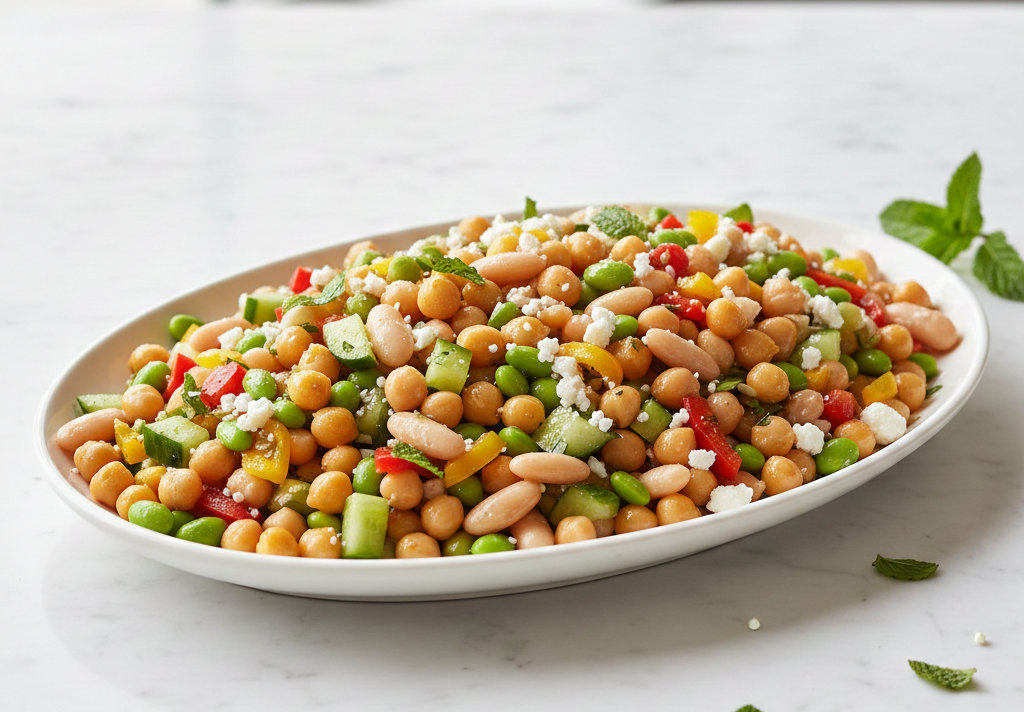
3. The "Dense Bean Salad" (Viral Edition)
What it is: A chunky mix of chickpeas, white beans, edamame, diced cucumbers, bell peppers, and feta cheese, tossed in a high-acid vinaigrette. The key here is density—no lettuce fillers.
- Why it’s high-protein: By stacking three different legumes (chickpeas, white beans, edamame) plus cheese, you create a complete amino acid profile.
- Approximate Macros: ~450 calories | 22g Protein | 18g Fat | 40g Carbs.
- Why it fits a vegetarian diet: It’s high in fiber (usually 10g+), which is crucial for gut health and keeps you full for hours.
- Why it’s trending in 2025: Meal prep enthusiasts love this because it gets better sitting in the fridge. It doesn't get soggy like leafy salads.
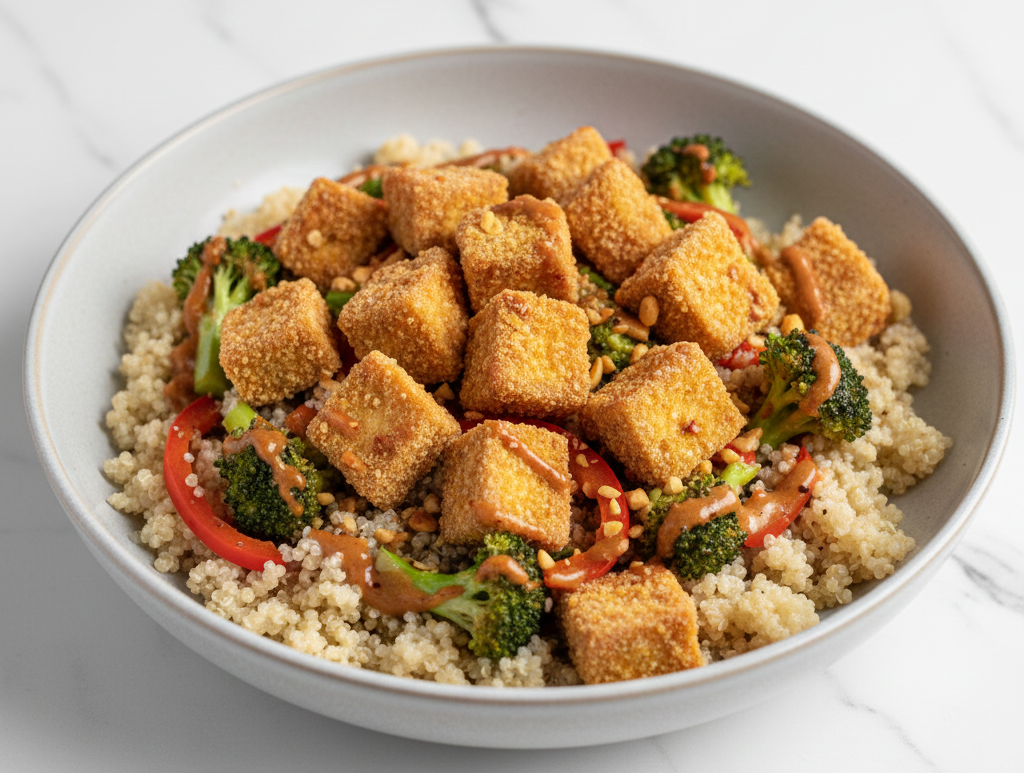
4. Crispy Tofu & Quinoa Stir-Fry
What it is: Extra-firm tofu, pressed and tossed in cornstarch, then air-fried until crispy. It’s served over a bed of quinoa (not white rice) with broccoli and a spicy peanut sauce.
- Why it’s high-protein: Tofu is a staple, but swapping rice for quinoa adds an extra 8g of protein per cup.
- Approximate Macros: ~500 calories | 30g Protein | 20g Fat | 50g Carbs.
- Why it fits a vegetarian diet: Tofu is a complete protein, meaning it contains all nine essential amino acids necessary for muscle repair.
- Why it’s trending in 2025: The focus is on "texture variety." People are done with mushy tofu. The "crispy air-fry" technique has revolutionized how we eat soy.
High-Protein Vegetarian Dinners: Savory & Satisfying
Dinner is where many vegetarians fall short, often settling for pasta with tomato sauce. To build a vegetarian meal plan for weight loss or muscle gain, dinner needs to be the heavy hitter.
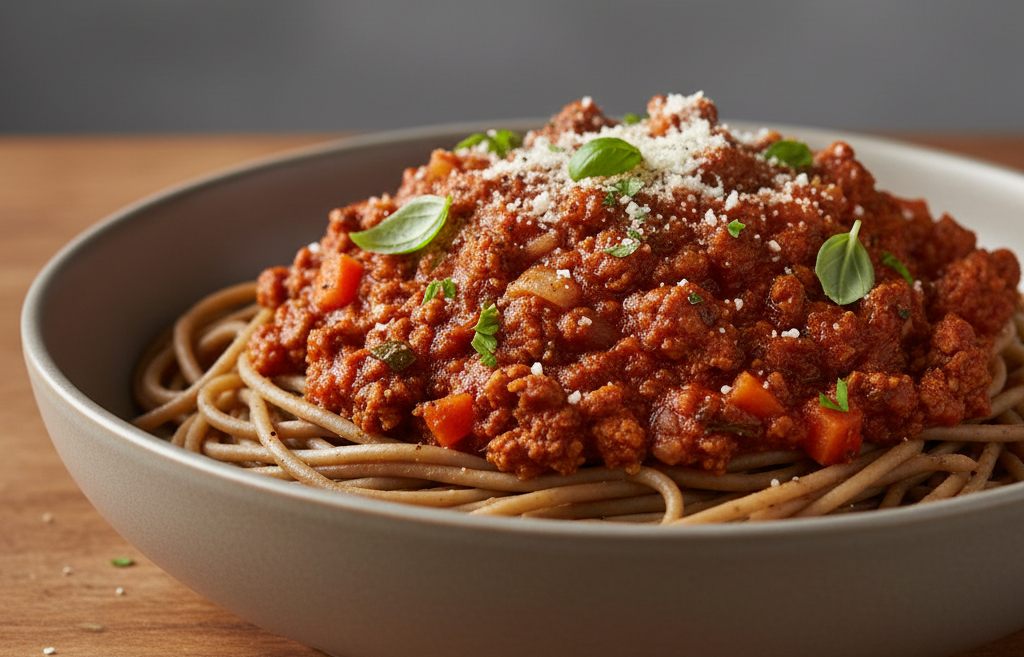
5. Tempeh Bolognese
What it is: Crumbled tempeh sautéed with onions, garlic, carrots, and Italian herbs, simmered in a rich marinara sauce. Served over lentil-based pasta or zucchini noodles.
- Why it’s high-protein: Tempeh is fermented soy, which is denser and higher in protein than tofu. Pairing it with lentil pasta (which has ~20g protein per serving) creates a massive protein punch.
- Approximate Macros: ~550 calories | 40g Protein | 15g Fat | 60g Carbs.
- Why it fits a vegetarian diet: It mimics the texture of ground meat perfectly, satisfying that savory "umami" craving without animal products.
- Why it’s trending in 2025: Gut health is a major priority right now. Because tempeh is fermented, it satisfies the "probiotic-friendly" food trend while delivering macros.
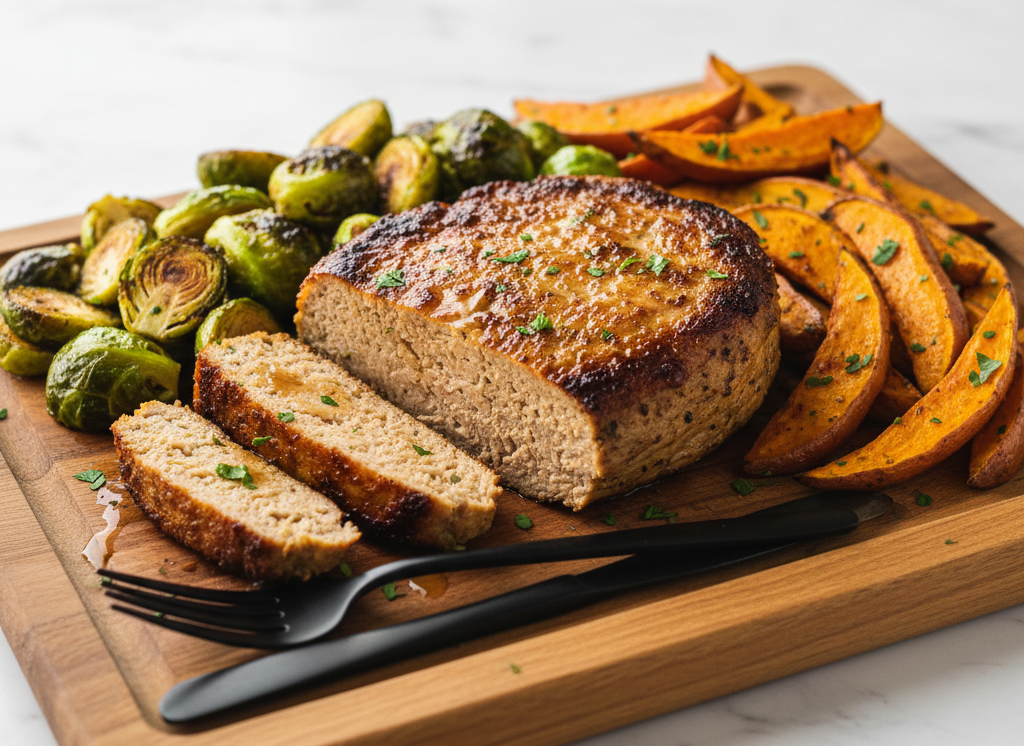
6. Seitan "Steak" with Roasted Veggies
What it is: Seitan (vital wheat gluten) marinated in soy sauce, liquid smoke, and maple syrup, then pan-seared. Served with roasted Brussels sprouts and sweet potatoes.
- Why it’s high-protein: Seitan is practically pure protein. It is often called "wheat meat" and can have up to 75g of protein per 100g of flour used.
- Approximate Macros: ~450 calories | 50g Protein | 8g Fat | 35g Carbs.
- Why it fits a vegetarian diet: It is the highest protein-per-calorie vegetarian food in existence. If you need to hit a macro target, seitan is your secret weapon.
- Why it’s trending in 2025: High-performance athletes are gravitating toward seitan because it allows them to hit 150g+ of protein a day easily.
Snacks & Substitutes: The Glue of Your Meal Plan
You cannot rely on three meals alone if your goal is 100g+ of protein. You need high protein vegetarian recipes for snacking, too.
Smart Snacking Ideas
- Edamame Pods: 1 cup provides 17g of protein. Buy them frozen and microwave for a quick snack.
- Greek Yogurt Cups: Look for single-serve cups that offer 15g of protein for under 100 calories.
- Protein Bars: In 2025, we look for bars with minimal ingredients. Aim for 20g protein and less than 5g added sugar.
- Lupini Beans: These are trending hard. They are little pickled snacking beans that pack almost as much protein as soy.
The "Big 5" Substitutes Checklist
If you are modifying a standard recipe, use this swap list:
- Instead of Rice: Use Quinoa or Cauliflower Rice mixed with Hemp Seeds.
- Instead of Sour Cream: Use plain non-fat Greek Yogurt.
- Instead of Regular Pasta: Use Chickpea or Red Lentil Pasta.
- Instead of Croutons: Use Roasted Chickpeas.
- Instead of All-Purpose Flour: Use Chickpea Flour (Besan) for batters.
How Much Protein Do Vegetarians Really Need?
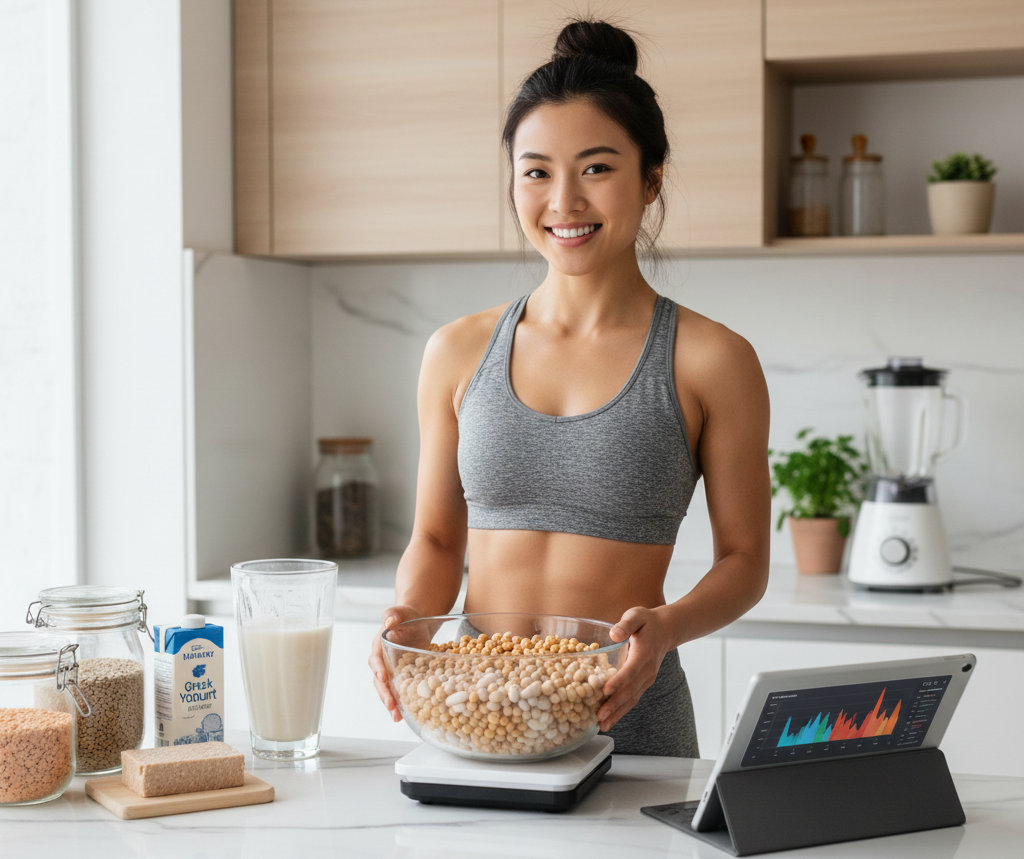
There is a lot of noise out there about protein targets. Some influencers say you need 200 grams, while old-school dietitians might say 50 grams is enough. The truth lies in your specific goals.
For general health, the RDA (Recommended Dietary Allowance) is 0.8 grams per kilogram of body weight. However, that is the minimum to prevent deficiency, not the optimal amount for looking and feeling athletic.
If you are active, lifting weights, or trying to lose body fat while retaining muscle, the target shifts. Most modern sports nutrition guidelines suggest between 1.6 to 2.2 grams of protein per kilogram of body weight. For a 150lb (68kg) person, that looks like roughly 100g to 150g of protein daily.
Why does this matter?
- Satiety: Protein is the most filling macronutrient. Eating enough of it prevents late-night snacking.
- Thermic Effect: Your body burns more calories digesting protein than it does digesting fats or carbs.
- Muscle Preservation: If you are in a calorie deficit, high protein intake ensures you lose fat, not muscle.
It can be tricky to figure out your exact numbers. If you are unsure where to start, you should run your stats through a calculator. You can use this Calorie and Macro Calculator to get a personalized baseline for your protein intake and daily calorie needs. Knowing your numbers is half the battle and once you have them, tools like the Meal Plan Generator can automatically build a high-protein vegetarian meal plan that matches your goals without you having to do any math.
How to Build a High Protein Vegetarian Meal Plan (Step-by-Step)
Creating a meal plan that doesn't feel repetitive requires a system. You don't want to just "eat random high protein foods." You want a cohesive week of eating. Here is how to construct a vegetarian meal prep strategy that works.
Step 1: determine Your "Anchor" Proteins
Don't start with the recipe; start with the protein source. For every meal (Breakfast, Lunch, Dinner), choose one anchor:
- Greek Yogurt / Cottage Cheese
- Tofu / Tempeh / Edamame
- Lentils / Chickpeas / Beans
- Seitan / Meat Alternatives
- Protein Powder / Egg Whites (if ovo-vegetarian)
Step 2: The "30-10-10" Rule
When building a main meal, aim for:
- 30g of Protein: This triggers muscle protein synthesis.
- 10g of Fiber: To keep digestion regular and blood sugar stable.
- 10 Minutes of Prep: Keep it simple. If it takes an hour to cook, you won't do it on a Tuesday night.
Step 3: Mix Your Micronutrients
A common trap is eating beige food (pasta, chickpeas, bread). Ensure you are rotating colors.
- Green: Spinach, broccoli, kale (Iron, Calcium).
- Orange: Sweet potatoes, carrots, peppers (Vitamin A).
- Red/Blue: Berries, tomatoes, red cabbage (Antioxidants).
Step 4: Automate the Process
Decision fatigue is the enemy of consistency. If you sit down every Sunday and dread the planning process, you are more likely to order takeout.
To save time, technology can be a massive help here. You can try this AI Meal Plan Generator to instantly create a customized plan based on your dietary preferences. It takes the guesswork out of balancing macros and ensures you have a grocery list ready to go.
Common Mistakes in Vegetarian High-Protein Diets
Even with the best intentions, it is easy to veer off track. Here are the most common pitfalls we see in 2025 and how to fix them.
1. The "Carb-Loading" Trap
Many beginners think "high protein" means eating more peanut butter (mostly fat) or more quinoa (mostly carbs). While quinoa is great, it isn't a primary protein source compared to tofu or seitan.
- The Fix: Always look at the Protein-to-Calorie ratio. You want foods that offer the most protein for the fewest calories.
2. Ignoring Bioavailability (Iron & B12)
Plant-based iron (non-heme iron) is harder for the body to absorb than animal-based iron.
- The Fix: Always pair your iron sources (spinach, lentils) with Vitamin C (lemon juice, bell peppers). Also, don't forget a B12 supplement if you aren't eating many fortified foods or dairy/eggs.
3. Relying Too Much on Processed Mock Meats
While a veggie burger is fine occasionally, relying on highly processed frozen patties for every dinner can lead to high sodium intake and digestive issues.
- The Fix: Stick to whole-food sources like tempeh, lentils, and tofu for 80% of your meals.
4. Not Eating Enough Calories
Vegetarian food is often very high in volume (lots of fiber and water) but lower in calories. You might feel "stuffed" but only have eaten 1,200 calories, which isn't enough to support muscle growth.
- The Fix: Don't be afraid of healthy fats like avocado, olive oil, and nuts to round out your calorie goals.
Final Thoughts: Consistency Over Perfection
Adopting a high protein vegetarian meal plan doesn’t mean you have to be perfect from day one. It’s about making small, sustainable swaps. Maybe this week you switch your morning oatmeal to Greek yogurt toast. Next week, you try a tempeh stir-fry instead of pasta.
The landscape of vegetarian nutrition in 2025 is exciting, diverse, and delicious. You have access to better ingredients and better recipes than ever before. By prioritizing protein at every meal, you aren't just fueling your body; you are proving that plant-based eating can be powerful, athletic, and satisfying.
AI-powered nutrition
Get Your Personalized Meal Plan
AI creates the perfect meals for your goals, lifestyle, and taste.
Start Your Journej